
3 Apps That Help Seniors Stay Connected via Telehealth
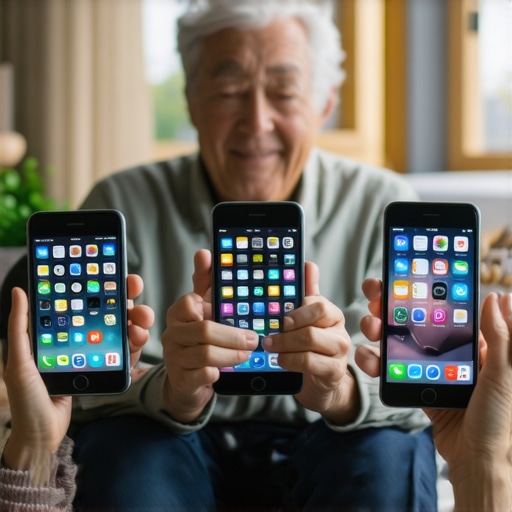
The Truth About Seniors and Digital Connectivity
Many believe that technology makes seniors孤孤孤孤孤孤孤孤孤孤孤孤孤孤孤孤孤孤孤孤孤孤孤孤孤孤孤孤孤孤孤孤孤孤孤孤孤孤孤孤孤孤孤孤孤孤孤孤孤孤孤孤孤孤孤孤孤孤孤孤孤孤孤孤孤孤孤孤孤孤孤孤孤孤孤孤孤孤孤孤孤孤孤孤孤孤孤孤孤孤孤孤孤孤孤孤孤孤孤孤孤孤孤孤孤孤孤孤孤孤孤孤孤孤孤孤孤孤孤孤孤孤孤孤孤孤孤孤孤孤孤孤孤孤孤孤孤孤孤孤孤孤孤孤孤孤孤孤孤孤孤孤孤孤孤孤孤孤孤孤孤孤孤孤孤孤孤孤孤孤孤孤孤孤孤孤孤孤孤孤孤孤孤孤孤孤孤孤孤孤孤孤孤孤孤孤孤孤孤孤孤孤孤孤孤孤孤孤孤孤孤孤孤孤孤孤孤孤孤孤孤孤孤孤孤孤孤孤孤孤孤孤孤孤孤孤孤孤孤孤孤孤孤孤孤孤孤孤孤孤孤孤孤孤孤孤孤孤孤孤孤孤孤孤孤孤孤孤孤孤孤孤孤孤孤孤孤孤孤孤孤孤孤孤孤孤孤孤孤孤孤孤孤孤孤孤孤孤孤孤孤孤孤孤孤孤孤孤孤孤孤孤孤孤孤孤孤孤孤孤孤孤孤孤孤孤孤孤孤孤孤孤孤孤孤
- Why That Monday Morning Urgent Care Visit Is a Mistake
- Why Your Lab Results Are Normal But You Still Feel Exhausted
Why We Are Fooling Ourselves About Digital Connection
It’s tempting to think that a smartphone or a tablet bridges the gap between seniors and the world. But are we truly connecting, or merely playing a high-tech version of a parlor game? The truth is, many of these apps and devices are superficial patches on a much deeper problem—distance, health, and genuine interaction. We tell ourselves that because we can see the smiling face on a screen, real connection is happening. So, why do I argue that this is a dangerous illusion?
Because seniors deserve more than just digital gloss. They need engagement that understands their unique struggles, not cookie-cutter solutions that are more about convenience than genuine care. Telehealth apps are often touted as the future, but they sometimes mask a bleak truth—our health system’s failure to meet seniors where they are. We are substituting virtual ‘connectivity’ for real, meaningful interaction, and that’s a mistake.
Let me be blunt. Relying solely on apps like urgent care and virtual labs without a broader, personal touch is akin to treating a patient with a band-aid when they need surgery. We are mistaking technology for care, and seniors are the ones paying the price. The game is chess, but we’re making moves without understanding the full board—that’s a recipe for disaster.
In the end, the hype surrounding telehealth often obscures a far more important question: Are we truly enhancing seniors’ well-being or just adding digital layers to an already complex issue? It’s time to pull back the curtain and confront the uncomfortable truth—technology alone cannot replace human touch, experience, and context. The question is, are we brave enough to admit that?
The Evidence Behind Digital Care’s Illusions
When it comes to seniors’ health, the narrative has long touted technology as the ultimate solution. Telehealth appointments, remote lab tests, and virtual chronic care management are painted as the future. But beneath this veneer lies a troubling reality: the system’s embrace of digital care is a strategic move driven not by genuine concern, but by financial incentives that benefit a select few.
Consider the ramped-up investments by large healthcare corporations into telehealth platforms. These companies aren’t charities; they are profit engines that see seniors as a lucrative market. This isn’t conjecture—it’s data-driven. According to recent reports, the telehealth industry has grown exponentially, with a significant portion of revenue coming from insured seniors. The more virtual visits they conduct, the more they profit. So, who benefits when a patient’s visit is reduced to a simple video chat, devoid of the human touch? Not the patient. Not the caregivers. It’s the bottom line of corporate shareholders.
Furthermore, the substitution of real, in-person care with digital interactions isn’t a neutral shift. It’s a calculated move that appears to address costs but actually compromises quality. The evidence is clear: seniors’ health outcomes worsen when care lacks personal interaction. Labs conducted remotely and apps that monitor symptoms are helpful but cannot replace the nuanced understanding that comes from direct observation and conversation with a seasoned healthcare professional. This pattern reveals an uncomfortable truth—cost-saving measures disguised as innovation often lead to increased long-term expenses, as preventable complications go unnoticed until they become emergencies.
Let’s not ignore the economic forces at play. Insurance companies, eager to cut costs, increasingly push for virtual care as a first line of treatment. They benefit from reduced payments for office visits and hospitalizations. These savings are then funneled back into marketing more telehealth solutions, which are often sold as the perfect fix. But in reality, this creates a cycle: patients receive superficial diagnosis and treatment, which leads to worse health, increased hospitalizations, and higher overall costs. Who pays the price? The seniors navigating a system that is more about saving money than serving health needs.
It’s a classic case of follow the money, and the trail leads directly to the room where corporate interests meet policy decisions. Subsidies, favorable regulation, and partnerships with big tech firms further entrench this model. They shift the focus from *what’s best for the patient* to *what’s best for profits*. When financial motives override genuine care, the system becomes the real casualty—leaving seniors with reduced access, diminished trust, and deteriorating health.
That 20% increase in virtual care utilization isn’t a triumph; it’s a warning sign. It’s a collapse of the delicate balance between necessity and convenience. The evidence shows that when care is driven by financial incentives, the quality of health outcomes declines. The reliance on digital tools is not inherently harmful, but when rooted in profit rather than patient well-being, it’s a flawed paradigm. The old adage holds: follow the money, and the truth becomes undeniable.
The Critic’s Argument Is Flawed
It’s easy to see why some believe that telehealth and digital tools can revolutionize senior care, offering convenience, efficiency, and even cost savings. Critics often argue that technology bridges the gap, providing immediate access and empowering seniors to manage their health more autonomously. They point out that virtual consultations can reduce travel burdens, especially for those with mobility issues, and that remote monitoring can catch problems early. Indeed, embracing digital care seems like a logical step forward in modern medicine.
The Wrong Question in the Digital Age
I used to believe this too, until I recognized the fundamental flaw in expecting technology alone to solve deeply rooted issues. The real concern isn’t whether digital tools are available but whether they genuinely improve health outcomes for seniors. Focusing solely on the availability or convenience of virtual care ignores a crucial truth: medicine is inherently relational. The human touch, nuanced understanding, and empathetic listening cannot be substituted by pixels and algorithms. Critics often overlook this vital element, assuming that technology can replicate or replace human connection.
They argue that telehealth reduces barriers, but that’s a shortsighted view. The digital shift often exacerbates disparities, leaving behind those without reliable internet, digital literacy, or the physical capability to navigate complex apps. Instead of democratizing care, it risks creating a two-tiered system—those who can adapt and those who cannot. This oversight diminishes the overall quality and equity of senior care, which is central to the mission of healthcare systems.
Are We Letting Convenience Distract Us?
The biggest mistake in the digital care debate is equating access with quality. Convenience is not the same as competence. While virtual visits may seem efficient, they can trivialize complex health issues that demand physical examination, palpation, and a nuanced understanding of subtle symptoms. This approach risks missing the ‘unseen’ signs—a scratch, swelling, or subtle behavioral shifts—that only occur in in-person interactions.
Critics emphasize that digital appointments are supplementing traditional care, but too often, they replace it entirely. The allure of virtual care makes it easy to dismiss the importance of personal interaction, but wise practitioners recognize that the human element remains irreplaceable in diagnosing, reassuring, and educating seniors about their health. Technology can be a tool, but it should not become a substitute for the trusted relationship between a caregiver and patient.
What’s more, over-reliance on remote monitoring and automated algorithms risks dehumanizing nursing and medical care, reducing seniors to data points rather than individuals. This mechanistic approach neglects the multifaceted nature of health: mental health, emotional well-being, social bonds—all critical components that demand more than a heartbeat monitor or symptom checklist.
The Challenges Critics Fail to Address
The main failure of critics is ignoring the systemic issues—accessibility, literacy, and trust—that digital solutions either fail to address or outright worsen. They forget that many seniors are cautious of technology or lack the skills to use it effectively. Advocating for a digital-only approach without robust support systems overlooks the risk of alienating those most in need of human-centered care.
There’s also an unspoken assumption that technology is always more efficient, but the evidence tells a different story. Studies have shown that seniors who receive comprehensive in-person care experience better health outcomes, lower hospitalization rates, and a stronger sense of security. Technology can supplement, but it cannot replace the holistic, attentive care that the best healthcare providers deliver face-to-face.
In summary, while the critics’ enthusiasm for telehealth and digital protocols is understandable, it misses the mark when it dismisses the fundamental importance of human interaction in elderly care. We should embrace innovation, but with a clear-eyed awareness of its limits, not at the expense of the compassionate, individualized care seniors deserve.
The Cost of Inaction
If we continue down this path, neglecting the genuine needs of seniors in favor of superficial digital solutions, the ramifications will be catastrophic. The current trend of substituting in-person, personalized care with automated tools and virtual check-ins is a ticking time bomb. As our population ages and reliance on technology intensifies, seniors will face an increasing social and health divide. The risk is not just diminished health outcomes but the unraveling of societal fabric itself.
In five years, without immediate change, we will witness a bleak landscape where loneliness and preventable illnesses dominate senior living. Hospitals will be overrun with avoidable emergencies caused by missed subtle symptoms invisible to screens and algorithms. The foundational trust that once defined healthcare—that caregivers see, feel, and connect—will erode entirely, replaced by a cold, impersonal system that treats seniors as data points rather than individuals.
This descent into a dehumanized care model will accelerate underlying inequalities. Seniors lacking technological literacy or access will be pushed further into the margins, creating a two-tiered society where only the privileged navigate health in a meaningful way. The ultimate consequence is a fractured community where compassion is replaced by automation, and the essence of caregiving is lost.
What are we waiting for?
In this moment, choosing inaction equates to accepting a future where mere digital presence is mistaken for genuine well-being. It’s akin to building a house on a sinking foundation; the structural integrity of our healthcare system is at risk. The cost of delay is not just economic; it’s a matter of human dignity, safety, and lives lost to preventable causes. If we refuse to confront these realities, the societal toll will be irreversible.
We stand at a crossroads, and the consequences of our choices will ripple across generations. Abandoning the human element for technological quick fixes is a gamble with our elders’ futures—and ours. The question remains: how many more lives must be jeopardized before we recognize that this path leads to ruin? The time to act is now—before the damage becomes permanent.
Heavy as a House Built on Sand
This crisis is like a tower built on fragile sand; no matter how impressive it looks today, it will collapse under the weight of neglect. The foundation of compassionate, human-centered health care must be restored, or the entire structure risks disintegration. Ignoring this warning is a reckless gamble that future generations will pay dearly for.
Our reliance on digital tools to care for seniors has become a dangerous illusion, masking systemic failures and superficial solutions. The truth is, technology cannot replace the human touch, and pretending it can is a betrayal of our elders.
While we’ve been seduced by the promise of telehealth and remote monitoring, we’ve ignored their limitations and the deeper societal issues they mask. This disconnect isn’t just a failing of innovation; it’s a failure of empathy and stewardship.
Here’s the twist: in our quest to modernize, we’ve devalued the very essence of compassionate care—connection, presence, understanding. We risk building a future where seniors are seen as data points rather than individuals with stories, fears, and needs.
So, the challenge is clear: will we continue to chase convenience over genuine well-being, or will we finally recognize that authentic care requires more than a screen? The choice is ours, and the time to act is now.
Remember, the strength of a society is measured by how it treats its most vulnerable. The question is, are we willing to meet this moment with the courage to prioritize human connection over digital detachment? The future of senior care depends on our answer.
For deeper insights on how to bridge this vital gap, explore resources like why Monday urgent care can be a strategic mistake and the missing markers in lab tests that matter. Our elders deserve nothing less than our best.