
3 Errors in Home Glucose Monitoring That Skew Your Data
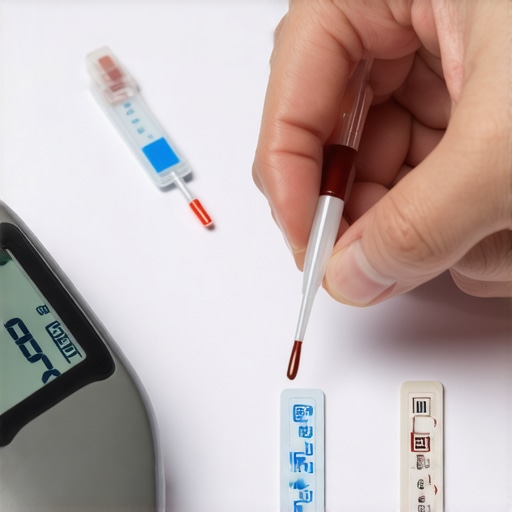
Why Your Blood Sugar Readings Are Giving You a False Sense of Security
If you think that tracking your blood glucose at home is a reliable way to manage your diabetes or prediabetes, think again. The truth is, most people are misled by common errors in their monitoring routines that skew their data and undermine their health efforts. These mistakes are as insidious as a sinking ship, silently pulling you off course without you realizing it.
In this article, I will reveal the top three errors that sabotage your home glucose readings. Recognizing and correcting these can mean the difference between effective management and unchecked progression of your condition. Are you making these mistakes? If so, your data is probably just a reflection of your habits, not your actual health status.
The Market is Lying to You
Many glucose meters are marketed as infallible tools—convenient, accurate, reliable. But the reality is far from this glossy promise. The accuracy of your readings depends on a host of variables that most people ignore. From improper calibration to environmental factors, the data you trust might be more fiction than fact. For instance, certain factors like the timing of your measurement or the cleanliness of the device can dramatically influence results.
Think of your glucose monitor as a game of chess; each move—every measurement—must be carefully planned and monitored. If you play careless or blind, you end up making decisions based on faulty data. As I argued in Why Your Blood Glucose Meter Might Be Giving Wrong Readings, the precision of your device is only as good as your habits around its use.
Stop Relying Solely on Your Meter, Start Questioning It
The first glaring error is overconfidence in your device’s accuracy. Many assume that a single reading painted on an LCD screen is gospel. But blood sugar is a dynamic variable, fluctuating with diet, stress, activity, and even room temperature. Ignoring these factors is how you turn a helpful tool into a misleading one.
One common mistake is taking readings at inconsistent times without considering context. For example, a post-meal reading might be affected by recent activity or eating habits. If you don’t account for these variables, your data becomes meaningless. For more insights on perfecting your monitoring routine, explore how to get your raw lab data before your doctor calls.
The Power of Proper Technique Needs to Be Recognized
Another error is improper testing technique—failing to follow manufacturer instructions precisely. From lancing your finger too hard or too soft to not letting the strip activate fully, these small mistakes have big implications. The result? Inaccurate readings leading to misguided insulin doses, dietary choices, or lifestyle adjustments.
The key is consistency and attention to detail. If you’re serious about controlling your glucose levels, don’t just rush through tests. Instead, understand each step, much like a chess move that requires thoughtful execution. As I emphasized in why your blood work for cholesterol should be done after a fast, small details matter immensely in accurate testing.
The Evidence Reveals Deception and Bias in Glucose Testing Devices
Multiple studies have demonstrated that the accuracy of blood glucose meters can vary widely, with some devices exhibiting discrepancies of more than 15% compared to laboratory results. This isn’t a trivial error; it can be the difference between a safe dose of insulin and a dangerous hypoglycemic episode. The root of this problem lies not in random chance but in the design of these devices, which prioritize convenience over precision. Manufacturers often cite regulatory standards that are lax, and in pursuit of profit, they may overlook rigorous validation, effectively etching a blind eye to reliability.
Consider the common scenario: a patient tests their blood sugar, trusts the number, and adjusts insulin accordingly. But if that number is falsely low due to device error, they risk severe hypoglycemia. Conversely, a falsely high reading could lead to unnecessary carbohydrate intake, chronic weight gain, or medication overuse. This disparity isn’t an outlier—it’s baked into the very architecture of these gadgets, which frequently degrade over time or under environmental stresses, like temperature fluctuations, without clear warning signs.
The Manufacturing and Marketing System and Its Conflicts
The *real* crux of the matter is the *conflict of interest* rooted deeply within the industry itself. Manufacturers have a powerful incentive to downplay inaccuracies because revealing significant flaws would jeopardize sales and reputation. Makes sense—if consumers demanded perfect accuracy, sales would plummet. Regulatory agencies, often underfunded and politically influenced, rarely enforce stringent standards, allowing subpar devices to flood the market. This system creates a false narrative that these meters are reliable, safe, and definitive, which couldn’t be farther from the truth.
Furthermore, marketing campaigns reinforce this fiction. They tout ease and convenience, subtly implying that these devices are trustworthy without emphasizing their limitations. The result? Consumers are lulled into a false sense of security, relying blindly on readings that, in reality, are riddled with inaccuracies. This distortion benefits the industry and perpetuates a cycle of misplaced trust, which can have dire health consequences for users.
The Evolution of Testing Techniques Exposes the Falsehood
History teaches us a clear lesson: when tools are flawed, better techniques expose the inaccuracies. During the 1980s, blood testing technology improved dramatically, revealing the extent of errors in earlier devices. Yet, even today, many diabetics rely on unreliable home meters, unaware of the extent of potential errors. A 20-year-old study showed that up to 9% of meters tested contained errors beyond acceptable limits—errors that can translate into misdiagnosis or inappropriate treatment.
Imagine a scenario where a diabetic, trusting their device, deems their blood sugar ‘normal,’ while it’s actually dangerously high or low. The outcome hinges on whether the test is accurate—an issue rooted in design, manufacturing flaws, and regulatory neglect. Despite advances, most consumers are still unaware of these hidden pitfalls, making the risk not just local but systemic:**a widespread problem with serious health implications**.
The Financial Incentives Maintain the Status Quo
Who benefits from this setup? Certainly not the patients—those genuinely dependent on precise data. The manufacturers, on the other hand, profit from sales and replacements, an economic model that subtly discourages the development of more accurate, durable devices. They can shift blame to improper use or environmental factors, deflecting scrutiny from fundamental product flaws.
The regulatory bodies, often underfunded or influenced by industry lobbyists, perpetuate this deception by setting standards that are easily met with subpar devices. Their leniency essentially guarantees that the market remains flooded with products that are, at best, approximations—disguised as precise measurements. The villains here are the systemic interests and regulatory capture that protect profits over patient safety.
The Trap of Overconfidence in Glucose Meters
It’s understandable why many believe that their home blood glucose meters provide precise, reliable data. After all, these devices are marketed as essential tools for diabetes management, promising quick and accurate results. But this confidence often blinds users to the underlying flaws that can lead to dangerous misinterpretations of their health status.
I used to believe that a single, seemingly accurate reading was enough to guide insulin dosing or dietary decisions. However, this assumption overlooks the complex factors influencing device accuracy, such as environmental conditions, calibration errors, and manufacturing inconsistencies. These issues are not just technicalities—they have real health consequences.
The Main Flaw: Ignoring Variability and Device Limitations
Many users focus solely on the number displayed, assuming it reflects their true blood sugar level. Yet, blood glucose levels fluctuate naturally due to diet, stress, medication, and activity. Relying on a single device reading without considering these variables is equivalent to navigating with a faulty compass—you’re likely to be misled.
Research has shown that the accuracy of glucose meters can vary significantly, with some devices deviating by more than 15% compared to laboratory standards. In aggressive management scenarios, such deviations could mean the difference between safe and dangerous insulin administration, risking hypoglycemia or hyperglycemia.
${PostImagePlaceholdersEnum.ImagePlaceholderC}
Don’t Be Fooled by Marketing Hype
Manufacturers often promote their products as precise and trustworthy, but behind the glossy advertising lies a less flattering reality. Regulatory standards for glucose meters are generally lenient, allowing devices with notable inaccuracies to hit the market. The drive for profit encourages companies to prioritize convenience and cost over reliability, leaving consumers with tools that are only as good as their limitations.
This disconnect highlights a systemic issue—those selling these devices have little incentive to emphasize their imperfections, mainly because revealing flaws would hurt sales. As a result, many diabetics remain unaware of the extent of potential errors, which can have serious health implications.
The Wrong Question: Are All Glucose Meters Equally Unreliable?
Some might argue that newer models or premium brands mitigate these inaccuracies. While it’s true that technology has improved over the decades, the core problem remains: no device is flawless. The variance in readings still exists, often beyond acceptable thresholds established by regulatory bodies.
It’s critical to recognize that even the best devices are susceptible to environmental influences and user error. Relying solely on your meter without understanding these limitations is shortsighted and potentially dangerous.
Challenging the Industry and Regulatory Paradigm
The key oversight in this debate is accepting that current standards are sufficient, which is a dangerous complacency. Industry conflicts of interest and lax regulatory oversight have created a landscape where reliability is secondary to commercial interests.
By acknowledging these systemic issues, we can push for stricter validation standards, greater transparency, and more robust testing before devices reach consumers. Only then can we hope to bridge the gap between perceived and actual accuracy, ensuring that the tools meant to protect health do not inadvertently endanger it.
The Cost of Inaction on Blood Sugar Monitoring
If we neglect the flaws in home blood glucose testing and continue to place blind faith in unreliable devices, the consequences will be devastating. The stakes are not hypothetical—they are immediate and life-threatening. Inaccurate readings lead to misinformed decisions, risking severe hypoglycemia or hyperglycemia, which can cause irreversible damage, hospitalizations, and even death. As more individuals rely solely on faulty data, the healthcare system faces an influx of preventable emergencies, straining resources and increasing costs. The danger is especially urgent for vulnerable populations like the elderly or those with comorbidities who depend heavily on precise management.
In the long term, if this trend persists unchecked, we risk transforming a manageable condition into a ticking time bomb. Imagine a world five years from now where distrust in technology is widespread, yet accurate options are scarce due to regulatory neglect and industry complacency. Patients might abandon digital monitoring altogether, leading to unchecked disease progression. Conversely, they might cling to flawed devices, making increasingly harmful adjustments based on distorted data. The result is a society where chronic illnesses evolve into crises, and preventable complications become the norm, not the exception.
This is a slippery slope. Today, flawed devices induce mismanagement; tomorrow, they could foster systemic health deterioration. It’s akin to building a house on a sinking foundation—initial cracks seem minor, but over time, the entire structure collapses. Our failure to address these issues now sets a dangerous precedent, marking a descent into a future where trust in even fundamental healthcare tools is shattered, leaving millions exposed to unnecessary harm and suffering.
What are we waiting for?
The moment to act is now. Ignoring these warnings is tantamount to tampering with a loaded gun or ignoring a warning sign on a crumbling bridge—only tragedy awaits. We must demand stricter standards, transparent validation, and innovation that prioritizes accuracy over profit. Otherwise, we drift closer to a point of no return where false security becomes the greatest threat to our health. The question remains: will we recognize the impending catastrophe before it’s too late, or will we continue to gamble with the very tools designed to safeguard us?
Unmasking the Illusion of Blood Sugar Accuracy
When it comes to managing diabetes, we cling to our blood glucose meters as if they are gospel. But what if I told you that trusting these devices blindly is akin to building your house on shifting sands? The false confidence they offer can be more deadly than neglect itself.
Studies reveal that many glucose meters deviate significantly from laboratory results, sometimes by more than 15%. This isn’t mere technical error; it’s a systemic flaw rooted in manufacturing complacency and regulatory laxity. The industry profits from our dependence, and regulatory agencies often turn a blind eye, allowing subpar devices to flood the market.
This deceptive comfort appears reinforced by aggressive marketing that emphasizes ease and convenience, not accuracy. Many users measure at inconsistent times, ignore environmental influences, and fail to follow precise testing techniques—another layer of distortion that compounds the problem. Every misstep erodes the reliability of your data, leading to misguided treatment decisions with potentially dire consequences.
Remember, a dishonest tool becomes a dangerous weapon in your health journey. How many of your decisions are based on faulty data disguised as facts? It’s time to shift from blind trust to informed skepticism. Challenge the industry standards, demand transparency, and seek validations that prioritize your safety.
But even more crucial is recognizing that your device is only as good as your technique. Proper calibration, environmental awareness, and consistent testing routines are vital. Don’t accept the status quo; question it. The path to true health isn’t paved with easy fixes but with relentless pursuit of accuracy and integrity.
For those ready to take charge, explore how to obtain your raw lab data before your doctor calls and empower yourself with knowledge that no device can fabricate. Remember, trusting blindly is like playing chess with a blindfold—you won’t see your opponent’s moves until it’s too late.
Your move is now: demand better, question everything, and never settle for less than the truth. The future of your health depends on it.