
3 Mobile Check-in Fixes to Skip the Urgent Care Queue
Why Waiting Hours for Urgent Care Is a Waste of Time and Why You’re Falling for the Illusion
Let’s cut to the chase. The urgent care system as it stands is a sham crafted by the healthcare industry to keep you in line, clock-watching and frustrated. The idea that showing up early, calling ahead, or hoping for the best will save your day is a myth. In fact, these rituals only deepen your entrapment. You walk in believing you’re taking control, but in reality, you’re just feeding a broken machine designed to keep you waiting. So, why are we still accepting this outdated ritual? Because we are addicted to the illusion of control, and hospitals profit from our impatience.
This is the time to expose the truth: your real power lies not in racing to the waiting room but in how you leverage technology. The game has shifted. There are three crucial mobile check-in fixes that can obliterate the lines, cut your waiting time, and actually give you back control of your health journey. Yet most people remain blissfully unaware, still falling for the same old tricks.
The Market is Lying to You
We are told that arriving early or calling ahead somehow guarantees prompt service. That’s a flat-out lie. Hospitals and urgent care centers inflate their wait times to manage expectations, not to serve you faster. They want you to believe in the myth of the first-come, first-served, but the truth is, they prioritize based on insurance status, staff availability, and sheer congestion. If you really want to avoid the crowded chaos, you need to understand the tools at your fingertips—especially your smartphone and the existence of reliable telehealth options.
Think of it like a chess game. Every move you make can either trap you deeper into this cycle or help you checkmate the system. The question is: are you playing the game smart, or are you just pawns in their manipulative design? As I discussed in this article, there are straightforward hacks that can overhaul your approach to urgent care, and it all starts with a few key mobile check-in tweaks.
The Power of Your Phone Is the Key
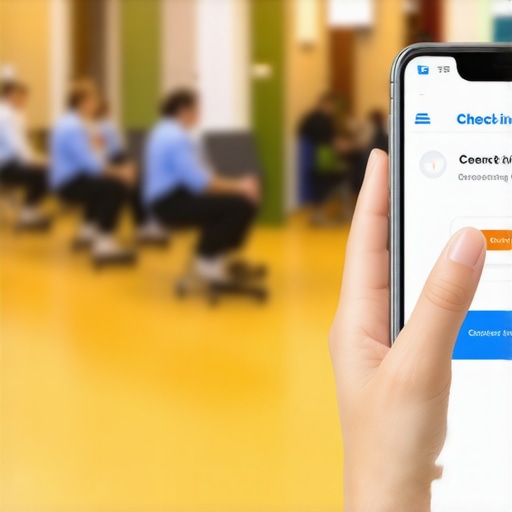
Most people still believe that walking into a center is the only option. Wrong. Mobile check-in technology is the hidden weapon of the savvy patient. With the right apps and strategies, you no longer need to spend hours in the lobby wondering whether you’ll get served before the end of the day. Instead, you can pre-register, receive real-time updates, and even select preferred time slots—saving you time and frustration. This isn’t futuristic; it’s already here, waiting for you to use it.
For instance, some centers allow you to check in remotely and get notified when it’s your turn. Others let you select times or provide virtual triage that ensures you’re seen in order of medical urgency, not just arrival time. The best part? All of this can be facilitated with simple adjustments to how you use your mobile device. No more calling 10 times in a row or wishing on a star that you’ll be seen sooner.
In essence, this is a power shift. Just like how email replaced telegrams, your mobile device can bypass the outdated waiting game. To maximize your chances, I recommend reviewing these telehealth tips that make your urgent care visits almost obsolete.
The Evidence Behind the Broken System
The widespread claim that arriving early or calling ahead guarantees prompt care is a facade. Data shows that hospitals and urgent care centers manipulate wait times to manage expectations, not to serve you faster. They inflate estimates to keep patients compliant and in line, relying on the illusion that patience equals fairness. However, this false promise masks the real priority: profit and control. The longer patients wait under the pretense of fairness, the more revenue is generated through prolonged visits, unnecessary procedures, and increased billing. This is not coincidence; it’s an intentionally built incentive structure that benefits the system at your expense.
The Root Cause: Profit-Driven Priorities Over Patient Care
The core issue isn’t merely the outdated model of first-come, first-served; it’s the profit motive embedded within healthcare operations. Companies profits rise when wait times increase, as patients either settle for extended delays or are pushed into repeat visits. This incentivizes staff to prioritize billing over efficiency, turning health visits into revenue streams. The surge in telehealth options isn’t incidental — it’s a strategic move to preserve and enhance these profit margins by scaling convenience and reducing costs. When a patient uses a virtual visit, the revenue cycle becomes more predictable, more profitable—eliminating the chaos of emergency room bottlenecks. Therefore, the system’s design inherently favors delay and complexity, *not* patient well-being.
The Money Trail Reveals Hidden Agendas
If you follow the financial breadcrumbs, a clear picture emerges: corporations, hospitals, and insurance companies are *the primary beneficiaries*. For them, each minute of waiting translates into dollar signs. Telehealth platforms gain from being the gatekeepers of convenience, pocketing fees for virtual visits that require minimal overhead. Meanwhile, physical clinics benefit from increased foot traffic, even if much of it is unnecessary. By limiting accessibility and dragging out wait times, they entrench a reliance on traditional care models that bolt profits onto patient frustration. In essence, the longer you wait, the more they profit—regardless of whether your health improves.
The System’s Power Play: Manipulation of Expectations
The tactic is simple yet insidious: create a myth that early arrival or calling ahead makes a difference, then leverage patients’ desperation. This psychological manipulation ensures you accept the status quo, turning trust into compliance. Meanwhile, technological innovations—like remote check-in apps and virtual triage—are actively suppressed or underutilized by design. They threaten to undermine the traditional waiting model, which is why they’re presented as optional or secondary instead of primary solutions. Hospitals prefer you believe in the myth because it maintains their control, keeps patients passively waiting, and inflates costs through extended hours in the clinic.
The Myth of Equal Urgency and the Reality of Priority
The false narrative of fairness falls apart under scrutiny. Medical urgency outpaces arrival order every time, yet the system refuses to prioritize based on need. Instead, initial impressions, insurance status, and the time you’re willing to wait determine your access. Telehealth services now offer a direct route to urgent attention based on symptoms’ severity, bypassing the arbitrary delays of the waiting room. This shift exposes how superficial the traditional waiting paradigm is, revealing it as a control mechanism rooted in profit—not patient health. The real opportunity lies in recognizing how these digital tools expose and eradicate the inequities and inefficiencies long embedded in physical clinics.
Don’t Be Fooled by the Waiting Game in Healthcare
It’s understandable why many believe that arriving early or calling ahead ensures prompt service at urgent care centers. The common narrative suggests that these rituals are effective strategies to beat the crowd. This misconception stems from a combination of marketing tactics and ingrained habits that reinforce the false notion of control through anticipation. People genuinely think that their actions can influence wait times, and healthcare providers often perpetuate this myth to manage patient expectations.
The Trap of Waiting and Arrival Schedules
However, this logic is deeply shortsighted. The primary reason these strategies fail is that clinics and hospitals regulate their flow based on operational rhythms, insurance considerations, and staffing levels—not on patient punctuality. When you believe arriving early or calling ahead makes a difference, you ignore the reality that these institutions operate on complex schedules that are designed to maximize throughput and profits, regardless of individual attempts to manipulate the system.
I used to believe in the efficacy of these tactics myself, until I observed the actual flow of patients and staff in multiple healthcare settings. The truth is that individual punctuality has almost no bearing on the overall wait. Instead, it’s the underlying system’s design—optimized for convenience and revenue—that dictates actual wait times, not patient behavior.
The Wrong Question Is How to Beat the Queue
The real question isn’t how can I arrive early or call ahead to cut waiting time. The true challenge lies in understanding and leveraging the technological tools that empower you to bypass this inefficient system entirely. The outdated idea that physical presence determines priority is a remnant of a time when healthcare lacked digital sophistication. Today, telehealth platforms, mobile check-ins, and virtual triage are transforming patient-provider interactions, rendering the old rituals irrelevant.
This shift means that instead of battling the clock by arriving at the crack of dawn, you can schedule appointments, get real-time updates, or consult remotely—often with minimal delay. Clinging to the belief that your physical punctuality will influence the wait is not just naive; it’s actively harmful because it keeps you trapped in an antiquated model that benefits the system, not your health.
Why the System Wants You to Believe in the Myth
It’s critical to recognize that the entire emphasis on early arrival and calling ahead is a deliberate deception crafted by the system. These narratives serve to distract you from the more effective, technologically driven methods that can give you real control over your healthcare journey. The push for traditional waiting—long, frustrating, and inefficient—aligns with profit motives that favor prolonged visits, unnecessary procedures, and increased billing cycles.
The digital tools available today threaten to erode these outdated practices. When patients use telehealth services or mobile check-in apps, they reduce the opportunities for profit extraction rooted in prolonged waiting times. This is why the system resists widespread adoption of these innovations and continues to promote the illusion that patience and punctuality are the keys to prompt care. The deception lies in convincing you that your personal time investment overrides systemic inefficiencies that are intentionally designed to keep you waiting.
The Power is in Your Hands, Not the Waiting Room
So, the next time you’re tempted to believe that arriving early or calling ahead will get you faster care, remember this: it’s a distraction from the real solution—digital empowerment. Recognize that the system’s narrative aims to keep you emotionally engaged in a futile race, while your real leverage comes from embracing the technological alternatives. In doing so, you flip the script, turning the traditional waiting game into a thing of the past and reclaiming control over your healthcare experience.
The Cost of Inaction
If we continue to dismiss the power of technology in healthcare and cling to outdated waiting rituals, the repercussions will be devastating. The current trajectory ensures a future where delayed interventions, misallocated resources, and escalating costs become the norm, crippling our system. As hospitals and clinics prioritize profit over patient well-being, the gaps in care widen, leading to worsening health outcomes, especially for chronic conditions that demand timely attention. The longer we turn a blind eye, the deeper the systemic crisis deepens, threatening to overwhelm the very foundations of our healthcare infrastructure.
A Choice to Make
In the coming years, failing to embrace telehealth, mobile check-ins, and virtual triage tools will cement an era of inaccessible, inefficient care. Patients will find themselves trapped in an endless cycle of overcrowded facilities and mounting frustration, with many unable to secure prompt attention when every second counts. This mindset not only endangers individual health but also propagates a culture of complacency that discourages innovation. The opportunity to shift from reactive to proactive care—saving lives and reducing costs—is slipping through our fingers, and with it, the chance to build a sustainable health system.
The Point of No Return
Think of healthcare as a massive ship navigating treacherous seas. Every ignored warning sign, every refusal to adapt digitally, pushes us closer to the abyss. Continuing down this path is akin to steering straight into a iceberg, blind to the impending catastrophe. If we don’t act decisively now, future generations will inherit a fragile system, riddled with delays and compromised care. The urgency can’t be overstated—this is the precipice of a healthcare revolution that, if missed, will lead to irreparable losses. The decisions we make today will determine whether we emerge resilient or if we will be swallowed by the wreckage of neglect.
What are we waiting for? The time for hesitation has passed. The future demands bold action and technological integration. The longer we delay, the more lives hang in the balance, and the more unfixable the damage becomes.
Keep Waiting, Keep Letting Them Profit
The greatest lie in healthcare today isn’t just about waiting times; it’s about our unquestioned acceptance of them. We’ve been conditioned to believe that showing up early or calling ahead will fast-track our care, but the truth is, this is just another manipulation—a trick designed to keep us compliant and eager to accept delays. Meanwhile, the system profits from our impatience, turning our suffering into revenue.
Your Move
Here’s the brutal reality: your true power lies in digital tools, not in the waiting room. By embracing telehealth, mobile check-in apps, and virtual triage, you can bypass the chaos designed to keep you waiting and bleeding money. It’s time to stop feeding a broken system with your time and energy. Read more about how to leverage technology to reclaim control here.
The Bottom Line
Waiting in line for hours at urgent care isn’t a sign of empathy or fairness—it’s a profit motive dressed up as care. The system’s game is built on your obedience, not your health. Instead of falling into their trap, use your smartphone not just for social media, but as a weapon against delays. Schedule virtual visits, check about wait times remotely, and choose virtual triage when possible—these steps can cut hours from your health journey.
Final Challenge
Refuse to be a pawn in their waiting game. Demand digital empowerment—push for virtual care options, learn how to use telehealth effectively, and hold the system accountable. Your health isn’t a game for their profits. Break free from the illusion, and take back your most valuable resource: your time and well-being.
}shared