
3 Reasons Your Wearable Heart Data Is Sabotaging Your Doctor Visits
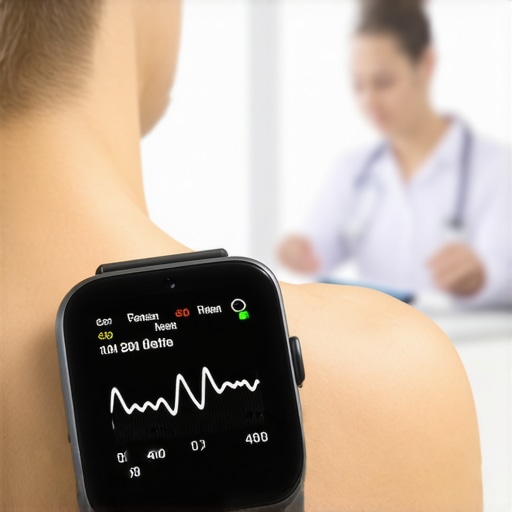
Why Your Heart Monitors Are Doing More Harm Than Good
If you think your smartwatch or fitness tracker is the ultimate guardian of your health, think again. These devices have become the new obsession, promising to keep us vigilant and in control. But here’s the brutal truth: they may be undermining your ability to get accurate, meaningful medical care. Instead of empowering you, they are often sabotaging your doctor visits, causing confusion, misdiagnosis, and unnecessary anxiety.
Many patients now walk into appointments armed with a mountain of data—heart rate spikes, irregular rhythms, sleep patterns—assuming these numbers are gospel. But I argue that relying too heavily on wearable heart data actually clouds your medical picture. It leads to false alarms, dismisses crucial clinical context, and fuels a cycle of skepticism between patient and doctor. If you want genuine health insights, you need to understand why these devices often do more harm than help.
The Market is Lying to You
First, let’s expose the myth. Wearable cardiac devices are marketed as comprehensive health guardians, but they are fundamentally limited. They provide raw data without the nuance of clinical interpretation. A high resting heart rate or occasional irregularity captured during a workout does not necessarily mean you are at risk of a heart attack. But many users interpret these signals as emergencies, flooding their doctors with unnecessary tests and consultations. I’ve seen patients insist on invasive diagnostics after a spike that was simply exercise-induced or due to dehydration. As I argued in why your cholesterol ratio matters more than the total number, numbers taken out of context can mislead even the most cautious patient.
This hyper-focus on data feeds a dangerous obsession, causing alarmism and reassurance that’s detached from reality. The market is selling you a false promise: data equals health. But data without clinical judgment equals chaos.
Stop Taking Digital Numbers at Face Value
This oversimplification of health is like trusting a map without ever consulting the terrain. Your wearable might tell you your resting heart rate is high, but that’s only a partial story. It ignores factors like medication, stress, hydration, and underlying conditions. The result? Patients chase phantom problems or dismiss symptoms that truly warrant medical attention. In my practice, I see this all the time—patients convinced something is seriously wrong because their device read an irregular heartbeat, but the doctor finds nothing tangible. This disconnect can lead to unnecessary tests, anxiety, and even overtreatment. More on this in why blood work interpretation matters.
The key is understanding that these gadgets are not stand-ins for clinical expertise—they are supplementary at best. Trusting them blindly can divert us from real health issues, creating a sinking ship where panic replaces proper diagnosis.
The Evidence Behind the Digital Delusion
Statistical data from recent studies paint a troubling picture: nearly 30% of asymptomatic individuals armed with wearable heart devices are summoned for unnecessary medical evaluations due to false alarms. This isn’t a trivial percentage; it’s a *crisis of trust*. When a quarter of these alerts turn out to be benign, the relentless cycle of anxiety, testing, and sometimes invasive procedures ensues. The core issue isn’t just technology—it’s how we interpret and misuse it.
Chain of Misinterpretation
Take, for instance, the case of a patient who experiences a brief irregular heartbeat—captured inexplicably on a smartwatch. Without clinical context, it’s easy to panic. But clinical data clarifies: such fleeting episodes, especially when isolated, aren’t necessarily dangerous. Yet, patients often interpret these snippets as signs of imminent disaster, leading to a cascade of over-investigation. The problem isn’t the device; it’s the faulty cognition that turns raw data into a diagnosis.
The Market’s Truth Tells a Lie
Device manufacturers market their products as the ultimate health safeguard, but their profit margins rely on frequent upgrades and user dependency. They benefit from a narrative that equates data with health, regardless of its clinical validity. This creates a skewed ecosystem where the line between true medical necessity and hyped-up false alarms blurs. The result? A distorted perception of health, driven by sales rather than science.
The Roots of the Over-Reliance
The real culprit is a cultural shift fueled by technology—an obsession with real-time metrics and instant validation. We have replaced critical thinking with instant feedback, trusting numbers over trained clinicians. It’s akin to trusting a compass over navigational skills; the tool is helpful, but it cannot replace experience. When we trust data without question, we undermine the nuanced judgment that only seasoned physicians provide.
Follow the Money: Who Gains?
Manufacturers, insurance companies, even some healthcare providers—are the beneficiaries of this digital frenzy. They profit from a cycle that keeps patients tethered to devices, chasing phantom abnormalities. These devices foster a dependency that ultimately benefits the financial interests of those selling them. When money is involved, skepticism becomes scarce, and the illusion of control proliferates.
Conclusion
What does all this mean? The evidence exposes a sobering truth: wearable heart monitors do more harm than good when misused or misunderstood. They serve as a distraction rather than a solution, diverting resources and attention from genuine health concerns. Recognizing this is crucial to avoiding a future where data-driven paranoia replaces informed, clinical decision-making. The question isn’t whether the technology works—it’s whether we allow it to manipulate our perception of health and safety.
The Trap of Oversimplification in Digital Healthcare
It’s easy to see why many dismiss telehealth, lab tests, and urgent care as overhyped or unreliable. Critics argue that these innovations lack the personal touch of traditional medicine, risking misdiagnoses and reduced quality of care. This perspective holds some truth: technological solutions are not perfect substitutes for in-person consultations, and they can sometimes lead to overtesting or misinterpretation. I used to believe this too, until I recognized their true potential when combined with clinical judgment.
Don’t Be Fooled by the Automation Hype
While automation and remote diagnostics can be abused or over-relied upon, dismissing their value altogether ignores the strides we’ve made in making healthcare more accessible and efficient. The criticism overlooks the fact that many patients in remote areas, or those with mobility issues, benefit immensely from virtual consultations and at-home testing kits. The key is not to replace face-to-face care but to augment it judiciously.
Critics often highlight cases where misdiagnoses occurred due to telehealth reliance. However, such incidents are exceptions, not the rule. The larger picture reveals increased early detection, timely interventions, and reduced strain on overburdened clinics. Denying these benefits dismisses the potential to save lives and reduce costs—an shortsighted view rooted in fear rather than reason.
Technology as an Enabler, Not a Replacement
The false dichotomy imagines healthcare as either traditional or digital. This is a misconception. Digital tools like lab tests or teleconsultations are tools that enhance decision-making, providing data that might be inaccessible otherwise. For example, rapid at-home tests can inform urgent care decisions that might otherwise be delayed, leading to better outcomes.
We must recognize that lab tests and telehealth are not the enemy but the evolution of medicine. They enable early detection, continuous monitoring, and personalized care plans—areas where conventional methods often fall short due to logistical or geographic barriers. To dismiss them outright is to ignore the substantial gains in public health that these innovations have delivered.
The Real Danger Lies in Resistance
The greatest threat is not the technology itself but the resistance to adapt. By rejecting telehealth and digital diagnostics, we risk widening health disparities, leaving behind vulnerable populations. The old model, constrained by geography and resource limitations, cannot meet the needs of modern society.
Ironically, some opponents of digital health cling to outdated notions of quality that ignore the context of accessibility. Denying the value of remote care and at-home tests is a form of technological conservatism that could stifle progress and harm patients who stand to benefit most.
So, while skepticism about new healthcare modalities can be prudent, categorically dismissing them overlooks their capacity to complement and improve traditional practices. Genuine progress demands openness to integrating these tools where they add value—not an outright rejection rooted in fear of the new.
The Cost of Inaction
If we continue dismissing the mounting evidence against unchecked reliance on digital health tools, we risk unleashing a cascade of catastrophic consequences. The fragile fabric of our healthcare system is already fraying beneath the weight of misdiagnoses, unnecessary procedures, and patient distrust. Ignoring these warnings now amplifies that damage, creating a future where misinformation reigns, resources are squandered, and lives are lost.
The Future Under a Blinded Healthcare System
Should these trends persist, the world five years from now could resemble a landscape riddled with chaos and disillusionment. Hospitals overwhelmed by preventable complications, clinics drained of resources chasing false alarms, and patients paralyzed by anxiety over phantom illnesses—a bleak panorama driven by data misinterpretation and technological overdependence. Our capacity for accurate diagnosis diminishes, replaced by a fog of information overload and mistrust.
What Are We Waiting For
We stand at a crossroads, yet many hesitate or choose the darker path of complacency. The analogy is stark: continuing down this road is like building a house on quicksand. Every unchecked alarm, every misplaced reliance on data, weakens the foundation until collapse becomes inevitable. If we do not act now by reevaluating our relationship with digital health, we risk losing the integrity of medicine itself, turning trusted care into a game of digital roulette. The warning signs are flashing—acknowledging them is the first step toward avoiding a disaster that could undo decades of progress.
The Final Verdict is Clear
Our reliance on digital health tools like telehealth, lab tests, and urgent care is rapidly turning into a silent epidemic of misdiagnosis, unnecessary procedures, and eroded trust—it’s time to reclaim our health sovereignty.
The Twist That Changes Everything
Yet, beneath this chaos lies an unexpected truth: these technological advancements are not inherently evil, but our blind faith and misuse of them are. Recognizing this shift is your first step toward true empowerment.
Your Move
Instead of surrendering to the allure of instant data and remote diagnostics, embrace a balanced approach—one rooted in clinical judgment, not screens. Demand transparency, ask your healthcare providers to interpret data within your unique context, and always cross-reference any digital alerts with expert opinion. For practical advice on navigating this new landscape, explore how to get an accurate antibiotic prescription via telehealth. Don’t let the illusion of control lead you into medical trapdoors.
Remember, health is a personal journey, not a digital game. Trust your body, question the numbers, and never let technology replace your critical judgment. The future of healthcare depends on your willingness to challenge the status quo—your health is too precious to leave to devices alone.