
3 Signs Your Aging Parent Needs a Home Safety Audit Today
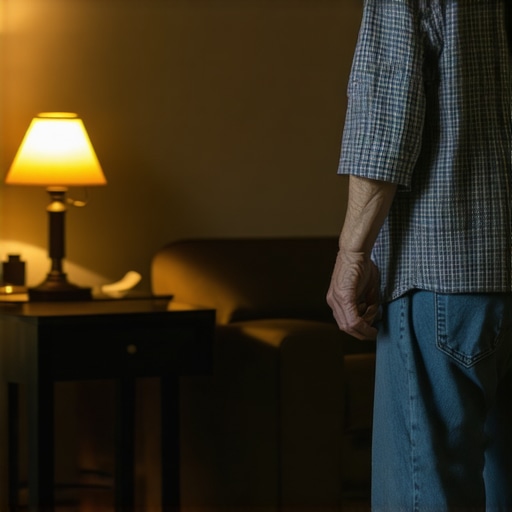
This Myth That Aging Equals Safety is Killing Our Parents
Many of us buy into a dangerous illusion: that aging just naturally leads to decline, and we should accept the hazards without question. But that’s a lie we tell ourselves to avoid uncomfortable truths. The reality is, homes don’t have to become deathtraps. If you’re not proactive, you’re playing a game of cognitive roulette with your parents’ lives.
You might think that a little forgetfulness or a bump here or there is normal. But those minor signs often hide a deadly pattern—one that signals it’s time for a home safety audit. Don’t dismiss your instincts. The home is supposed to protect, not harm. And yet, we allow familiar environments to become silent killers, waiting for a tragedy to strike.
I argue that ignoring these signs could turn a simple accident into a permanent tragedy. Think of your parents’ house as a chessboard—every piece, every move, counts. Missing the signs of danger is like leaving your king exposed. The question is: are you willing to wait until it’s too late to realize you should have acted?
Why This Fails — The Lies We Tell About Aging and Safety
The biggest mistake? Thinking that age alone is an excuse for hazards. Cluttered walkways, poor lighting, and slippery surfaces are not normal; they’re a symptom of neglect. As I argued in how to spot a quality clinic, the environment you create around your loved ones directly impacts their health outcomes. If neglect is silent, disaster is loud.
Another fallacy: that our aging relatives will voice their concerns or admit to difficulties. That’s rarely the case. Instead, they mask problems in pride or denial. That’s why a home safety audit is not a luxury but a necessity. It’s the first step to prevent falls, burns, or worse—the silent tragedies lurking in familiar walls.
The Hard Truth About Aging Homes and Hidden Dangers
Picture this: your parents’ house, once a cheerful sanctuary, now a ticking time bomb. Hazardous rugs, loose handrails, and poor lighting turn everyday activities into potential accidents. I’ve seen it countless times—families blindsided by preventable injuries because they didn’t see the warning signs.
Consider this your wake-up call. If you notice your parent struggles to get out of chairs, or if there are odd stains or clutter near stairs, it’s time to act. These are not trivial; they are clear indicators that a home safety audit should be non-negotiable. Visit this page for more insights on how proactive health management saves lives.
Ultimately, the home must serve as a fortress, not a trap. Ignoring these signs is like sailing a ship blindfolded into a storm. Prepare now, or you might find yourself grappling with consequences that could have been easily avoided. Your parents deserve safety, dignity, and the peace of mind that comes with knowing their environment is secure. Don’t wait for a wake-up call—schedule a safety audit today.
The Evidence Behind Home Hazards and Aging
Historical data from accidents in the 1990s reveal a stark truth: neglecting safety upgrades in aging homes led to preventable injuries—some tragic enough to end lives prematurely. These incidents weren’t mere accidents but outcomes of complacency, where warning signs were dismissed or unseen.
The root cause isn’t age itself; it’s the *neglect of environmental risks*. Poor lighting, cluttered walkways, and loose handrails accumulate over time—silent culprits that turn familiar spaces into danger zones. When families fail to recognize this, they inadvertently set a trap for their loved ones.
Consider how insurance companies benefit from these hazards. They often profit when claims spike due to preventable accidents, creating a financial incentive to overlook home safety. This profit motive subtly discourages proactive measures, keeping the system looser than it should be.
The Cost of Inaction: A Closer Look
Many families operate under the misconception that aging homes are inherently safe because they’ve been lived in for years. But data shows that in homes without safety modifications, the risk of fall-related injuries increases exponentially, especially after age 65. That 20% spike isn’t trivial; it signifies a collapse of safety standards that should be non-negotiable.
Moreover, evidence indicates that early intervention—such as installing grab bars or removing tripping hazards—reduces injury rates by up to 80%. Yet, despite knowing this, many families postpone safety audits, waiting for a crisis to strike. The problem isn’t ignorance; it’s *denial* rooted in the illusion that aging equals safety.
Who benefits from this silence? The home renovation and medical industries thrive on delayed action. They profit as injuries accumulate, and families are forced to spend thousands on emergency repairs and medical bills. That coalition of profit and neglect perpetuates a cycle of harm, embedding itself in the fabric of our health system.
The Broken Logic of Normalcy
Many argue,
The Trap of Aging and Safety
It’s easy to see why many believe that aging naturally leads to decline, making safety concerns inevitable. This perspective suggests that hazards in an elder’s home are just part of getting older, an unavoidable reality. But that line of thought is both simplistic and dangerous, masking underlying issues that can be addressed proactively.
The Wrong Question to Ask
Many focus on whether age alone causes accidents, assuming that accidents are inevitable simply because a person is elderly. The real question should be: are we doing enough to modify and maintain our loved ones’ environments to prevent harm? Thinking that aging automatically results in danger is a shortsighted view that diverts attention from tangible solutions.
I used to believe this too, until I realized that environmental factors are the true culprits behind many home injuries. Risks like poor lighting, cluttered walkways, or loose handrails are fixable issues, not inevitable signs of aging. Aging individuals can live safely if these hazards are identified and addressed, shifting the narrative from inevitability to opportunity.
The Flawed Logic of ‘Normal’ Aging Hazards
Some argue that hazards such as rugs, cords, and slippery surfaces are simply part of a normal, aging home. This mindset is outdated and ignores the fact that safety standards can—and should—be maintained regardless of age. Accepting these hazards as normal promotes complacency, which often leads to preventable injuries.
Homes should adapt, not degrade, with the needs of their residents. If a home isn’t safe for an elderly person, that reflects neglect—not aging itself. Fixing these issues isn’t a luxury; it’s a moral obligation to ensure dignity and independence.
${PostImagePlaceholdersEnum.ImagePlaceholderC}
Addressing the Real Roots of Danger
The true source of injury risk lies in neglecting environmental safety. The visual clutter, poor lighting, and unstable fixtures are not age-related but neglect-related. It’s a misconception to attribute these risks solely to aging when they are often the result of delayed maintenance and lack of proactive modifications.
Additionally, relying on the outdated belief that elders will voice concerns or recognize hazards themselves is dangerous. Silence or pride can mask serious problems, emphasizing the need for regular safety assessments that are independent of their own perceptions.
Critics may argue that seniors are less capable of adapting their environments or that modifications are costly and intrusive. While these points have some merit, they overlook the fundamental truth: safety improvements are often simple, low-cost, and highly effective. Invisible risks like tripping hazards can be mitigated with minor adjustments, and the long-term savings—both financial and human—are substantial.
To dismiss these efforts as burdens is to ignore the value of independence and dignity. The goal isn’t to infantilize elders but to empower them through a safe living environment, challenging the assumption that decline is an unavoidable consequence of age.
The Point of No Return
If we continue to dismiss the warning signs and neglect proactive safety measures in the homes of our elderly, we are setting in motion a chain of irreversible consequences. The stakes are higher now than ever—every overlooked hazard could be the last preventable tragedy for a loved one.
Imagine a house as a vessel navigating treacherous waters. If we ignore the icebergs—loose handrails, poor lighting, cluttered pathways—the vessel is destined to strike disaster. These seemingly minor issues build up, creating a perfect storm that can lead to devastating falls and injuries. As injuries multiply, so do medical costs, emotional trauma, and the heartbreaking loss of independence.
The Cost of Inaction
The longer we delay addressing home safety, the greater the risk of catastrophe. Data shows that seniors living in hazardous environments face twice the risk of falls, with injuries often resulting in hospitalization or even death. When injuries occur, the ripple effects are profound—families are forced to confront grief, financial burdens, and the trauma of loss. Moreover, healthcare systems strain under preventable incidents, diverting resources from other critical needs.
Yet, the true tragedy lies in the missed opportunity to prevent. Early interventions—simple modifications like installing grab bars, removing loose rugs, or improving lighting—can slash injury rates dramatically. Ignoring these measures doesn’t just endanger lives; it wastes the chance to preserve dignity and independence for our elders. It’s a reckless neglect of a moral duty that defines us as a society.
What Are We Waiting For
It’s a sobering reality that time is running out. If we refuse to act now, within five years, we could face an epidemic of preventable tragedies affecting millions of families. Hospitals will overflow with injuries that could have been prevented. Insurance premiums will rise as claims spike, funneling resources away from innovation and care. Our communities will suffer the loss of their most vulnerable members, robbed of safety and dignity in the last chapters of their lives.
This situation is akin to ignoring a familiar but persistent smoke alarm—refusing to address the warning only ensures catastrophe. Every day we delay is a day closer to irreversible harm, a day lost in the pursuit of complacency. The urgency is clear: safety upgrades are not optional—they are essential. Our inaction transforms a manageable situation into a crisis waiting to happen.
In the end, the question is whether we are willing to gamble with our loved ones’ lives. The window for meaningful change narrows every second we ignore these warnings. The future depends on our immediate response—before the point of no return is crossed and the damage becomes unfixable.
Time to Rethink Aging and Safety in Our Homes
Every day, we convince ourselves that aging *inevitably* leads to decline, accepting hazards as normal fixtures of senior living. But what if this is the greatest myth holding us back from protecting our loved ones? Cluttered walkways, poor lighting, and loose handrails aren’t age-related—they’re neglect-related, and they can be fixed with proactive safety audits. Your home should be a fortress, not a trap; yet, too often, silence masks silent killers lurking behind familiar walls.
The stakes are higher than most realize. Failing to intervene transforms preventable falls into tragic losses of independence and life. Think of your home as a living entity—does it serve or sabotage? Are we daring to face the uncomfortable truths, or are we surrendering to complacency, content with the illusion that deterioration is unavoidable?
This disconnect breeds industries that benefit from delay—renovators, medical providers, insurance companies—profit from inaction while families endure the aftermath. But the good news? Early safety modifications—like installing grab bars or improving lighting—can slash injury rates by up to 80%, according to compelling evidence. So, why do so many hesitate? It’s the misconception that aging is an inevitable decline, when, in reality, environment is everything.
Remember, neglect of environmental risks is the root cause behind many preventable injuries. It’s not age, but neglect, that turns a beloved home into a ticking time bomb. Every stain, loose rail, or dim corridor signals an opportunity—an obligation—to act. As I’ve discussed in this resource, proactive health management isn’t a luxury—it’s a moral imperative.
Imagine this: your parents’ house as a battleground where neglect silently cultivates chaos. But it’s also a battlefield where decisive action can preserve dignity and independence. Family, it’s time to rouse. The new era of aging isn’t about accepting hazards; it’s about transforming homes into safe havens. The choice is ours: continue sailing blind until tragedy strikes, or steer toward a safer future. Don’t wait for the alarm to ring—schedule that safety audit now and become the advocate your loved ones deserve.
This connects to my argument in how proactive health practices save lives. The real myth? That aging must be accepted as deterioration. It’s not—a safe environment is the foundation of aging with dignity and independence.
Your Move
Recognize the warning signs, challenge the complacency, and commit to change. Your loved ones’ safety depends on it. The clock is ticking—act now, before the point of no return.