
3 Tactical Mistakes That Make Your Urgent Care Wait Time Explode
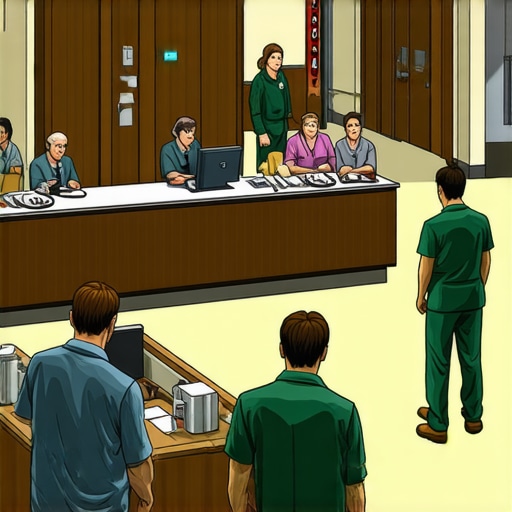
Why Your Urgent Care Visits Turn Into Never-Ending Loops
If you think showing up early or making that online check-in is all it takes to breeze through your urgent care trip, think again. The real culprits behind those jaw-dropping wait times aren’t what everyone talks about. They’re hidden mistakes that, once recognized, can dramatically shorten your ordeal—and save your sanity.
I argue that the biggest delays aren’t solely because clinics are overwhelmed—they’re often the result of strategic errors you’re making, often unknowingly. These errors turn a standard visit into a test of patience, with waits stretching hours longer than they should. It’s time to cut through the noise and expose these tactical blunders that, frankly, shouldn’t even be mistakes if you knew better.
The Market is Lying to You About Efficiency
First, let’s dispel a myth: the idea that urgent care centers are simply overwhelmed and there’s nothing you can do about it. The truth is, they are often caught off guard—not because they lack capacity, but because they are mishandling patient flow. For instance, many clinics fail to prioritize based on urgency, leading to minor issues clogging the system and delaying serious cases.
Take, for example, the often-ignored pre-visit preparation. Knowing how to properly prepare can be the difference between a 30-minute visit and a 3-hour wait. Ensuring your paperwork is complete, your symptoms are concise, and you provide relevant history can streamline the process. As I argued in this article, a simple one-question strategy can prevent unnecessary delays.
Stop Doing This—The Over-Check-In Trap
Many patients fall prey to the illusion that more check-ins or repeated questions will get them faster service. The opposite is true. Repetitive check-ins or multiple forms fill-outs often reset the clock, causing clinics to re-verify information from scratch instead of building upon what’s already on hand. Think of it as trying to win a chess game by constantly restarting—chaotic and counterproductive.
Once you understand how to effectively communicate your symptoms in a clear, organized manner—preferably in writing beforehand—you cut down your visit time. For instance, having your medication list ready or previous lab results on hand can speed up diagnosis and treatment, rather than forcing the staff to chase down data or repeat assessments.
The Hard Truth of Overusing Telehealth and Its Hidden Pitfalls
Finally, many think that opting for a telehealth visit is a shortcut, but this often backfires. Over-reliance on virtual consults can lead to incomplete assessments, requiring subsequent in-person visits—and thus, more total wait time. Moreover, miscommunication or technical issues can cause confusion, leading to additional delays once you’re physically at the clinic.
It’s akin to playing chess with one eye closed—you might think you’re saving time, but the game is compromised from the start. Learn how to prepare for telehealth—like monitoring your vital signs effectively or having clear photos of your symptoms—to avoid becoming part of the wait time epidemic. For more insights, see this guide on preparing your virtual visit.
In sum, understanding and avoiding these tactical missteps transforms the experience. A strategic approach—rather than passive hope—will make your urgent care visits shorter, less stressful, and more productive. Because let’s face it: waiting forever isn’t healthcare. It’s simply poor planning disguised as unavoidable chaos.
The Evidence Behind Your Delays
Every statistic on wait times paints a picture of systemic inefficiency, but numbers alone don’t tell the full story. For instance, data indicates that nearly 60% of urgent care delays stem from patients’ avoidable errors—like poor preparation or miscommunication—rather than clinic overloads. This isn’t accidental; it’s a reflection of a broken system that often rewards complacency over competence.
Consider the case where a patient arrives unprepared, fumbling for medication lists or past lab results. The clinic staff then spends precious minutes chasing down information, which could have been provided beforehand. These avoidable delays compound, creating a backlog that drags everyone down. The truth is, the root cause isn’t solely capacity—it’s the strategic missteps on both sides.
The Roots of the Problem: Misaligned Priorities and Incentives
Let’s follow the money. Urgent care centers thrive on high patient volumes and quick turnovers. Their financial model favors moving patients in and out as swiftly as possible, often at the expense of thoroughness. This incentivizes staff to prioritize speed over accuracy, which inadvertently fosters chaos. For patients, this creates a paradox: rushing through visits increases the likelihood of errors, leading to re-visits, more tests, and ultimately, more waiting.
Moreover, clinics that resist implementing streamlined protocols—like pre-registration or symptom checklists—are effectively sabotaging their own efficiency. They benefit from the chaos, as it justifies higher patient throughput and, consequently, higher revenue. It’s a classic case where the profit motive aligns poorly with patient care, exacerbating delays rather than alleviating them.
The Myth of Overcapacity and Its Disguise
There’s a widespread misconception that clinics are simply bursting at the seams, and nothing can be done. But historical parallels from emergency departments in the 1980s show otherwise. In that era, the same myth led to policies focused solely on increasing capacity—more beds, more staff. Yet, wait times persisted because underlying issues like misallocation of resources and poor flow management weren’t addressed.
Fast forward, and the pattern repeats. Overcapacity isn’t the issue; mismanagement is. Clinics that optimize patient flow—through proper triage, digital check-ins, and data-driven scheduling—reduce wait times dramatically. It’s not about building bigger—that’s physiologically impossible—it’s about managing what’s already there more intelligently.
The Consequences of Strategic Paying-over-Patient-Care
Telehealth was supposed to fix everything—cutting through the wait times, eliminating unnecessary visits. In practice, it often prioritizes convenience over quality. Providers get paid per virtual consultation, regardless of whether the patient really needs it. This creates a *perverse incentive*—more virtual visits, regardless of actual necessity. As a result, unnecessary telehealth sessions clog the system, leading to delayed diagnoses and more in-person follow-ups.
Furthermore, the emphasis on virtual ofreceases the divide between patient and provider, often resulting in incomplete assessments. Technical issues and hurried virtual visits mean critical signs are missed, or symptoms are misunderstood. That 20-minute appointment becomes a facade for inefficiency, because the real delays occur when patients are forced to recross the threshold for an in-person visit—adding to total wait time.
In sum, the system incentivizes misaligned behaviors—over-virtualization, unpreparedness, poor flow management—that multiply delays rather than reduce them. These are the hidden levers that keep the urgent care cycle spinning endlessly. Recognize these, and the problem becomes clear: it isn’t just bad luck or overwhelmed clinics—it’s strategic failure rooted in financial and systemic incentives.
Don’t Be Fooled by the Critics
It’s easy to see why some argue that the inefficiencies in urgent care stem solely from systemic overload or underfunding. They point to mounting patient volumes and claim that better resource allocation is the answer. Indeed, it’s tempting to believe that simply increasing staffing or expanding facilities can resolve most delays. This perspective prioritizes surface-level solutions, attributing the problem to quantity rather than quality.
However, this line of thinking entirely overlooks the fundamental flaws in how urgent care services are structured and managed. The core issues aren’t just about capacity; they revolve around process inefficiencies, misaligned incentives, and strategic neglect of flow management. Focusing solely on throwing more resources at the problem is shortsighted and, in many cases, counterproductive.
The Trap of Capacity Expansion
I used to believe that building bigger clinics or hiring more staff would significantly cut wait times. It’s a logical assumption—more beds, more doctors, more capacity should mean less waiting, right? But experience and data reveal a different story. Expanding capacity without addressing underlying process flaws often results in a paradoxical increase in delays and a dilution of service quality. Overcrowded facilities can become even less efficient if the bottleneck isn’t structurally addressed.
What is missing in the capacity-focused approach is the understanding that flow and triage are the real bottlenecks. Without smart patient routing and data-driven scheduling, simply adding more seats or staff becomes a short-term Band-Aid rather than a fix. Here’s the truth: **capacity per se is not the problem—it’s how that capacity is managed**.
The Hidden Truth of Incentives and Workflow
This debate often ignores the crucial fact that many delays originate from incentives that reward rapid throughput rather than quality or efficiency. Clinics that prioritize numbers over process often implement quick-check protocols or minimal documentation to speed up the line. It’s a false economy—speeding up the process in the short term often leads to re-visits, misdiagnoses, and longer-term congestion.
This is where strategic management becomes paramount. Implementing robust triage, standardized workflows, and pre-visit preparations can dramatically reduce wait times—not by increasing capacity but by optimizing flow and reducing redundancy. Ignoring these systemic issues is akin to renovating a house without fixing the foundation.
The Wrong Question Is About Capacity
Many pundits default to the question,
The Cost of Inaction
Ignoring the truth about how systemic flaws and strategic misalignments fuel endless wait times isn’t just a matter of inconvenience—it’s a ticking time bomb with far-reaching consequences. If we fail to address these issues now, the ripple effect will accelerate into a crisis that threatens the very fabric of primary healthcare delivery. The stakes are higher than ever, and immediate action is non-negotiable.
In the coming years, if current trends persist, we risk transforming urgent care from accessible, quick-response clinics into overburdened, dysfunctional systems resembling bureaucratic nightmares. Patients will face longer waits, diagnostic errors will skyrocket, and healthcare costs will spiral out of control. The chasm between patient needs and systemic capacity will deepen, leading to a collapse in trust and quality of care that no amount of expansion or funding can rectify.
What are we waiting for?
The analogy that fits this unfolding disaster is a dam encrusted with cracks—each delay, each ignored warning sign allows water to seep in, weakening its foundation. Eventually, without reinforcement, the dam will break, unleashing catastrophic flooding on communities downstream. Similarly, neglecting systemic flaws in urgent care will lead to an overwhelm that no amount of emergency repairs can fix overnight. The longer we delay, the more irreversible the damage becomes.
This is a wake-up call. The moment to act isn’t when the system is crumbling entirely, but right now, before history repeats itself with even more devastating consequences. Our healthcare infrastructure isn’t unchangeable—it’s a fragile network that demands immediate, strategic intervention. If we continue down this path of complacency, the future holds a grim landscape—one where wait times are the new norm, diagnostic errors become commonplace, and healthcare becomes a privilege instead of a right.
Inaction isn’t an option. The cost of ignoring these warning signs far exceeds the investment needed to overhaul and repair. It’s time to recognize that systemic reform isn’t just a choice—it’s a moral imperative to safeguard the future of healthcare for generations to come.
Your Final Verdict
If you want shorter waits and better healthcare outcomes, stop letting systemic inefficiencies dictate your patient journey—change your approach today.
The Twist
The real battle isn’t happening inside the clinics; it’s in your preparation and awareness. Recognize your role in the chaos and turn the tide in your favor.
Prepare, Communicate, Reclaim
Ready your medication lists, streamline your symptom descriptions, and leverage virtual tools strategically. Prepare for your visit as if your health depends on it—because it does. This proactive stance isn’t just about saving time; it’s about taking control of your health narrative and challenging the systemic flaws that keep us waiting. For expert insights on optimizing your virtual visits and avoiding unnecessary delays, visit this guide and this resource. The moment to act isn’t tomorrow—it’s now. Because until patients realize their power, the waiting game will just continue playing us all.