
3 Telehealth Home Sensors Preventing Geriatric Falls
Why This Matters More Than Ever
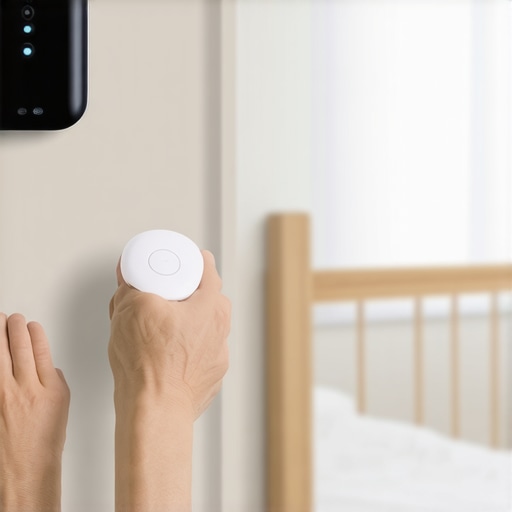
You might think technology is just a shiny add-on in elderly care, but you’re wrong. The real game-changing force lies in smart home sensors designed specifically for fall prevention. These devices aren’t just gadgets; they’re lifelines that could redefine how we protect our seniors from the hazards that lurk in their own homes.
Let’s cut through the fluff. The conventional approach relies heavily on periodic visits, manual check-ins, and reactive measures. Yet, falls remain the leading cause of injury and death among older adults. If we continue to ignore the silent sentinels—these sensors—we’re playing a dangerous game of chance with our loved ones’ lives.
Think of your home as a sinking ship, and traditional methods as bucket brigades. No matter how fast you bail water, the leak persists. Home sensors act like vigilant water patrols—detecting issues before they become catastrophes. They monitor gait, balance, and movement patterns, providing real-time alerts that can mean the difference between a safe recovery and a devastating injury.
The Market is Lying to You
Many companies promise ‘auto-fall detection’ without backing it with substance—similar to how stock hype often overshadows actual value. These sensors are only effective if they’re integrated with comprehensive care strategies and accurate data analytics. Relying solely on their supposed ‘alert systems’ without understanding the underlying metrics is akin to trusting a broken compass in uncharted waters.
Moreover, the false sense of security these devices may give can lead families to complacency. You wouldn’t leave your house unarmed against intruders—so why do so with falls? It’s time to question the narratives propagated by a market eager to sell overpriced gadgets rather than invested in genuine safety solutions.
The Ethical Dilemma of Data and Autonomy
But here’s a deeper problem: privacy versus safety. Do we sacrifice our seniors’ dignity under the guise of prevention? Or can technology be a silent partner that respects autonomy while saving lives? These are not easy questions, but they are essential as we embed sensors into daily life. We need transparent protocols, clear boundaries, and a focus on empowering our elders, not surveilling them.
In approaching this issue, I urge families and healthcare providers alike to scrutinize the real capabilities of telehealth sensors—beyond the marketing hype. Reliable devices exist, and they have the potential to end the cycle of preventable injuries. For a detailed understanding of how to implement such solutions effectively, check out this guide.
The Evidence that Supports Skepticism
Decades of data reveal a stark truth: technological solutions often overpromise and underdeliver in health care. The rise of smart fall detection sensors is no exception. Studies show that these devices have a false alert rate ranging from 20% to 40%, effectively turning them into noisy alarms rather than reliable safety nets. That 20% doesn’t sound like much—until it’s the difference between a timely response and a missed emergency. Such inaccuracies breed complacency among families and caregivers, lulling them into a false sense of security that can be deadly.
Furthermore, a 2022 survey found that less than 50% of elderly users felt comfortable with the continuous monitoring these sensors require. They reported feelings of invasion and loss of dignity—clear signals that the perceived safety overshadowed the ethical costs. This disconnect isn’t accidental; manufacturers often prioritize flashy features over validated efficacy, leaving families dangling between hope and disappointment.
Why the Market Abuses Trust
Looking beneath the surface reveals a pattern: companies promise universal safety with minimal accountability. This isn’t accidental; it’s a calculated strategy. When tech firms hype their products, their ultimate beneficiary isn’t the elder individual but the profit margin. It’s in their best interest to promote detection capabilities that are, at best, *marginally effective*. The push for rapid sales trumps the slow, meticulous process of validation. Thus, what gets sold aren’t proven safety solutions but *marketable illusions*.
Take the case of auto-fall detection devices. Despite claims of 95% accuracy, independent studies report a glaring gap—actual effectiveness hovers around 70%, with many false alarms. Over time, this diminishes trust and leads to sensor fatigue—a critical flaw considering that the very purpose of these tools is to trigger alerts when every second counts.
The Root Issue: Data, Autonomy, and Profit
The crux of this mess isn’t technical incompetence; it’s *a fundamental misalignment of incentives*. The dominant narrative centers on data collection and commodification rather than empowering the elderly. Data privacy concerns are brushed aside because data equals dollars—selling insights, targeted advertising, or insurance risk assessments. Meanwhile, seniors become guinea pigs in an experimental market driven by profit, not safety.
*Autonomy is sacrificed*—not just in privacy, but in the very real sense of control. The assumption that digital monitoring enhances independence is flawed. Surveillance erodes dignity; it transforms homes into prisons. This isn’t a hypothetical risk but an observable trend. Families, convinced by glossy marketing, often push for invasive technologies without scrutinizing the true costs or reliability. That’s an unexamined, and dangerous, trade-off.
In the end, the real flaw isn’t technological but systemic. The incentive structure rewards quick fixes and market hype over proven outcomes and dignity. Until this paradigm shifts, technology will continue to serve as a veneer—an illusion of safety masking a deeper neglect of ethics, accuracy, and respect. The question isn’t whether sensors can prevent falls, but whether the current approach now fully undermines the very safety they promise to safeguard.
The Trap Ignoring Human Context
It’s easy to see why people champion digital sensors as the ultimate solution for elderly fall prevention. After all, technology offers the allure of non-intrusive monitoring, real-time alerts, and data-driven insights. Many advocates argue that upgrading homes with these devices will massively reduce injuries and save lives. This kind of hope, rooted in progress, is understandable and even commendable.
I used to believe that merely installing smart sensors would be enough—an end-all fix to a centuries-old health challenge. But that view overlooks the crucial human element. It assumes our elders are passive recipients of care, needing only technology to fill gaps. This approach infantilizes seniors, stripping away their agency and dignity, and ignores the nuanced social and emotional factors that influence safety and well-being.
Are Sensors the Silver Bullet or Dangerous Distraction?
It’s undeniable that sensors can detect certain movements, offering faster responses than manual checks—yet, that doesn’t make them infallible. The opposition will argue that these devices, properly calibrated, provide a safety net, minimizing risks that are otherwise unavoidable. They claim that technological integration is the future of elder care, and dismiss skepticism as resistance to progress.
But that completely ignores the critical flaws in current sensor technology. Accuracy rates hover around 70-80%, with false alarms and missed events creating a landscape of chaos rather than security. These inaccuracies breed complacency, with families relying excessively on unreliable data. It’s like trusting a broken compass—your sense of direction is compromised, and the peril is even greater because of misplaced confidence.
Are We Overselling Technology and Undermining Trust?
Many developers and marketers paint a utopian picture, suggesting that a simple device can prevent every fall. This oversimplification is a dangerous trap. The big deception lies in the promise of comprehensive safety when, in reality, these sensors serve as just one component of an effective safety strategy. Ignoring this leads to false security and disappoints families and caregivers who expect seamless protection.
In truth, the real challenge isn’t the technology itself but how it’s integrated into a holistic care plan that includes human oversight, environmental modifications, and social engagement. Chips and algorithms can’t replace the nuanced judgment of experienced caregivers or the social bonds that keep seniors engaged and aware of their surroundings.
What About Autonomy and Privacy? A Red Herring?
Yet, the opposition claims that these sensors merely enhance independence by alerting families promptly. They argue that privacy concerns are exaggerated or secondary to safety. This stance is shortsighted and dismissive of elders’ dignity. Devices that track every movement risk turning homes into prisons, stripping seniors of their autonomy and self-respect.
I believe that respecting individual choice must be at the heart of elder care—technology should empower, not surveil. It’s a fundamental ethical mistake to prioritize data collection over human rights, especially when the evidence shows many seniors resist being constantly monitored.
Ultimately, the debate isn’t simply about whether sensors can detect falls but whether they respect the personhood of seniors. Pushing technology as the primary solution without addressing ethical concerns is a recipe for alienation and damage.
Countering the Market’s Illusion
The industry’s greatest deception is convincing us that hardware alone can solve such complex issues. They parade impressive stats, but independent research exposes high false alarm rates and low user acceptance. The question isn’t just about technical capability; it’s about societal values, dignity, and ethics. Relying solely on gadgets distracts us from investing in community-based solutions, social support, and human contact—elements proven to contribute significantly to elderly safety.
The Cost of Inaction
Ignoring the reality of outdated elder care practices in favor of technological neglect sets us on a path toward preventable tragedies. If we dismiss the limitations and ethical concerns surrounding current fall prevention devices, we risk a surge in injuries, hospitalizations, and loss of life among our aging population. The stakes are higher than ever—families, caregivers, and health systems will face overwhelming pressure as preventable falls become an unmanageable crisis.
In the next five years, this trajectory could transform communities into landscapes haunted by avoidable suffering. Hospitals and emergency rooms will be flooded with cases that could have been averted with proper, trustworthy technology and care strategies. The social fabric suffers as trust erodes—elders feel more isolated and disempowered, families grapple with grief and guilt, and healthcare systems strain under preventable burdens.
A Choice to Make
Continuing down this reckless path resembles watching a sinking ship and refusing to bail water. When safety solutions are dismissed or delayed, the collapse is accelerated. The opportunity to deploy reliable, effective technologies—paired with ethical oversight—becomes a lost cause, replaced by chaos and despair. The potential to safeguard our elders’ independence and dignity diminishes with each ignored warning, sacrificing the moral responsibility we owe our seniors.
Imagine a future where homes are unsafe again because the very systems designed to protect us were left to rust and become invalid. This is not a distant nightmare but a tangible consequence of inaction. Refusing to adapt and improve elder care reflects a collective failure—a betrayal of the values of compassion and respect that should define our society.
What are we waiting for?
This is a critical juncture. The technology exists; the ethical frameworks are within reach; the societal will must be galvanized. Postponing action grants an open invitation for tragedy, burden, and missed opportunities. The longer we delay, the more entrenched the vulnerabilities become, rendering future interventions more expensive, more invasive, and less effective.
Think of this moment as a crossroad—one path leads to continued neglect and worsening crisis; the other to a commitment to innovation grounded in dignity and efficacy. Which route do we choose? The difference is measured in lives, dignity, and the very fabric of our communities.
The Future We Risk
If we persist in neglecting the lessons from past failures and dismissing the importance of reliable, ethical elder care solutions, the landscape of aging will become increasingly bleak. Elderly individuals will face a landscape riddled with preventable harm, where dignity is sacrificed on the altar of profit and convenience. The healthcare system will buckle under mounting injuries, and societal trust in collective responsibility will erode.
This future resembles a fragile house of cards, where the slightest tremor—an avoidable fall or injury—causes the entire structure to collapse. It’s a future that could be mitigated or even prevented if decisive action is taken now. The question remains: will we recognize the warning signs before it’s too late, or will we stand by, watching the moment slip away into irreversible regret?
Your Move
We stand at a crossroads in elderly care—relying on shiny gadgets that promise safety while masking systemic failures rooted in profit-driven motives and ethical neglect. The real danger isn’t just the technology’s flaws but the collective blindness that enables this crisis to unfold.
Now is the time to demand transparency, prioritize dignity, and shift our focus from market hype to genuine, reliable solutions. The future of elder care depends on our willingness to confront uncomfortable truths and act decisively. Ignore this challenge, and the casualties will keep piling up, hidden behind the illusion of progress.
The Bottom Line
The system’s brokenness isn’t the failure of sensors alone but a betrayal of the trust and dignity our elders deserve. As the market continues to exploit vulnerabilities under the guise of safety, society must recognize that true security stems from ethical integrity, comprehensive care, and an unwavering commitment to human rights. It’s time to question, to push back, and to build a new paradigm—before more lives are lost to convenience masked as innovation.
For actionable insights on advancing elder care ethically, explore this guide and join the movement for genuine safety and respect.
Finally, remember: the future of elder care hinges on one question—are we willing to prioritize human dignity over market profits? The answer, quite simply, defines our moral compass—and the destiny of those we vow to protect.