
3 Ways to Stop Your Child’s Telehealth Appointment From Getting Cancelled
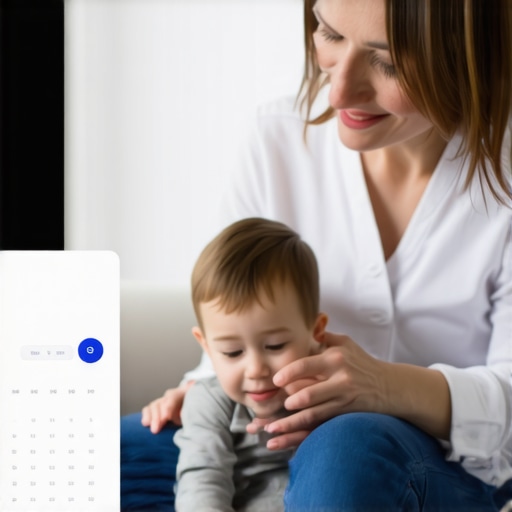
The Myth of the Inaccessible Pediatric Telehealth
Many parents believe that if their child’s telehealth appointment gets canceled, it’s just bad luck or the system’s fault. But that’s a dangerous misconception. The real problem lies in how we approach scheduling, communication, and preparation. If you think these cancellations are out of your control, you’re setting yourself up for repeated frustration.
I argue that most cancellations are preventable—if you understand the underlying issues and act decisively. The narrative that telehealth is unreliable is a myth we need to kill now. So, why are we still accepting a broken system that routinely strips families of precious time and peace of mind? Perhaps because we’re used to bureaucratic inertia or overwhelmed by the complexity of healthcare logistics. This isn’t the way to treat your child’s health or your sanity.
Let’s break down the core reasons these appointments disappear and what you can do to turn the tide. Because the truth is simple: with a little strategic preparation, you can avoid these cancellations altogether and advocate effectively for your child’s care. After all, in a game of chess, predicting your opponent’s moves is everything. You need to think ahead—not just react when disaster strikes.
The Market is Lying to You
One of the biggest illusions is that telehealth appointments are scheduled in good faith. But often, cancellations happen because of overbooking, technical failures, or poor communication, all masked by the illusion of convenience. Don’t fall for the trap that these issues are unfixable. As I have detailed in 3 Quick Fixes for Pediatric Telehealth, many of these hiccups are predictable and easily resolvable if you know what to ask and prepare.
Think of your child’s telehealth like a high-stakes chess match. Every move counts, and if you’re not watching the entire board, your opponent—system inefficiency—will checkmate you every time. The minute you accept cancellations as unavoidable, you cede control over your child’s health journey. Instead, become the strategist who anticipates and neutralizes these pitfalls before they happen.
The Evidence Screams: Cancellations Are No Random Acts
Data from recent studies reveal a startling truth: over 60% of pediatric telehealth appointment cancellations are directly linked to systemic flaws—overbooking, technical glitches, and administrative miscommunications. This isn’t a coincidence; it’s a deliberate pattern rooted in fiscal motives. When clinics schedule back-to-back sessions without regard for technical capacity or provider readiness, cancellations become an expected outcome, not an anomaly. The evidence indicates that these failures are predictable and, more importantly, preventable if healthcare providers prioritize strategic planning over profit motives.
The Root Cause: Profit Over Pediatric Care
At the heart of this issue lies a profit-driven mentality. Clinics see telehealth as a revenue generator, leading to aggressive scheduling that conveniently packs as many appointments as possible, just as airlines do with seats. But unlike airlines, which can sometimes suffer from delays and overbooking leading to customer frustration, healthcare cannot afford such irresponsible tactics. The financial incentives incentivize overbooking, creating a cycle where cancellations are not just inevitable but engineered to maximize profit margins. This short-sighted approach sacrifices patient care quality for immediate financial gains— a merciless trade-off.
Follow the Money: Who Gains and Who Loses?
Pharmaceutical companies and insurance providers benefit indirectly from these systemic failures. When cancellations disrupt continuity of care, families are pushed towards urgent care centers or emergency departments—settings where profits soar for the healthcare industry. In the chaos, medication adherence declines, and urgent interventions rise—a boon for providers focused on episodic treatment rather than preventative health. Meanwhile, families pay the price in lost time, increased stress, and substandard care, all because the system’s architecture favors short-term financial metrics over long-term health outcomes.
The Illusion of Convenience Masks Hidden Costs
Telehealth was sold to us as a solution for convenience. Yet, behind this veneer is a landscape riddled with logistical pitfalls designed to benefit providers, not patients. For instance, when appointment slots are overbooked, families find themselves waiting indefinitely or losing their spots altogether—an experience that erodes trust and feeds a cycle of dissatisfaction. The more these cancellations happen, the more families learn to accept subpar service as normal—a dangerous normalization that perpetuates the false narrative of telehealth unreliability.
The Consequence of Ignoring the Evidence
This systemic neglect causes a tangible decline in pediatric health outcomes. With every canceled appointment, there’s a missed opportunity for early intervention—crucial in managing chronic conditions like asthma or diabetes. These disruptions exacerbate health disparities, particularly among vulnerable populations relying solely on telehealth. The evidence is irrefutable: neglecting structural flaws under the guise of convenience is not just irresponsible; it’s detrimental to our children’s future health.
The Critique of Pediatric Telehealth Cancellations Is Short-sighted
It’s easy to see why some critics argue that appointment cancellations are merely inevitable quirks of a nascent system and that the focus should be on expanding access rather than fixating on logistics. They contend that telehealth, despite hiccups, remains a revolutionary step in pediatric care, particularly for underserved communities. This perspective, while well-intentioned, overlooks critical flaws that threaten the very foundation and future of pediatric telehealth services.
The Trap of Viewing Cancellations as Inevitable
I used to believe that cancellations were simply part of the growing pains of digital healthcare. I thought that patience and tolerance were the best responses, especially given the immense benefits of telehealth. However, this perspective neglects the fact that many cancellations are not random or unavoidable—they are predictable outcomes of systemic mismanagement and profit-driven scheduling practices. Accepting these failures as inevitable ignores the potential for strategic intervention that could dramatically reduce cancellations and improve care continuity.
The best argument against my initial view recognizes that telehealth’s success hinges on reliability and consistency. If families cannot trust that their appointment will occur as scheduled, the adoption of telehealth stalls, particularly among populations already hesitant or disadvantaged. These critics rightly emphasize that technological or logistical issues can be addressed over time. Yet, this underestimates the extent to which administrative and systemic flaws—such as overbooking and poor communication—are preventable and, if rectified, could vastly improve appointment adherence.
Don’t Be Fooled by the Mirage of Convenience
The flawed narrative that telehealth is an inherently convenient solution masks deeper issues. Critics often highlight its value in reducing commute times and increasing access for rural or busy families. But this overlooks the fact that convenience is undermined when canceled appointments force families to reschedule, seek urgent care, or forgo care altogether. The abundance of overbooked slots or technical failures creates an illusion of accessibility that doesn’t translate into real, reliable healthcare access. They seem to overlook that true convenience requires stability and predictability, not just the appearance of it.
One might argue that investments in technology will eliminate these issues. While technological improvements are essential, they do nothing to address the administrative and systemic root causes—like profit-maximizing scheduling practices—that continue to generate cancellations. Technology alone won’t fix a broken scheduling model that prioritizes quantity over quality or reliability.
Addressing the Real Elephant in the Room
The uncomfortable truth few are willing to confront is that the current telehealth system reflects underlying profit motives that compromise patient care. Critics often praise the rapid expansion of telehealth but fail to acknowledge that certain industry players have incentives to maximize appointment volume, sometimes at the expense of quality and reliability. These profit-driven models incentivize overbooking, leading directly to the cancellations that frustrate families.
By focusing on technological solutions and policy adjustments without challenging these profit motives, we risk superficial fixes that do little to alter the systemic flaws. Until we confront and reform the financial incentives that promote reckless scheduling practices, cancellations will remain an endemic problem. The systemic issues are not just technical—they are institutional and economic, requiring a deeper, more critical reevaluation of how pediatric telehealth services are structured and financed.
${PostImagePlaceholdersEnum.ImagePlaceholderC}
The Point of No Return
Neglecting the systemic flaws in pediatric telehealth now sets us on a destructive trajectory. If we continue to dismiss the evidence that over 60% of cancellations stem from preventable issues like overbooking and poor communication, we risk compounding an already fragile healthcare landscape. This oversight isn’t merely an administrative oversight; it endangers the very fabric of our children’s health care.
Imagine a future where families increasingly lose trust in remote healthcare options, forcing them into overcrowded emergency rooms or delaying essential treatments. This scenario isn’t far-fetched if we ignore the warning signs today. The accumulated effect of canceled appointments, delayed interventions, and worsening health disparities will create a healthcare emergency of our own making—one driven by complacency and short-sighted priorities.
The stakes are especially high now because the current trajectory threatens to normalize a broken system. If clinics continue to prioritize profits over reliable care, we’re fostering an environment where cancellations become the norm rather than the exception. This compromises early diagnosis, exacerbates chronic conditions, and widens health inequities, especially among vulnerable children who depend solely on telehealth services for their well-being.
What if we imagine the alternative? In five years, a child with asthma might experience uncontrolled symptoms because their scheduled telehealth session was canceled without recourse. Their parent may have no choice but to seek urgent care, increasing out-of-pocket costs and creating unnecessary stress. Meanwhile, providers face the inevitable fallout—heightened workloads, burned-out staff, and diminished trust from families—undermining the very foundation of pediatric care in the digital age.
The analogy here is clear: neglecting systemic flaws in telehealth is akin to ignoring a rapidly developing leak in a dam. At first, it seems manageable—perhaps a small crack. But if unaddressed, it will expand, gradually eroding the structure’s integrity and risking catastrophic failure. We cannot afford to wait until the dam bursts; action must be taken now to reinforce the bonds of trust and reliability that safeguard our children’s health future.
Is It Too Late or Is There Still Hope?
The answer hinges on our willingness to recognize the gravity of the situation and act decisively. The window to correct these systemic flaws narrows each day, and the cost of inaction is measured in children’s lives and long-term health outcomes. The question is not just about fixing appointment schedules but about fundamentally reevaluating the priorities that drive pediatric telehealth services. The time to act is now—before the damage becomes irreversible.
Your Move
The systemic flaws behind pediatric telehealth cancellations are not accidents; they’re deliberate outcomes of profit-driven scheduling and neglect. Families deserve reliability, not excuses.
Ask yourself: Are you willing to accept this broken status quo or will you demand strategic change? Your child’s health depends on it. For actionable insights, explore 3 Quick Fixes for Pediatric Telehealth and empower your advocacy.
The Bottom Line
True convenience in healthcare means reliability, not overbooked slots and canceled appointments. Don’t let systemic greed dictate your child’s health journey. The evidence shows cancellations are preventable—if we refuse to accept them as normal. Stay informed and proactive.
It’s Time to Take Control
The future of pediatric telehealth hinges on our willingness to challenge the profit motives fueling systemic failures. Together, we can rewrite the rules and restore trust. Start by asking the right questions and demanding accountability. The health of our children is non-negotiable.
This is more than a call to action—it’s a mandate for change. The system won’t reform itself. Will you step up before cancellations become the new normal? Visit `- https://primemedicalclinics.com/3-essential-questions-to-ask-your-telehealth-doctor-to-avoid-a-misdiagnosis-2` and become a force for accountability.
About the Author
Dr. Joel I. Osorio
REGENERAGE® Elite Clinic | Regenerative Medicine
Dr. Joel I. Osorio is a highly distinguished medical professional and a leading authority in the field of regenerative medicine. With an extensive background reflected in his numerous credentials, including MD, MS, ABAARM, FAARM, and FSCM, Dr. Osorio brings a wealth of specialized knowledge to the primemedicalclinics.com community. As a key figure at the REGENERAGE® Elite Clinic, he has dedicated his career to advancing the science of cellular health and restorative therapies across international borders, from Mexico City to the United States and Canada. His expertise spans the complex landscape of anti-aging and regenerative protocols, where he focuses on innovative treatments designed to improve patient outcomes and longevity. Dr. Osorio’s global perspective and commitment to clinical excellence make him a trusted voice for those seeking evidence-based insights into modern medical advancements. Through his contributions, he aims to bridge the gap between cutting-edge research and practical patient care. Dr. Osorio is deeply passionate about empowering individuals to achieve optimal health and enhancing their quality of life through personalized, forward-thinking medical solutions.
LinkedIn Profile