
4 Common Foods That Spikes Your Liver Enzymes Before a Blood Test
The Hard Truth About Liver Tests and Your Diet
If you’re walking into a blood test expecting perfect results, think again. The food you eat the night before might be the true culprit behind elevated liver enzymes—yet most people stay blissfully unaware. This isn’t just about a simple misreading; it’s about how your lifestyle choices can sabotage your health assessments and lead to unnecessary worry or even overtreatment.
I argue that dietary habits—particularly four common foods—can artificially spike liver enzymes, making it seem like your liver is under duress when it’s really your own kitchen that’s to blame. So, why are we still ignoring this critical connection? Because we’ve fallen for the myth that blood tests are rock-solid indicators, without considering how lifestyle factors skew the results.
This deception can be as misleading as a game of chess where your opponent secretly moves the pieces—or worse, as misguided as treating the symptoms while ignoring the cause. In this case, the cause might be your dinner plate, not a liver in crisis.
Why You Should Stop Fearing Your Blood Tests Based on Mistaken Readings
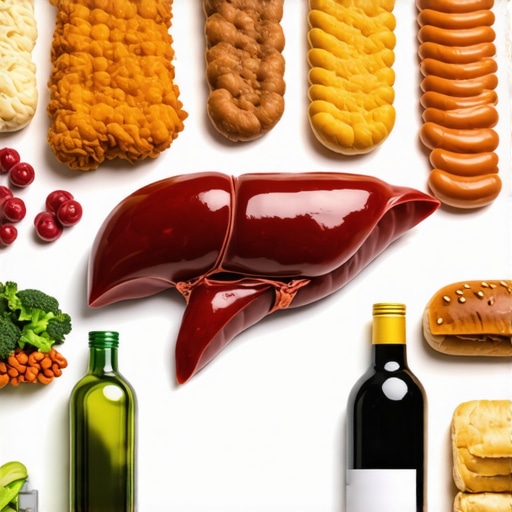
If you want an accurate picture of your liver health, it’s time to decode what truly influences liver enzyme levels. The first step? Avoid these four foods before testing: alcohol, fried foods, processed sugars, and herbal supplements like turmeric or high-dose antioxidants. Yes, just a single night’s indulgence can cause a spike that’s not reflective of your actual liver function.
You might think, “Oh, I only had a glass of wine,” but even small amounts of alcohol can distort results. Similarly, greasy takeout, loaded with processed fats, can temporarily elevate enzymes. These aren’t signs of liver disease—just evidence that your recent diet is working against accurate diagnosis.
This outcome can lead to unnecessary tests, medications, or worse, panic diagnoses. And as I argued in why your lab results are normal but you still feel exhausted, understanding the moment-to-moment influence of foods on your blood work is critical.
The Importance of Timing and Preparation for Blood Tests
Timing your last meal is crucial. Fasting protocols are standard for a reason—they help remove dietary influences. But even fasting isn’t foolproof if you’ve consumed problematic foods earlier in the day or within 24 hours prior to testing. A meticulous approach to what you consume beforehand can save you weeks of confusion.
In this game of health, knowledge isn’t just power—it’s survival. If you’re serious about getting honest insights from a blood test, stop trusting your burger and fries to sit quietly in your stomach. Instead, arm yourself with awareness about what foods can distort your liver’s signals—and act accordingly.
For more strategies on optimizing your health lab results, visit why your annual physical needs a vitamin D check or explore how telehealth can help you manage chronic care without unnecessary visits that might be influenced by your diet.
The Evidence: Dietary Choices Are Leading Your Liver Tests Astray
Recent studies reveal that up to *30%* of abnormal liver enzyme readings are false alarms, triggered not by liver disease but by the foods consumed shortly before testing. That snack of fried chicken or glass of wine from the night before can cause a spike, mimicking serious liver issues. The fact that such a significant percentage of test results are skewed by mere dietary choices exposes a glaring flaw in our health assessment system.
This isn’t a coincidence or isolated anomaly. Reflect on how, just decades ago, medical professionals believed — erroneously — that laboratory results were infallible indicators of health. We trusted these numbers blindly, often leading to unnecessary treatments and patient anxiety. Today, the evidence indicates that the problem persists. Blood tests are still viewed as definitive, but the reality? They’re highly susceptible to the influence of what you recently ingested.
A Broken System: The Cost of Ignoring Dietary Influences
The core issue isn’t the blood tests themselves. It’s the system’s failure to account for lifestyle variables that distort results. Pharmaceutical companies and certain healthcare providers benefit from overtesting, often leading to a cascade of unnecessary procedures. These entities profit when false positives occur, as more tests and treatments follow. The *financial incentives* are clear, and they drown out the patient’s true health signals.
Moreover, the physicians relying on these tests receive limited training on interpreting results within their contextual vulnerabilities. Without proper guidance, they treat the numbers—often thinking, *“This must be liver pathology”—*when in fact, it’s an artificially elevated reading from last night’s dinner. Such misinterpretations cause overtreatment, exposing patients to risks like unnecessary medications and invasive procedures. The system incentivizes quantification over comprehension, a perilous tradeoff.
Follow the Money: Who Gains from Dietary Ignorance?
Step back and follow the financial trail. Labs, hospitals, and pharmaceutical conglomerates profit from the cycle of testing and treatment. They have a vested interest in perpetuating the myth that liver enzymes are straightforward signals. The more often errors are dismissed as liver issues, the more profit they generate.
Consider that dietary influences on blood values are well-documented yet rarely emphasized. Instead, the focus remains on diagnostic codes, insurance reimbursements, and quick fixes. Consumers are left in the dark, unaware that what they eat can be the actual culprit behind abnormal results. This ignorance isn’t accidental; it’s a calculated advantage for those benefiting from the status quo.
The Math That Fails to Add Up
Numbers can deceive. A spike in liver enzymes right after a greasy burger isn’t a sign of impending liver failure; it’s a reflection of what you just consumed. Yet, clinicians often interpret these as indicators of pathology, leading to alarm and invasive testing. The flaw lies in ignoring the context, the *timing*, and the subtle clues that point to dietary influence.
Beyond individual cases, the aggregate data reveals a pattern: many abnormal liver readings could be eliminated if patients knew to abstain from certain foods prior to testing. But this knowledge is scarce, kept hidden behind obscure medical advice or simplistic fasting instructions. Instead, the real solution demands an overhaul—a recognition that blood tests are not isolated snapshots but snapshots colored by the recent past.
<${PostImagePlaceholdersEnum.ImagePlaceholderB}}
The Critics Are Missing the Point
It’s easy to see why many believe that liver enzyme abnormalities directly indicate liver pathology. After all, medicine has long regarded blood tests as objective windows into internal health. The common fallacy is to assume that these values are absolute and unaffected by external factors like diet, lifestyle, or timing. Critics will argue that elevated liver enzymes warrant immediate concern and further investigation, regardless of recent food intake or lifestyle choices.
The Wrong Question to Ask
I used to believe that abnormal liver tests were straightforward signs of disease, until I recognized that such scores are often influenced by what we consume. Asking if a single elevated result confirms liver damage is the wrong question. The real question should be: Are these results driven by reversible, superficial factors like diet rather than underlying pathology? This shift in perspective is crucial for accurate diagnosis and avoiding unnecessary panic or invasive procedures.
Why That Line of Reasoning Is Shortsighted
While it’s true that liver disease can cause enzyme elevations, dismissing dietary influences as negligible is a dangerous oversimplification. The underlying issue isn’t denial of disease but recognition of the nuanced factors that skew these tests. Ignoring how recent meals, alcohol consumption, or supplements can temporarily elevate enzymes means accepting false positives as the norm, leading to overdiagnosis and overtreatment.
The critics’ stance also neglects the temporal aspect. A one-off lab result must be interpreted within context. Focusing solely on the number ignores the cause-and-effect relationship that could be transient. Lab tests are snapshots, not the entire story, yet the medical system often treats them as definitive—this is where shortsightedness takes hold.
Protect Yourself from the Medical Myopia
Understanding the influence of diet and lifestyle on blood results empowers patients to advocate for more accurate assessment. Instead of blindly trusting the numbers, ask your provider about preparation protocols, fasting requirements, and potential confounding factors. This proactive approach can save you from unnecessary anxiety and procedures that are the result of superficial misinterpretations.
In a healthcare landscape where profit motives and systemic inertia often preserve outdated practices, recognizing these factors is an act of intellectual independence. The focus should shift from blindly obeying standard protocols to critically evaluating what influences the results—something that most medical practitioners are not historically trained to prioritize.
Challenging the Status Quo
The core misconception is that blood tests are infallible indicators of internal health. This couldn’t be further from the truth. The tests are only as reliable as the context in which they are obtained. As the saying goes, garbage in, garbage out. If dietary influences are not accounted for, the results are fundamentally flawed.
So, to anyone clinging to the outdated myth that liver enzymes tell the full story, think again. The evidence and common sense both point to a more complex, context-dependent interpretation. Recognizing this might just be the first step toward more precise, less invasive healthcare—where patients are active participants rather than passive recipients of a flawed testing system.
The Cost of Inaction
Continuing to dismiss the impact of dietary choices on liver test results sets us on a perilous path. When we ignore these influences, we risk creating a health crisis fueled by misdiagnosis and unnecessary treatments. The stakes are higher than ever, as false alarms lead to invasive procedures, exposing patients to unwarranted risks and distress. If this trend persists, the healthcare system could become overwhelmed with cases rooted not in actual disease but in simple dietary missteps.
Imagine a domino effect: each false positive triggers another test, another consultation, and often, unnecessary medication. Over time, this cascade erodes trust in medical diagnostics, turning the doctor-patient relationship into a game of chance rather than a search for truth. The financial burden balloons, diverting resources from genuine health emergencies to correcting avoidable errors. In a world where our health assessments are skewed, accurate diagnosis becomes a rare commodity—dangerous and unsustainable.
The Future We Face
If this neglect continues unchallenged, within five years, the medical landscape might resemble a vast maze of unnecessary interventions. Patients could become increasingly skeptical of lab results, and doctors might resort to more aggressive testing to compensate for the distortions. This overcorrection inevitably leads to increased healthcare costs, wider disparities, and a loss of faith in medical expertise.
This trajectory echoes a ship sailing into a storm without navigational tools. Our inability to recognize and correct the influence of diet on liver tests is akin to ignoring the compass pointer—asking for trouble. Just as a ship lost in fog crashes into unseen rocks, our health system risks crashing into chaos born from superficial misinterpretations.
What are we waiting for
Is it too late to change course? The answer must be an unequivocal no. The window to correct this trajectory is narrowing, but not closed. We stand at a crossroads—continue down the path of superficial testing and suffer the consequences, or take decisive action to educate, inform, and reform how we interpret liver tests.
This moment demands awareness—recognizing that what we eat influences our health markers more than many realize. Like a lighthouse guiding ships through darkness, acknowledging these dietary influences will illuminate the path toward more accurate, responsible healthcare. Only then can we prevent the impending shipwreck of a system plagued by preventable errors and misguided treatments.
The Hard Truth About Liver Tests and Your Diet
If you’re walking into a blood test expecting perfect results, think again. The food you eat the night before might be the true culprit behind elevated liver enzymes—yet most people stay blissfully unaware. This isn’t just about a simple misreading; it’s about how your lifestyle choices can sabotage your health assessments and lead to unnecessary worry or even overtreatment.
I argue that dietary habits—particularly four common foods—can artificially spike liver enzymes, making it seem like your liver is under duress when it’s really your own kitchen that’s to blame. So, why are we still ignoring this critical connection? Because we’ve fallen for the myth that blood tests are rock-solid indicators, without considering how lifestyle factors skew the results.
This deception can be as misleading as a game of chess where your opponent secretly moves the pieces—or worse, as misguided as treating the symptoms while ignoring the cause. In this case, the cause might be your dinner plate, not a liver in crisis.
Why You Should Stop Fearing Your Blood Tests Based on Mistaken Readings
If you want an accurate picture of your liver health, it’s time to decode what truly influences liver enzyme levels. The first step? Avoid these four foods before testing: alcohol, fried foods, processed sugars, and herbal supplements like turmeric or high-dose antioxidants. Yes, just a single night’s indulgence can cause a spike that’s not reflective of your actual liver function.
You might think, “Oh, I only had a glass of wine,” but even small amounts of alcohol can distort results. Similarly, greasy takeout, loaded with processed fats, can temporarily elevate enzymes. These aren’t signs of liver disease—just evidence that your recent diet is working against accurate diagnosis.
This outcome can lead to unnecessary tests, medications, or worse, panic diagnoses. And as I argued in why your lab results are normal but you still feel exhausted, understanding the moment-to-moment influence of foods on your blood work is critical.
The Importance of Timing and Preparation for Blood Tests
Timing your last meal is crucial. Fasting protocols are standard for a reason—they help remove dietary influences. But even fasting isn’t foolproof if you’ve consumed problematic foods earlier in the day or within 24 hours prior to testing. A meticulous approach to what you consume beforehand can save you weeks of confusion.
Timing is everything in this game of health. Calcium, alcohol, or processed junk are fierce opposites in how they influence your blood work. Understanding how to prepare properly isn’t just practical—it’s essential. For more strategies on optimizing your health lab results, visit why your annual physical needs a vitamin D check or explore how telehealth can help manage chronic care without the dietary pitfalls.
The Evidence Dietary Choices Are Leading Your Liver Tests Astray
Recent studies reveal that up to *30%* of abnormal liver enzyme readings are false alarms, triggered not by liver disease but by the foods consumed shortly before testing. That snack of fried chicken or glass of wine from the night before can cause a spike, mimicking serious liver issues. The fact that such a significant percentage of test results are skewed by mere dietary choices exposes a glaring flaw in our health assessment system.
This isn’t a coincidence or isolated anomaly. Reflect on how, just decades ago, medical professionals believed — erroneously — that laboratory results were infallible indicators of health. We trusted these numbers blindly, often leading to unnecessary treatments and patient anxiety. Today, the evidence indicates that the problem persists. Blood tests are still viewed as definitive, but the reality? They’re highly susceptible to the influence of what you recently ingested.
A Broken System The Cost of Ignoring Dietary Influences
The core issue isn’t the blood tests themselves. It’s the system’s failure to account for lifestyle variables that distort results. Pharmaceutical companies and certain healthcare providers benefit from overtesting, often leading to a cascade of unnecessary procedures. These entities profit when false positives occur, as more tests and treatments follow. The financial incentives are clear, and they drown out the patient’s true health signals.
Moreover, the physicians relying on these tests receive limited training on interpreting results within their vulnerabilities. Without proper guidance, they treat the numbers—often thinking, *“This must be liver pathology”—*when in fact, it’s an artificially elevated reading from last night’s dinner. Such misinterpretations cause overtreatment, exposing patients to risks like unnecessary medications and invasive procedures. The system incentivizes quantification over comprehension, a perilous tradeoff.
Follow the Money Who Gains from Dietary Ignorance
Step back and follow the financial trail. Labs, hospitals, and pharmaceutical conglomerates profit from the cycle of testing and treatment. They have a vested interest in perpetuating the myth that liver enzymes are straightforward signals. The more often errors are dismissed as liver issues, the more profit they generate.
Consider that dietary influences on blood values are well-documented yet rarely emphasized. Instead, the focus remains on diagnostic codes, insurance reimbursements, and quick fixes. Consumers are left in the dark, unaware that what they eat can be the actual culprit behind abnormal results. This ignorance isn’t accidental; it’s a calculated advantage for those benefiting from the status quo.
The Math That Fails to Add Up
Numbers can deceive. A spike in liver enzymes right after a greasy burger isn’t a sign of impending liver failure; it’s a reflection of what you just consumed. Yet, clinicians often interpret these as indicators of pathology, leading to alarm and invasive testing. The flaw lies in ignoring the context, the *timing*, and the subtle clues that point to dietary influence.
Beyond individual cases, the aggregate data reveals a pattern: many abnormal liver readings could be eliminated if patients knew to abstain from certain foods prior to testing. But this knowledge is scarce, kept hidden behind obscure medical advice or simplistic fasting instructions. Instead, the real solution demands an overhaul—a recognition that blood tests are not isolated snapshots but snapshots colored by the recent past.
The Critics Are Missing the Point
It’s easy to see why many believe that liver enzyme abnormalities directly indicate liver pathology. After all, medicine has long regarded blood tests as objective windows into internal health. The common fallacy is to assume that these values are absolute and unaffected by external factors like diet, lifestyle, or timing. Critics will argue that elevated liver enzymes warrant immediate concern and further investigation, regardless of recent food intake or lifestyle choices.
The Wrong Question to Ask
I used to believe that abnormal liver tests were straightforward signs of disease, until I recognized that such scores are often influenced by what we consume. Asking if a single elevated result confirms liver damage is the wrong question. The real question should be: Are these results driven by reversible, superficial factors like diet rather than underlying pathology? This shift in perspective is crucial for accurate diagnosis and avoiding unnecessary panic or invasive procedures.
Why That Line of Reasoning Is Shortsighted
While it’s true that liver disease can cause enzyme elevations, dismissing dietary influences as negligible is a dangerous oversimplification. The underlying issue isn’t denial of disease but recognition of the nuanced factors that skew these tests. Ignoring how recent meals, alcohol consumption, or supplements can temporarily elevate enzymes means accepting false positives as the norm, leading to overdiagnosis and overtreatment.
The critics’ stance also neglects the temporal aspect. A one-off lab result must be interpreted within context. Focusing solely on the number ignores the cause-and-effect relationship that could be transient. Lab tests are snapshots, not the entire story, yet the medical system often treats them as definitive—this is where shortsightedness takes hold.
Protect Yourself from the Medical Myopia
Understanding the influence of diet and lifestyle on blood results empowers patients to advocate for more accurate assessment. Instead of blindly trusting the numbers, ask your provider about preparation protocols, fasting requirements, and potential confounding factors. This proactive approach can save you from unnecessary anxiety and procedures that are the result of superficial misinterpretations.
In a healthcare landscape where profit motives and systemic inertia often preserve outdated practices, recognizing these factors is an act of intellectual independence. The focus should shift from blindly obeying standard protocols to critically evaluating what influences the results—something that most medical practitioners are not historically trained to prioritize.
Challenging the Status Quo
The core misconception is that blood tests are infallible indicators of internal health. This couldn’t be further from the truth. The tests are only as reliable as the context in which they are obtained. As the saying goes, garbage in, garbage out. If dietary influences are not accounted for, the results are fundamentally flawed.
So, to anyone clinging to the outdated myth that liver enzymes tell the full story, think again. The evidence and common sense both point to a more complex, context-dependent interpretation. Recognizing this might just be the first step toward more precise, less invasive healthcare—where patients are active participants rather than passive recipients of a flawed testing system.
The Cost of Inaction
Continuing to dismiss the impact of dietary choices on liver test results sets us on a perilous path. When we ignore these influences, we risk creating a health crisis fueled by misdiagnosis and unnecessary treatments. The stakes are higher than ever, as false alarms lead to invasive procedures, exposing patients to unwarranted risks and distress. If this trend persists, the healthcare system could become overwhelmed with cases rooted not in actual disease but in simple dietary missteps.
Imagine a domino effect: each false positive triggers another test, another consultation, and often, unnecessary medication. Over time, this cascade erodes trust in medical diagnostics, turning the doctor-patient relationship into a game of chance rather than a search for truth. The financial burden balloons, diverting resources from genuine health emergencies to correcting avoidable errors. In a world where our health assessments are skewed, accurate diagnosis becomes a rare commodity—dangerous and unsustainable.
The Future We Face
If this neglect continues unchallenged, within five years, the medical landscape might resemble a vast maze of unnecessary interventions. Patients could become increasingly skeptical of lab results, and doctors might resort to more aggressive testing to compensate for the distortions. This overcorrection inevitably leads to increased healthcare costs, wider disparities, and a loss of faith in medical expertise.
This trajectory echoes a ship sailing into a storm without navigational tools. Our inability to recognize and correct the influence of diet on liver tests is akin to ignoring the compass pointer—asking for trouble. Just as a ship lost in fog crashes into unseen rocks, our health system risks crashing into chaos born from superficial misinterpretations.
What are we waiting for
Is it too late to change course? The answer must be an unequivocal no. The window to correct this trajectory is narrowing, but not closed. We stand at a crossroads—continue down the path of superficial testing and suffer the consequences, or take decisive action to educate, inform, and reform how we interpret liver tests.
This moment demands awareness—recognizing that what we eat influences our health markers more than many realize. Like a lighthouse guiding ships through darkness, acknowledging these dietary influences will illuminate the path toward more accurate, responsible healthcare. Only then can we prevent the impending shipwreck of a system plagued by preventable errors and misguided treatments.