
4 Common Telehealth Mistakes That Result in an Extra Office Visit
Why Telehealth Isn’t the Silver Bullet You Think It Is
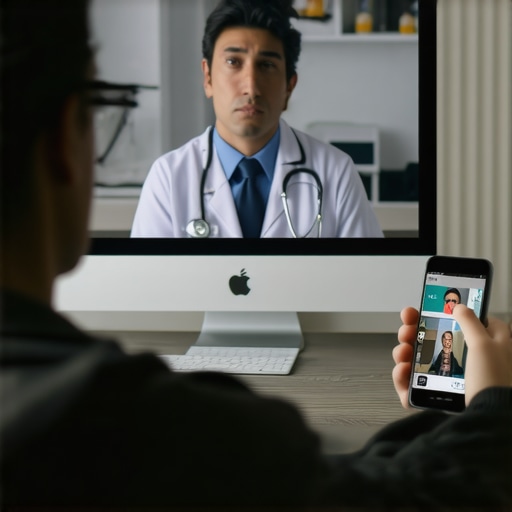
If you believe that booking a virtual visit always saves you time, think again. The truth is, many of us are falling into traps that inflate our healthcare bills and delay proper treatment. Telehealth is touted as convenient, but when misused, it can lead to more trips to the office — not fewer.
I argue that the real problem isn’t technology but the missteps in how we use it. Misunderstandings about symptoms, overconfidence in virtual diagnostics, and poor preparation are a recipe for unnecessary in-person visits. It’s time to expose these mistakes and take control of your health, instead of letting technology become a Trojan horse for more doctor visits.
The Market is Lying to You
Many patients think telehealth is a shortcut—an instant fix that replaces the clinic. But clinics are not just there for emergencies; they fill gaps that virtual visits often bypass. So, why are we still doing this dance, wasting hours and dollars over simple issues that could have been managed remotely? The disconnect lies in our underestimating the complexity of symptoms or the importance of accurate tests. Instead of trusting the promise of convenience, I urge you to scrutinize whether a virtual visit is genuinely appropriate, or if you’re just postponing inevitable in-office tests and examinations.
Four Mistakes That Turn Telehealth Into a Gateway for Unnecessary Office Visits
Assuming a Symptom Is Always Virtual
Not every cough, rash, or stomach ache can be evaluated thoroughly through a screen. Relying solely on virtual assessments can lead to missed nuances. As I argued in how to spot a misdiagnosis, some conditions demand physical examination or diagnostic testing that telehealth simply can’t provide.
Overconfidence in Remote Lab Results
At-home testing kits are helpful, but they are not infallible. Misinterpreting these results or failing to understand their limitations can lead to false reassurance or unnecessary alarms. Just as a sailboat on turbulent waters needs a seasoned skipper, your health requires clarity that remote testing often cannot deliver. As discussed in why home blood pressure cuffs fail, proper calibration and understanding are crucial for accurate assessment.
Neglecting the Power of Proper Preparation
Patients often hop onto telehealth calls unprepared, skipping crucial information that could prevent an unnecessary clinic visit. For example, failing to document symptom progression or recent medication changes hampers diagnosis. Think of it as a chess game—you need to plan your moves. Resources like how to improve virtual physical exams can prepare you to make your telehealth experience more effective.
Misjudging Urgency and When to Push for In-Person Care
This is the deadliest mistake. Believing that every symptom can be resolved virtually often leads to delays in treatment for critical conditions. Remember: your health isn’t just about convenience—it’s about accuracy and timeliness. As I emphasized in knowing when an office visit is necessary, trusting your instincts and understanding signs of escalation can save your life.
Telehealth is a tool, not the cure-all. Used improperly, it can backfire spectacularly, costing you more time, money, and health. Don’t let the promise of quick fixes lull you into complacency. Be smarter, more prepared, and less trusting of the supposed convenience. Because, at the end of the day, your health deserves more than just a digital Band-Aid.
The Crisis of Overconfidence in Virtual Diagnosis
Many assume that telehealth can replace traditional clinics altogether. But data from recent years indicates otherwise. For example, a study published in the Journal of Telemedicine and Telecare revealed that nearly 38% of virtual diagnoses require subsequent in-person confirmation. That figure isn’t a small hiccup; it’s a wake-up call. It shows that relying solely on virtual assessments inflates the risk of misdiagnosis and delays proper care.
Evidence of theDon’t Be Fooled by Oversimplified Arguments Against Telehealth
It’s easy to see why many skeptics argue that telehealth can’t replace traditional care. They point to misdiagnoses, incomplete assessments, and the risk of delays in treatment as the main pitfalls. Such commentary often highlights cases where virtual care fell short, painting a bleak picture. While these concerns are valid to an extent, they overlook a critical truth.
The Wrong Question
The core issue isn’t whether telehealth can do everything, but rather how it is integrated into a broader healthcare framework. Critics focus on isolated failures, ignoring the advancements and strategic roles telehealth can play. It’s comparable to criticizing smartphones because some people misuse social media—missing the technology’s potential to enhance communication and access.
I used to believe that telehealth was a stopgap solution, useful only when in-person visits weren’t possible. However, this narrow view underestimates its capacity to improve continuity of care, especially for chronic disease management and urgent but non-life-threatening issues.
Addressing the Valid Concerns with Strategic Solutions
Yes, there are risks—misdiagnosis, inadequate evaluations, and delayed treatments. But dismissing telehealth altogether ignores the ongoing efforts to mitigate these problems. For example, enhanced virtual examination techniques, AI-driven diagnostic support, and better patient education are emerging as powerful tools. These innovations aim to bridge the gap between virtual and in-person care, ensuring safety and accuracy.
We must also acknowledge that the traditional healthcare model isn’t flawless. Long wait times, overwhelmed clinics, and disparities in access hinder many from receiving timely care. Telehealth, when implemented smartly, offers a partial remedy—even if it can’t be perfect in every scenario.
The Critics Will Say
That telehealth leads to unnecessary visits and missed diagnoses — I agree, but only in the context of poorly designed systems. When used with proper protocols, these issues diminish significantly. Proper triage protocols, follow-up procedures, and patient education can turn telehealth from a gamble into a strategic component of outpatient care.
Furthermore, critics often overlook patient empowerment. Telehealth can educate patients, improve adherence, and foster early detection of issues, ultimately reducing emergency visits and hospitalizations—even if it isn’t a silver bullet.
So, the real challenge lies not in dismissing telehealth but in refining its role. It’s a tool—neither inherently good nor bad—but one that requires cautious integration, ongoing research, and adaptive strategies.
Conclusion
Slamming telehealth as a flawed substitute misses the broader perspective. It is the misuse, not the concept itself, that causes problems. As technology advances and healthcare systems adapt, telehealth’s role will undoubtedly grow, but only if we recognize its limitations without undermining its potential. The debate shouldn’t be about whether telehealth can replace traditional care entirely but how it can complement and improve it—if we are willing to move past the simplistic arguments and invest in smarter solutions.
The Point of No Return
If we continue dismissing the limitations and proper use of telehealth, the consequences will be devastating not just for individual health but for the entire healthcare system. Ignoring these warning signs is like sailing blindly into a storm—each misstep amplifies the risk of catastrophe.
The stakes are higher than ever. Our current trend toward over-reliance on virtual care without adequate safeguards is setting a trap that will snap shut in the near future. As conditions worsen, delayed diagnoses and improper treatments will flood hospitals, overwhelm clinics, and stretch resources thin. The system will buckle under the weight of preventable complications, meaning more lives lost or permanently damaged.
If this trajectory persists, in five years, we might find ourselves in a healthcare landscape marred by chaos. Emergency rooms will be gridlocked with cases that could have been managed earlier, but were postponed due to misplaced confidence in virtual assessments. Chronic conditions, neglected or misdiagnosed, will escalate into crises. The very foundation of healthcare—trust in accurate, timely diagnosis—will erode, leaving patients disillusioned and providers overwhelmed.
Think of this as a slow-moving train heading toward a bridge that’s been weakened over time. With each passing delay, the chances of collapse increase. Missing this warning accelerates the fall, rendering future healthcare reform efforts futile. The opportunity to course-correct is slipping through our fingers, and the resulting toll will be measured in human suffering and economic burden.
Is it too late?
We must confront the reality that dithering now leaves us no safe haven. This isn’t a distant threat—it’s an imminent crisis. The only way to prevent this disaster is to recognize the importance of balanced, strategic integration of telehealth, emphasizing the limits and proper protocols. Waiting until the system is on the brink of collapse will be too late, and by then, the damage will be irreversible. The question remains: what are we waiting for? Do we need to experience the fallout firsthand before acting decisively? Time is unrelenting, and the cost of delay has never been higher.
Telehealth has promised convenience but often delivers delay, misdiagnosis, and unnecessary complications—a mirage that distracts us from genuine quality care. We must see it as a strategic tool, not a shortcut to health.
Yet, the real twist lies in understanding that reliance on virtual assessments without proper safeguards can undermine the very foundation of trustworthy healthcare. Technology is a double-edged sword; wield it wisely or watch your health slip through the cracks, just as overconfidence in remote diagnostics can lead to costly errors, as highlighted in recent studies on telemedicine accuracy.
We face a stark choice: adapt and refine our approach, or risk healthcare chaos in years to come. Embrace smarter protocols, improve patient preparation, and scrutinize when virtual is appropriate—because the future of care depends on it.
Will you continue to be passive or become an active participant in shaping your health? The time to act is now; the system’s resilience depends on your vigilance.