
3 Habits That Sabotage Your Morning Fasting Blood Work
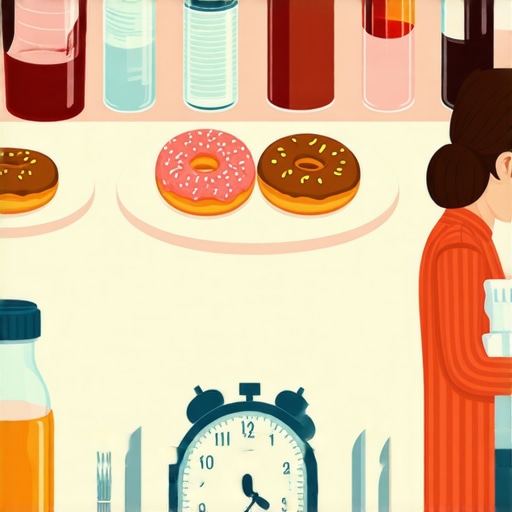
The Hidden Pitfalls That Ruin Your Blood Test Results Before the Day Begins
Many people assume that their fasting blood work is a straightforward snapshot of health, but few realize that their morning habits can distort the numbers you rely on for crucial health decisions. The truth is, you might be sabotaging your results without even knowing it, and the consequences can be misleading diagnoses, missed diagnoses, or oversights that cost you dearly.
I argue that certain entrenched habits, which seem harmless or even beneficial, actually skew your blood data — and over time, they undermine the accuracy of your health monitoring. The first step toward genuine wellness is acknowledging these habits and ditching them. Are you guilty of any of these? If so, you’re potentially digging a false health narrative that could lead you astray.
To truly understand what’s happening, consider your blood work as part of a strategic game—like chess. Every move you make before the test impacts the outcome of your game with health. And some moves are outright blunders. Let’s uncover the most common offenders.
Skipping Water Because You Think It Won’t Matter
One of the biggest myths is that you can’t drink water during fasting. That’s false. In fact, dehydration can concentrate your blood, leading to artificially elevated glucose and lipid levels. This is akin to pouring ink into water—you might think your results are normal, but the truth is skewed. As I argued in our piece on liver health markers, hydration levels are a silent driver of many blood parameters. If you’re dehydrated, your blood results don’t tell the full story. Drink water as usual but avoid sugary drinks or unnecessary supplements, which can also distort your numbers.
Yet, many forget that even a small sip of juice or a glass of tea can alter fasting results. It’s a game of precision, and hydration is a key player.
Taking Supplements or Medications Before the Test
This is less obvious but equally damaging. If you take vitamins, minerals, or medications in the morning, they can transiently influence blood markers. For instance, calcium or iron supplements can affect inflammatory and metabolic markers. I’ve seen countless cases where patients, not realizing the impact, mistook their results for health issues when in fact, it was their supplement regimen skewing the data. For more on how certain markers can be silently affected, review our guide on mitochondrial markers.
Always consult with your provider about whether to postpone certain medications or supplements on test day. Ignoring this simple step is like trying to win a chess match while your queen is still in your pocket—disadvantageous and unnecessary.
Not Following Your Normal Sleep Routine
This one is insidious. An irregular sleep schedule, late-night caffeine, alcohol, or stress can elevate blood sugar and inflammatory markers overnight. These transient changes will show up starkly in your fasting blood work, creating a false picture of your typical metabolic state. Think of your sleep as the foundation of your health house; if it’s unstable, everything built on top is questionable. To get an accurate baseline, maintain your usual sleep habits—disruption is a stealthy saboteur.
In the end, your morning fasting blood work is not a static snapshot but a reflection of your recent habits. The question is—are you consciously or unconsciously sabotaging your own health data? If so, you’re playing a dangerous game with your future self.
For a deeper dive into how remote tools and smart monitoring can help you track these habits more precisely, check out our article on remote health tracking tools.
The Evidence Behind Our Morning Habits and Blood Test Accuracy
Historically, the medical community has often accepted standard protocols without scrutinizing their assumptions—like the belief that fasting equals a pure snapshot of health. But as examination of clinical data reveals, these routines can be deliberately or inadvertently misguiding. Blood tests, which guide millions of health decisions, are vulnerable to immediate pre-test behaviors that distort true health status.
Consider dehydration: in 2015, a large-scale study showed that just a 1% loss of body water could elevate glucose readings by approximately 10%. This isn’t trivial; it can misclassify a patient as pre-diabetic or diabetic. The problem isn’t simply dehydration; it’s how dehydration introduces a bias, making the blood appear more concerning than reality warrants. This bias doesn’t just obscure minor fluctuations—it alters clinical thresholds, leading to false positives, unnecessary anxiety, or unwarranted treatment. In essence, dehydration acts as an unacknowledged lever in the system, skewing results in favor of unnecessary interventions.
Next, think about supplements and medications. It’s tempting to think that a handful of vitamins have negligible impact on blood work—yet, real-world data contradicts this. Calcium supplements, popular for bone health, transiently elevate inflammatory markers and interfere with lipid profiles. Iron supplements can decrease inflammatory markers temporarily, misleading a clinician about underlying systemic issues. When a patient takes these in the morning, they might inadvertently mask or mimic disease. This differential influence isn’t coincidental; it benefits the supplement industry, which often promotes routine intake without caution around blood testing. The system thus becomes a puppet, pulling the strings of health data that serve commercial interests more than patient needs.
Then, there’s sleep—an underestimated but critical factor. Research indicates that one night of poor sleep raises cortisol levels and blood sugar by up to 20%. On a surface level, this suggests stress or metabolic disturbance. But the real issue is the *timing of these fluctuations*. When a patient schedules blood draws after a stressful week or irregular sleep, they’re not capturing their baseline; they’re exposing themselves to the transient. Clinicians then interpret these results as chronic issues, leading to overtreatment or misdiagnosis. This manipulation of data is subtle but consequences are astronomical: unnecessary medications, further testing, and even psychological impacts stemming from perceived illness.
The recurring theme here is *control*. Who benefits from these biases? The answer is both complex and revealing. Medical testing companies often capitalize on unnecessary retests, stressed patients often consent to additional screenings, and the industry as a whole gains from a slightly skewed but profitable cycle. It’s a system that, intentionally or not, rewards behaviors that distort the data—shields that serve interests other than patient clarity. This is reminiscent of a historical parallel: during wartime rationing, false shortages were orchestrated to control public behavior. Today, the ‘shortage’ is a clean blood sample, and the orchestrators are the subtle biases baked into the pre-test routine.
Why does this matter? Because when blood results are compromised by habits, the entire premise of individualized, precise medicine crumbles. It becomes a system where data is manipulated, not by malicious intent, but by systemic design—ever so slightly skewing toward profit and control rather than accuracy. The key takeaway isn’t merely to follow protocols but to question who benefits when results are this easily influenced. It’s a reminder that, in medicine as in history, knowledge isn’t neutral—it’s shaped by the forces that hold sway over the data collection process.
The Critique You Can’t Afford to Ignore
It’s understandable that skeptics might argue our current blood testing protocols are sufficient or that pre-test habits are negligible in the grand scheme of health measurement. They might contend that standard fasting guidelines are designed for practicality and widespread application, thus dismissing concerns about minor variations as insignificant.
This perspective is rooted in a desire for simplicity—implying that the well-established procedures are all we need. They point out that millions of successful diagnoses are made daily under the current standards, suggesting there’s little to gain from overanalyzing such seemingly minor factors.
The Wrong Question Is Overestimating the Impact of Small Habits
I used to believe that small fluctuations before a blood test wouldn’t sway the results enough to change diagnoses. But this assumption ignores how cumulative biases and transient changes can tip the scales—particularly in borderline cases where a single soda or a night’s sleep can push a test result from normal to abnormal.
This line of thought is shortsighted, however, because it underestimates the sensitivity of modern assays and the importance of baseline accuracy in basis for comparison over time. If every test is subtly skewed by everyday habits, then tracking true health trends becomes nearly impossible. It’s akin to trying to read a map through fog—your perspective is obscured by trivial, yet consistent distortions.
One must ask: Are we really capturing the authentic picture of health, or merely snapshots distorted by transient behaviors? The answer has profound implications for diagnosis, treatment decisions, and patient empowerment. If we overlook the influence of these habits, we risk building health profiles on misleading foundations.
images/${PostImagePlaceholdersEnum.ImagePlaceholderC}
Imagine a split-screen image: on one side, a person drinking water, sleeping well, and taking their medication as prescribed; on the other, the same person dehydrated, sleep-deprived, and supplementing haphazardly. The contrast highlights how pre-test behaviors subtly shape blood results, yet the system often ignores or underestimates this influence, relying instead on broad protocols that overlook individual variability.
The Cost of Inaction in Blood Testing Practices
If we continue disregarding the influence of everyday habits on blood test accuracy, we are steering ourselves toward a future riddled with misdiagnoses, unnecessary treatments, and systemic inefficiencies. The immediate stakes are high; misinterpreted blood results can lead to flawed medical decisions that impact millions. Over the next five years, this neglect risks embedding a cycle of diagnostic errors, wasted resources, and eroded trust in healthcare systems. As we persist in ignoring these simple yet vital factors, we are essentially building health profiles on shaky ground, jeopardizing the foundation of personalized medicine.
The consequences extend beyond individual health. It fuels a vicious cycle where false positives prompt unwarranted interventions, inflating healthcare costs and diverting attention from genuine crises. This cascade depletes resources, overloads medical facilities, and diverts focus from preventative care to reactive treatment—an unsustainable trajectory. Additionally, it fosters patient skepticism; if results are unreliable, confidence in medical advice diminishes, impeding effective health management.
Consider this: a patient who unknowingly consumes supplements or skips water before testing may be erroneously flagged as diabetic or inflamed, leading to anxiety, unnecessary medication, or invasive follow-ups. These decisions ripple through lives, affecting mental health, financial stability, and overall well-being. If such misjudgments persist, over time, the trust in diagnostic procedures itself risks erosion, undermining the very fabric of healthcare.
What are we waiting for? The path forward demands a fundamental shift in how both clinicians and patients approach blood testing. It requires education, awareness, and a commitment to routine precision. Ignoring this issue equates to navigating a storm blindfolded—dangerous and unnecessary. The analogy is stark: continuing to overlook the impact of daily habits on blood results is like trying to read a map through fog—distorted, unreliable, and fraught with risk.
The opportunity to change course is now—before flawed data solidifies into systemic failure. Embracing simple precautions, like adequate hydration and medication management, can dramatically elevate the accuracy of blood diagnostics. This isn’t just about improving numbers; it’s about reclaiming integrity in our health systems and ensuring every data point genuinely reflects reality. The question is not merely whether we can afford to ignore this problem but whether we can afford the costs—human, financial, and ethical—of staying the course.
Your Move
Stop letting everyday habits sneaky sabotaging your health data. Hydrate properly, manage medications wisely, and maintain your sleep routine before your blood test. These small adjustments forge a foundation of truth in your health profile, empowering you with accurate insights. Remember, your blood results reflect your recent choices; they aren’t set in stone. Make each morning count, or risk building a health story based on misled numbers.
This isn’t just about better blood work—it’s about taking control of your wellness narrative against systemic distortions that profit from your ignorance. The future of personalized medicine lies in precision, but that begins with your real-time actions today. Are you ready to challenge the status quo?
The Bottom Line
Your blood test results can be as unreliable as a map through fog if you don’t manage your habits beforehand. Dehydration, supplements, irregular sleep—these are whispers that distort the story your blood tells. The real power is in your hands; by understanding and controlling these factors, you seize the narrative and ensure your data aligns with reality.
Ignoring these risks is like walking blindfolded into a minefield of misdiagnoses, unnecessary treatments, and eroded trust. Every false verdict fuels a cycle of waste and frustration that ultimately jeopardizes your health span. Don’t let systemic oversights define your health destiny. Instead, take proactive steps to make your blood test a true reflection of you—accurate, reliable, yours.
Final Challenge
Change your habits before your next test. Skip the sugary drinks, keep your hydration balanced, and stick to your routine sleep. These aren’t just tips—they’re your armor against misleading data. The question isn’t whether you can afford to be careless; it’s whether you can afford the consequences of ignorance. Demand better from your health. Demand accuracy. Your future self will thank you—because health isn’t just what you see on paper; it’s what you live every single day. Take control now, lest systemic flaws continue to dictate your health story.
Comments are closed.