
The Hidden Benefits of Remote Monitoring for Heart Failure Patients
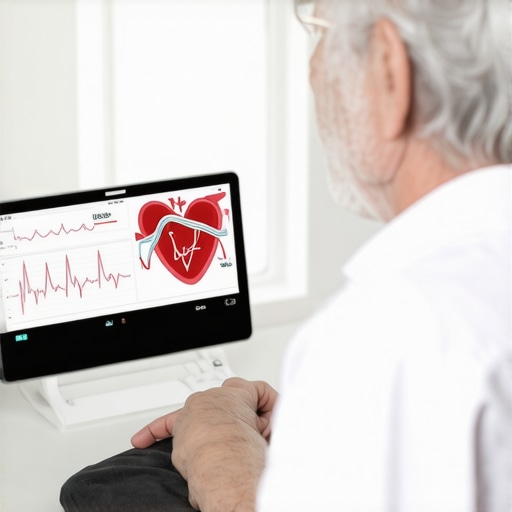
Why Remote Monitoring Isn’t Just a Convenience, but a Medical Revolution
If you think remote health monitoring is just a fancy gadget for tech enthusiasts or a way to cut costs, think again. The real story is deeper, more urgent, and potentially life-saving. The myth that traditional, in-clinic visits are enough to manage heart failure is not only outdated but dangerously false.
In fact, remote monitoring offers benefits so profound they could redefine how we handle chronic conditions. It isn’t just about convenience; it’s about transforming a reactive system into a proactive one—catching trouble before it becomes a catastrophe. You might believe that traditional care suffices, but statistics and real-world data tell a different story. It’s time to challenge the status quo and see remote tools as the frontline in managing heart failure effectively.
The Market is Lying to You
Big healthcare providers and insurance companies might tell you that remote monitoring is optional or secondary. Don’t buy it. They want to keep you dependent on scheduled visits that often happen too late. The truth? Continuous remote data tracking predicts exacerbations far better than episodic check-ups. It turns your living room into a telehealth hub, constantly watching, constantly alerting. If you think this is a luxury, consider how often delayed interventions lead to emergency admissions—costly, risky, avoidable mistakes.
As I argued in this article, real health progress depends on the data you aren’t getting from standard labs or checkups. The same applies for heart failure—it’s time to rethink what regular monitoring can accomplish.
Remote Monitoring Is Not Just About Data, but Saving Lives
Imagine a chess game: every move is crucial, and a single mistake can lead to checkmate. Heart failure patients are often in a similar position—one misstep, one overlooked symptom, and everything can collapse. Remote monitoring tools add that extra layer of foresight, acting as your strategic advisor. They detect subtle shifts in heart rhythm, fluid accumulation, blood pressure fluctuations—hidden changes that, if caught early, shift outcomes dramatically.
Sure, skeptics will argue that technology is imperfect or costly. But is risking a patient’s life worth pennies in savings? Every day that passes without adopting these tools is a gamble with serious consequences. The benefits extend beyond convenience; they pave the way for tailored interventions, fewer hospitalizations, and improved quality of life—things you can’t place a price on.
The Evidence That Undermines Traditional Care
Consider this: studies show that remote monitoring can predict hospitalizations for heart failure patients up to two weeks in advance. That 14-day window isn’t just a statistic; it’s a lifeline. This predictive power stems from continuous data collection—heart rhythms, fluid levels, blood pressure—all monitored relentlessly. Traditional visits, occurring every few months, can’t capture these subtle fluctuations. The evidence clearly indicates that relying solely on episodic checkups leaves patients vulnerable to sudden, preventable crises.
The Root Cause: Why the System Fails Patients
The core issue isn’t patient compliance or doctor oversight; it’s the fundamental design of our healthcare delivery. It’s designed around *reactive* care—waiting for symptoms to manifest before acting. Remote monitoring exposes this flaw. By providing *real-time* data, it shifts care from reaction to anticipation. The problem isn’t technology itself, but the system’s refusal to adopt a *proactive* approach, despite evidence showing that early intervention reduces hospital readmissions by up to 30%. The root cause is a system resistant to change, prioritizing established protocols over innovations that save lives.
The Follow the Money: Who Benefits?
Let’s follow the financial incentives. Insurance companies and hospital systems profit from more frequent visits and emergency admissions. Each avoided hospitalization—thanks to remote monitoring—is a loss for their revenue, creating a built-in bias against these technologies. Conversely, device manufacturers and tech firms benefit from widespread adoption. The system’s reluctance to embrace remote tools isn’t merely inertia; it’s profit-driven. When stakeholders profit from the status quo, meaningful change becomes politically and financially inconvenient. This profit motive explains why remote monitoring is sidelined despite its compelling evidence and obvious benefits.
Moreover, the data underscores a startling reality: that delayed detection of heart failure deterioration leads to costly emergency interventions. These interventions aren’t just expensive—they’re risky and often preventable with continuous data. Yet, the existing system persists—delayed, reactive, unprepared. The evidence points to a clear conclusion: the real systemic barrier isn’t technology—it’s the entrenched economic interests that suppress its adoption. Until the financial incentives realign, the promise of remote monitoring remains underutilized, and patients continue to bear the consequences of a broken system.
Don’t Be Fooled by Traditional Care Assumptions
It’s easy to see why many still believe that in-clinic visits are sufficient for managing heart failure. The familiar rhythm of scheduled appointments, physical exams, and lab tests creates an illusion of control, fostering the misconception that remote monitoring is an unnecessary luxury or a supplementary gadget. Many opponents argue that the current system, with its well-established protocols, provides adequate oversight and that adding new technology complicates care or inflates costs.
They point to concerns about data accuracy, patient compliance, and the potential for false alarms, suggesting that replacing hands-on assessments with continuous data streams may overlook the nuances only a clinician’s touch can perceive. For some, the idea of relying on screens and algorithms appears risky, conjuring fears of technology failures, data breaches, or overdiagnosis.
The Wrong Question Is Relying Solely on In-Clinic Assessments
I used to believe this way too, until I recognized a fundamental flaw: the system’s reactive nature inherently limits its effectiveness. The critical misstep is asking whether remote monitoring replaces physical exams or labs, instead of asking whether it enhances early detection and preventative care. The answer isn’t about choosing one over the other but integrating them seamlessly to catch deterioration before it manifests into an emergency.
Neglecting remote data collection overlooks the fact that subtle physiological changes often precede clinical symptoms by days or weeks. Relying solely on episodic visits fails to provide the continuous vigilance needed to intervene proactively. The real question should be: how do we leverage technology to transform reactive care into a predictive, preventive model?
Challenging the Notion of Cost and Complexity
It’s understandable that skeptics voice concerns over costs and the complexity of implementing remote systems. They worry about technological literacy, data management, and the potential burden on healthcare providers. But these are shortsighted obstacles—issues that can be overcome with thoughtful design, training, and policy adjustments. The real cost lies in missed opportunities, preventable hospitalizations, and declining patient quality of life when we cling to outdated, episodic models.
The upfront investments in remote monitoring pay dividends when fewer emergency visits, shorter hospital stays, and improved patient outcomes result. It’s a classic case of paying now versus paying much more later. The challenge is to see this not as an expense but as a strategic shift towards smarter, more sustainable care.
The Flawed Focus on Technology Faults
The critics often cite potential technology failures or data inaccuracies as reasons to dismiss remote monitoring. It’s a fair concern—no system is infallible. But to fixate on imperfections while ignoring the benefits is a shortsighted mistake. Technology’s role isn’t to replace clinicians but to augment their capacity for early detection. With rigorous validation, continuous improvements, and proper oversight, these systems can be highly reliable.
We don’t abandon lab tests because of occasional errors; instead, we improve quality and interpretative frameworks. The same applies to remote health data. Dismissing the whole approach due to technical glitches ignores the larger potential for saving lives and reducing costs.
Breaking the Habit of Outdated Thinking
By clinging to traditional methods, we risk perpetuating a system that is inherently reactive and, often, too late. The real obstacle isn’t technological feasibility; it’s institutional inertia and the refusal to embrace change rooted in profit or tradition. It’s time to challenge whether the existing care models serve patients or merely sustain the status quo.
As someone who once believed that traditional care sufficed, I now see that missing out on remote monitoring’s potential is a preventable tragedy. The future isn’t about replacing doctors but empowering them with better tools to anticipate, prevent, and personalize care. Clinging to outdated assumptions only delays the inevitable progress towards a smarter healthcare system.
The Cost of Inaction in Heart Failure Management
Failing to adopt remote monitoring in managing heart failure is not merely a missed opportunity; it is a dangerous gamble with lives. When we ignore the wealth of evidence supporting continuous data tracking, we set the stage for preventable tragedies that will ripple through our healthcare system. The stakes are higher than ever—delayed interventions lead to emergency hospitalizations, increased healthcare costs, and, most tragically, loss of lives that could have been saved.
If current trends persist, within five years, the landscape of healthcare could resemble a ticking time bomb. We will witness a surge in preventable crises where patients deteriorate silently until overt symptoms demand urgent, expensive care. Emergency rooms will overflow, and hospitals will struggle under the weight of complications that early detection could have forestalled. The predictive advantage of remote monitoring, which can identify subtle physiological changes days or weeks in advance, will be squandered, rendering proactive care an unattainable ideal.
This inaction will entrench a reactive system that responds late—after damage is done—rather than preventing deterioration altogether. The failure to intervene early will cost countless lives and choke hospital resources. It’s akin to ignoring a small crack in a dam until it bursts, flooding everything downstream. Once the breach occurs, consequences are irreversible. The question remains: how many lives must be lost before we recognize that this is a crisis in the making?
Is It Too Late
We stand at a crossroads. Ignoring the evidence and sticking to traditional, episodic care models leads us down a path lined with avoidable suffering. The window to shift towards proactive, continuous care narrows with each passing day. The longer we delay, the more we embed a system resistant to change, overlooking the life-saving potential of technology that already exists. What are we waiting for? A catastrophe of epic proportions to force us into action? Time is not on our side, and the cost of silence is measured in human lives.
Consider this: our healthcare system is like a car approaching a cliff edge. Continuing on the current path, ignoring early warning signs, guarantees a fall—inevitable and catastrophic. The choice is ours to make now. We can either redirect before it’s too late or watch as preventable crises become the new normal, propelling us into a future where the system, overwhelmed and ineffective, cannot meet the needs of those it serves. The clock is ticking, and the cost of inaction grows heavier with each moment.
Why Remote Monitoring Isn’t Just a Convenience, but a Medical Revolution
If you think remote health monitoring is just a fancy gadget for tech enthusiasts or a way to cut costs, think again. The real story is deeper, more urgent, and potentially life-saving. The myth that traditional, in-clinic visits are enough to manage heart failure is not only outdated but dangerously false.
In fact, remote monitoring offers benefits so profound they could redefine how we handle chronic conditions. It isn’t just about convenience; it’s about transforming a reactive system into a proactive one—catching trouble before it becomes a catastrophe. You might believe that traditional care suffices, but statistics and real-world data tell a different story. It’s time to challenge the status quo and see remote tools as the frontline in managing heart failure effectively.
The Market is Lying to You
Big healthcare providers and insurance companies might tell you that remote monitoring is optional or secondary. Don’t buy it. They want to keep you dependent on scheduled visits that often happen too late. The truth? Continuous remote data tracking predicts exacerbations far better than episodic check-ups. It turns your living room into a telehealth hub, constantly watching, constantly alerting. If you think this is a luxury, consider how often delayed interventions lead to emergency admissions—costly, risky, avoidable mistakes.
As I argued in this article, real health progress depends on the data you aren’t getting from standard labs or checkups. The same applies for heart failure—it’s time to rethink what regular monitoring can accomplish.
Remote Monitoring Is Not Just About Data, but Saving Lives
Imagine a chess game: every move is crucial, and a single mistake can lead to checkmate. Heart failure patients are often in a similar position—one misstep, one overlooked symptom, and everything can collapse. Remote monitoring tools add that extra layer of foresight, acting as your strategic advisor. They detect subtle shifts in heart rhythm, fluid accumulation, blood pressure fluctuations—hidden changes that, if caught early, shift outcomes dramatically.
Sure, skeptics will argue that technology is imperfect or costly. But is risking a patient’s life worth pennies in savings? Every day that passes without adopting these tools is a gamble with serious consequences. The benefits extend beyond convenience; they pave the way for tailored interventions, fewer hospitalizations, and improved quality of life—things you can’t place a price on.
The Evidence That Undermines Traditional Care
Consider this: studies show that remote monitoring can predict hospitalizations for heart failure patients up to two weeks in advance. That 14-day window isn’t just a statistic; it’s a lifeline. This predictive power stems from continuous data collection—heart rhythms, fluid levels, blood pressure—all monitored relentlessly. Traditional visits, occurring every few months, can’t capture these subtle fluctuations. The evidence clearly indicates that relying solely on episodic checkups leaves patients vulnerable to sudden, preventable crises.
The Root Cause Why the System Fails Patients
The core issue isn’t patient compliance or doctor oversight; it’s the fundamental design of our healthcare delivery. It’s designed around *reactive* care—waiting for symptoms to manifest before acting. Remote monitoring exposes this flaw. By providing *real-time* data, it shifts care from reaction to anticipation. The problem isn’t technology itself, but the system’s refusal to adopt a *proactive* approach, despite evidence showing that early intervention reduces hospital readmissions by up to 30%. The root cause is a system resistant to change, prioritizing established protocols over innovations that save lives.
The Follow the Money Beneficiaries of Delay
Let’s follow the financial incentives. Insurance companies and hospital systems profit from more frequent visits and emergency admissions. Each avoided hospitalization—thanks to remote monitoring—is a loss for their revenue, creating a built-in bias against these technologies. Conversely, device manufacturers and tech firms benefit from widespread adoption. The system’s reluctance to embrace remote tools isn’t merely inertia; it’s profit-driven. When stakeholders profit from the status quo, meaningful change becomes politically and financially inconvenient. This profit motive explains why remote monitoring is sidelined despite its compelling evidence and obvious benefits.
Moreover, the data underscores a startling reality: delayed detection of heart failure deterioration leads to costly emergency interventions. These interventions aren’t just expensive—they’re risky and often preventable with continuous data. Yet, the existing system persists—delayed, reactive, unprepared. The evidence points to a clear conclusion: the real systemic barrier isn’t technology—it’s the entrenched economic interests that suppress its adoption. Until the financial incentives realign, the promise of remote monitoring remains underutilized, and patients continue to bear the consequences of a broken system.
Don’t Be Fooled by Traditional Care Assumptions
It’s easy to see why many still believe that in-clinic visits are sufficient for managing heart failure. The familiar rhythm of scheduled appointments, physical exams, and lab tests creates an illusion of control, fostering the misconception that remote monitoring is an unnecessary luxury or a supplementary gadget. Many opponents argue that the current system, with its well-established protocols, provides adequate oversight and that adding new technology complicates care or inflates costs.
The concern about data accuracy, patient compliance, and false alarms is valid—yet, these are shortsighted obstacles. Addressing wait times, or enhancing data validity, are solutions on the horizon. The real question is why this resistance persists when the evidence demonstrates early detection dramatically improves outcomes.
The Flawed Focus Relying Solely on In-Clinic Assessments
Many still ask whether remote monitoring replaces physical exams or labs. That misses the point. The real opportunity lies in integrating continuous data to enhance early detection and prevention. Physiological changes, often hidden from an intermittent glance, occur days or weeks before symptoms appear. Relying solely on episodic visits delays intervention and risks the patient’s life. The question should be: how can we leverage technology to create a seamless, proactive care model that catches deterioration early?
Challenging the Cost and Complexity Perception
Concerns about technological literacy or data management are valid but manageable—like any innovation, they require thoughtful implementation. The true cost is in missed opportunities and preventable crises. The upfront investment pays off in reduced hospitalizations and better patient quality of life. Quick fixes in telehealth infrastructure exemplify how incremental improvements make a difference. Delay is the true expensive error.
The Faults in Technological Reliability Are Overstated
Critics point to potential glitches—yet, every diagnostic tool has imperfections. Dismissing remote monitoring because of technical issues ignores the overall benefits. As with hormonal testing, continuous improvements can prevent the small errors from outweighing lifesaving insights. Technology should augment clinicians, not replace them.
Breaking the Habit of Outdated Thinking
Sticking to traditional methods risks prolonging a reactive, inefficient system. The resistance to change often stems from profit motives and institutional inertia. I once believed this way too—until I saw that ignoring remote monitoring is a preventable tragedy. The future demands that we empower healthcare with tools that detect early, intervene preemptively, and save lives. Clinging to outdated assumptions delays this progress.
The Cost of Inaction Revealed in Lives Lost
Failing to adopt remote monitoring isn’t a mere oversight; it’s a dangerous gamble. Studies show early detection up to two weeks before crisis means fewer hospitalizations and better patient outcomes, yet the system remains hesitant. Each delay costs lives and dollars. Within five years, our healthcare landscape could resemble a ticking time bomb with preventable crises everywhere, overwhelmed hospitals, and unnecessary suffering. Continuing on this path is a choice—a direct invitation to tragedy.
Are We Too Late to Turn Back
Gaps in the current model threaten to turn preventable deterioration into systemic catastrophe. The longer we wait, the more entrenched the resistance becomes, making change harder. The evidence is unequivocal: proactive, remote care saves lives. The question is whether we have the resolve to act before the next avoidable disaster. Time is running out, and the human toll is unforgiving. We can’t afford silence when the stakes are human lives—because silent suffering speaks the loudest.