
3 Smart Home Sensors Every Senior Needs for Better Care
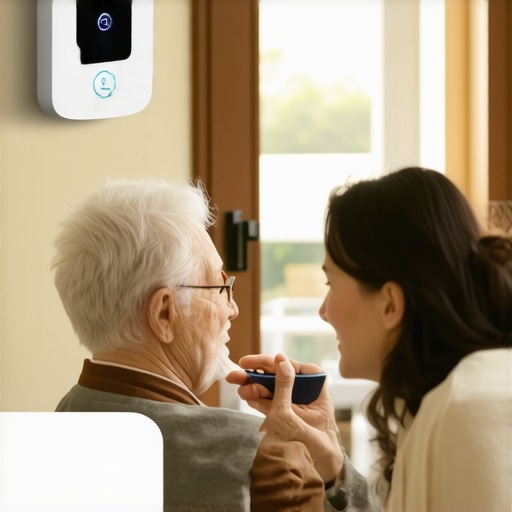
Why This Fails: Relying on Outdated Senior Care
Many assume that the best care for seniors comes from traditional visits to the doctor and periodic check-ins. But that’s a myth rooted in resistance to technology and laziness. In reality, ignoring smart home sensors is like trying to manage a sinking ship with a bucket — it’s inefficient, risky, and increasingly dangerous.
You might think basic alarms or simple fall detectors are enough for your loved ones, but I argue that’s insufficient. The market is flooded with gadgets promising safety, yet most fall short because they ignore the critical need for continuous, real-time data. If you want better care, you don’t just patch the holes — you overhaul the system.
Here’s the provocative truth: the future of senior care isn’t waiting rooms or rushed visits. It’s smart technology integrated into everyday life. And if you’re not embracing it, you’re allowing preventable crises to happen — silently, invisibly, and often too late. To truly protect those you love, you need to understand the three sensors that revolutionize care.
The Hard Truth About Senior Safety Devices
Some sensors are obvious — motion detectors, fall alerts, emergency buttons — but the real game-changers are those that provide continuous insight. These sensors act as the vigilant eyes and ears that never sleep. They track vital signs, environmental hazards, and behavioral patterns, forming a digital safety net that gives caregivers real-time updates and peace of mind. Without them, care is reactive, not proactive.
Think of these sensors as the sentinels on the battleground of health — constantly observing, analyzing, and alerting before disaster strikes. Ignoring them is like fighting a war with a blindfold. Why continue to rely solely on episodic check-ins when technology can paint a detailed and ongoing picture of health? If you’re serious about care, you must understand the importance of these three sensors.
First, a home blood pressure monitor that seamlessly syncs with your devices. As I argued in The Hidden Reason Your Home Blood Pressure Monitor Gives Wrong Readings, accurate data is the foundation of effective care. Don’t settle for cheap, inconsistent devices. Invest in ones that deliver trustworthy readings, and make sure they connect to your digital ecosystem.
Second, smart motion sensors that detect patterns, not just movements. These devices can alert you if grandma’s activity levels drop unexpectedly or if she’s not leaving her chair for hours. It’s about looking for deviations that signal bigger problems. As I wrote in 3 Remote Tools to Skip the Urgent Care, real-time data saves lives by catching issues early.
Third, environmental sensors that monitor temperature, humidity, gas leaks, and fire risks. Why? Because health isn’t just about the body; it’s about the environment that sustains or sabotages it. Ignoring these parameters can lead to unnoticed hazards that compromise the entire care system. These sensors serve as silent guards against unseen threats, much like a strategic fortress.
Refusing to adopt these technologies is a failure to prioritize safety. When caregivers are equipped with continuous data, they transition from reacting to crises to preventing them altogether. That’s the core advantage — a proactive approach that saves time, reduces emergency visits, and prolongs independence.
If you still believe that a quick check-in or a fall alarm is enough, consider this a wake-up call. The landscape of senior care is changing, and those who resist it will be left behind. The question is: are you willing to keep your head in the sand or embrace the digital revolution that redefines safety?
The Evidence of Aging Healthcare Systems
History shows us that clinging to antiquated care models can have devastating consequences. During the 20th century, reliance solely on episodic doctor visits and manual check-ins led to preventable epidemics of illness and unnecessary mortality rates among vulnerable populations. The pattern is unmistakable: when systems ignore technological advances, they become vulnerable to failure.
Today, this replica persists in senior care. The current model—a reactive approach that waits for crises to happen—mirrors past failures. Just as the medieval guilds resisted scientific progress, many caregivers and institutions resist implementing continuous monitoring tech, unwittingly playing a dangerous game of catch-up.
The Root Cause: Fear of Innovation, Not Cost or Complexity
The problem isn’t the complexity of smart sensors or the supposed expense involved. The root issue is *fear*. Fear of change, *fear of losing control*, and a stubborn belief that traditional methods are sufficient. But history teaches us that resistance to progress doesn’t protect the vulnerable; it prolongs their suffering. When safety is anchored in sporadic checks, the data is murky and unreliable—each visit a snapshot, not a story. Regular check-ins are like trying to judge a movie from a single frame.
Advanced sensors—detecting vital signs, environmental hazards, behavioral shifts—are not optional extras; they are the foundation of a proactive safety net. If caregivers refuse to embrace them, it’s not due to cost, but because they’re afraid to relinquish control or admit that their current model is flawed. This fear is what hampers the adoption of life-saving technologies.
The Way the Money Flows: Who Benefits?
This reluctance isn’t accidental. The financial incentives behind resisting tech are glaring. Insurance companies, healthcare providers, and even some pharmaceutical giants profit from the status quo. They benefit from episodic, costly emergency interventions—ambulance rides, hospital stays, prolonged therapies—rather than invested in preventative measures.
For instance, hospitals receive hefty reimbursements for emergency admissions triggered by unmanaged chronic conditions. These companies have little incentive to push continuous monitoring that could prevent such admissions. It’s a classic scenario where *following the money* reveals the true motives for maintaining outdated protocols. The more crises, the more revenue, and the less incentive to innovate.
More insidious is the strategic silence from stakeholders who recognize the benefits but fear disruption. They stand to lose influence and profits if a shift toward integrated, sensor-driven care becomes standard. Their silence sustains inefficient systems—at the expense of the safety and dignity of our elders.
Conclusion: Historical Patterns or Fresh Failures?
Once again, history echoes the warning: systems that refuse to adapt are doomed to falter. The reluctance to fully integrate smart sensors into senior care isn’t accidental; it’s part of a familiar pattern where vested interests oppose progress, even as lives hang in the balance. This resistance isn’t merely institutional inertia; it’s a calculated safeguard for profits and control, flying in the face of the undeniable evidence that continuous, data-driven care saves lives and preserves independence. Ignoring these signals—much like ignoring signs of an imminent storm—will only lead to more tragedies, and a more broken system that leaves our elders behind.
The Trap of Traditional Care Metrics
It’s easy to see why many believe that periodic visits and basic alarms suffice for senior safety. The familiar routines offer a comforting sense of control and simplicity, leading caregivers and families to dismiss the need for continuous monitoring technology. After all, if it isn’t broken, why fix it? This mindset is rooted in a desire to maintain the status quo rather than embracing innovation.
But that completely ignores the reality of aging risks.
Traditional methods can provide reassurance, yet they are fundamentally reactive, leaving seniors vulnerable during the gaps in oversight. Waiting for a crisis to occur before responding is no longer acceptable—especially when technology offers a way to prevent crises altogether. The false sense of security in episodic checks blinds caregivers to subtle but critical changes that precede emergencies.
Another argument often made is concerning cost. It’s assumed that high-tech sensors are prohibitively expensive, and thus unjustifiable. But this view overlooks the larger picture: the true cost of neglecting these innovations includes hospitalizations, prolonged hospital stays, and even fatalities, all of which are far more expensive and traumatic than investing in preventive tools.
Does Safety Really Need to Be Complex?
I used to believe that integrating multiple sensors and technologies would create unnecessary complexity, making care more burdensome. However, this perspective shortsightedly ignores how simplified, integrated systems actually streamline caregiving, reducing the workload and eliminating guesswork. Instead of juggling multiple disjointed devices, caregivers can rely on a cohesive digital ecosystem that provides real-time, actionable insights.
The biggest mistake everyone else makes is underestimating the power of data. They see sensors as gadgets rather than vital components of an intelligent safety network. In truth, these devices are the eyes and ears of an aged-care system that can and should be proactive—not reactive—in protecting our elders.
The Elephant in the Room: Resistance Is Profitable for Some
It’s easy to dismiss resistance as mere inertia, but the harsh reality is that inertia often serves powerful economic interests. Healthcare systems and corporations profit significantly from episodic care, emergency hospital admissions, and procedures—expenses that are drastically reduced when continuous monitoring prevents crises. This creates a perverse incentive to keep the system reactive rather than proactive.
This isn’t about cost or complexity alone; it’s about a strategic, financial calculus that favors the old model. If we accept the notion that caregivers and institutions resist because they’re cautious or beholden to tradition, we overlook the crucial motivation—profit motives that have a vested interest in maintaining the current, outdated approach.
By resisting change, these entities ensure ongoing revenue streams at the expense of seniors’ safety. Recognizing this truth demands that we confront not only the technological but also the economic barriers to progress.
Challenging the Status Quo
This is the critical point: the inertia against adopting smart sensors is often rooted in self-interest, not practical concerns. We must question whether protecting profits is more important than protecting lives. The argument that traditional care suffices ignores decades of evidence showing preventable deaths and needless suffering caused by outdated practices.
In my experience, change is possible only when we acknowledge the underlying economic and cultural resistance. Destroying this resistance involves demonstrating that technology doesn’t replace caregivers but empowers them, enhances their capacity, and ultimately delivers a safer, more dignified quality of life for seniors.
The Cost of Inaction
Failing to adopt advanced sensor technology in elder care sets off a dangerous chain reaction, risking lives and overwhelming healthcare systems. As we ignore these innovations, preventable emergencies escalate, hospitals become overloaded, and families face heartbreaking loss. This negligence transforms a manageable issue into a looming disaster that could unfold quickly, leaving no time for regret.
When sensors that monitor vital signs, environmental hazards, and behavioral shifts are bypassed, subtle warning signs are missed. Small issues snowball into full-blown crises—falls turning into traumatic injuries, unnoticed health deterioration leading to hospital admissions, or environmental dangers causing fires or poisonings. The longer we delay, the more these silent threats accumulate, creating an unstoppable tide that threatens to drown our aging population in preventable tragedies.
What are we waiting for?
This complacency resembles standing on a sinking ship and refusing to tighten the life raft. Each moment of delay adds weight to the impending catastrophe. Without real-time data, caregivers operate in the dark, unaware of crises brewing just beneath the surface. Inaction is not neutral; it guarantees suffering and death where prevention could have prevailed.
The future in five years if this trend persists paints a bleak picture. Emergency rooms will be flooded with avoidable incidents, long-term care facilities overwhelmed beyond capacity, and loved ones burdened with grief and guilt. Our healthcare infrastructure—already strained—will buckle under the weight of preventable conditions that sensors could have detected early. Society will be left grappling with the fallout of neglect, as the true cost of ignoring technology becomes painfully clear.
The Pivotal Moment Amid Stagnation
Continuing down this path is akin to sailing a ship directly into a storm because the crew refuses to alter course. The lesson is sharp and unavoidable: the window for meaningful change narrows relentlessly. The stakes have never been higher. Ignoring these advancements is turning a manageable challenge into a catastrophe waiting to happen.
The technology exists. The principles are proven. Yet, inertia and resistance threaten to turn potential lifesavers into relics of a bygone era. This is the point of no return—either we embrace innovation now, or we risk losing our chance to safeguard our elders effectively. Delay is no longer an option; inaction promises future chaos.
Final Verdict
Delayed adoption of smart sensors in senior care risks turning a manageable challenge into an irreversible tragedy.
The Twist
What if the greatest threat isn’t the technology itself but our refusal to embrace it, rooted in fear and vested interests?
Your Move
The time to act is now. If you believe that sporadic check-ins are enough, you’re betting fragile lives on outdated assumptions. Upgrade your perspective—see continuous, real-time data as the essential shield it is. Explore how integrated sensors can transform care by reading this article and others. Commit to protecting those who trusted us with their independence before it’s too late. Resist the temptation to cling to old habits—innovate, or accept the consequences.
Change isn’t just about technology; it’s about moral responsibility. Dare to challenge the status quo, and refuse to let complacency be the legacy of our elders’ care.