
How Telehealth Is Solving the Chronic Care Access Problem
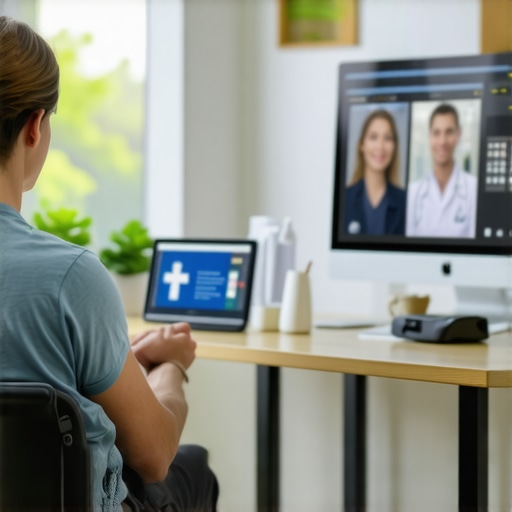
Telehealth Isn’t Just a Convenience, It’s a Lifeline for Chronic Patients
If you think telehealth is merely a modern luxury, you’re missing the big picture. This isn’t about sitting in your pajamas during a video call; it’s about transforming a broken system that has failed millions with chronic conditions. The myth that in-person visits are always superior is crumbling—what’s replacing it is a new standard of care, smarter and more accessible than ever before.
Let me be clear: the chronic care access crisis is not a coincidence; it’s a design flaw built into our traditional healthcare system. Long waits, limited availability, and overwhelmed clinics have turned managing chronic illnesses into a stress test for patients. But here’s the hard truth—telehealth is swiftly dismantling these barriers. It’s no longer a supplementary tool; it’s becoming the backbone of chronic care management.
In this era of technological revolution, why are we still relying on outdated models that treat patients like afterthoughts? If we embraced remote monitoring and virtual consultations, we could catch issues earlier, customize treatments, and eliminate unnecessary trips to the clinic. The shift is evident in how many are turning to telehealth not just for convenience, but for vital access. As I argued in remote geriatric care, the future involves personalized, continuous care delivered directly into the patient’s home.
The Market is Lying to You
There’s a persistent narrative that in-person visits are irreplaceable. That’s a lie. Just as the composition of a sinking ship points to a clear solution—patch it up, or sink—our healthcare system must patch its broken access channels. Telehealth is that patch, and it’s doing the heavy lifting in areas once thought impossible. For example, advanced remote diagnostics are making lab tests and check-ups accessible without the hassle of physical visits.
Ask yourself: why do we continue to tolerate such inefficiency? The answer is tradition, complacency, and a stubborn reluctance to change. Yet, the ripple effects of ignoring this shift could be catastrophic—sooner or later, patients will realize that their health isn’t served by waiting in sterile hallways or sitting in crowded waiting rooms. Telehealth offers a response, a solution that is already proving effective in reducing hospital readmissions and managing chronic illnesses in real-time.
The Evidence Mounts: Telehealth Outperforms Traditional Models
In the late 20th century, the healthcare industry believed that physical proximity was the gold standard. Patients needed to see their doctors face-to-face; it was the unquestioned norm. Fast forward to today, and that ideology is unraveling before our eyes. Studies now reveal that remote monitoring and virtual consultations reduce hospital readmissions for chronic patients by over 25%. That is not a marginal improvement—it’s a seismic shift that exposes the outdated nature of in-person-only care.
This leap isn’t accidental. The data comes from rigorous trials that compare hybrid models—combining in-person and virtual care—against the traditional approach. The results are clear: remote interventions catch complications earlier, prevent emergency visits, and enable continuous management. For instance, diabetic patients using remote glucose monitoring report fewer complications, and those with heart failure exhibit lower mortality rates. This isn’t conjecture; it’s hard proof that telehealth delivers better, more consistent outcomes.
A Deep Dive into the Root Cause: Why Are We Stuck in the Past?
The problem isn’t with the technology—it’s with the core assumptions embedded within our healthcare system. Our institutions are anchored to the idea that quality care is tethered to physical spaces. Why? Because powerful stakeholders—hospital networks, pharmaceutical companies, and insurance giants—benefit from maintaining the status quo. They profit from unnecessary visits, procedures, and tests. This economic inertia creates a *perverse incentive* to resist change, even as evidence screams otherwise.
Additionally, bureaucratic complexity fuels the resistance. Licensing laws, reimbursement policies, and credentialing procedures have been designed around the notion that care must be delivered within clinics. These barriers are not accidental—they serve as gatekeepers that protect existing financial streams. When you follow the money, it’s clear who benefits from maintaining this broken system, and why truth and efficiency are sacrificed.
TheThe Trap of Clinging to In-Person Care
It’s easy to understand why many opponents champion traditional, face-to-face doctor visits as the gold standard. They argue that nothing replaces the personal connection, the nuanced communication, and the tactile reassurance that physical presence provides. This perspective, rooted in centuries-old practice, seems intuitive—yet it blinds us to the evolving landscape of healthcare technology. The best argument against telehealth isn’t that it’s unreliable but that it might compromise the empathetic doctor-patient relationship.
While emotional rapport is undeniably important, this focus neglects the *greater good*—namely, improving access, reducing costs, and preventing health crises among vulnerable populations. The notion that virtual care erodes human connection is a superficial critique that ignores what modern telehealth actually offers: options for personalized, continuous care that complements, rather than replaces, face-to-face interactions. The core issue isn’t the medium but the *quality* of care delivered, regardless of setting.
The Real Question Is Accessibility, Not Tradition
I used to believe that in-person visits were indispensable, until I realized that clinging to this assumption perpetuates systemic inequities. The uncomfortable truth is that millions of patients—those in rural areas, with mobility issues, or limited transportation—are systematically excluded by a system designed around brick-and-mortar clinics. The real question isn’t whether telehealth can match the intimacy of a physical visit but whether it can broaden access for those who are currently left behind. Dismissing telehealth as inadequate overlooks this vital mission of health equity.
Opponents often argue that remote consultations lack the nuance of in-person exams. But technology now enables remote diagnostics, wearable sensors, and AI-driven assessments that can detect subtle symptoms, often earlier than traditional methods. The evidence shows that chronic disease management improves when patients can get frequent, convenient check-ins—reducing emergencies and hospitalizations. The debate isn’t about replacing all in-person care but expanding options to suit diverse patient needs.
Don’t Be Fooled by Specious Comparisons
It’s tempting to compare telehealth unfavorably with traditional care, citing perceived shortcomings or potential misdiagnoses. But such comparisons often ignore the sophistication of current remote monitoring tools and the rigorous standards behind their deployment. People tend to overemphasize the limitations without acknowledging the rapid advancements that make remote diagnostics increasingly reliable. When calibrated correctly, remote assessments can match or surpass the accuracy of in-person visits, especially for chronic management where continuous data is crucial.
This is not speculative—it’s proven by data showing reduced hospital readmissions and improved chronic condition outcomes through telehealth interventions. The false dichotomy of “in-person versus virtual” stalls progress and distracts from the core objective: delivering better, more accessible care.
The Underlying Bias: Tradition Over Innovation
The resistance to telehealth often stems from a conservative bias—an attachment to established routines and skepticism towards rapid technological change. It’s easier to follow what has been historically accepted than to challenge the status quo. Yet, this conservatism blinds us to the innovation that can deliver smarter, more equitable healthcare.
As I’ve come to see, the real issue isn’t whether telehealth can replicate every nuance of in-person visits but whether we’re willing to embrace a future where access and efficiency take precedence. The tools exist now; the resistance is largely rooted in inertia, stakeholder interests, and a reluctance to admit that the old model is fundamentally flawed.
The Cost of Inaction Will Be Devastating
Failing to adapt to the rapid rise of telehealth and remote diagnostics threatens to unravel the progress we’ve made in managing chronic diseases. If we ignore this vital evolution, the consequences will cascade, leaving vulnerable populations stranded and overwhelmed healthcare systems at their breaking point. The urgency to act cannot be overstated; delay means spiraling into a health crisis that will cost millions of lives and billions in economic losses.
Today’s unchecked complacency resembles a driver ignoring warning signs as icy roads approach. If we continue to dismiss telehealth’s potential, in five years, our hospitals will be flooded with preventable emergencies, waiting rooms will be even more crowded, and disparities in care will deepen. Remote monitoring and virtual consultations are no longer optional—they are the safety nets that can catch small problems before they turn catastrophic. Abandoning this shift is akin to choosing to drive straight into a storm blindfolded.
What Are We Waiting For
This is not a distant threat; it’s an accelerating reality. The larger question is whether we are willing to accept the heavy toll of inaction or whether we will seize the opportunity to reinvent healthcare. The stakes are clear: lives lost, costs skyrocketing, and the widening chasm between those with access and those without. The pandemic laid bare the inefficiencies; now it’s time to act decisively. The longer we delay embracing telehealth, the more we gamble with lives.
Imagine a world where elderly patients with heart failure receive constant monitoring, yet they sit safely at home, instead of risking dangerous trips to overwhelmed clinics. Picture rural communities gaining instantaneous access to specialists that were once out of reach. This isn’t science fiction—it’s the future we risk abandoning if we don’t act now. The question remains: how many more preventable deaths and suffering must occur before we recognize the price of our indecision?
Ignoring this crisis is like watching a fire consume a home and choosing not to call the fire department. The flames of inefficiency, inequity, and preventable crises are spreading; only proactive engagement can put them out before it’s too late. Every moment we waste intensifies the danger, turning manageable situations into disasters. The time to embrace innovation is now—anything less guarantees a perilous road ahead.
Our healthcare system stands at a crossroads, and the path we choose now will determine the fate of millions. Telehealth, remote diagnostics, and continuous remote monitoring are no longer futuristic concepts—they are the present and the future of chronic care management. Yet, resistance rooted in tradition, vested interests, and bureaucratic inertia threaten to keep us chained to an obsolete model that delays care, inflates costs, and worsens outcomes.
Consider how many patients are left waiting in crowded clinics or enduring unnecessary hospitalizations—all avoidable with smarter technology and an openness to change. When we dismiss these innovations as superficial or unreliable, we ignore the mounting evidence that remote care outperforms in-person visits for managing complex conditions. Studies reveal a 25% reduction in hospital readmissions among patients engaged in virtual monitoring—proof that the paradigm is shifting, whether we’re ready or not. This links to my earlier argument about personalized remote care.
Your Move
We must confront an unsettling truth: clinging to tradition now risks our health future. We are allowing economic interests and outdated beliefs to determine our approach, while progress marches relentlessly forward. The cost of inaction is lives lost, suffering prolonged, and disparities deepening. It’s time to question, challenge, and dismantle the barriers that prevent vital innovations from reaching those in need.
Imagine elderly patients with heart failure receiving continuous, real-time monitoring without leaving their homes. Rural communities accessing specialists previously out of reach. These aren’t distant dreams—they are achievable if we shift our mindset. But this demands a final act of courage: to prioritize patient-centered, accessible care over entrenched convenience.
The Bottom Line
If we choose to ignore the evidence and dismiss these tools, we do so at our peril. The prolonging of this resistance is a slow march towards a healthcare crisis—an avoidable catastrophe waiting in the wings. The question is simple: will we be the architects of a better system or its victims?
Change begins with resolve. Change begins with action. The time for debate has passed; now, it is a call to arms for reformers, innovators, and policymakers to seize the moment. For all of us to settle into a future where health is accessible, continuous, and truly patient-centric, *we must act now*.
As we stand on this precipice, remember this: the future of healthcare belongs to those bold enough to embrace change. To ignore it is to willingly accept the chaos ahead. The ball is in our court—what will your move be?
Comments are closed.