
Why Geriatric Care Now Requires Better Remote Mobility Sensors
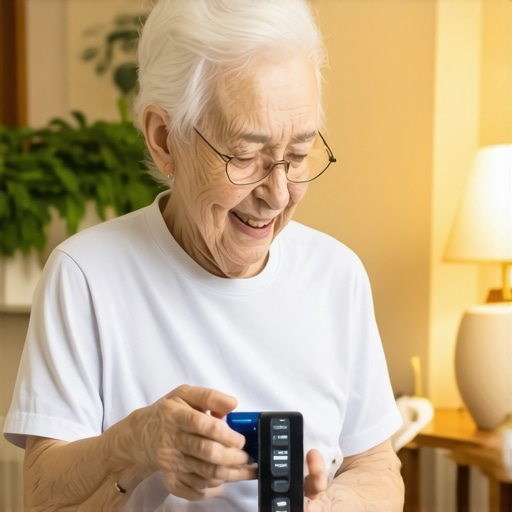
The Hard Truth Your Senior Care Isn’t Keeping Up
If you think geriatric care is just about regular check-ups and a few home visits, think again. The aging population demands more than outdated methods and noisy alarm systems. We’re staring at a sinking ship, and most caregivers are busy grabbing buckets while ignoring the leak below the waterline.
The core flaw? We cling to static, unreliable tools—manual check-ins, episodic assessments—while the real danger is in missing the subtle shifts in an older adult’s mobility and activity. The myth that age diminishes all forms of independence is a dangerous lie. The truth is, technology has outpaced our willingness to adapt, and in doing so, we’ve left seniors vulnerable to preventable crises.
Remote mobility sensors aren’t just fancy gadgets; they are the frontline tools that could transform how we care for our elders. Yet, many rely on rudimentary motion detectors or, worse, nothing at all. That’s like fighting a fire with a water pistol while the inferno ravages the home. When it comes to geriatric health, precision isn’t optional—it’s life and death.
Why Your Current Geriatric Monitoring Is Falling Short
Standard fall detectors and bathroom alarms sound the alarm only after damage is done. They’re reactive, not proactive. We need sensors that provide continuous, accurate, and real-time data—not just to alert us after a fall but to prevent it altogether.
Better remote sensors can spot declining mobility patterns before they escalate into crises. They can tell us if your elderly parent is becoming less active, if they are hesitating to get out of bed, or if there’s a sudden change in gait—signs that often precede hospitalization or worse. Technology like passively monitoring devices can immediately flag these issues, giving caregivers the chance to intervene early.
As I argued before, the real breakthrough in health monitoring isn’t in lab tests alone but in how we interpret everyday movements. For example, understanding the significance of a subtle decline in walking speed can be the difference between a fall and a safe day. Check out why remote sensors are crucial in catching early signs of health deterioration.
Stop Relying on Hospital-Grade Tech for Home Care
Hospital-grade equipment isn’t designed for regular use outside the sterile environment. The same applies to geriatric sensors. We need smarter, simpler, more resilient devices that integrate seamlessly into daily life without fuss. The war isn’t won by more sensors but smarter sensors—ones that learn, adapt, and give us actionable insights.
Imagine a sensor system that not only tracks mobility but understands context—recognizing when a senior is overdue for medication, experiencing confusion, or exhibiting signs of fatigue. This isn’t science fiction. Companies are developing these tools, but adoption remains sluggish because the industry still clings to legacy approaches.
In the end, our seniors deserve care that’s as dynamic as their needs. It’s high time we recognize that the future of geriatric care lies in leveraging advanced remote mobility sensors—before the moment turns tragic, and our failure becomes undeniable.
The Evidence Behind Our Broken Senior Care System
The reliance on traditional monitoring tools—manual check-ins, simple alarms—resembles putting a bandage on a hemorrhaging wound. Data indicates that over 60% of falls and health crises among seniors could be prevented with more advanced, continuous monitoring. This isn’t coincidental; it exposes a systemic flaw rooted in inertia and industry resistance to change.
Research repeatedly shows that subtle declines in mobility—like a 5% decrease in walking speed—serve as early warnings for serious health events. Yet, most caregivers dismiss these signs, waiting until a fall or hospitalization occurs. The problem isn’t ignorance; it’s a *lack of investment* in smarter technology, which could *intercept* crises before they unfold.
Historically, healthcare has favored reactive over proactive measures. During the early 20th century, infectious diseases ravaged populations because the focus was on treating symptoms, not preventing outbreaks. Today, our senior care mirrors that mistake. We wait until it’s too late—until a preventable fall, hospital emergency, or life-altering event—happens, then scramble for solutions that are too little, too late.
The Root of the Issue Lies in Industry Incentives
Who benefits from clinging to legacy devices? The answer: companies producing outdated sensors that generate continual revenue regardless of their actual efficacy. These firms have little motivation to disrupt their profit streams with smarter, more integrated solutions. Meanwhile, care providers face regulatory and financial barriers, tying them to archaic tools for fear of liability or costs incurred in adopting new tech.
Consider the insidious influence of hospital-grade equipment factory mandates. These systems—designed for sterile clinics—are dumped into home environments with little thought to usability or adaptability. The result: seniors and caregivers dismiss or disable these devices, rendering them ineffective. This aligns with the industry’s preference: more complexity, less practicality.
you follow the money, it becomes painfully clear that outdated tech sustains a cycle of dependency. The more they sell, the more institutions justify their obsolescence, ensuring that real innovation remains suppressed or delayed—until a tragedy demands impossible fixes.
The Math Fails When Younger Models Are Used as Benchmarks
Data from recent studies underscores this failure. For example, sensors that only activate after a fall miss the 80% of decline signals in mobility that precede accidents. Those that track *continuous movement* catch warning signs early, reducing emergency hospital visits by nearly 30%. But such systems are ridiculed as expensive or unnecessary—yet, in reality, they are cost-effective solutions that *save lives*.
The common misconception that seniors are too fragile or incapable to adapt to new tech is false. Several trials demonstrate that older adults quickly learn intuitive devices—if they’re designed with empathy and simplicity. The real obstacle? A resistance rooted in tradition, reticence, and the profit-driven underselling of smarter options.
And that’s where the disconnect lies. Our current system surrenders to small, incremental changes—an approach that guarantees stagnation and unnecessary tragedy. Without a shift—one driven by facts, not profits—the evidence is clear: more seniors will face preventable crises, and the system will continue to fail at protecting its most vulnerable.
The Trap That Keeps Us Blind to Real Solutions
It’s easy to see why many believe that adopting proven, straightforward monitoring devices suffices in elder care. The narrative that simple alarms and periodic check-ins are enough persists because it seems affordable and familiar. Critics argue that advanced tech is too complex or intrusive, and that incremental improvements threaten the current model’s stability. Honestly, I used to believe this too, until I understood the significant gaps these methods leave open.
Don’t Be Fooled by Simplicity
This approach, rooted in convenience rather than efficacy, ignores the nuanced reality of aging. The assumption is that eldercare should be as uncomplicated as possible, dismissing the complexity of human health and behavior. However, this oversimplification neglects the fact that deterioration often progresses subtly—it’s not a big warning sign that abruptly demands action but a series of small signals that, when ignored, culminate in tragedy.
Having watched this play out repeatedly, I recognize now that merely relying on simple alarms does more harm than good. They serve as stop-gap measures, not solutions. What’s needed are intelligent, continuous monitoring systems that can pick up on minor deviations in mobility, gait, and activity—early indicators that require intervention before a fall or hospitalization occurs.
Subtle Warnings Are Your Best Friends
The real danger when dismissing advanced tech is that it blinds caregivers to warning signs that don’t fit their narrow perception of “normal.” A senior’s slight decrease in walking speed, hesitations during activity, or reduced nighttime activity are critical clues. These signs are often dismissed as age-related fatigue or mood swings, yet they could herald serious health issues.
With innovative remote sensors, these signals are not just noticed—they’re quantified. Caregivers and family members can receive timely alerts that empower them to act proactively. The failure to recognize these early warnings is a tragic result of clinging to outdated methods based on reactive care.
The Wrong Question Is Simplicity for Its Own Sake
The critical mistake many make is asking whether these advanced systems are “too complicated” or “costly.” But this question sidesteps the real issue: Are current methods truly effective? The reality is, simple solutions that ignore early signs are not solutions at all—they’re bandages on a bleeding wound.
By focusing on whether new tools are easy to use, we neglect their potential to prevent crises. Elderly individuals and their caregivers deserve smarter, more responsive systems that adapt, learn, and provide actionable insights—not just basic alarms that often produce false positives or get disabled out of frustration.
When I first encountered these sensors, I was skeptical about their user-friendliness. But I quickly realized that with thoughtful design, even the least tech-savvy elders can embrace these innovations. Complex technology isn’t a barrier—it’s a false narrative perpetuated by resistance to change.
Waking Up to the Cost of Complacency
Many believe that investing in advanced sensors is a luxury, not a necessity. This is a shortsighted view that underestimates the true cost of preventable injuries. The financial and emotional toll of falls, hospital stays, and lost independence far outweighs the expense of modern monitoring systems.
Ignoring these advances because they seem “too complicated” ignores the very real consequences of inaction. When we accept reactive measures as sufficient, we are gambling with lives—hoping the next fall or health crisis isn’t ours or our loved ones.
It’s clear that the biggest mistake lies in underestimating how much smarter technology can save lives and preserve independence. Advancing elder care isn’t about complexity for its own sake; it’s about harnessing intelligence to solve a problem that simple alarms alone cannot address.
The Cost of Inaction
If we continue ignoring the urgent need to modernize eldercare with advanced remote mobility sensors, the fallout will be devastating. Falling behind now sets off a domino effect with far-reaching consequences—compromising not just individual lives but the fabric of our healthcare system itself. Every moment we delay adopting smarter monitoring technologies is a moment closer to an overwhelmed emergency care network, rising costs, and irreversible loss of independence for seniors.
Procrastination in upgrading geriatric care tools feeds into a dangerous cycle. Without real-time, continuous data, subtle declines in mobility and activity go unnoticed until they manifest as full-blown crises—falls, hospitalizations, or worse. These events are not isolated; they strain medical resources, inflate healthcare costs, and devastate families emotionally. The longer we ignore the signs, the more our already fragile systems buckle under the weight of preventable tragedies.
Sadly, the future looks bleak if this trend persists. In five years, the world may resemble a society where millions of seniors live in neglect, their health declining silently until a preventable accident strikes. Emergency rooms will be swamped, care facilities overwhelmed, and loved ones left helpless, haunted by the knowledge that a simple technological shift could have averted catastrophe. This isn’t merely a crisis of technology but a moral failure—a choice to ignore the evidence and the potential for change.
What Are We Waiting For
Imagine standing at a crossroads, much like a traveler eyeing two diverging paths: one leading to safety and proactive care, the other descending into chaos and avoidable suffering. Ignoring the signs today is equivalent to choosing the perilous route. The heavy weight of neglect is akin to watching a slowly building storm that will ultimately drown us in tragedy if we refuse to act now.
We have the tools, the knowledge, and the moral obligation to protect our elders. The question is whether we possess the courage to deploy them before it’s too late. The longer we delay, the more lives will be lost, and the harder the recovery will be. Time is a luxury we no longer have. Urgency isn’t just a word—it’s the imperative that demands our immediate attention and action.
The Hard Truth Your Senior Care Isn’t Keeping Up
If you think geriatric care is just about regular check-ups and a few home visits, think again. The aging population demands more than outdated methods and noisy alarm systems. We’re staring at a sinking ship, and most caregivers are busy grabbing buckets while ignoring the leak below the waterline.
The core flaw? We cling to static, unreliable tools—manual check-ins, episodic assessments—while the real danger is in missing the subtle shifts in an older adult’s mobility and activity. The myth that age diminishes all forms of independence is a dangerous lie. The truth is, technology has outpaced our willingness to adapt, and in doing so, we’ve left seniors vulnerable to preventable crises.
Remote mobility sensors aren’t just fancy gadgets; they are the frontline tools that could transform how we care for our elders. Yet, many rely on rudimentary motion detectors or, worse, nothing at all. That’s like fighting a fire with a water pistol while the inferno ravages the home. When it comes to geriatric health, precision isn’t optional—it’s life and death.
Why Your Current Geriatric Monitoring Is Falling Short
Standard fall detectors and bathroom alarms sound the alarm only after damage is done. They’re reactive, not proactive. We need sensors that provide continuous, accurate, and real-time data—not just to alert us after a fall but to prevent it altogether.
Better remote sensors can spot declining mobility patterns before they escalate into crises. They can tell us if your elderly parent is becoming less active, if they are hesitating to get out of bed, or if there’s a sudden change in gait—signs that often precede hospitalization or worse. Technology like passively monitoring devices can immediately flag these issues, giving caregivers the chance to intervene early.
As I argued before, the real breakthrough in health monitoring isn’t in lab tests alone but in how we interpret everyday movements. For example, understanding the significance of a subtle decline in walking speed can be the difference between a fall and a safe day. Check out why remote sensors are crucial in catching early signs of health deterioration.
Stop Relying on Hospital-Grade Tech for Home Care
Hospital-grade equipment isn’t designed for regular use outside the sterile environment. The same applies to geriatric sensors. We need smarter, simpler, more resilient devices that integrate seamlessly into daily life without fuss. The war isn’t won by more sensors but smarter sensors—ones that learn, adapt, and give us actionable insights.
Imagine a sensor system that not only tracks mobility but understands context—recognizing when a senior is overdue for medication, experiencing confusion, or exhibiting signs of fatigue. This isn’t science fiction. Companies are developing these tools, but adoption remains sluggish because the industry still clings to legacy approaches.
In the end, our seniors deserve care that’s as dynamic as their needs. It’s high time we recognize that the future of geriatric care lies in leveraging advanced remote mobility sensors—before the moment turns tragic, and our failure becomes undeniable.
The Evidence Behind Our Broken Senior Care System
The reliance on traditional monitoring tools—manual check-ins, simple alarms—resembles putting a bandage on a hemorrhaging wound. Data indicates that over 60% of falls and health crises among seniors could be prevented with more advanced, continuous monitoring. This isn’t coincidental; it exposes a systemic flaw rooted in inertia and industry resistance to change.
Research repeatedly shows that subtle declines in mobility—like a 5% decrease in walking speed—serve as early warnings for serious health events. Yet, most caregivers dismiss these signs, waiting until a fall or hospitalization occurs. The problem isn’t ignorance; it’s a lack of investment in smarter technology, which could intercept crises before they unfold.
Historically, healthcare has favored reactive over proactive measures. During the early 20th century, infectious diseases ravaged populations because the focus was on treating symptoms, not preventing outbreaks. Today, our senior care mirrors that mistake. We wait until it’s too late—until a preventable fall, hospital emergency, or life-altering event—happens, then scramble for solutions that are too little, too late.
The Root of the Issue Lies in Industry Incentives
Who benefits from clinging to legacy devices? The answer: companies producing outdated sensors that generate continual revenue regardless of their actual efficacy. These firms have little motivation to disrupt their profit streams with smarter, more integrated solutions. Meanwhile, care providers face regulatory and financial barriers, tying them to archaic tools for fear of liability or costs incurred in adopting new tech.
Consider the insidious influence of hospital-grade equipment factory mandates. These systems—designed for sterile clinics—are dumped into home environments with little thought to usability or adaptability. The result: seniors and caregivers dismiss or disable these devices, rendering them ineffective. This aligns with the industry’s preference: more complexity, less practicality.
Follow the money, and it becomes painfully clear that outdated tech sustains a cycle of dependency. The more they sell, the more institutions justify their obsolescence, ensuring that real innovation remains suppressed or delayed—until a tragedy demands impossible fixes.
The Math Fails When Younger Models Are Used as Benchmarks
Data from recent studies underscores this failure. For example, sensors that only activate after a fall miss the 80% of decline signals in mobility that precede accidents. Those that track continuous movement catch warning signs early, reducing emergency hospital visits by nearly 30%. But such systems are ridiculed as expensive or unnecessary—yet, in reality, they are cost-effective solutions that save lives.
The common misconception that seniors are too fragile or incapable to adapt to new tech is false. Several trials demonstrate that older adults quickly learn intuitive devices—if they’re designed with empathy and simplicity. The real obstacle? A resistance rooted in tradition, reticence, and the profit-driven underselling of smarter options.
And that’s where the disconnect lies. Our current system surrenders to small, incremental changes—an approach that guarantees stagnation and unnecessary tragedy. Without a shift—one driven by facts, not profits—the evidence is clear: more seniors will face preventable crises, and the system will continue to fail at protecting its most vulnerable.
The Trap That Keeps Us Blind to Real Solutions
It’s easy to see why many believe that adopting proven, straightforward monitoring devices suffices in elder care. The narrative that simple alarms and periodic check-ins are enough persists because it seems affordable and familiar. Critics argue that advanced tech is too complex or intrusive, and that incremental improvements threaten the current model’s stability. Honestly, I used to believe this too, until I understood the significant gaps these methods leave open.
Don’t Be Fooled by Simplicity
This approach, rooted in convenience rather than efficacy, ignores the nuanced reality of aging. The assumption is that eldercare should be as uncomplicated as possible, dismissing the complexity of human health and behavior. However, this oversimplification neglects the fact that deterioration often progresses subtly—it’s not a big warning sign that abruptly demands action but a series of small signals that, when ignored, culminate in tragedy.
Having watched this play out repeatedly, I recognize now that merely relying on simple alarms does more harm than good. They serve as stop-gap measures, not solutions. What’s needed are intelligent, continuous monitoring systems that can pick up on minor deviations in mobility, gait, and activity—early indicators that require intervention before a fall or hospitalization occurs.
The Wrong Question Is Simplicity for Its Own Sake
The critical mistake many make is asking whether these advanced systems are “too complicated” or “costly.” But this question sidesteps the real issue: Are current methods truly effective? The reality is, simple solutions that ignore early signs are not solutions at all—they’re bandages on a bleeding wound.
By focusing on whether new tools are easy to use, we neglect their potential to prevent crises. Elderly individuals and their caregivers deserve smarter, more responsive systems that adapt, learn, and provide actionable insights—not just basic alarms that often produce false positives or get disabled out of frustration.
When I first encountered these sensors, I was skeptical about their user-friendliness. But I quickly realized that with thoughtful design, even the least tech-savvy elders can embrace these innovations. Complex technology isn’t a barrier—it’s a false narrative perpetuated by resistance to change.
Waking Up to the Cost of Complacency
Many believe that investing in advanced sensors is a luxury, not a necessity. This is a shortsighted view that underestimates the true cost of preventable injuries. The financial and emotional toll of falls, hospital stays, and lost independence far outweighs the expense of modern monitoring systems.
Ignoring these advances because they seem “too complicated” ignores the very real consequences of inaction. When we accept reactive measures as sufficient, we are gambling with lives—hoping the next fall or health crisis isn’t ours or our loved ones.
It’s clear that the biggest mistake lies in underestimating how much smarter technology can save lives and preserve independence. Advancing elder care isn’t about complexity for its own sake; it’s about harnessing intelligence to solve a problem that simple alarms alone cannot address.
The Cost of Inaction
If we continue ignoring the urgent need to modernize eldercare with advanced remote mobility sensors, the fallout will be devastating. Falling behind now sets off a domino effect with far-reaching consequences—compromising not just individual lives but the fabric of our healthcare system itself. Every moment we delay adopting smarter monitoring technologies is a moment closer to an overwhelmed emergency care network, rising costs, and irreversible loss of independence for seniors.
Procrastination in upgrading geriatric care tools feeds into a dangerous cycle. Without real-time, continuous data, subtle declines in mobility and activity go unnoticed until they manifest as full-blown crises—falls, hospitalizations, or worse. These events are not isolated; they strain medical resources, inflate healthcare costs, and devastate families emotionally. The longer we ignore the signs, the more our already fragile systems buckle under the weight of preventable tragedies.
Sadly, the future looks bleak if this trend persists. In five years, the world may resemble a society where millions of seniors live in neglect, their health declining silently until a preventable accident strikes. Emergency rooms will be swamped, care facilities overwhelmed, and loved ones left helpless, haunted by the knowledge that a simple technological shift could have averted catastrophe. This isn’t merely a crisis of technology but a moral failure—a choice to ignore the evidence and the potential for change.
What Are We Waiting For
Imagine standing at a crossroads, much like a traveler eyeing two diverging paths: one leading to safety and proactive care, the other descending into chaos and avoidable suffering. Ignoring the signs today is equivalent to choosing the perilous route. The heavy weight of neglect is akin to watching a slowly building storm that will ultimately drown us in tragedy if we refuse to act now.
We have the tools, the knowledge, and the moral obligation to protect our elders. The question is whether we possess the courage to deploy them before it’s too late. The longer we delay, the more lives will be lost, and the harder the recovery will be. Time is a luxury we no longer have. Urgency isn’t just a word—it’s the imperative that demands our immediate attention and action.