
The Hidden Danger of Ignoring Your Home Blood Pressure Readings
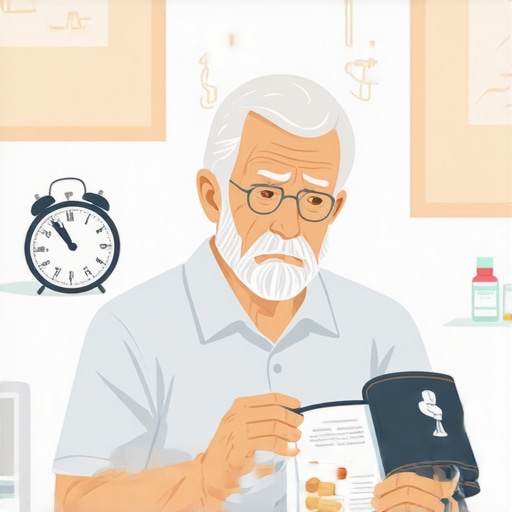
Why Silent Blood Pressure Ignorance Could Be Your Greatest Threat
You may believe that once a doctor checks your blood pressure during an annual physical, you’re safe. Think again. The real danger lies in dismissing your daily home readings, a habit many consider trivial but which can silently devastate your health.
Here’s the truth: ignoring your home blood pressure data is akin to sailing a ship with a foggy compass. You might think the storm is far off, but in reality, a silent intruder—hypertension—is inching closer. These readings are your early warning system, yet too many treat them as optional extras or nuisances, rather than lifesaving data points.
The myth that a single, in-office reading defines your health needs to be shattered. Blood pressure fluctuates, varies with stress, activity, and even time of day. A snapshot taken in a clinic is not representative of your everyday reality. When you ignore your home readings, you’re flying blind in a landscape riddled with dangers, much like soldiers navigating enemy territory without a map.
Many won’t realize the danger until it’s too late—until a stroke, a heart attack, or kidney failure strikes unexpectedly. Ignoring these readings isn’t just negligent; it’s reckless. Regular monitoring at home is accessible and straightforward, yet it is a step dismissed by the health industry and by patients alike. The consequence? You risk missing the subtle yet insidious creep of uncontrolled hypertension.
Moreover, there’s a disturbing trend of healthcare providers neglecting to review patient-generated data, focusing solely on in-office statistics. This disconnect diminishes the importance of your home readings and fosters a false sense of security. As I emphasized before, your blood pressure is a moving target, and care must be tailored accordingly. Don’t let the mariner’s compass sit unused—because the ship and your health depend on it.
If you want to genuinely protect yourself, start by understanding that your blood pressure isn’t a one-time measurement but a story told over days and weeks. As I argued in my previous pieces, integrating this data into regular care can prevent crises before they happen, not after. Pages like why Monday visits often miss the real issue have already shown how superficial assessments overlook deeper risks.
The clock is ticking. Your health isn’t a game of chance—yet ignoring your blood pressure is exactly that. Time to stop treating home readings as an annoyance and start viewing them as your first line of defense against one of the most deadly silent killers known to mankind.
The Evidence That Cannot Be Ignored
Decades ago, the medical community brushed off the significance of daily home blood pressure monitoring, dismissing it as unnecessary. Fast forward to today, and that complacency has led to a silent epidemic. The critical point is that consistent, accurate data from home readings often reveal a troubling trend: blood pressure levels that fluctuate unpredictably, climbing to dangerous heights unnoticed in clinical settings. Studies show that over 50% of hypertensive patients experience significant variations between office and home readings, with some cases revealing dangerous spikes that never surface during clinic visits. This isn’t coincidence; it’s a stark warning that relying solely on in-office metrics is a flawed approach—one that dismisses real, tangible evidence central to effective care.
The Root Cause of Neglect
The core issue isn’t merely patient negligence or provider oversight; it’s a system designed for superficial assessment. The problem is rooted in outdated medical protocols that prioritize episodic measurements over continuous data collection. This approach is akin to judging a book by a single page—if the page’s content fluctuates, the overall story is misrepresented. The real danger is that healthcare providers often ignore or undervalue the wealth of information patients bring from their home monitors, fostering a false sense of security that can be deadly. This systemic oversight diminishes the importance of ongoing monitoring and perpetuates a false narrative that a brief in-office check suffices, ignoring the evidence that hypertension is a searingly dynamic condition.
The Financial Incentives Shaping Practice
Curiously, the healthcare industry’s economic architecture rewards episodic care. Reimbursements favor quick consultations and in-office tests over long-term patient engagement or multi-day blood pressure tracking. Pharmaceutical companies also play a role by promoting medications that are often prescribed without adequate assessment of home readings. Meanwhile, clinics benefit from repeat visits—a lucrative cycle—regardless of whether these visits effectively address underlying issues. The profit motive subtly incentivizes a reactive model: treat symptoms temporarily, rather than monitor and manage the condition proactively. Thus, those who gain financially from this setup—be it large pharma, hospital systems, or component providers—are the very entities perpetuating the neglect of vital, ongoing data. Their interests influence policies, leading to a deaf-ear stance toward patient-generated information, which could, in some cases, eliminate the need for expensive, repeat interventions.
The Consequences of Ignoring the Data
Consider this: untreated, unmonitored hypertension silently damages arteries, kidneys, and the heart. The cascade leads to strokes, heart attacks, and renal failure—events that often occur when the damage has become irreversible. The startling part is that many sufferers don’t realize the danger until they’ve hit a crisis point. The evidence suggests that ignoring your home readings *increases* your risk exponentially. A single episode in the clinic doesn’t paint the full picture. It’s the accumulation of unnoticed elevations—those nightly spikes or stress-induced surges—that cause the real harm. The data isn’t just numbers; it’s life or death, yet the system treats them as optional or secondary, jeopardizing countless lives.
Follow the Money: Understanding the Incentives
Who profits from dismissing this data? Not the patients. They carry the burden of silent progression, often unaware until it’s too late. The clinics, hospitals, and pharmaceutical giants—these entities see the status quo as beneficial. They foster a cycle where measurements are transactional, not transformative. The industry benefits from treating acute events that could have been prevented, translating to higher costs and more visits. This profit-driven paradigm ensures that the true value of home blood pressure monitoring remains undervalued, sharpening the divide between patient awareness and systemic negligence. The more blood pressure remains a black box—hidden, misunderstood—the greater the profit for those who prefer reactive care over preventative strategies.
Critics Will Say Tracking Your Blood Pressure at Home Is Overkill
It’s easy to see why some argue that regular home blood pressure monitoring is unnecessary, claiming that occasional in-office checks are sufficient for diagnosing and managing hypertension. They suggest that such personal tracking adds complexity without clear benefit, and that medical professionals can identify issues through routine visits alone.
They argue that the variability in individual readings, potential for measurement errors, and the inconvenience of daily monitoring outweigh any supposed advantages. Some even question the cost-effectiveness, asserting that patients might become overly anxious or fixated on minor fluctuations that aren’t clinically significant.
But that completely ignores the real problem—the pacing of hypertension management and systemic oversight.
I used to believe that occasional clinic measurements would catch significant issues, but data contradicts that assumption. Daily monitoring reveals patterns and spikes that in-office visits simply can’t capture. The episodic nature of traditional checks leaves critical information unrecorded and opens the door to missed diagnoses and delayed treatment.
The broader issue is that relying solely on periodic clinic visits is a shortsighted approach that ignores the dynamic reality of blood pressure fluctuations. These variations can be subtle yet profound, and they often occur outside the scope of what a clinician can observe during a single appointment.
Another flaw in the critics’ logic is underestimating patient empowerment. When individuals track their own blood pressure, they’re more engaged and better informed, which fosters proactive health behaviors. Dismissing home monitoring as unnecessary deprives patients of this vital tool, indirectly diminishing their role in their own health management.
Indeed, technology now makes this process accessible, affordable, and straightforward. The argument that it’s an inconvenience ignores how seamlessly modern devices integrate into daily routines. For every person who finds it burdensome, there are many who gain life-saving insights from consistent checks.
Furthermore, critics often oversimplify the complexities of hypertension management. They overlook how silent and unpredictable hypertension can be. Without continuous data, healthcare providers are essentially blind to the real-time state of a patient’s cardiovascular health.
This systemic oversight aligns with the outdated idea that blood pressure is static and only warrants attention during appointments. It’s akin to judging the weather based on a single snapshot—an approach destined to miss the storms brewing behind the scenes.
In truth, the opponents’ position ignores the compelling evidence that home blood pressure monitoring reduces the risk of catastrophic cardiovascular events. Numerous studies demonstrate that patients who track their readings and share them with their providers have better outcomes, fewer hospitalizations, and improved quality of life.
While concerns about accuracy are valid, they can be addressed through proper technique and validated devices. The real issue is complacency driven by systemic inertia—an unwillingness to adapt to evidence that calls for more continuous and participatory management.
In this light, dismissing home blood pressure monitoring isn’t just shortsighted—it’s outright dangerous. As healthcare evolves, the question isn’t whether monitoring adds value, but whether we’re willing to embrace the responsibility and benefits it offers.
The Cost of Inaction
If we continue to dismiss the importance of everyday blood pressure monitoring, the consequences will be devastating, not just for individuals but for healthcare systems worldwide. The silent progression of unmanaged hypertension can lead to catastrophic events—stroke, heart failure, kidney failure—that devastate lives and drain resources. With each passing day of neglect, we inch closer to a future where preventable deaths become commonplace, overwhelming hospitals and leaving families shattered.
This isn’t a distant menace; it’s an urgent crisis unraveling in real-time. The healthcare infrastructure is already strained, and without immediate change, the burden will escalate exponentially. The longer we wait, the more irreversible damage accumulates, making trauma and disability inevitable for millions. Time is our most precious resource—once it slips away, so does the opportunity to prevent the preventable.
A Choice to Make
The decision before us isn’t merely about individual health—it’s a moral imperative. We have the tools, technology, and knowledge to prevent countless tragedies, but systemic inertia keeps essential data from informing personalized care. Ignoring these signals is tantamount to neglecting our responsibility to ourselves and future generations. The onus is on policymakers, medical providers, and individuals alike to recognize that proactive blood pressure management isn’t optional; it’s a duty.
Failing to act now will set a dangerous precedent, where complacency becomes a societal norm. We will accept higher mortality rates, increased disability, and skyrocketing medical costs—all because we refused to heed the warning signs. The moral question is clear: are we willing to gamble with our lives and our future on the illusion that superficial assessments suffice?
The Point of No Return
This is a crossroads—continue down the path of neglect or embrace a new paradigm of ongoing, informed health monitoring. Ignoring the data is like navigating a ship without a compass during a raging storm; sooner or later, you’re destined to run aground. The analogy couldn’t be more apt: we are sailing into uncharted waters, and the choice to ignore the silent alarms will determine whether we reach safe shores or wreck amidst the waves of preventable tragedy.
What are we waiting for? The window for meaningful change narrows each day. If recent trends persist, in five years, our overwhelmed hospitals, rising mortality rates, and fractured communities will serve as grim testaments to our collective failure. The future is plain—without decisive action, we face a world where preventable health crises dominate, and the true cost of neglect becomes an irreversible stain on society. The time to change course is now; the stakes couldn’t be higher.
Your Move
The final verdict is clear: disregarding your home blood pressure readings is a gamble with your life. In the age of telehealth and remote monitoring, trusting fleeting office visits over consistent data is an outdated gamble that could cost you everything.
The twist? The real danger hasn’t vanished; it’s evolving in the quiet corners of your everyday routine. While hospitals chase after episodic snapshots, your daily data whispers truths that could prevent catastrophe. Ignoring that info isn’t just neglect—it’s surrendering to a systemic brokenness that profits from your silence.
Are you ready to reclaim control? Your health depends on recognizing that blood pressure isn’t a static number; it’s a dynamic story worth listening to. The next time you dismiss your home readings as trivial, remember: they are the first line of defense against an invisible killer lurking in the shadows.
Here’s your challenge: Stop treating your blood pressure data as optional. Invest in proper monitoring, understand the patterns, and demand that your healthcare provider prioritize this continuous story. Because in the fight against silent hypertension, silence is surrender—and your health deserves a loud, unwavering voice.