
How to Handle a Fever Spike When Your Pediatrician Is Closed
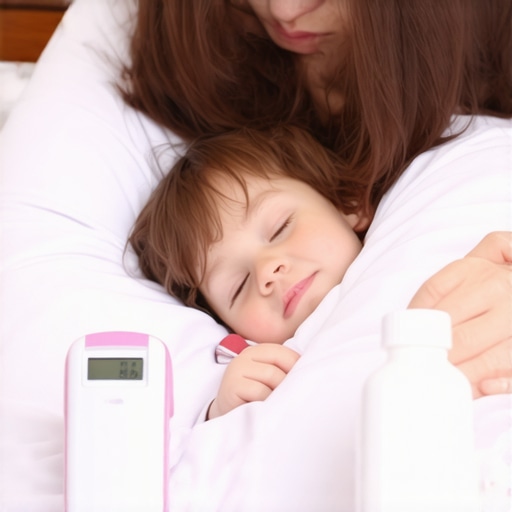
Why Your Fear of Fever Spikes is Misguided
If you’re a parent, the sight of your child’s fever soaring while the pediatric office is closed can feel like a crisis. You might think, “This is an emergency,” but honestly, it’s often just parental anxiety masquerading as real danger. The truth is, fever is a symptom—not the disease itself—and knowing how to handle it without overreacting is a skill every caregiver needs.
Many parents panic because they believe that any fever above 100.4°F warrants immediate medical attention. This misconception fuels unnecessary visits to urgent care centers, inflates medical bills, and disrupts family life. But the human body is designed to handle this minor elevation in temperature; it’s a natural response to infection, aimed at fighting pathogens. Instead of fearing every rise, we should learn to interpret and manage fever intelligently.
What most parents don’t realize is that there’s a fine line between vigilance and overreaction. Treating every fever as an impending catastrophe does more harm than good—causing stress, unnecessary medication, and even delaying appropriate care when real emergencies arise. So, why are we still relying solely on the pediatrician’s immediate availability? The modern healthcare landscape offers tools like telehealth and urgent care that empower you, the parent, to act decisively when your doctor isn’t around.
Handling a fever spike isn’t about panic; it’s about understanding your child’s overall behavior and symptoms. Is the child lethargic or unresponsive? Are they having difficulty breathing? Is there a rash or persistent vomiting? If these signs are absent, chances are you can manage the fever at home with basic measures and careful observation. For detailed guidance on managing pediatric fever, I recommend checking out this article.
Temporary Pediatrician Closure Doesn’t Mean Medical Crisis
The healthcare system’s over-reliance on immediate access has led us to forget that not every symptom requires an emergency room visit. We often confuse urgency with panic, neglecting the fact that most fevers resolve within a day or two with simple supportive care. Instead of calling the ambulance at the first sign of a fever spike, reassess your child’s overall condition and use available resources to stay calm and in control.
The Evidence that Supports Calm, Informed Care
Statistics from pediatric health studies reveal that over 80% of children with fevers recover without medical intervention within 48 hours. This data underscores a critical point: most fevers are natural immune responses, not harbingers of catastrophe. Yet, the prevailing culture insists on immediate medical attention, driven by a misunderstanding of what fever signifies. This overreaction stems from systemic incentives that prioritize quick fixes over patient education, fueling unnecessary visits and medical bills.
Historically, in the early 20th century, childhood fevers were considered dangerous signals requiring urgent care. However, as microbiology advanced and vaccines became widespread, mortality rates plummeted. Despite this, the deeply ingrained fear persists. It’s a problem not of medical knowledge but of cultural perception—fear has overruled evidence, leading parents to seek emergency care for benign symptoms. This pattern mirrors historical episodes where fear-driven practices delayed appropriate, less invasive treatment, ultimately causing more harm than good.
The root cause lies in a misaligned healthcare system that benefits from parental anxiety. Clinics, urgent care centers, and emergency rooms are financially motivated by high patient turnover. *Every* visit—particularly avoidable ones—generates revenue. The more parents defer to professionals at every cough or spike, the more the system profits. This creates a perverse cycle: fear amplifies demand, which in turn sustains the very infrastructure that encourages overmedicalization.
Consider the role of telehealth, a tool often touted as a solution. While telehealth has expanded access, it is sometimes used to justify unnecessary diagnoses, feeding the cycle further. The providers benefit financially whether they recommend antibiotics or reassurance. Who profits? Not the families suffering from anxiety, but the system eager to monetize every symptom. The true irony is that these economic incentives foster panic rather than calm, pushing caregivers into the emergency room at the first sign of elevated temperature.
A Broken System Drives Parental Fear
Look beyond individual cases; examine the broader context. The medical community’s emphasis on rapid intervention—often without sufficient emphasis on education—reinforces the idea that fevers are dangerous. This messaging seeped into societal consciousness, shaping expectations for immediate treatment. Meanwhile, consistent data shows that most fevers resolve with basic supportive care. Yet, the narrative remains skewed. Parents feel compelled to seek urgent care, not because they believe their child is in mortal danger, but because the system implicitly assures them that delay could be disastrous.
When the healthcare economy incentivizes alarm over calm, it’s no surprise that fears distort parental instincts. They’re caught in an echo chamber, where the loudest voice tells them: “Act now or risk harm.” This is the *primary* driver of unnecessary medical visits. The evidence contradicts this fear-mongering: most fevers are transient, manageable, and benign. But it’s precisely this contradiction that exposes the profiteering embedded within our health system, profiting from—and perpetuating—an outdated, fear-fueled paradigm.
The Trap of Instant Reaction
Many parents and healthcare providers alike are caught in the misconception that every elevated temperature necessitates prompt medical intervention. It’s easy to see why this belief takes hold; in an age of instant communication and quick fixes, the instinct to act immediately seems rational, even necessary. The pressing concern is safeguarding the child’s health, after all. But this mentality ignores critical nuances about fever and the body’s natural responses.
I used to believe that every fever indicated a severe problem requiring urgent care until I realized that such reactions are often based on outdated assumptions rather than current evidence. The best argument against cautious overreaction is that most fevers are harmless and self-limiting, serving as the body’s natural way of fighting infection. Overreacting can lead to unnecessary testing, medication, and anxiety, which might do more harm than good.
The Wrong Question Is Immediate Intervention
Focusing solely on the temperature number distracts from the real signs of danger. Instead of asking, “Should I rush to urgent care?” caregivers should consider overall behavior—are they responsive, able to hydrate, and maintaining normal activity? This shift in perspective is vital because most fevers resolve with supportive care at home. Overmedicalization constrains parents’ confidence and encourages reliance on health systems designed for urgency, not everyday pediatric care.
Jumping to the worst-case scenario fosters a cycle where fear overrides rational assessment. Recognizing that fever is a symptom, not a diagnosis, helps to decouple elevated readings from catastrophic outcomes. It’s important to remember that the vast majority of pediatric fevers settle within 48 hours without antibiotics or invasive testing—statistics that are often ignored in the rush for immediate intervention.
*I used to think that missing a sign of a serious illness could be deadly, but the evidence_SHOWS_ that vigilant observation and understanding fever’s role in immune response prevent unnecessary trauma to children and families.*
Addressing the Barriers to Calm Care
One of the critical issues is systemic—healthcare models incentivize quick visits, often calling for tests and prescriptions that aren’t always justified. The rise of telehealth has been seen as a solution, yet it sometimes perpetuates the same cycle. When providers recommend tests or antibiotics without considering the context, they reinforce the idea that every symptom must be medically scrutinized immediately. This creates a perception among parents that self-care is insufficient, fueling demand for unnecessary interventions.
Paying lip service to patient education without backing it with systemic change compounds the problem. As long as clinics and urgent care centers benefit financially from high patient turnover, the fear of missing a serious illness remains common. Consequently, parents learn to equate a fever with imminent danger, a mindset that becomes deeply ingrained and difficult to shake.
This dynamic is compounded by societal messaging that equates childhood illness with emergency, rather than a normal immune process. Such narrative shifts have profound consequences, encouraging hyper-vigilance instead of balanced observation.
Isn’t it time we challenge this narrative? To stop viewing fevers as alerts requiring immediate rescue and start recognizing them as part of the natural healing process? Only then can we empower parents with confidence and reduce unnecessary strain on healthcare resources.
The Cost of Inaction
If we continue to dismiss the importance of trusting parents and understanding the natural course of childhood fevers, the consequences will be devastating. Our healthcare system, already strained, risks spiraling into chaos as unnecessary emergency visits and interventions become the norm. This relentless cycle drains resources, wastes valuable medical personnel time, and distracts from genuine health crises that demand urgent attention. Over time, this reckless disregard for evidence-based care cultivates a society increasingly dependent on medical systems to treat what could be managed at home, leading to a loss of parental confidence and autonomy.
As these habits solidify, the societal perception of childhood illness shifts from a manageable process to a perpetual emergency. Children may undergo invasive testing and unwarranted medication, exposing them to potential harm and side effects, all while the real dangers are ignored or delayed. This overmedicalization also fosters a culture of fear, where every minor symptom triggers a flood of anxiety-driven responses, diverting focus from essential health promotion and disease prevention.
The Future Looks Bleak
If this trend persists over the next five years, our collective approach to pediatric care will fundamentally deteriorate. Healthcare resources will be more fragmented, overburdened by preventable visits, and driven by profit motives rather than patient well-being. Children will be subjected to increasingly invasive procedures, not because they need them, but because systemic incentives reward unnecessary interventions.
Imagine a healthcare landscape where parental intuition is disregarded, replaced by overreliance on technology and protocols that prioritize quick fixes over understanding. Trust in medical professionals diminishes, replaced by paranoia, fueling more unnecessary visits and treatments. This vicious cycle mirrors a society steadily drowning in preventable fears, with each fever, cough, or rash viewed as a ticking time bomb instead of a normal part of childhood immune development.
What Are We Waiting For
Like driving a car toward a cliff, the question is: what are we waiting for to change course? The analogy is simple: ignoring the mounting evidence and parental wisdom is akin to steering blindly into disaster, with no plan to brake or turn away. Every unnecessary hospital visit and invasive test adds weight to this impending catastrophe, draining our resources and endangering future generations’ health autonomy. The time to act is now, before the damage becomes irreversible. We must recognize that embracing evidence, empowering parents, and reevaluating systemic incentives are our best defenses against this looming catastrophe.
The Final Verdict
Parenting in the era of hyper-medicalization demands that we trust our instincts, understand the natural course of childhood fevers, and challenge systemic incentives that profit from parental panic.
The Twist
Every fever isn’t a sign of impending doom; it’s a testament to the incredible resilience of a child’s immune system—yet our healthcare system often incentivizes fear over calm reasoning, fueling unnecessary treatments and visits.
Your Move
It’s time to detach from the cycle of panic and systemic overreach. Educate yourself on managing minor fevers and recognize when professional intervention is truly warranted. Use resources like this guide to empower your decisions. Demand that healthcare providers prioritize education over propagation of alarm, and refuse to let economic incentives dictate your child’s health narrative. Trust your child’s cues, stay informed, and challenge the narrative that every spike in temperature spells catastrophe. The future of responsible pediatric care depends on your courage to think differently.