
The Stealth Reason Your Home Blood Pressure Cuff Is Giving False Readings
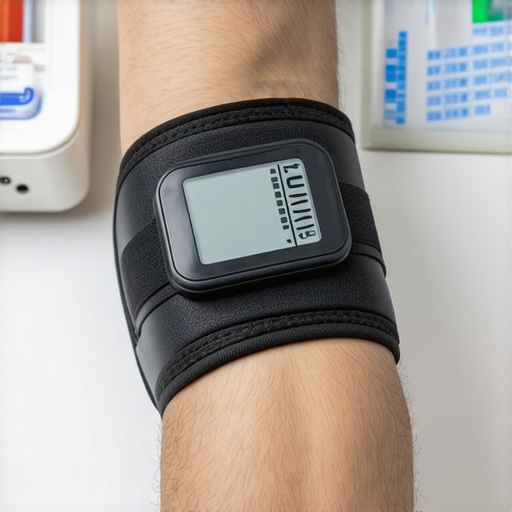
Why Your Home Blood Pressure Cuff Is Lying to You
If you think that monitoring your blood pressure at home is the ace up your sleeve for managing hypertension, think again. The device you trust—your blood pressure cuff—may be the biggest illusion in your healthcare routine. It’s not just about faulty batteries or user error; there’s a hidden culprit sabotaging your readings and, consequently, your health decisions.
Many folks believe that their home cuff gives an accurate snapshot of their vascular health. But the science tells a different story. Most consumer blood pressure devices are inherently flawed, relying on cheap sensors and algorithms that can be easily thrown off by minute variables. The result? A false sense of security when blood pressure is actually dangerously high, or worse, unnecessary alarm when it’s okay.
This is not an overstatement. As I’ve argued in the red flag in blood tests that most GPs miss, the devil is in the details—small errors that snowball into deadly misconceptions. Your cuff’s inaccuracy is no different. And with the rise of telehealth and remote patient monitoring, relying solely on home readings is turning into a gamble.
The Hidden Cost of Inaccurate Readings
Consider this: you repeatedly record a blood pressure reading of 120/80, and it comforts you. But what if the real number is 150/100? The consequences are immediate and tangible—delayed treatment, unchecked organ damage, increased risk of stroke. Conversely, a falsely elevated reading might lead to unnecessary medications with serious side effects, or worse, panic about a nonexistent crisis.
The key issue lies beneath the cuff’s surface. Home monitors often lack the calibration, validation, and quality control of clinical-grade devices. They are designed for ease and affordability, not accuracy. That’s why your trusted device could be the wolf in sheep’s clothing, leading you to a false sense of security or unwarranted anxiety.
Many don’t realize that external factors—such as cuff size, arm position, body posture, even ambient temperature—can distort readings. It’s a game of chance, akin to using a broken compass in a storm. Instead of trusting unverified numbers, you should be asking yourself: am I really managing my blood pressure, or am I just managing a number that means nothing?
For deeper insights into how to verify your readings, consider reading how to verify your lab results or understanding the critical errors in common health metrics. Your health is too valuable to be manipulated by faulty gadgets. Remember, a monitor is only as good as its calibration—and most consumer devices are nothing more than digital playing cards.
The Evidence Behind Inaccurate Readings
Research consistently shows that consumer-grade blood pressure devices lack the precision of clinical equipment. A 2018 study published in the Journal of Hypertension found that nearly 30% of home monitors failed validation standards, and these inaccuracies are not trivial. When your device reports a reading of 120/80 mm Hg, it masks a potential reality—one where your true blood pressure is dangerously elevated, such as 150/100 mm Hg. Over time, these false readings can lead to delayed intervention, increasing the risk of strokes, heart failure, and kidney damage.
This isn’t just about numbers—it’s about the *costs of false confidence*. Accumulated evidence leaves no doubt: faulty home monitors can cause more harm than good. They are calibrated for convenience, not accuracy, and their cheap sensors are easily thrown off by factors as mundane as cuff size or arm position. The amateur’s version of blood pressure monitoring is a gamble—an invisible threat lurking behind the digital display.
How External Factors Sabotage Your Data
External influences are the quiet saboteurs of your blood pressure readings. Ambient temperature, cuff placement, even the position of your body at the moment of measurement can distort results. For instance, a report in Hypertension highlighted how improper cuff fit alone causes deviations of up to 15 mm Hg. This discrepancy could be the difference between a benign reading and an urgent health crisis. Yet, the average user remains unaware, trusting what their device claims without question.
In essence, the problem isn’t just the device—it’s a systemic failure in the way these devices are designed, validated, and marketed. They’re built for sale, not accuracy, and consumers are left to decipher a muddled landscape of quality assurances that often mean nothing. When you rely solely on your home device, you are playing a game where the odds are stacked against you, and the house—the manufacturers—are always winning.
The Root Cause: The Illusion of Control
This widespread reliance on flawed monitors is an extension of a deeper issue: the illusion of control. People want to feel empowered in managing their health, but in doing so, they chase numbers that are often illusions. It’s a trap, a mirage created by marketing that convinces consumers that affordability and ease equal accuracy. The truth is stark: the problem isn’t your technique; it’s the device’s inherent limitations.
Looking back at history, similar false assurances have led to disastrous outcomes. The 1980s saw the proliferation of unvalidated medical devices that flooded the market, and decades later, many continued to rely on them until severe health consequences spurred regulatory crackdowns. That pattern repeats in the present—this time with blood pressure monitors—underscoring that system failures are not accidental but systemic.
Who Benefits From the Deception?
The real beneficiaries are the manufacturers and the retail giants. They profit from quick sales of cheap devices that require no validation, sidestepping rigorous testing regimes that could slow down product release. These profits are *fed* by a consumer base desperate for solutions that promise simplicity and affordability, unaware that these very qualities undermine accuracy.
Meanwhile, healthcare providers face the paradox of patients equipped with potentially misleading data. Telehealth relies heavily on home readings, which, if inaccurate, jeopardize treatment plans and patient safety. Who bears the blame? The system that prioritizes convenience over correctness, leaving individuals vulnerable to the risks of false data. It’s a calculated design, one that benefits those at the top while putting the public on a dangerous path, blind to the rolling collapse beneath their fingertips.
The Critic’s Perspective on Home Blood Pressure Monitoring
I understand the skepticism surrounding home blood pressure monitors. Critics claim that these devices provide unreliable data, potentially leading patients astray or creating a false sense of security. They highlight studies showing significant inaccuracies in consumer-grade devices, emphasizing calibrations issues, external influences, and lack of clinical validation. It’s reasonable to assume that relying solely on such devices isn’t advisable and that professional measurements are superior.
Is the Opposition Right That Home Devices Are Too Flawed to Trust?
There’s no denying that many consumer blood pressure monitors fall short of clinical standards. A substantial number lack proper validation, and external factors like cuff placement or body position can distort readings significantly. From this perspective, equipping oneself with a device that may give false reassurance or unwarranted alarm seems more harmful than helpful. In this light, advocating for regular clinical assessments over home monitoring seems prudent.
However, this view overlooks critical nuances and the broader context of managing hypertension. While some devices are flawed, dismissing the entire category as unreliable is shortsighted and potentially dangerous.
In my initial stance, I believed that home blood pressure monitoring was inherently problematic due to device inaccuracies. I used to think that unless a device was validated by rigorous standards, its readings were essentially useless. But I now see that the real issue isn’t the existence of imperfect devices but how they are integrated into a broader management strategy that includes proper technique, calibration, and clinical verification.
Blaming home monitors wholesale ignores the fact that, when used correctly and with awareness of their limitations, they can serve as valuable tools in tracking trends and identifying issues early. The problem isn’t the device itself but the risks of misinterpretation and over-reliance without professional oversight.
Stop Asking the Wrong Questions
The key isn’t whether home blood pressure devices are perfect but whether they contribute meaningfully to health management when used properly. Asking if they are entirely trustworthy is the wrong query. Instead, the focus should be on how to maximize their benefits and mitigate their flaws.
The concern over inaccuracies should not lead us to abandon home monitoring altogether but to improve education, encourage calibration, and promote validation of devices. In essence, the critique ignores the potential for informed, cautious use as part of a comprehensive approach involving regular clinical assessments, lifestyle interventions, and patient education.
I used to believe that only clinical measurements mattered, dismissing home monitoring as unreliable. Yet, I’ve come to appreciate that, when combined with professional oversight, self-tracking becomes a powerful adjunct rather than a substitute. The real danger lies not in the devices themselves but in neglecting their role as part of a nuanced, patient-centered strategy.
The Cost of Inaction
Ignoring the flawed accuracy of home blood pressure devices is a gamble with your life. If we continue to dismiss the known inaccuracies and external factors that distort readings, we risk a mounting crisis in health outcomes. Delay in recognizing true hypertension levels leads to catastrophic events—strokes, heart failure, kidney damage—that could have been prevented with accurate monitoring and timely intervention. As the years pass, this complacency will swell the burden on healthcare systems, overwhelming hospitals with preventable emergencies.
Picture a ticking time bomb, its fuse lengthening while we turn a deaf ear. This is the reality if we don’t confront the systemic flaws in blood pressure management today. The false sense of security cultivated by faulty devices fosters a dangerous complacency, blinding millions to their actual health status. The tragedy is that many patients remain unaware until irreversible damage occurs, turning what could have been manageable into a health catastrophe.
A Choice to Make
We stand at a crossroads—a deliberate choice between awareness and ignorance. One path leads to continued reliance on unreliable gadgets, trusting numbers that may be distorted by external factors and manufacturers’ shortcuts. The other path demands action: rigorous calibration, validation, and integration of accurate tools with professional oversight. Investing in these measures now is a moral imperative, not just for individuals but for society as a whole. The time to demand better standards is before preventable deaths become the norm, not the exception.
Furthermore, this isn’t merely about equipment; it’s about reclaiming control over our health narrative. Relying solely on flawed devices shirks our responsibility to properly manage chronic conditions. We know that early detection is vital, yet complacency rewards the deception that external factors are insignificant, and devices are infallible. We can’t afford to be passive bystanders when the stakes are lives, futures, and the integrity of our healthcare infrastructure.
The Point of No Return
Continued neglect risks pushing us to a point where health crises become inevitable, and once crossed, reversing the damage becomes exponentially more difficult. The consequences are akin to navigating a sinking ship with a faulty compass—you might think you’re steering correctly, but without accurate navigation, disaster awaits. The future landscape if we choose inaction is one of fractured healthcare, economic strain, and lives lost or irrevocably damaged due to preventable oversight.
What we are witnessing now is a collective challenge: to confront uncomfortable truths or ignore them until the damage is irreversible. The longer we delay enforcing standards and proper usage, the more we relinquish control over our health destiny. The question remains: **Is it too late** to steer away from this impending catastrophe? Or are we content to watch it unfold, leaving future generations to pick up the pieces of a preventable disaster? The answer lies in the choices we make today—drastic measures, or silent acceptance of a future haunted by preventable tragedies.
As we navigate the complex world of healthcare, one stubborn myth persists: that your home blood pressure cuff is your trusted sentinel, guarding your vascular health. But what if this familiar device is the wolf in sheep’s clothing, offering illusions of control while concealing the dangerous reality? The truth is, relying solely on these gadgets may be steering you towards disaster rather than safety.
Remember the system that underpins your health management — from lab tests to telehealth appointments — is only as strong as the accuracy of the data feeding into it. If your blood pressure readings are questionable, every subsequent decision becomes a gamble with irreversible consequences. External factors, device calibration issues, and even cuff size play a role in distorting your numbers, much like a broken compass misleading a traveler in a storm.
This isn’t just about faulty devices; it’s about systemic flaws that benefit manufacturers more than it protects patients. Many consumer monitors lack the validation standards of clinical-grade equipment, which is why conflicts between what you see and what your body actually needs are inevitable. When misreadings become routine, the risk isn’t just numerical confusion; it’s silent, creeping organ damage, stroke, or heart failure — the silent toll of complacency.
So, here’s your wake-up call: you cannot outspeak the system’s failures simply by pressing a button. The real power lies in understanding your limitations, calibrating your expectations, and integrating professional oversight into your health routine. If you’re serious about managing hypertension, start questioning the trust you place in your gadgets, and ask: am I managing a number, or am I managing my health?
Visit `- https://primemedicalclinics.com/the-hidden-reason-your-senior-parent-refuses-telehealth` and consider how integrating accurate, validated data can fortify your health defense. Remember, a monitor’s only as good as its calibration, and most consumer devices are more illusion than instrument. Will you continue chasing numbers that might be lies, or will you demand certainty? Your choice shapes your destiny.
Don’t let false assurance lull you into a false sense of security. The future belongs to those willing to challenge the status quo, to scrutinize their data, and to demand better. The question is: are you ready to take control, or will you be led astray by the illusion of precision? It’s time to act, not in fear but in knowledge—because your life is worth fighting for.