
Why Normal Glucose Ranges Are Masking Your Early Insulin Resistance
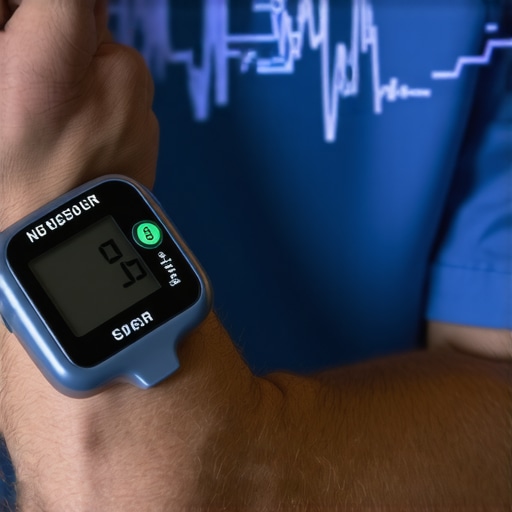
The Myth of Normalcy and the Danger It Masks
You’ve been told that if your blood sugar falls within the “normal” range, you’re healthy. But the cold truth is, those standard numbers are hiding a silent threat: early insulin resistance. Many are lulled into complacency because their fasting glucose or HbA1c appears harmless, yet beneath this facade lurks a metabolic storm brewing, often years before any symptoms manifest.
It’s akin to checking the surface of a sinking ship and ignoring the ominous cracks underneath. Normal glucose readings give a false sense of security, blinding us to the metabolic chaos building silently within. I argue that our reliance on these egocentric markers is one of the biggest preventive failures in modern medicine. The typical ranges have become a smokescreen, preventing early intervention and paving the way for full-blown diabetes and cardiovascular calamities.
Why This Fails—The Flawed Foundation of Standard Blood Tests
Think of your body’s glucose regulation like a chess game. Moves are subtle, and often, the first signs of trouble are hidden in the shadows. The common tests used—fasting glucose, HbA1c—are like looking at only one piece of the board. They fail to tell the full story because they don’t capture nuances like insulin sensitivity or the inflammatory processes that precede sugar dysregulation.
Even if your fasting glucose is under 100 mg/dL, it doesn’t mean your body’s insulin response isn’t tanking. The body can compensate for years, maintaining normal glucose levels while the real issue—insulin resistance—is quietly gaining ground. As I pointed out in my analysis of lab markers, relying solely on these outdated parameters misses the early signals of metabolic breakdown.
The Hidden Threat of Normal Glucose Readings
So, why are we still clinging to these outdated yardsticks? Because they are easy, cheap, and familiar. Doctors often overlook the subtler signs because they look for clear thresholds. But what if I told you that your “safe” fasting sugar might still be a red flag? The key lies in understanding insulin’s role and recognizing that blood sugar stability at rest isn’t an assurance—it’s a lull in the storm.
Research shows that insulin resistance can develop long before blood sugar climbs, and by the time it does, damage is already done. It’s like noticing the ship has already taken on water while inspecting only the surface. You must look deeper—consider markers like insulin levels, fasting insulin, or even a comprehensive metabolic panel.
Many are unaware that post-meal blood sugar spikes can be early indicators before fasting glucose begins to rise. The importance of dynamic testing is evidenced by experts who advocate for additional assessments, especially when symptoms or risk factors are present. Public health messaging, however, remains narrowly focused, neglecting these early-warning tools.
The Urgent Need to Rethink Screening and Prevention
So, why do we accept this limited view? Because it simplifies the narrative, it keeps the masses compliant, and it feeds the lucrative cycle of late-stage treatments. But complacency is a killer when it comes to metabolism. Early insulin resistance is like a shadowy game of chess; by the time you’re aware, the checkmate is already set.
If you want to get ahead, you need to ask your doctor for more comprehensive testing. Consider **[lab markers that explain your brain fog better than a physical](https://primemedicalclinics.com/3-lab-markers-that-explain-your-brain-fog-better-than-a-physical)** or inquire about insulin sensitivity assessments. Don’t settle for the superficial; if you still believe that normal fasting sugar equates to health, you’re playing a dangerous game.
The Historical Echo of Oversight in Medical Testing
In 1970, medical professionals relied heavily on blood pressure readings as the sole indicator of cardiovascular health. For decades, these metrics served as the gatekeepers, guiding treatment and diagnosis. But the story took a dark turn when, despite normal blood pressure, the true arterial damage was silently progressing, culminating in heart attacks and strokes. The lesson is clear: superficial markers can be deceiving, masking a deeper pathology.
This history echoes today with blood sugar tests. We’ve been conditioned to see ‘normal’ fasting glucose and HbA1c levels as the gold-standard health indicators. Yet, just like high blood pressure, these measures are only part of the story. They fail to reveal the early insidious stages of insulin resistance, which silently undermine metabolic integrity, much like the unnoticed arterial plaque buildup in 1970s patients.
The Root Cause Analysis: The Illusion of Normalcy
The core problem isn’t merely flawed tests; it’s a misconception embedded in our health paradigm. Our reliance on static, snapshot measures—fasting glucose, HbA1c—is rooted in the illusion that these numbers reflect the entire metabolic picture. But biology doesn’t operate in static moments; it dances in dynamic processes. Insulin sensitivity, inflammatory responses, and cellular health are fluid states that such tests fail to capture. This misconception creates a dangerous complacency, where normal results lull patients and doctors into a false sense of safety.
Consider that insulin resistance begins years before fasting glucose levels creep above 100 mg/dL. Research demonstrates that during this asymptomatic window, the body compensates. Pancreatic beta cells produce more insulin, yet standard tests don’t measure insulin levels or sensitivity directly. This compensation masks the storm brewing beneath—a collapse that, once realized, often leaves irreversible damage in its wake.
The Evidence of Subclinical Decline
Studies show that elevated fasting insulin levels—an early marker—can be present in individuals with entirely normal fasting glucose. For instance, a person with a fasting insulin of 15 μU/mL, well within the traditional normal range, is actually on the cusp of dysfunction. This isn’t an anomaly but a signpost pointing toward declining insulin sensitivity. Ignoring this evidence is equivalent to dismissing early warning signals—failing to read the smoke before the fire ignites.
Moreover, postprandial glucose spikes precede fasting elevations. These transient elevations, often overlooked, are predictive of future metabolic failure. Dynamic testing—like oral glucose tolerance tests, or better yet, insulin sensitivity panels—are essential tools for uncovering the real state of metabolic health. Yet, they are seldom employed, because the prevailing paradigm prioritizes convenience over accuracy.
The System’s Incentive: Keep It Simple, Keep It Profitable
Why does our medical system cling to these flawed markers? Because simplicity sells. Fasting blood tests are cheap, quick, and familiar. They serve the convenience of providers and the insurance systems that reimburse them. But this convenience comes at a horrendous cost: the perpetuation of untreated insulin resistance, leading to chronic illnesses that generate relentless revenue streams for pharmaceutical and clinical enterprises.
Who benefits from this? The established industry, the laboratories, and the healthcare providers feeding off long-term disease management. The public, meanwhile, remains oblivious, lulled into a false sense of security by a test that tells them everything is fine—until, suddenly, it isn’t. This cycle of neglect is a calculated policy designed to prioritize short-term simplicity over long-term health.
The Hidden Math of the Silent Collapse
Consider the data: a 20% decline in insulin sensitivity over a decade isn’t a small change; it’s an **unraveling** of health. This decline doesn’t show up on a standard blood test until it’s too late. By the time fasting glucose rises, the damage is extensive—vessels are compromised, metabolic pathways are deranged, and the groundwork for disease is laid. The math of this progression is clear: early markers, such as insulin levels and even waist circumference, provide critical insights that are systematically ignored.
And yet, the system persists with outdated parameters, because acknowledging this reality would threaten the status quo. Instead, it profits from our ignorance, ensuring that preventative measures remain elusive, and chronic conditions flourish. The entire framework is built on the assumption that blood sugar tests are sufficient—yet evidence proves otherwise.
The Trap of Simplicity in Medical Testing
While it’s tempting to rely on simple, standardized tests like fasting glucose and HbA1c as definitive markers of health, this approach dangerously oversimplifies the complex nature of metabolic health. Critics argue these tests are accessible, cost-effective, and provide a quick overview, making them indispensable tools in preventive medicine. They highlight that these measures have been validated through decades of research and clinical practice, forming the backbone of current screening protocols.
Don’t Be Fooled by the Comfort of Norms
It’s easy to accept ‘normal’ readings as a sign of safety, especially when they are embedded in medical guidelines. However, this perspective fails to recognize that normal fasting blood sugar often masks ongoing insulin resistance. The body compensates for early metabolic decline by maintaining glucose levels temporarily, obscuring the underlying dysfunction. Relying solely on these static snapshots ignores the dynamic processes that lead to chronic diseases.
The Critical Question: Are We Missing the Early Signs?
Admittedly, standard tests are not perfect. They don’t measure insulin levels or assess insulin sensitivity directly, and they overlook postprandial fluctuations that can reveal early metabolic stress. Yet, dismissing these limitations overlooks the potential for more nuanced assessments—like insulin tolerance tests, continuous glucose monitoring, or inflammatory markers—that can detect trouble long before fasting glucose levels rise.
I used to believe that normal blood sugar levels were enough, but evidence increasingly shows otherwise. Emerging research suggests that insulin resistance begins years before overt hyperglycemia, making early detection through comprehensive testing not just useful but essential.
The Wrong Question Is How to Rely on Blood Tests
Critics often ask, “What more can we do within the existing framework?” but this question presumes the current paradigm is sufficient, which is flawed. The real issue isn’t just refining what we measure but rethinking _what_ we measure and _how_ we interpret it. It’s about shifting from static thresholds to dynamic, multi-parametric evaluations that capture the evolving nature of metabolic health.
For example, measuring fasting insulin, calculating HOMA-IR scores, or conducting oral glucose tolerance tests with insulin assays can reveal insulin resistance hidden behind normal fasting glucose levels. These assessments, though less common, could revolutionize early detection and intervention, preventing the cascade toward full-blown diabetes and cardiovascular disease.
Sometimes, the Obvious Is the Wrong Question
Public health messaging and clinical protocols are designed around simplicity—seeking clear-cut answers that fit into busy schedules and insurance policies. This creates a false sense of security, encouraging complacency. The real question isn’t whether current tests are perfect, but whether our entire system’s reliance on them is appropriate given what we now understand about metabolism.
This narrow focus allows the industry to prioritize treatments over prevention, perpetuating a cycle where disease is detected late and expensive to manage. The critical oversight is ignoring the silent, insidious stages of metabolic decline that evade conventional screening.
The Challenge to Conventional Wisdom
It’s time for a paradigm shift. Perhaps the most uncomfortable truth is that current screening tools are insufficient not because they are inherently flawed but because our expectations of them are misplaced. The question shouldn’t just be about improving existing tests, but about embracing a more comprehensive, molecular understanding of health that recognizes the importance of early, subtle signs of dysfunction.
The Cost of Inaction
Failing to recognize the warning signs of insulin resistance now sets us on a destructive path. If we dismiss the subtle early markers—like elevated fasting insulin or post-meal spikes—we risk catastrophic health crises in the near future. The more we delay, the steeper the slope toward irreversible damage, including heart disease, stroke, and widespread metabolic disorders.
Without intervention, our society faces a surge in chronic illnesses that will overwhelm healthcare systems, drain economies, and devastate families. The silent progression of metabolic decay resembles a leaky boat lost at sea—we ignore the small breaches until the whole vessel is submerged. This is the immediate danger if we continue to ignore the signs.
The Future Looks Bleak If We Do Nothing
Looking five years ahead, the consequences are chilling. We will witness an exponential rise in diabetes diagnoses, cardiovascular deaths, and quality-of-life deterioration. Healthcare costs will skyrocket as increasingly younger populations grapple with preventable conditions. The burden on families and communities will intensify, eroding societal resilience.
Imagine a future where routine health screenings are overwhelmed, where prevention bears the label of extravagance, and where the majority of the population is battling preventable metabolic crises. This bleak scenario underscores the importance of acting decisively today. Every delay compounds the problem, transforming manageable issues into unmitigated disasters.
What Are We Waiting For
Are we willing to gamble with our health and our future? Like ignoring cracks forming beneath a seemingly stable bridge, the longer we wait, the more likely it is to collapse under pressure. The choice is stark: address the root causes now with comprehensive testing and early intervention or face societal collapse into a cascade of preventable diseases.
We must recognize that early warning signs are our red flags, not irrelevant statistics. Waiting until symptoms manifest is like ignoring an alarm system because it occasionally beeps—until the house burns down, it’s too late. The time to act is now, before the point of no return is crossed.
Heavy Costs of Silence and Denial
Persistent denial or complacency perpetuates this destructive cycle, feeding the lucrative industries of late-stage treatment while sidestepping prevention. The real tragedy lies not just in individual suffering, but in societal neglect—a collective failure to heed the signs and respond proactively.
If we continue to dismiss the importance of early metabolic assessment, future generations will inherit a world ravaged by preventable illness. The opportunity to change this trajectory is slipping away, and with it, the chance to redefine health as something achievable through foresight and action. The risks are not just personal—they are societal, economic, and moral.
Unmasking the Illusion of Normalcy
For years, we’ve been sold the lie that if our blood sugar falls within the number’s