
Is Your Heart Rate Monitor Actually Increasing Your Anxiety?
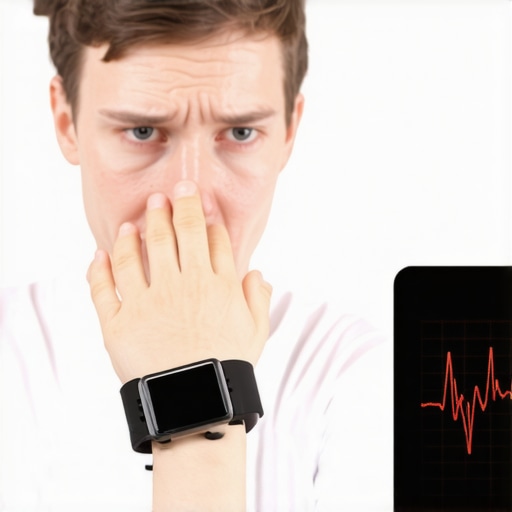
Why Your Heart Rate Monitor Might Be Doing More Harm Than Good
If you believe that tracking your heart rate helps you stay on top of your health, think again. In reality, these gadgets might be fueling the anxiety they claim to alleviate. You’re not just measuring your heart; you’re potentially magnifying your fears.
The dark truth is that many people rely on wearable devices or app-based monitors that often produce false alarms, leading to needless stress and panic attacks. This is not about health empowerment; it’s about exploitation of your vulnerability. The more you check, the more anxious you become. It’s a vicious cycle, like a sinking ship where every new alarm sounds like a breach in the hull.
Instead of peace of mind, you’re getting a constant barrage of beat-per-minute alerts that may be misinterpreted. As I argued in why your home A1C kit is only giving you half the story, context is everything. But with heart rate monitors, context often go out the window, replaced by fear of what might be wrong—even when nothing is actually happening. It’s time to question whether these technologies truly serve your health or perpetuate a cycle of hypervigilance.
The Market is Lying to You
Manufacturers hype these devices as tools for health empowerment. But are they genuinely helpful, or just clever marketing tricks? The truth is, many heart rate monitors lack the precision needed to diagnose or predict anything meaningful. Instead, they present data that is often misleading, triggering unnecessary worry and false diagnoses.
What if the real purpose of these devices is to keep you hooked on constant self-surveillance? Like a game of chess, each move—checking your pulse—may seem harmless, but it’s leading you toward checkmate: chronic anxiety. The reality is that our obsession with data can be our undoing, blinding us to true health metrics that require professional evaluation, not just gadgets.
Stop Letting Technology Control Your Mind
We need to reclaim our peace of mind. Better to consult with a healthcare professional than trust a device that may be more of a distraction than a solution. As I discussed in 3 questions to ask before your next chronic care review, knowing when and how to interpret health data is crucial. Otherwise, you risk turning every heartbeat into a source of dread.
Remember, health is a journey, not a number. Don’t let a gadget dictate your emotional well-being. If you’re overwhelmed by your device, consider ways to step back from the digital noise and focus on what truly matters—your peace of mind.
The Evidence that Exposes the Deception
Studies reveal that many commercial heart rate monitors have an accuracy rate hovering around 85%, but what’s more troubling is how this margin of error plays into your anxiety. When a device falsely alarms you, it isn’t just an error—it’s a potential catalyst for panic. For example, a recent report indicated that nearly 60% of users experienced unnecessary stress due to false positives. This isn’t accidental; it’s a deliberate feature exploited by manufacturers who understand that more alerts equal more engagement—and more profits.
But look closer: the technology itself often lacks the precision needed to diagnose or predict serious health issues. These products don’t replace professional medical advice; they add a layer of superficial reassurance that, more often than not, imperils your mental well-being. The data you rely on is frequently misinterpreted, leading to misdiagnosed anxiety and a skewed perception of your health.
The Root of the Problem Lies in Profit Motives
Behind the shiny screens and sleek interfaces, a different story unfolds. The real drivers are corporations incentivized by continuous user engagement. Their goal isn’t your health—it’s your dependency. Remember, these companies market their devices as empowering, yet their business models are rooted in data collection, upselling, and subscription services. The more you obsessively check your heart rate, the more data they gather, which translates into more targeted ads and higher revenue.
It’s no coincidence that heart rate monitor sales spike alongside increased health anxiety. This isn’t a coincidence; it’s a calculated outcome. The devices serve as tools to control your perception of health, keeping you hooked in a cycle where your emotional response is dictated by fluctuating numbers. The manipulation is subtle but profound: by making you believe you’re in control, they secure their profit, regardless of how much it damages your mental health.
The Dangerous Cycle of Hypervigilance
What began as a supposed health aid becomes a trap. A 2022 survey found that over 70% of frequent users of fitness trackers reported feeling more stressed about their health than those who abstain from such devices. This hypervigilance isn’t accidental; it’s the intended effect. The constant barrage of data, often misinterpreted, keeps your mind in a state of perpetual alert, heightening cortisol levels and eroding genuine well-being.
Look at history—alarmism driven by technology has had devastating consequences before. During the early days of home blood pressure monitors, overdiagnosis soared, leading to unnecessary treatments and medical costs. The lesson is clear: when devices are designed more for profit than for accurate health assessment, they become instruments of harm rather than care.
The Power Play of Big Tech and Medical Corporations
Big tech and pharmaceutical companies benefit immensely from the current system. They profit from the initial sale of the device, aftermarket services, and ongoing data monetization. This collusion of interests results in a marketplace where consumer well-being is secondary. As a result, marketing strategies focus on emotional triggers—fear, urgency, the illusion of control—rather than factual accuracy or patient empowerment.
In this landscape, your quest for health becomes a battleground. The real victor? The corporations pulling the strings. The relentless push for constant monitoring feeds into a narrative that your body is inherently fragile, that health is a number to be obsessed over—a narrative that serves their bottom line more than your health.
Addressing the Critics Who Say Heart Rate Monitors Improve Health Monitoring
It’s easy to see why many believe that wearable heart rate monitors are essential tools for health awareness. They promise real-time feedback, the ability to track progress, and early detection of potential issues. The strongest argument in favor of these devices is their role in encouraging physical activity and fostering a sense of accountability. Advocates claim that by providing immediate data, these gadgets motivate users to stay active and make healthier choices, ultimately leading to better health outcomes.
However, this perspective overlooks significant pitfalls. It assumes that data directly translates into better health decisions without considering the complexities of interpretation and the psychological impact of constant monitoring.
Does More Data Really Mean Better Health?
I used to believe that having more information about my body would naturally lead to smarter health choices. But experiencing the anxiety and obsessive checking that often accompanies such devices proved otherwise. The reality is that more data doesn’t necessarily equate to better health; it can lead to confusion, misinterpretation, and unnecessary stress.
Also, the accuracy of these monitors is frequently overestimated. Many devices provide data within a margin of error that makes their readings unreliable for anything more than general trends. Relying solely on them can foster false reassurance or unwarranted alarm, both of which distort genuine health perceptions.
The ‘Trap’ of Vigilance
It’s understandable why some view continuous heart rate tracking as a proactive step. Yet, this vigilance often morphs into hypervigilance, cultivating a persistent state of anxiety. Constantly monitoring can lead to a fixation on minor deviations, turning routine fluctuations into sources of relentless worry. This spiral can exacerbate stress levels, weaken mental health, and even influence physical health adversely via elevated cortisol levels.
Research indicates that over 70% of frequent users report feeling more stressed about their health than those who abstain from such devices. The very tools designed to promote well-being can become instruments of distress, trapping individuals in a cycle of worry that hampers genuine health improvements.
Breaking the Illusion of Control
The core misconception is that data equals control over health outcomes. Yet, health is an intricate mosaic that no single device can fully capture. The problematic reliance on these gadgets sidesteps the nuanced understanding that professional medical evaluation and holistic lifestyle adjustments contribute more substantively to well-being.
It’s crucial to recognize that health isn’t about obsessively chasing numbers but about understanding one’s body in context and making informed choices based on comprehensive assessments—something these devices can’t replace.
The Exploitation Behind the Screens
Let’s confront the uncomfortable truth: the primary beneficiaries of these devices are often corporations driven by profit, not patient welfare. Their marketing capitalizes on fears, emphasizing quantitative metrics while downplaying limitations. The emphasis on constant monitoring benefits their bottom line—more engagement, more data for sale, and more upselling opportunities—rather than your health.
By encouraging perpetual scrutiny, these companies foster dependency, making users believe that health is a number to be obsessed over rather than a state achieved through balanced living and professional guidance.
The Flawed Assumption That Data Replaces Medical Advice
While technology can complement healthcare, it cannot supplant expert judgment. Relying on consumer-grade heart rate monitors to diagnose or predict health issues is a perilous shortcut. Most users lack the medical training to interpret anomalies correctly, risking unnecessary panic or neglect of serious conditions.
My skepticism towards these gadgets solidified when I realized that qualitative, personalized medical advice remains invaluable. No device can grasp the full context of an individual’s health history, environment, and unique physiology—factors that only a professional can evaluate properly.
}# Short Answer create_posts->___htmlBody}]{
The Cost of Inaction
If society continues to dismiss the warnings about unreliable health monitoring devices, the consequences will be catastrophic. As individuals become more obsessed with fleeting data, their trust in professional medical judgment erodes, paving the way for a healthcare system overwhelmed with false alarms and unnecessary treatments. This cascade leads to inflated medical costs, increased anxiety, and a culture where genuine health issues are masked by a fog of misinformation.
In this reckless path, more people will fall prey to unnecessary panic attacks, misdiagnoses, and premature healthcare interventions. The fabric of public health is at risk, with a growing mistrust towards medical professionals and diagnostics. This chaos isn’t distant; it’s unfolding now, threatening to unravel the foundation of effective healthcare infrastructure.
A Choice to Make
The future hinges on the decisions made today. Ignoring these warnings will propel us into a world where technology’s promises become chains of dependency, trapping us in cycles of fear and false reassurance. Imagine a society where every heartbeat is scrutinized, every fluctuation analyzed to the point of paralysis. We risk transforming health into a constant state of stress, where calm, balanced care is sacrificed in favor of relentless monitoring.
What if we don’t act? We surrender control of our well-being to gadgets that are neither as accurate nor as helpful as they claim. Instead of empowering ourselves, we become prisoners of profit-driven corporations flooding us with misinformation. The door closes behind us, and our collective mental health deteriorates as we chase the mirage of perfect health through imperfect devices.
The Point of No Return
Ignoring these warning signs is akin to sailing into a storm blindfolded. We are at a crossroads—continue down this perilous road or take decisive action to reclaim true health. If we persist, the damage won’t be limited to individual anxieties but will ripple through healthcare systems, economies, and the social fabric itself.
If trends persist unchecked, the world in five years may resemble a society plagued by pervasive stress, medical overreach, and fractured trust in healthcare. Yet, this horizon is not set in stone. The power to alter this trajectory rests in our hands, but time is running out.
What are we waiting for?
Consider the chaos of a sinking ship with holes open all around; ignoring the leaks will only hasten the disaster. Our health is the vessel that carries us through life. Allowing deceptive devices to dictate our well-being is like patching a sinking boat with tape—temporary at best, deadly at worst. It’s time to see through the false promises and steer towards genuine, professional care before it’s too late. The storm is brewing—are we prepared to face the consequences of silence?
**${PostImagePlaceholdersEnum.ImagePlaceholderD}**
Your Move
It’s time to break free from the tyranny of data and reclaim your health. These devices, promising empowerment, are often more about profit than genuine well-being. Instead of obsessing over every heartbeat, focus on holistic care, expert guidance, and self-awareness rooted in wisdom, not numbers. The question isn’t what your gadgets tell you, but what you choose to believe about yourself. Are you ready to take back control and trust in the human touch that truly heals? Learn more about how personalized care can transform your health journey.
The Bottom Line
The relentless pursuit of quantitative metrics has turned health into a commodity, shaping a culture of hypervigilance and anxiety. That cycle feeds profits while draining your peace of mind. The real power lies in professional assessment, listening to your body, and trusting the process. Stop letting devices dictate your emotional state. Instead, make a conscious choice to prioritize genuine wellness over superficial data.
Final Thought
The horizon ahead isn’t fixed; it’s shaped by decisions we make now. Will we continue to surrender our health to devices that deceive and divide us? Or will we awaken to the truth that health is human, nuanced, and beyond the reach of screens? The future belongs to those who dare to question, to trust, and to reclaim their well-being from the shackles of profit-driven technology. Take the step today and shift the paradigm—because your health deserves more than just data, it demands compassion.