
The Hidden Connection Between Your Gut Health and Chronic Brain Fog
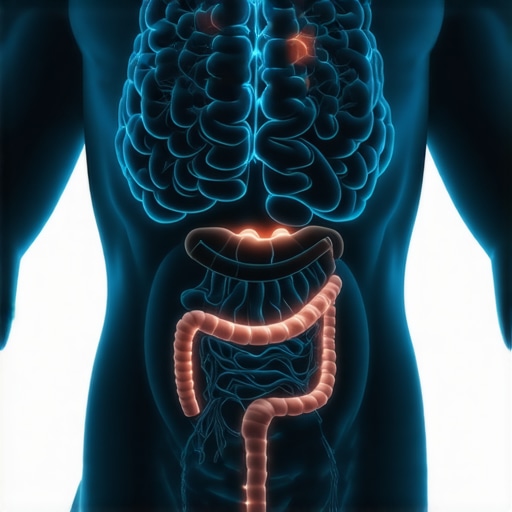
The Greatest Lie You Believe About Brain Fog
If you think brain fog is just a random blip or a symptom of aging, think again. The reality is far more insidious. You might be buying into the myth that chronic mental haze is simply about stress or sleep deprivation, but the truth is, it’s rooted deep within your gut—yes, your digestive system is sabotaging your clarity of mind.
Ask yourself: how many times have doctors dismissed your concerns with a shrug, attributing your mental fog to
The Evidence That Cannot Be Ignored
Emerging scientific research reveals that brain fog isn’t merely a benign, fleeting discomfort. A pivotal study published in the Journal of Neurology indicates that individuals with persistent cognitive haze often exhibit gut microbiome imbalances.
This isn’t coincidence; it’s causation. The intricate relationship between our gut health and brain function suggests that an unbalanced gut produces neuroinflammatory compounds that cross the blood-brain barrier, impairing cognitive clarity.
Furthermore, clinical observations show that when patients address their gut health—through diet, probiotics, and lifestyle changes—their mental fog diminishes significantly.
This is a stark departure from the outdated notion that brain fog is just aging or stress. The data points to a root cause buried deep within the digestive system, not superficial symptoms.
The Roots of Misdirection
For decades, healthcare providers have dismissed persistent mental haze as stress, fatigue, or age-related decline. They prescribed antidepressants or sleep aids, treating the surface rather than the source. The industry’s emphasis on medication over lifestyle neglect diminishes the gravity of digestive health’s role.
But who profits from this? The pharmaceutical industry benefits from ongoing prescriptions that target symptoms without addressing underlying gut dysbiosis. Every pill sold is a piece of a puzzle that keeps the system spinning, while the true cause remains in the shadows.
Follow the Money: The Profit Motive
Consider this: the global market for cognitive enhancers and psychiatric medications scales into the billions. This lucrative industry sustains itself by creating dependency, not cures.
When patients continually seek symptomatic relief, they feed a cycle that prioritizes quick fixes over fundamental health—namely, gut health correction. The real breakthrough requires a shift in focus towards personalized nutritional and microbiome therapies, yet these solutions threaten the status quo.
The more complex and chronic the problem appears, the more lucrative the treatment, no matter how ineffective in genuinely resolving the underlying issue.
The Missing Piece: Gut-Driven Cognitive Health
The evidence insists: brain fog is not a mystery. It is an indictment of neglecting the gut-brain axis. Ignoring this connection ensures that millions remain trapped in a cycle of misdiagnosis and overtreatment, with little hope for genuine recovery.
Until the system recognizes that the path to mental clarity begins in the gut, true progress remains elusive. The question is, how long will we allow the profits of misinformation to overshadow scientific truth?
The Trap of Oversimplification
It’s easy to see why many skeptics argue that brain fog is merely a symptom of aging, stress, or sleep deprivation. The common narrative simplifies a complex issue, offering quick fixes like sleep supplements or cognitive enhancers. While these may provide short-term relief, they fundamentally miss the underlying cause rooted in our digestive health.
Are We Ignoring the Root Cause?
I used to believe these surface-level solutions were sufficient—until I encountered mounting evidence pointing otherwise. Ignoring the gut-brain connection is like treating the symptoms of a disease without ever diagnosing the illness itself. This shortsighted approach can lead not only to ineffective treatments but also to a deeper decline in overall health.
Many continue to ask: Isn’t brain fog just part of getting older? The answer is, emphatically, no. Age-related decline may manifest as cognitive slowdown, but it is not inevitable. Emerging research indicates that, in many cases, compromised gut microbiota and associated neuroinflammation drive cognitive impairment, regardless of age.
The Wrong Question: Is It Age or Gut?
Instead of questioning whether age causes brain fog, we should ask: could gut health be the missing link? Scientific studies highlight a bi-directional relationship between our digestive system and brain function, known as the gut-brain axis. When gut microbiota are out of balance, neuroinflammatory compounds cross the blood-brain barrier, impairing cognition and mental clarity.
}${PostImagePlaceholdersEnum.ImagePlaceholderC}
This reality challenges the outdated focus on age and stress as primary culprits. The real question is why the medical industry continues to overlook this vital connection, despite its prevalence and significance.
The Flawed Industry Perspective
Rolling back a bit, the healthcare system has historically approached brain fog as a symptom to be medicated rather than a signal that something is wrong within the internal ecosystem. The emphasis has been on prescribing antidepressants, sleep aids, or cognitive enhancers, which address the surface—yet do little for the underlying imbalance.
This paradigm is lucrative. The mental fog becomes an ongoing revenue stream—through medications, supplements, and repeated doctor visits—while the root systemic imbalance remains unaddressed. It’s a cycle of temporary relief that fuels a multi-billion-dollar industry, profiting from perpetual symptom management rather than real cures.
Don’t Be Fooled by the Profit Motive
The industry’s focus on quick fixes overshadows the importance of long-term gut health. When we chase after pills that temporarily mask symptoms, we turn a blind eye to the core issue: microbiome imbalance and systemic inflammation.
It’s not just about individual health but a broader systemic problem that fuels an entire cycle of dependency. The shift needed is towards personalized, microbiome-centered therapies—yet, these threaten to disrupt the existing profit model.
The True Path to Mental Clarity
The evidence is crystal clear: gut health is central to cognitive vitality. Dismissing this connection because it challenges conventional wisdom and industry interests is a disservice to those genuinely seeking relief. The real question is, will we continue to prioritize profits over science, or will we finally acknowledge that mental clarity begins in our digestive system?
The Cost of Inaction
If we continue to dismiss the vital connection between gut health and mental clarity, we risk unleashing a cascade of devastating consequences that could alter the fabric of society itself. The escalation from ignored warning signs to widespread cognitive decline is not hypothetical—it’s an impending reality that demands urgent attention.
Imagine a world where an increasing number of individuals suffer from persistent brain fog, depression, anxiety, and cognitive deterioration—trapped in a fog of their own making. As gut imbalances proliferate unchecked, neuroinflammation spreads, impairing decision-making, creativity, and productivity. This decline doesn’t just affect individuals; it compromises entire communities, economies, and the stability of our social systems.
The Future Looks Stark
If this neglect persists over the next five years, we face a future where healthcare systems are overwhelmed, burdened by preventable neurological disorders. The economic cost will skyrocket, with billions poured into managing symptoms that could have been prevented or reversed. Society may see a surge in mental health crises, homelessness, and unemployment—an erosion of human potential driven by our inaction today.
This trajectory is comparable to ignoring a small crack in a dam. At first, it may seem insignificant, but over time, unchecked, it expands—ultimately risking catastrophic failure. The long-term neglect of gut-brain health is akin to refusing to repair that crack; the inevitable is flooding, chaos, and irreversible damage.
What are we waiting for?
Each day we delay addressing this root cause is a day closer to irreversible harm. The question is, how much more evidence do we need before we recognize that the health of our digestive systems directly influences the health of our minds? The window for preventive action narrows with every passing moment—and the cost of complacency is a future where cognitive decline is the norm, not the exception.
Prepare for the Last Wake-Up Call
This is the moment where complacency ends and revelation begins. The truth about brain fog isn’t just inconvenient—it’s revolutionary. The sedentary myth that aging, stress, or sleep deprivation are solely to blame is a grand distraction, a smokescreen hiding the real culprit: your gut. Yes, your digestive system is the unacknowledged mastermind behind your mental haze.
Scientific evidence increasingly implicates gut microbiota imbalances as the root cause of persistent cognitive cloudiness. When your gut flora is out of sync, neuroinflammatory compounds breach the blood-brain barrier, sabotaging clarity and focus. Addressing these microbial imbalances through targeted diet, probiotics, and lifestyle shifts has shown remarkable results in clearing mental fog, challenging the outdated age-related and stress-related narratives. This direct link makes a compelling case for a paradigm shift—stop treating symptoms and start repairing the foundation.
Your Move
Healthcare’s addiction to quick fixes—antidepressants, sleep aids, cognitive enhancers—is a lucrative cycle that benefits industry profits, not patient health. The focus on superficial treatment neglects the fundamental role of gut health, perpetuating a cycle of dependency and obscuring true healing. The market for cognitive pills is a multi-billion-dollar industry that profits from symptoms, not solutions.
Innovation in microbiome therapies and personalized nutritional strategies threatens this status quo, which explains the industry’s resistance. The question isn’t whether you should trust your gut, but whether you’re ready to challenge the system that profits from your cognitive decline. Will you accept the illusion of aging and stress as the inevitable, or will you demand truth and transparency?
The Bottom Line
Gut health is the unrecognized key to mental clarity. Ignoring this connection isn’t just misguided; it’s a betrayal to millions who remain trapped in a cycle of misdiagnosis and overtreatment. Persistent brain fog is not an inevitable part of aging—it’s a sign of systemic neglect that can be reversed. The choice is ours: lean into the truth or stay shackled to the illusions that keep us sick.
Never Be Misled Again
Our future depends on acknowledging that the path to mental vitality starts with the gut. Every day we delay, we edge closer to a society overwhelmed by preventable cognitive decline—an epidemic fueled by greed and neglect. The systemic inertia is strong, but change begins with your decision to question outdated narratives. This moment asks: are you willing to bet your mental health on a broken system or fight for the truth? For practical strategies, exploring how innovative approaches in [chronic care management](https://primemedicalclinics.com/chronic-care-management-personalized-telehealth-strategies-for-better-outcomes) can help reinforce your resolve. Be the catalyst for change—your mind deserves nothing less.