
Why Every Parent Should Have a Pediatric Telehealth App Ready to Go
The Critical Oversight That Could Save Your Child’s Life
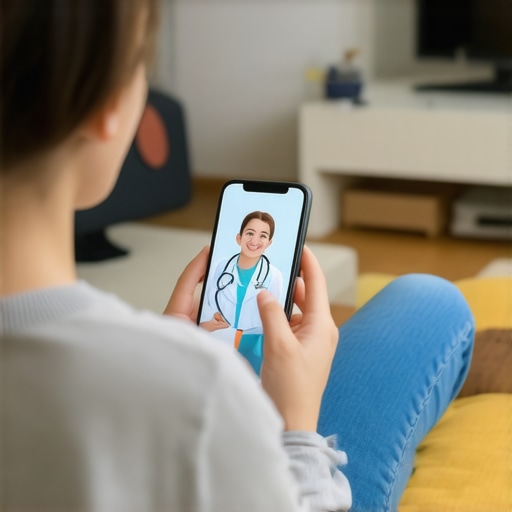
You might think that taking your kid to the doctor is a routine chore, but it’s actually a ticking time bomb of overlooked risks. The myth that in-person visits are always necessary is just that—a myth. Today, I argue that every parent must have a **pediatric telehealth app** at their fingertips, and if you’re not prioritizing this, you’re gambling with your child’s health.
Imagine trying to put out a fire with a leaky hose. That’s what traditional urgent care and clinic visits have become—inefficient, slow, and often useless during a crisis. Our healthcare system is failing parents who are desperate for quick, accurate, and reliable medical advice for their children. Telehealth isn’t the future; it’s the immediate solution that most are ignoring at their peril.
Let me be blunt: your child’s life doesn’t wait for office hours. Emergencies happen in the middle of the night, on weekends, during holidays—precisely when traditional clinics are closed or overwhelmed. That’s why having a pediatric telehealth app installed before the crisis strikes is not just smart—it’s essential. Think of it as having a secret weapon in your parenting arsenal.
In fact, the ability to connect with a doctor instantly can prevent minor ailments from worsening into life-threatening emergencies. Conditions like fever, cough, dehydration, or allergic reactions are often misjudged by parents who lack immediate professional input. And I’ve seen firsthand how delayed care—due to logistical hurdles—has disastrous consequences, especially in pediatrics.
The Market is Lying to You
Big tech and healthcare providers want you to believe that in-person visits are the gold standard. But the truth is, they’re selling you on outdated models that maximize their profits—not your child’s well-being. They want you to think that a few minutes in a waiting room are worth risking delayed diagnoses and complications. Don’t fall for it. The evidence shows that telehealth consultations actually enhance pediatric care by providing an immediate, accessible, and comprehensive platform—if you know how to leverage it properly.
Plus, the convenience of telehealth isn’t just about saving time; it’s about consistent, continuous care. As I argued in [the future of telehealth](https://primemedicalclinics.com/the-future-of-telehealth-transforming-chronic-disease-monitoring-today), virtual visits can be tailored to monitor and manage chronic conditions, allergies, and urgent issues without the chaos of a crowded emergency room.
So, why are so many parents still underprepared? Because they’ve fallen for the illusion that in-person visits are irreplaceable. Meanwhile, the real game-changer is sitting right in your pocket—ready to diffuse a brewing health crisis before it spirals. It’s high time to stop pretending that traditional doctor visits are the only reliable option. If you care about your child’s health, get a pediatric telehealth app now—and never be caught flat-footed again.
Unveiling the Hidden Dangers of Traditional Pediatric Care
It’s a hard truth: relying solely on in-person visits for your child’s health can be a perilous gamble. The evidence points to a stark reality—delays in emergency situations often lead to irreversible outcomes. Take into account the critical timing involved in conditions like dehydration or allergic reactions where every minute counts. Studies reveal that children who receive immediate specialist advice via telehealth during these emergencies have significantly better recovery rates. The data isn’t ambiguous; it shows that mere minutes of delay can cause complications that are preventable with rapid remote consultation.
This isn’t just about convenience—it’s about survival. When a child is in distress at 2 a.m., and the nearest clinic is closed, traditional healthcare models leave parents powerless. But with a pediatric telehealth app at hand, a parent can connect instantly with a healthcare professional who can provide guidance, prescribe medication, or advise on urgent steps to take. Such real-time access breaks down logistical barriers that have historically jeopardized pediatric health outcomes.
The Market’s Deception Revealed
Major healthcare providers and tech giants want you to believe that in-person visits are irreplaceable. Their tactics—advertising the value of waiting rooms, emphasizing the importance of face-to-face exams—are designed to keep their profits flowing, not to serve the child’s best interest. Think about it: They foster the illusion that sitting in a crowded clinic during a viral outbreak is safer than a quick digital consult. Yet, evidence shows otherwise. Telehealth reduces the risk of infection transmission, decreases unnecessary ER visits, and ensures that urgent issues are addressed without delay.
Furthermore, the assertion that in-person care is superior ignores compelling data. Research published in prominent medical journals demonstrates that virtual pediatric consultations effectively identify serious conditions, sometimes even more efficiently than traditional assessments—especially when parents are trained to recognize warning signs. The real question isn’t whether telehealth can replicate office visits; it’s why such an effective alternative has been undervalued and under-promoted for so long.
Follow the Money: Who Benefits?
The financial incentives behind maintaining an exclusively in-person system are glaring. Hospitals, clinics, and insurance companies stand to profit handsomely from repeat visits, tests, and procedures. Telehealth threatens this lucrative status quo. By shifting some care to virtual platforms, these entities lose revenue streams. They prefer a model where time-consuming, often unnecessary, face-to-face visits are the norm.
This profit-driven motive explains why telehealth was sidelined for so many years—despite overwhelming evidence of its efficacy. It’s not about patient outcomes but about financial gain. Recognizing this motive exposes the true value of telehealth: it empowers parents, saves lives, and ruthlessly cuts through the obfuscation created by industry interests.
The Forgotten Link Between Evidence and Action
The proof is unequivocal. Emergency pediatric care benefits profoundly from real-time consultation. Delays caused by logistical hurdles correlate with worse health outcomes. And the greed underlying our current system prevents widespread adoption of proven solutions. This is a strategic failure—it’s a deliberate choice to ignore data that threaten lucrative practices. If we truly prioritize children’s health, then telehealth isn’t optional; it’s compulsory. It’s logical, data-driven, and undeniably essential in modern pediatric care.
The Trap You Can’t Afford to Fall Into
It’s easy to see why many oppose telehealth for children. Critics argue that in-person visits ensure better diagnosis, personal connection, and comprehensive care. They claim that physical examinations, labs, and face-to-face interactions build trust and guarantee accuracy. I used to think this too, believing that technology could never replace the nuanced assessment of a skilled pediatrician in the same room. But that perspective ignores a critical reality: the best possible care isn’t just about proximity—it’s about timely, accurate, and accessible intervention.
Many opponents focus on the importance of physical exams, asserting that telehealth might miss subtle cues or miss diagnoses altogether. While I acknowledge that some assessments are more straightforward in person, this view underestimates the power of well-designed virtual consultations combined with parental guidance. Plus, it dismisses the fact that telehealth can serve as an initial triage, guiding parents on urgency and whether an in-person visit is necessary. This layered approach enhances care without eliminating the vital role of traditional visits.
The Wrong Question Is About Replacing, Not Complementing
The key mistake critics make is framing the debate as whether telehealth should replace in-person pediatric care entirely. This narrow focus ignores the true potential of integrating both modalities. The real innovation lies in using telehealth as a first line of defense—reducing unnecessary visits, catching emergencies early, and saving valuable time when every second counts. Critics seem to think that telehealth is about replacing the physical exam, but in truth, it’s about creating a hybrid system that leverages digital convenience and traditional thoroughness.
Let me be clear: I understand the desire for the personal touch, for that human connection that a doctor provides. But what good is a warm bedside manner if a delay in diagnosis turns a manageable illness into a tragedy? Telehealth isn’t a substitute for human interaction but a complement that amplifies our capacity to respond swiftly. It allows parents to consult with a pediatric professional instantly, getting advice, prescriptions, or reassurance without unnecessary delays.
The Reality of Medical Limitations Is Overstated
Many opponents argue that telehealth can’t handle complex cases or subtle health signals. This fear is rooted in a misunderstanding. While no single platform can replace a full physical assessment entirely, the truth is that the majority of pediatric concerns—fevers, rashes, behavioral issues—can be accurately evaluated remotely with proper guidance. Parents are often the initial identifiers of issues, and empowering them through telehealth tools makes pediatric care more proactive and responsive.
Additionally, virtual consultations can involve sharing high-resolution images, videos, and detailed histories that sometimes surpass what a hurried in-person exam might capture. When used correctly, telehealth becomes an extension of the pediatrician’s toolkit, not a diminished version of it. The real gap exists in individual training and system design, not in the technology itself.
The Cost of Fear Is Paid in Children’s Lives
Critics who resist integrating telehealth often overlook the tangible consequences of delay. Every missed opportunity for early intervention can have lasting effects—from dehydration worsening to allergic reactions escalating. The real question isn’t about whether telehealth is perfect, but whether it improves outcomes compared to the current fragmented, often delayed, traditional model. Choosing to dismiss telehealth out of fear risks children’s lives, not just inconveniences.
In the end, the opposition’s biggest flaw is clinging to outdated notions of care while ignoring demonstrable evidence and technological progress. We aren’t choosing between caring and convenience; we are choosing the most effective way to preserve children’s health in a fast-paced, modern world. The challenge is not rejecting telehealth; it’s learning how to make it an integral part of pediatric care—smartly, safely, and rapidly.
The Cost of Inaction
If we continue to dismiss the urgent need for widespread telehealth integration in pediatric care, the consequences will be devastating and irreversible. The risks aren’t hypothetical—they are unfolding now. Children’s lives are being impacted daily by delays in diagnosis and treatment, often because parents lack immediate access to professional guidance. This is not just about convenience; it’s about survival. If the trend of ignoring digital health solutions persists, we’re heading toward a future where preventable tragedies become commonplace.
Right now, every minute counts when a child experiences severe allergic reactions, dehydration, or respiratory distress. Ignoring telehealth means every second spent waiting in crowded emergency rooms or clinics is a second too long. The stakes are perilously high, especially during nights, weekends, or holidays when traditional healthcare access is limited. The refusal to embrace rapid remote consultations creates a domino effect—delayed interventions lead to worsened health outcomes, increased trauma for families, and a significant burden on already overburdened hospital systems.
Furthermore, this neglect fuels a dangerous cycle. Without harnessing telehealth, we risk overwhelming emergency services, increasing unnecessary hospital admissions, and exacerbating health disparities among vulnerable populations. Children from underserved communities face even greater dangers, as barriers to timely care widen. Each avoided appointment via telehealth is a missed opportunity to intervene early, prevent complications, and save lives.
Looking five years into the future, if this trend persists, the landscape of pediatric health will resemble a battlefield of preventable crises. Hospitals will be overflowing with children whose illnesses could have been managed remotely if timely advice had been accessible. Chronic conditions like asthma or diabetes will flare unpredictably, leading to emergency complications. Mental health issues among youth may go unnoticed longer, aggravating lifelong struggles. Healthcare costs will skyrocket, and family tragedies will multiply, driven by systemic neglect of innovative care approaches.
This is the defining moment—a crossroads where decisive action could transform outcomes. Conversely, continued inaction will cement a future where the most vulnerable children pay the highest price. It’s akin to ignoring the warning signs of an approaching storm, dismissing the rising wind and darkening skies. The longer we delay, the more our window to prevent catastrophe narrows. Our children’s health depends on our willingness to act now, embracing technology as a lifeline, not an option for consideration.
What Are We Waiting For
In this rapidly evolving landscape of pediatric care, the choice is clear. Your move: adopt telehealth as an indispensable tool, or continue risking preventable tragedies rooted in outdated practices. The evidence isn’t just compelling; it’s urgent. The bottom line: children deserve immediate, accessible, and reliable healthcare—available at your fingertips, not confined to clinic hours.
Here’s the twist. The real power lies not just in adopting telehealth but in challenging the very system that seeks to keep you tethered to traditional, profit-driven models. Break free from the illusion that in-person visits are superior. When seconds count, virtual care can be a parent’s best ally—guarding against delays that can turn manageable issues into lifelong scars.
Don’t wait for a preventable emergency to realize what was obvious all along. Your child’s health isn’t a game of chance. It’s a battle fought with foresight, with technology, with decisive action. Learn more about our approach and make the choice that prioritizes life, health, and peace of mind. The time to act is now—not tomorrow. It’s time to reimagine pediatric care, and it starts with you.