
How to Spot a Real Emergency vs. a Walk-in Visit
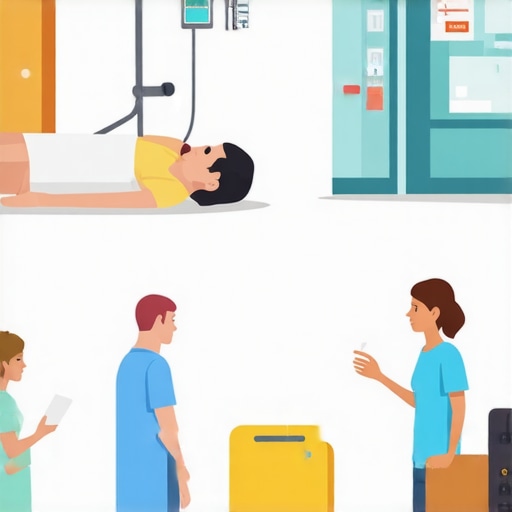
The Illusion of Urgency and the Myth of Emergency
You might think rushing to urgent care at the first sign of discomfort is the right move. But here’s a shocker: most so-called emergencies are actually walk-in visits in disguise. The healthcare system has blurred the lines, turning routine issues into non-stop drama that benefits clinics more than patients. You need to see through this smoke screen before you end up in the wrong place at the wrong time.
Misjudging a true emergency from a common walk-in situation isn’t just about saving time; it can be a matter of life or death. I argue that the average person is woefully ill-equipped to differentiate the two. Instead, we rely on the hyperbole and marketing that now flood the health industry. It’s time to cut through the noise and understand what genuine crisis looks like versus what’s just a minor bump in the road.
The Market is Lying to You
Let’s be blunt: healthcare providers benefit from your fear. Every advertisement, every online prompt pushes you to think, “I must go now or else.” The truth? Your body often whispers, not screams. Recognizing the subtle signs of a real emergency can keep you out of the chaos (and the bill) — especially when most urgent care clinics are more concerned with their profit margins than your well-being.
For example, if you’re experiencing chest pain, shortness of breath, sudden weakness, or severe head trauma, yes, that’s an emergency. But if it’s a mild headache, a scratch, or a hangover, why are you rushing? I’ve seen countless cases where people used emergency rooms for issues better suited for a walk-in clinic. This not only clogs the system but also devalues true emergencies that demand immediate attention.
The Metaphor of the Sinking Ship
Picture this: navigating healthcare without the right knowledge is like steering a sinking ship blindfolded. You grasp at anything—the siren call of same-day appointments, telehealth promises, or lab tests that claim to diagnose everything. But what you truly need is clarity. Recognize the signs that demand instant action, whether it’s a lab test confirming a life-threatening condition or a telehealth consultation that rules out emergencies before they escalate.
The Evidence: Profits Over Patients
The stark reality is that the healthcare industry is driven by financial motives, not patient well-being. Studies reveal that the majority of visits to urgent care centers are for issues that could be managed by a primary care provider or even at home. This influx isn’t accidental; it’s a calculated strategy to boost revenues. When patients flood these clinics for minor ailments, the clinics profit, regardless of whether the case warrants urgent care. This relentless marketing of fear, with ads emphasizing life-threatening symptoms, seeds unnecessary panic and overutilization. The consequence? Emergency rooms clog with cases that are, at best, inconveniences dressed as crises, diverting resources from genuine emergencies.
The Trap of Overcaution
It’s easy to see why many believe that any sign of discomfort warrants urgent care, especially when marketing messages bombard us with fears of missed critical symptoms. The critics will say that missing a true emergency can be catastrophic, and we must err on the side of caution. After all, no one wants to be responsible for overlooking a life-threatening situation that leads to tragedy.
This perspective is rooted in the understandable desire to protect life and health. They argue that the stakes are too high to risk underestimating symptoms and that the safety net of urgent care acts as a necessary safeguard against disastrous consequences.
The Flawed Assumption
While this reasoning seems prudent, it fundamentally neglects how the system is manipulated and the reality of most so-called emergencies. It assumes that existing safeguards are sufficient and that the current emphasis on urgent care genuinely saves lives. However, this assumption is shortsighted and ignores the bigger picture.
Many cases labeled as emergencies are routine issues blown out of proportion—headaches, minor cuts, or mild fevers—that don’t warrant the overburdened emergency system. Rushing at every sign of discomfort fuels an industry that profits from our fears, not our health. The truth is, overtriage and unnecessary admissions strain resources and overshadow genuine emergencies that truly demand immediate attention.
TheThe Cost of Inaction
Ignoring the truth about overusing urgent care and mistaking minor ailments for emergencies poses catastrophic risks. As diagnostic resources are overwhelmed by routine, false alarms, genuine crises may be dismissed or delayed, leading to preventable deaths and serious health complications. The current complacency breeds a healthcare crisis where seconds matter, but are lost amid chaos and misallocation. If we continue down this path, hospitals will become battlegrounds suffering from resource depletion, staffing shortages, and reduced capacity to handle real emergencies. Communities will suffer, with preventable tragedies turning into tragic statistics, fueling public distrust in our healthcare system.
The Future Unfolds in Five Years
If this trend persists, the healthcare landscape will deteriorate further. Emergency rooms will be inundated with cases that could be managed elsewhere, drastically reducing the quality of care for the most vulnerable. The illusion of safety will give way to a harsh reality where critical illnesses are ignored or misdiagnosed, leading to higher mortality rates. Patients will experience longer wait times and diminished trust, prompting more people to self-diagnose and self-medicate—an unpredictable gamble with life and limb. Infrastructure investments will diminish, and healthcare professional burnout will escalate, creating a cycle of decline that threatens the entire system’s integrity. In essence, we march toward a future where emergency care is no longer a safety net but a symbol of systemic failure.
What are we waiting for? The cost of inaction isn’t just health, it’s collapse. Like a time bomb ticking beneath our healthcare foundation, ignoring this warning pushes us closer to a tipping point — one where our ability to provide emergency care decisively and effectively becomes a thing of the past. We must act now to recalibrate our understanding and priorities before it’s too late.
The Final Verdict: Relying on urgent care for minor ailments betrays both your health and the integrity of our healthcare system.
The Twist: What if the very system designed to protect us is instead conditioning us to ignore true emergencies?
Your Move—stop chasing shadows and start understanding real medical danger. The myths of urgency perpetuate a cycle where profit takes precedence over genuine care, and your overcaution only aids this deception. Every unnecessary visit strains resources meant for actual crises, pushing us closer to a collapse. Equip yourself with knowledge—learn to differentiate between real emergencies and routine issues. Avoid the trap of overtriage by consulting reputable sources and medical professionals about when to truly seek urgent care. Explore how advances in telehealth and lab tests are reshaping diagnostics and empowering patients [here](https://primemedicalclinics.com/the-future-of-telehealth-transforming-chronic-disease-monitoring-today). The time to act is now—question the system, demand clarity, and refuse to be another pawn in its game. Your health, your future, depends on it.