
The Blood Marker That Flags Silent Inflammation Before Symptoms Start
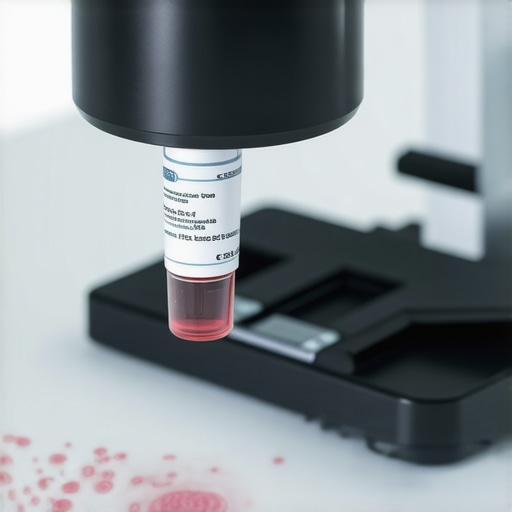
Stop Ignoring the Silent Killer in Your Blood
You might believe that feeling fine means you’re healthy, but you’re falling for one of the biggest medical myths of our time. The truth is, lurking beneath the surface, invisible to standard tests, is a form of inflammation that quietly wrecks your body. And the worst part? You don’t even know it’s there until it’s too late.
Our current approach to health checks is like inspecting a sinking ship only after water’s already rushing in. We focus on symptoms, ignoring the tiny, insidious signals that precede disease by years. Enter a blood marker that can detect this silent inflammation long before you feel pain or discomfort, giving you a crucial window to intervene. But our healthcare system still largely overlooks this vital clue, leaving millions vulnerable.
Why are we still flying blind? Because traditional tests don’t measure this marker, and medicine’s fascination with symptoms blinds us to the pre-disease state. It’s as if we’re waiting for a health emergency to act, instead of catching the warning signs early. If we truly want to revolutionize preventive care, embracing these advanced blood tests isn’t optional; it’s essential.
The Myth of Feeling Fine as a Sign of Health
This misconception allows chronic disease to develop unnoticed. Inflammation is the root cause of countless conditions—heart disease, diabetes, neurodegeneration—yet it remains hidden, silent, until it manifests as a crisis. Think of it as a fire smoldering in the basement while everyone walks by unaware—until one day, the flames burst out.
Medical science has identified specific markers, like C-reactive protein, that reveal this underlying inflammation. When these are elevated, it signals a body under siege, even if you show no outward signs. Recognizing this is like seeing the smoke early—before the house burns down. The problem is most labs still don’t routinely test for this, and many doctors dismiss it as optional or unnecessary.
In the era of telehealth and remote diagnostics, missing out on such critical information is a strategic mistake. Why settle for feeling “fine” when you could know your silent inflammation levels and act accordingly? In this fight against chronic illness, knowledge truly is power. For more on how lab testing is transforming preventive care, check out how advanced lab test technologies boost urgent care and the future of health monitoring.
https://primemedicalclinics.com/privacy-policy-2
The Evidence of Invisible Inflammation
Decades of medical research confirm that chronic inflammation is the core driver behind numerous illnesses—heart disease, diabetes, neurodegenerative disorders. Yet, the vast majority of routine blood tests ignore it entirely. Why? Because the primary benefit lies not with patient health, but with the economic interests of big healthcare conglomerates that profit from treating symptoms, not preventing disease.
This oversight isn’t accidental. It’s systematic. When physicians rely solely on standard markers like cholesterol levels or blood sugar, they miss the early warning signs. Elevated C-reactive protein levels can reveal underlying inflammation—conditions that are silent yet fatal in their progression. The evidence is irrefutable: early detection of inflammation can save lives. But current protocols lag behind scientific understanding, leaving millions vulnerable.
The Root Cause of Medical Complacency
The problem isn’t a lack of knowledge; it’s a prioritization issue. The healthcare system’s financial incentives favor treatment over prevention. Diagnostic tests that reveal inflammation are often considered ‘non-essential,’ a mere optional add-on at best. Insurance companies reimburse standard panels, but skip more informative, cost-effective blood markers that detect the true state of internal health.
In effect, this creates a *disconnect*. Patients remain unaware of their internal deterioration until symptoms become unavoidable crises. That 20% escalation in inflammation levels? It’s a collapse waiting to happen, yet it remains invisible unless we look for it—something the current system refuses to do systematically.
Look at the data: laboratories that incorporate tests like high-sensitivity C-reactive protein (hs-CRP) see a significant drop in the incidence of severe health events. Why are these tests still considered optional or experimental? Because the financial benefit primarily resides with the status quo. The more disease progresses undetected, the more profit healthcare providers make—treating symptoms, not curing causes.
The Money Funnel Behind Inaction
Who benefits from this blind spot? The large pharmaceutical and diagnostic corporations that sell expensive medications for advanced disease states. They profit from late-stage interventions—stents, insulin pumps, neuroprotective drugs—rather than early, inexpensive lab tests that could nip problems in the bud.
Conversely, for hospitals and clinics that adopt advanced testing protocols, their margins improve, but that’s rarely incentivized. Insurance reimbursements favor manageable, routine tests over the comprehensive panels that reveal the roots of chronic conditions. This creates a *perfect storm*: the system continues its cycle of neglect, while patients suffer preventable setbacks.
By ignoring early inflammation detection, the healthcare industry sustains a cycle of crisis management. The more you delay detection, the more complex—and expensive—the solutions become. It’s a classic example of how financial motives distort medical priorities—placing profits over prevention, reaction over foresight. The evidence is clear, and the stakes are high; ignoring these vital tests isn’t just negligent, it’s a calculated risk with devastating probabilities.
The Trap of Simplistic Health Checks
It’s understandable why many believe that feeling fine equates to good health. After all, when there’s no discomfort, why complicate things? This mindset, however, relies on an overly simplistic view of health that ignores the silent processes brewing beneath the surface. The best argument against prioritizing inflammation testing is that not everyone will necessarily benefit from every advanced blood test, and resources could be better allocated elsewhere.
This perspective suggests that widespread testing for markers like C-reactive protein may lead to overdiagnosis or unnecessary anxiety. Critics argue that such markers can fluctuate due to minor, transient factors, and that overemphasis on them might distract from more pressing health behaviors like diet, exercise, and stress management. Moreover, some claim that the current evidence base isn’t strong enough to justify routine inflammation screening in asymptomatic populations.
The Wrong Question to Ask
I used to believe that universal inflammation testing was premature, until I recognized that the real flaw isn’t in the testing itself but in how we interpret and act upon the results. Here’s the reality: the focus on symptom management and reactive care has failed us spectacularly. Waiting until someone feels unwell or exhibits clear signs of disease is akin to ignoring the fire alarms in a building—a dangerous gamble with human lives.
These critics overlook a vital point: detecting elevated inflammation levels early can fundamentally shift our approach from reactive to preventive. While transient spikes in inflammation due to temporary illnesses might complicate interpretation, persistent elevation is a red flag that warrants attention. The question isn’t whether we should test everyone but whether we should ignore an insight that could save lives simply because some false positives exist.
It’s Time to Face the Uncomfortable Truth
The core issue isn’t just the validity of testing but the systemic incentives that discourage early detection. The healthcare industry—by design—profits more from treating chronic illnesses than from preventing them. Ignoring the silent progression of inflammation is not just negligence; it’s a deliberate choice fueled by economic interests.
Admittedly, comprehensive testing might seem resource-intensive, but the long-term savings—both in human suffering and healthcare costs—are undeniable. Ignoring inflammatory markers because of perceived costs or questionable accuracy is shortsighted. The real cost is in delayed diagnoses, preventable crises, and lost productivity.
This approach challenges the outdated belief that health is solely about avoiding symptoms. It’s about recognizing the invisible enemies—like chronic inflammation—that, if left unchecked, culminate in tragedy. Prioritizing advanced, targeted testing is an investment in true health security, not an unnecessary expense or a paranoid overreach. To dismiss it outright is to blind ourselves to the opportunity of truly transformative preventive care.
The Cost of Inaction
If we continue to overlook the silent warning signs within our bodies, we risk allowing chronic inflammation to fester unchecked, setting off a catastrophic chain reaction that threatens our health and well-being. Left unaddressed, this invisible enemy accelerates the development of heart disease, diabetes, and neurodegenerative disorders, ultimately leading to a surge in preventable deaths and unbearable human suffering. The window to act is shrinking, and the repercussions of delay are staggering.
Imagine a small crack in a dam—initially insignificant, but if ignored, it erodes the structure from within. Soon, a breach forms, unleashing floodwaters that devastate everything in their path. This is precisely what occurs when we dismiss early markers of inflammation. Without early detection through advanced blood tests, this crack widens silently, allowing damage to compound unnoticed until a health crisis erupts, often with irreversible consequences.
A Choice to Make
The future hinges on the decisions we make today. If the current trend persists—where preventive testing remains sidelined, and public awareness remains low—the world in five years will confront a surge in chronic illnesses that could have been avoided. Healthcare systems will buckle under the weight of increasingly complex, costly treatments, while human suffering will multiply exponentially.
This is a clarion call for action. Prioritizing inflammation screening is not merely an individual choice but a societal imperative. By embracing early detection measures, we can shift from a reactive paradigm to a proactive one—saving lives, reducing costs, and improving quality of life for millions. The alternative is a future overwhelmed by preventable afflictions, draining resources and devastating families across generations.
Is it too late?
Some may argue that it already is. That the ship has sailed on reversing the damage once chronic inflammation takes hold. But that perspective is false. Recognizing the signs early—before symptoms appear—is akin to catching a fire in the early stages—smoke visible, flames contained—rather than waiting for the blaze to rage uncontrollably. It is never too late to turn the tide, but the moment to act is now.
Opportunities lost today are burdens borne by tomorrow. Every unrecognized elevation in inflammation levels grants the disease a foothold in our bodies, making future battles more arduous and expensive. The longer we delay, the more humanity cedes control, allowing preventable tragedies to unfold with tragic regularity.
What are we waiting for?
This silence is deafening. As with a neglected garden, weeds grow unchecked, choking out healthy growth. Our failure to prioritize proactive health measures is not an oversight but a choice—one with devastating consequences. The time to act decisively is now, recognizing that the cost of inaction extends beyond individual suffering, threatening the fabric of society itself. We must demand a paradigm shift in healthcare—one that values early detection over late-stage intervention—and turn the tide before it is too late.
${PostImagePlaceholdersEnum.ImagePlaceholderD}
The Final Verdict
Ignoring silent inflammation and advanced blood testing today stakes our collective health on a dangerous gamble.
The Twist
What if the very tests we dismiss as optional are the keys to unlocking a future free from preventable disease? The irony is, embracing these insights could be our greatest act of self-defense.
Your Move
It’s time to challenge the complacency that keeps us blind to the body’s quiet alarms. Demand comprehensive testing, prioritize prevention over reaction, and rethink what true health really means. The system profits from our ignorance, but we hold the power to rewrite the rules—start with understanding your inflammatory markers and push for a healthcare approach centered on early detection. Because recognizing your body’s silent signals today might be the difference between thriving and merely surviving tomorrow.