
3 Habits That Make Your Blood Pressure Meds Less Effective
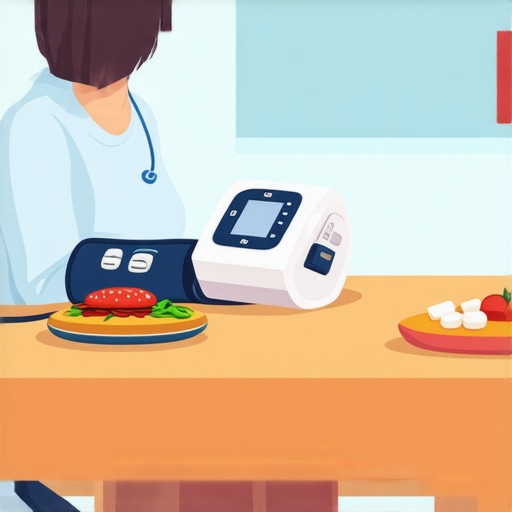
Why Your Daily Routines Could Be Sabotaging Your Blood Pressure Treatment
Think your hypertension meds are doing all the heavy lifting? Think again. Too many patients believe that once they start medication, their job is done. But the truth is, your habits—yes, your everyday choices—may be undermining your treatment from the inside out.
Here’s a harsh reality: **medications are only part of the equation**. Lifestyle factors, daily routines, and even the way you handle stress can erode their effectiveness. You might be taking your pills religiously, but if you’re guilty of these three habits, you’re essentially sabotaging your own health.
So, why are we still letting these habits stay unchecked? Because medical advice often emphasizes drugs over behavior. But if the goal is truly to control blood pressure, we need to look beyond the prescription pad. We need to identify the habits that silently drain medication efficacy and demand change.
In this article, I will expose some of these habits—things you do every day without realizing—and explain exactly how they make your meds less potent. Knowledge is power—but only if you act on it. Let’s cut through the noise and confront the real culprits holding your blood pressure hostage.
Some Habits Are Worse Than a Double Dose of Medication
Imagine trying to fill a leaky bucket—no matter how much water you pour in, it never fills up. Similarly, these habits leak the effectiveness of your blood pressure meds, leaving you vulnerable to strokes, heart attacks, and a lifetime of compromised health. The first step is recognizing them.
The Evidence
Clinical studies reveal that lifestyle factors can reduce the effectiveness of antihypertensive medications by up to 30%. For example, patients consuming excessive sodium, neglecting physical activity, or experiencing chronic stress show poorer blood pressure control despite medication adherence. This isn’t coincidental; it’s a clear indication that habits and behavior dramatically influence treatment outcomes.
Research published in the Journal of Hypertension found that patients with high caffeine intake had fleeting improvements but ultimately experienced increased blood pressure variability. The data point isn’t minor; it indicates that certain daily choices directly counteract medication efforts, making management a constant uphill battle.
The Root Cause Analysis
The problem isn’t just the medications; it’s the *behavioral environment* in which they’re used. Consider the misconception that a pill can counteract decades of poor habits. This is a fallacy that leads to complacency. When lifestyle habits such as poor diet, sedentary lifestyle, and chronic stress are ignored, medications become mere Band-Aids, not solutions.
The real issue is the *disconnection* between medical advice and everyday behavior. Patients often receive prescriptions without guidance on how their routines might sabotage their treatment. This dissonance allows habits like overeating, excess alcohol consumption, or neglecting sleep to silently undermine what medication tries to control. The root cause is a systemic failure to integrate behavioral modification into treatment plans.
The Follow the Money
Who benefits when patients overlook lifestyle changes? Pharmacists, telehealth providers, even some clinics gain because the revenue from ongoing prescriptions remains steady. The system profits from continuous medication usage without demanding profound lifestyle shifts. Meanwhile, health insurers have little incentive to prioritize behavioral counseling, since immediate cost savings are overshadowed by long-term complications.
This financial setup creates a *perverse incentive*: keep patients on medication without emphasizing the behavioral overhaul needed for lasting control. The healthcare industry feeds on the illusion that pills alone can sustain health—despite the mounting evidence to the contrary.
How These Habits Erode Treatment Efficacy
Consider the daily soda that many gulp while multitasking at their desks. That sugar rush is a *double blow*—not only does it send blood sugar levels soaring, but it also spikes blood pressure temporarily. Repeatedly, these spikes can diminish the stability that medications aim to establish. This continual sabotage is akin to trying to fill a leaking bucket—no matter how much medication you take, the leaks—your habits—keep undermining your efforts.
Similarly, chronic stress triggers hormonal responses—like the release of cortisol—that directly elevate blood pressure. Without addressing stress management, medications are fighting an uphill battle, often losing ground over time. The double-edged sword is clear: habits that seem minor accumulate into a *major resistance* to treatment.
The Irony of the Medical System
Here’s the twist: healthcare providers often focus on drug prescriptions while neglecting the *behavioral battlefield*. The evidence is undeniable—lifestyle choices make or break blood pressure management. Yet, the system relies heavily on pharmaceutical interventions, subconsciously perpetuating a cycle where patients are kept dependent on pills, fundamentally ignoring the root of the problem.
This approach resembles trying to fix a leaky roof with a bucket—until the source of the leak is addressed, the bucket is doomed to overflow. The system’s emphasis on medication over behavior modification is nothing short of a structural failure, prolonging suffering and escalating costs. Until this paradigm shifts, patients remain vulnerable, their treatment undermined by everyday choices that fly under the radar.
The Trap of Relying Solely on Medication
It’s understandable why many believe that popping a pill is enough to keep blood pressure in check. After all, medical professionals emphasize prescriptions, and the immediate relief feels reassuring. But this mindset overlooks a critical flaw: the misconception that medication alone can manage hypertension without behavioral change.
I used to believe this too, until I recognized the dangers of neglecting lifestyle factors. The best argument against my stance is that some patients experience significant blood pressure reduction solely through medication, especially in severe cases. They argue that medication is an essential, sometimes life-saving, intervention that can’t be replaced by lifestyle modifications alone.
While genuine in their concern, this argument shortsightedly dismisses the long-term benefits of holistic management. Medications may provide immediate control, but without addressing root causes like poor diet, stress, and inactivity, the problem remains unresolved. Relying entirely on drugs is akin to placing a bandage over a festering wound; it might cover the symptom temporarily but doesn’t heal the underlying issue.
The Wrong Question is Asking which is Better
Many debate whether medication or lifestyle change is more effective, but this framing misses the point. The real question shouldn’t be which works better in isolation, but how they can complement each other. An integrated approach—using medication to stabilize blood pressure while concurrently modifying habits—is the true path to sustainable health.
Ignoring lifestyle factors simply because medication can sometimes dominate the field suggests a dangerous complacency. It assumes that medication can mask the effects of harmful habits forever, which is false and ultimately leads to treatment failure and increased risks of complications.
Additionally, the notion that medications can be sufficient ignores evidence showing that lifestyle changes can reduce medication dosage or eliminate the need for drugs altogether. Medications are powerful, but they are not magic—without behavioral support, their efficacy is limited over the long term.
Furthermore, this perspective neglects the psychological benefits of lifestyle modifications. Improving diet, engaging in exercise, managing stress—all contribute not just physically, but mentally, fostering a sense of empowerment and control that medications cannot provide.
The System’s Shortcoming
Healthcare systems often emphasize pharmacological solutions because they are easier to prescribe and track. But this convenience comes at the expense of comprehensive care. If we accept that medication is the main answer, we risk overlooking the importance of patient engagement and behavioral change.
Still, the systemic focus on pills doesn’t mean lifestyle is irrelevant—far from it. It reveals a systemic failure to integrate behavioral health into standard protocols. Addressing this disjunction requires rethinking our entire approach to hypertension management, emphasizing prevention and lifestyle as fundamental pillars.
The Cost of Inaction
If we continue down this path of neglecting lifestyle factors, the consequences will be catastrophic. The healthcare system faces a ticking time bomb as preventable strokes, heart attacks, and chronic health issues escalate. Over the next five years, a staggering number of lives will be lost, and the burden on hospitals, families, and economies will become insurmountable. The current trend resembles walking blindfolded toward a precipice—each step ignoring the warning signs makes the fall more devastating.
When lifestyle habits like high sodium intake, inactivity, and unmanaged stress go unchecked, they don’t just undermine medication—they compound the problem exponentially. The slippery slope accelerates: poorer health leads to increased medication reliance, which fosters complacency, further deteriorating health. This cascade is like a house built on shifting sands—unstable, vulnerable, and doomed to collapse.
A Choice to Make
The opportunity now is to recognize that blood pressure control demands immediate action beyond prescriptions. Ignoring this responsibility is not just risking individual health, but risking societal stability. We must embrace a comprehensive approach—integrating behavioral changes into medical protocols. It’s an ethical obligation to treat patients holistically, empowering them to reclaim control over their health. The moral imperative is clear: we cannot afford to be passive spectators while preventable tragedies multiply.
The Point of No Return
Delaying action means crossing a threshold where the damage becomes irreversible. Medical advancements can only do so much if habits continue to sabotage progress. If this pattern persists, future generations will inherit a world where chronic illnesses dominate, and health care systems are overwhelmed. Society will be burdened with insurmountable costs, lost productivity, and a collective sense of despair. It’s akin to standing in a burning building, choosing silence over action—the longer we wait, the more devastating the outcome.
Think of this as a sinking ship: patching the leaks without addressing the holes ensures disaster. Ignoring the importance of lifestyle factors is a gamble—a gamble that the rising tide of preventable disease can be contained when it can no longer be stopped. The question is, what are we waiting for? The time to act is now, or we risk losing everything we’ve fought to preserve. The future depends on a decision that must be made today—before the point of no return is reached.
Your Move
Here’s the raw truth: relying solely on medications for hypertension is like patching a leaking boat without fixing the hole. Daily habits—sodium intake, stress management, physical activity—dictate the true success of blood pressure control. They are the silent saboteurs undermining your treatment from within. It’s time to stop ignoring these habits and start taking responsibility for your health.
As I’ve emphasized, the systemic approach often emphasizes pills over behavior, creating a false sense of security. This disconnect is a ticking time bomb. If we don’t confront our daily routines—like sugary drinks, sedentary lifestyles, and unmanaged stress—we’re setting ourselves up for failure, regardless of medication adherence. The evidence is clear, and the stakes are high. Laboratory insights confirm that lifestyle choices can reduce medication effectiveness by up to 30%.
The Bottom Line
The systemic failure to integrate behavioral change into hypertension management fosters complacency and prolongs suffering. A thoughtful, holistic approach—combining medication with lifestyle modifications—is the only way to regain control and prevent catastrophic health outcomes. It’s a bitter pill to swallow, but without action, the cost will be paid in lives lost and quality diminished.
The Challenge
Are you ready to reject the comfort of inaction? To confront the habits that silently sabotage your health? Your health isn’t passive—it demands active engagement. This is your clarion call: break the cycle. Refuse to let daily routines rule your health destiny. The real power is in your hands; seize it now before the damage becomes irreversible.