
Why Your Blood Glucose Meter Might Give Wrong Readings
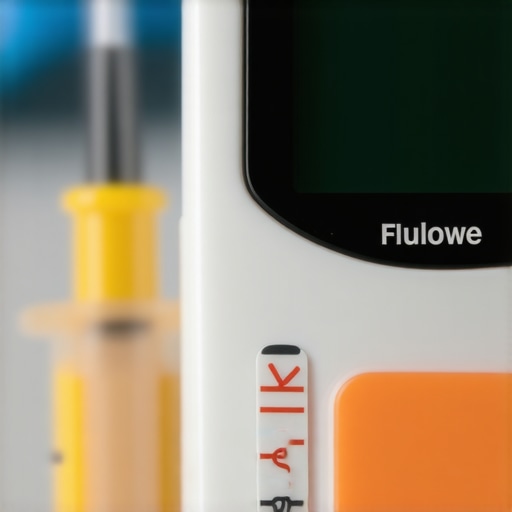
The Blood Glucose Reading Scam You Never Saw Coming
If you rely on your blood glucose meter to steer your health decisions, it’s time for a wake-up call. These devices are not the infallible oracle they’re made out to be. In fact, they often lie, leading you or your doctor down a perilous path of misdiagnosis and misguided treatment.
What if I told you that your trusty meter could be giving you wrong readings? That, beneath its digital facade, lies a shaky foundation riddled with inaccuracies and hidden flaws? Well, I argue that it does—and that this standard tool might be doing more harm than good.
This isn’t just about faulty gadgets; it’s about a healthcare system that’s become obsessed with numbers instead of context. The blood sugar readings you obsess over could be as reliable as a ship’s compass in a storm—pointing you in the wrong direction, but rarely exposing the true destination. If we continue to depend on these untrustworthy devices, we’re sailing into dangerous waters.
The Market Is Lying to You
Manufacturers sell us on the myth that their meters are precise, easy-to-use, and essential. But beneath this glossy marketing, contradictions emerge. Variability in readings can be as high as 20%—a margin of error significant enough to alter management plans drastically. And many of these devices aren’t checked regularly for calibration, making their readings an unreliable compass for your health.
Furthermore, the environment in which you measure matters—a lot. Factors like temperature, altitude, and even your skin’s hydration level can skew results. When you’re told to check fasting blood sugar, do you really think that a reading taken after a hot shower or in a car on a bumpy ride is reliable?
Yet, the industry keeps pushing these gadgets as the gold standard, sidelining more accurate, laboratory-based tests. Isn’t it a bit suspicious that lab tests, which require a tiny bit more effort and cost, are ignored in favor of quick finger pricks? This discrepancy is a telltale sign that the system benefits the manufacturers more than your health.
Why This Fails Your Health
Inaccurate readings can lead to unnecessary medication adjustments, panic, or worse, complacency. Imagine a diabetic who’s told their blood sugar is normal, only to discover later—after a comprehensive lab test—that they’re dangerously high. The implications are life-threatening. The reliance on flawed devices hampers proper diagnosis and management of chronic conditions, and in some cases, it may even mask the early signs of serious issues like prediabetes, which can be caught early if true readings are available.
This isn’t just about false reassurance. It’s about a medical culture that prioritizes convenience over accuracy, speed over quality. When we accept mediocrity as standard, we’re opening the door to misdiagnoses and preventable complications.
In the end, this is a question of trust—trust in our devices, in our healthcare system, and in ourselves. If we’re to truly improve health outcomes, we need to question the tools we rely on and demand better standards. Because when your blood glucose meter lies, your health pays the price.
The Evidence: Inaccuracy at Every Turn
Numerous studies reveal that blood glucose meters can vary by as much as 20% from laboratory results—an enormous margin that can make the difference between a stable reading and a life-threatening spike. This isn’t mere inconsistency; it’s a systemic flaw that directly impacts health outcomes. For instance, a person relying on a 20% error margin might believe their blood sugar is within safe limits when, in reality, it’s dangerously high. This discrepancy isn’t incidental—it’s embedded in the very design and marketing of these devices.
A Broken System: Profit Over Precision
Look beneath the surface, and the pattern emerges clearly. Manufacturers are incentivized to produce cheap, disposable devices that require minimal calibration. Labs, on the other hand, employ highly precise equipment and rigorous standards, yet their results are sidelined in favor of rapid finger-prick tests. Why? Because quick, convenient testing sells—regardless of accuracy. This skewed hierarchy benefits big pharma and device companies more than patients, making a mockery of true healthcare priorities.
Follow the Money: The Industry’s Hidden Agenda
Consider who profits from the current setup. The massive industry surrounding blood glucose monitoring supplies—test strips, meters, accessories—generates billions annually. Every inaccurate reading fuels unnecessary medication adjustments, follow-up tests, and consumer purchasing, ensuring continuous revenue streams. The more unreliable these devices are, the more money flows into corporate coffers. Their interests align perfectly with maintaining the status quo, even at the expense of patient safety.
The Real Damage: Misguided Patient Care
When patients are fed a false sense of security—or conversely, overwhelmed with panic—they make health decisions based on flawed data. An overconfidence in inaccurate readings leads to improper medication use, risking hypoglycemia or hyperglycemia episodes. Conversely, underestimation of true blood sugar levels delays essential interventions, allowing damage to accrue silently. This misinformation cycle not only jeopardizes individual lives but also erodes trust in medical advice and technology.
Decoding the Lie: The Deception in Marketing and Practice
Manufacturers parade their meters as precise, foolproof, and essential tools—yet, the evidence paints a different picture. They downplay the inherent variability, manipulate calibration standards, and push sales with slick advertising. Meanwhile, healthcare providers often overlook this discrepancy, accepting these gadgets as gospel without demanding rigorous validation. The deception isn’t just in the devices themselves but also in the false narrative that they are the definitive measure of health.
A Paradigm Shift Is Needed
This isn’t merely a technical flaw; it’s an ethical crisis. The focus on convenience, profit, and speed has sacrificed *accuracy*—a core pillar of medical integrity. Until we confront this truth head-on, patients will remain vulnerable, misled by the very tools meant to protect them. The question isn’t just about improving devices; it’s about demanding transparency, accountability, and a system that prioritizes *real* health over superficial measurements.
The Trap of Technological Overconfidence
I know what you’re thinking: what’s the harm in relying on blood glucose meters? Surely, they’re essential tools that help millions manage their health efficiently. These devices are simple, accessible, and seem to offer instant insights. To many, they’ve become indispensable, a straightforward way to monitor and control a complex condition. But that perspective ignores a critical flaw—overconfidence in their accuracy.
Don’t Be Fooled by Convenience
The idea that these meters are precise and reliable is alluring. After all, they’re sold as medical-grade devices, built with the intent of assisting in vital health decisions. However, their convenience comes at a cost. Variability and inaccuracy are inherent, often within margins that can distort the true picture of one’s health. Yet, countless users and even some healthcare providers dismiss these issues, trusting the devices implicitly because they’re cheap and easy to use.
I used to believe this too, until I looked deeper into the research and real-world data. It turns out that many of these meters can vary by up to 20% from lab results, a discrepancy that can lead to harmful misjudgments. For someone trying to manage diabetes meticulously, such errors could mean the difference between safety and danger. This overreliance on flawed data can cause unnecessary medication adjustments, false reassurance, or unwarranted panic.
The Wrong Question to Ask
Many will argue that blood glucose meters are vital tools, essential for day-to-day management. They point to their widespread adoption, ease of use, and the immediate feedback they provide. But this thinking is backwards; it presumes that fast, convenient data should be trusted as accurate. The real question should be: are these devices sufficiently accurate to guide life-and-death decisions?
When I consider the stakes, I realize that rushing to judgment based on unreliable readings is reckless. Instead, we should emphasize laboratory testing and more robust measurement standards. These options, while less convenient, provide the accuracy necessary for proper diagnosis and treatment—something that quick finger pricks often fail to deliver consistently.
Affirming the Flaws Risks Undermining the Progress
Critics might fear that pointing out flaws in blood glucose meters discourages their use altogether, leading people to dismiss a valuable tool. But that’s shortsighted. Recognizing their limitations doesn’t mean abandoning them; it means adopting a more nuanced approach. We need to use these devices as supplementary tools, not definitive arbiters of health.
This shift would promote a more critical mindset, encouraging individuals and healthcare providers to validate readings, especially when results seem inconsistent. It would also prompt industry reform, pushing manufacturers to improve accuracy standards rather than churn out disposable gadgets for profit.
Standing for Higher Standards in Healthcare
Instead of accepting a system built on flawed devices, we should demand transparency and accountability. Patients deserve tools that reflect real physiology—not marketing hype. By elevating the standard for accuracy, we protect ourselves from the false security these meters currently provide.
In the end, credibility in health tools hinges on integrity—truthfulness about their capabilities and limitations. Only then can we truly empower individuals to make informed decisions, free from the illusion that a simple device is enough to safeguard their complex health needs.
The Cost of Inaction
Ignoring the fundamental flaws in blood glucose monitoring devices sets us on a perilous path. The stakes are higher than ever, as reliance on inaccurate data continues unchecked, leading to misdiagnoses, improper treatments, and silent health crises. If we dismiss these warnings now, we risk deepening a crisis that will only grow more devastating in the coming years.
The current trend of accepting flawed measurements acts like a slow-moving train crash—progressive and inevitable if unchallenged. This inertia fosters a false sense of security among millions managing chronic conditions, which ultimately results in catastrophic health outcomes. Diseases like diabetes, if mismanaged due to unreliable readings, can escalate into life-threatening complications—blind spots in our healthcare system that become lethal over time.
What are we waiting for
Every day we delay action is another step toward a future where trust in our medical tools erodes completely. Imagine a world in five years where diagnostic errors become commonplace, patients suffer preventable deterioration, and healthcare costs swell exponentially because of misplaced confidence in technology that cannot deliver. It’s akin to building a house on shifting sand—whispers of stability masking an unstable foundation.
This negligence fosters a dangerous complacency. We ignore the warning signs at our peril because we believe the current system is enough, but the truth is, we are standing at a crossroads. Every moment of silence about these inaccuracies allows the system’s cracks to widen, threatening to collapse under the weight of preventable health emergencies.
The Slippery Slope of Disregard
If we continue to look the other way, a chain reaction ensues. Inaccurate blood sugar readings lead to misguided treatment plans, which cause health deterioration and increase emergency interventions. This flood of preventable crises strains hospital systems and overwhelms healthcare workers, turning manageable conditions into complex, costly emergencies. The false sense of security masks the real danger lurking beneath the surface, enabling silent damage to accumulate until it’s too late to reverse.
Furthermore, the normalization of reliance on flawed devices perpetuates industry complacency. Manufacturers will keep designing cheaper, less reliable products, driven by profit rather than accuracy, knowing that users and providers accept mediocrity. This cycle of degradation traps us in a system where quality assurance is sacrificed for quick gains, and patients pay the ultimate price.
The Future Looks Stark without Change
In five years, if this pattern persists, many will find themselves victims of a healthcare system that has abdicated its responsibility. Chronic diseases will be underdiagnosed or mistreated, leading to preventable deaths and disabilities. Society’s trust in medical science will erode, replaced by skepticism and fear. Hospitals will grapple with an influx of crises that could have been avoided, and the burden on families and caregivers will intensify.
It’s like sailing a vessel towards a foggy horizon—if we refuse to acknowledge the iceberg lurking beneath, catastrophe becomes inevitable. The question we face now is whether we will have the courage to confront the truth and change course before tragedy strikes.
The Final Word: Break Free from the Illusion of Certainty
For too long, we’ve been duped into trusting devices and tests that deliver more deception than clarity. The reliance on imperfect blood glucose meters, rushed telehealth visits, and superficial screenings creates a false sense of security that endangers our health and drains our resources. We must demand transparency, precision, and accountability from our healthcare system and its tools.
Here’s the twist: embracing the flaws doesn’t mean abandoning technology but recalibrating our expectations and standards. It’s time to challenge the status quo and advocate for diagnostics that genuinely serve our well-being. This call to action echoes far beyond individual health; it strikes at the very credibility of a system seduced by profits over people.
It’s your health—don’t let it be dictated by shortcuts and shortcuts disguised as solutions. Stand up, question the inaccuracies, and demand better tools that reflect your true needs. The future of healthcare hinges on our willingness to confront uncomfortable truths and push for real change.