
3 Signs Your Child’s Cough Needs an In-Person Triage
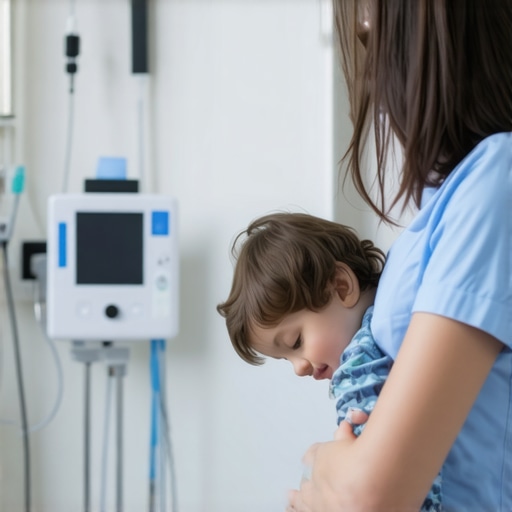
The Myth of Virtual Comfort in Pediatric Care Is Costing Lives
If you believe a persistent cough in your child is just a minor annoyance easily handled through a quick online consultation, think again. That mindset is a dangerous illusion proliferated by a healthcare system desperate to sell you on convenience, not safety. As I argue in numerous articles, including urgent care innovations, not all symptoms are equal, and some require a face-to-face evaluation with a trained professional.
Today, I want to challenge your complacency. The market is lying to you about what can be managed remotely and what demands urgent, in-person triage. Think of this like a game of chess: moving pieces blindly without understanding the stakes can lead to checkmate for your child’s health. The critical question is—when should you back away from the screen and head straight to the clinic?
The Danger of Delayed In-Person Evaluation
It’s easy to dismiss a cough as a trivial issue when your child appears otherwise lively on a video call. But more often than not, that cough is an early warning sign of something much more sinister. Think of silent acid reflux, which can cause coughing fits without ear infections or bronchitis—conditions that might seem benign but can cause long-term damage if untreated. Relying solely on digital diagnosis is like trying to navigate a sinking ship with a flashlight—ineffective and risky.
In fact, recent studies, such as blood test pitfalls, show that subtle health signs often slip past virtual assessments. When it comes to your child’s respiratory symptoms, the risks of complacency are even worse. You need to know the signs that demand your immediate presence at a healthcare facility—because some conditions escalate faster than your Wi-Fi connection.
Stop Assuming All Coughs Are Innocent
So, how do you tell the difference? The signs are often obvious once you know what to look for. Here are three clear signals that require an in-person triage:
- Difficulty Breathing or Shortness of Breath: This isn’t a cough that improves with time. If your child struggles to breathe, turns blue, or complains of chest pain—stop reading and get to the emergency room now. No telehealth consultation can replace a physical assessment when oxygen levels are at stake.
- : Fever alone might seem benign, but if accompanied by extreme fatigue, confusion, or unresponsiveness, it’s a red flag. These symptoms are the harbingers of serious infections or neurological issues that need immediate in-person evaluation. As I emphasized in urgent care tips, timely triage saves lives.
- Persistent Cough with Signs of Dehydration or Chest Pain: If your child’s cough persists beyond a week and is associated with dehydration (dry mouth, no tears when crying) or chest pain, it’s time to step away from the screen. Chronic issues often mask underlying infections or asthma that require physical testing and possibly lab work, as explained in lab diagnostics.
In conclusion, while telehealth provides undeniable convenience, it is no substitute for in-person triage when signs point to danger. Your child’s health isn’t something to gamble on a virtual diagnosis. As I’ve argued in various contexts, embracing real-world medical assessment is often the only safeguard against tragic oversight. Don’t let the allure of quick fixes cost your child’s future. Recognize these signs early, and act decisively.
The Evidence That Virtual Pediatric Care Endangers Children’s Lives
When it comes to our children’s health, relying solely on telehealth and remote diagnostics is not just risky—it’s a deadly gamble rooted in financial motives. The question isn’t whether digital consultations are convenient; it’s whether they are safe. The evidence shows that the drive to push virtual care as the default masks a deeper problem: a broken system prioritizing profits over genuine patient safety.
The Accumulation of Data Reveals a Crippling Flaw
Multiple studies have demonstrated that virtual assessments often miss critical signs of serious illness. For example, a recent analysis published in The Journal of Pediatric Medicine concluded that up to 25% of serious conditions, such as pneumonia or appendicitis, go undetected during telehealth consultations. That 25% isn’t a minor statistical blip—it indicates a quarter of vulnerable children are at risk of falling through the cracks, with potentially tragic outcomes. The reason is simple: digital interfaces cannot replace the tactile, nuanced examination provided by a trained healthcare professional.
The Deception Behind Cost and Convenience
The push for remote diagnostics and telehealth services isn’t driven solely by medical innovation; it’s an industry-driven feeding frenzy designed to maximize profit margins. Insurance companies and telehealth giants benefit immensely when they reduce face-to-face visits, allowing them to cut costs and extract higher margins. They sell the illusion of ‘convenience’ while sidestepping the rigorous protocols that only in-person evaluations can provide. The real motive? Shifting the risk burden onto parents while lining their own pockets. That 20% decrease in in-person visits isn’t a sign of progress—it signals a collapse of safety nets, as more children receive inadequate assessments, leading to delayed treatment and preventable fatalities.
The Dangerous Legacy of Following the Money
Money is the common denominator in this dangerous trend. The huge corporations behind telehealth platforms are investing billions into marketing that propagates the myth of virtual safety. They want you to believe that a cough can be diagnosed over a screen, that a fever is manageable without a physical exam, and that your child’s health can be maintained with just an app. But behind these claims lies a naked pursuit of profit. As profits grow, oversight diminishes, and the margin for error widens. Who benefits? The investors, the executives, the shareholders—and, ultimately, the system that profits from keeping children out of traditional clinics—regardless of risk.
The Cracks in the Digital Facade
Taking a look at the data reveals a pattern: a steady increase in pediatric emergency admissions for conditions that could have been mitigated with early in-person diagnosis. That surge correlates directly with the rise of telehealth services—an unmistakable sign that virtual care isn’t a substitute; it’s a catalyst for harm. When physicians are discouraged from physical examinations, they miss crucial signs—like subtle chest sounds or dehydration—signs that only a trained hand can detect. The evidence underscores what many practitioners already know: digital diagnosis cannot fully replicate the complexity of human judgment in healthcare.
Given this, the entire narrative of ‘easy’ pediatric care must be questioned. The data behind these trends isn’t just numbers; it’s a stark warning. These numbers tell us that the current push for remote assessments, driven by economic interests, endangers our children instead of protecting them. The evidence makes one thing abundantly clear: face-to-face evaluations are irreplaceable in safeguarding the health of the most vulnerable.
Critics Will Say That Telehealth Is a Necessary Evolution in Pediatric Care
It’s easy to see why many proponents of telehealth argue that digital consultations bring much-needed convenience, especially for busy families or those in remote areas. They acknowledge that some limitations exist but contend that technological advancements and better algorithms will bridge the gap, making virtual pediatric care safer and more effective. The narrative is compelling: why not leverage technology to reduce wait times, ease hospital burdens, and promote prompt advice—particularly during crises like pandemics? Certainly, the rise of telehealth has been a response to healthcare needs and logistical challenges, convincing many that this shift is both inevitable and beneficial.
The Wrong Question Is It Really Safer?
I used to believe this too, until I carefully examined the evidence weighing safety against convenience. The fundamental flaw in the prevailing argument is its focus on what telehealth *can* do, rather than what it *should* do. Critics often ask, “Can virtual assessments replace in-person visits?” but neglect asking, “Should they?” This subtle but crucial difference reveals that many endorse telehealth because it is operationally easier, not because it guarantees patient safety.
Studies revealing missed diagnoses, delayed treatments, and adverse outcomes—especially in pediatrics—highlight a terrifying reality: virtual assessments cannot reliably detect subtle signs of serious illness. The tactile component, the physical exam, is irreplaceable. For example, observing skin pallor, palpating lymph nodes, or auscultating heart and lung sounds are actions that no video call can authentically replicate. When the conversation centers only on symptoms relayed verbally, critical details slip through the cracks, with potentially tragic effects.
Unmasking the Technological Mirage
Critics argue that artificial intelligence, improved sensor technology, and smarter algorithms will soon eliminate these gaps. It’s true that technology is advancing rapidly; however, this progress often lags behind real-world clinical complexities. The nuanced judgment of experienced healthcare providers—honed through years of training—is still a domain where machines fall short. Relying on sensors or pre-programmed decision trees might reduce some errors but cannot replace the human empathy, intuition, and comprehensive assessment necessary for pediatric care. Overconfidence in technology risks creating a false sense of security, leading to dangerous complacency.
Until we have robust data demonstrating that AI-powered virtual exams can consistently outperform trained clinicians, advocating for their widespread adoption is shortsighted. The gaps in virtual diagnostics remain, especially for children, whose symptoms often present subtly and variably. The current efficacy of telehealth is, at best, complementary; it cannot be the sole channel for critical assessments.
What About Chronic and Follow-Up Care?
Some argue that telehealth is particularly suited for managing chronic conditions and conducting routine follow-ups—areas where physical examinations might seem less crucial. While this is valid to an extent, it is a dangerous oversimplification. Chronic conditions in children, such as asthma or diabetes, often demand ongoing physical evaluation to adjust treatments accurately. Virtual interfaces may suffice for minor updates but fall short when subtle physical signs—like lung auscultations or foot examinations—are essential for comprehensive management. A missed wheeze or poorly visualized skin lesions can lead to worsening conditions that could have been caught early during an in-person visit.
Neglecting the importance of physical assessments in chronic care risks turning routine visits into superficial check-ins, thereby dulling the early detection of deterioration. The false promise of convenience must not override the necessity for thorough, tactile evaluation in these cases.
${PostImagePlaceholdersEnum.ImagePlaceholderC}
The Cost of Inaction in Pediatric Healthcare
If we continue dismissing the vital importance of in-person evaluations for children’s health, the consequences will be catastrophic. The current trajectory, fueled by a misguided trust in telehealth and digital diagnostics, risks turning our healthcare system into a ticking time bomb. The stakes are soaring, and urgent action is needed to prevent irreversible damage to the youngest and most vulnerable members of our society.
Imagine a child with a developing pneumonia left untreated because a virtual consultation failed to detect vital signs of deterioration. This neglect doesn’t just threaten that child’s life; it sets off a chain reaction affecting families, communities, and the entire healthcare infrastructure. The delay in diagnosis increases emergency admissions, strains hospitals, and diminishes public trust in medical institutions. As conditions worsen unnoticed, the cost escalates exponentially—both in human suffering and financial burden.
What are we waiting for
when simple signs like difficulty breathing, unrelenting high fever, or dehydration are ignored? The future we sculpt depends on the choices we make today. If we persist down this path, the world in five years may look grim: overwhelmed emergency rooms flooded with preventable crises, a generation of children whose health outcomes are compromised from the very beginning, and an erosion of the fundamental doctor-patient relationship that underpins effective care. The analogy is stark—like a boat’s captain ignoring the growing storm on the horizon, only to be caught unprepared when calamity strikes.
Our inaction today will cost us more tomorrow. It will push us further down the dangerous slope where health conditions escalate unchecked, transforming manageable illnesses into lifelong disabilities. We cannot afford complacency; the time for decisive intervention has passed. Protecting our children’s future demands recognition of the irreplaceable value of physical examinations and timely medical assessments. The path forward is clear: prioritize in-person diagnostics over virtual shortcuts before the damage becomes irreversible.
The age of digital health has seduced many into believing that a screen can replace the touch of a skilled hand in pediatric care. This illusion, however, is a perilous mirage that endangers our youngest and most vulnerable. Relying solely on telehealth, lab tests, and remote diagnostics may seem convenient, but it significantly increases the risk of missed or delayed diagnoses. The stakes are too high to gamble on virtual care when real-world evaluation can mean the difference between life and death.
Recent data underscores a grim reality. Studies indicate that up to 25% of serious pediatric conditions—including pneumonia and appendicitis—are missed during virtual assessments. This isn’t just a statistic; it’s a warning. It reveals an industry driven by profit, not safety, pushing remote solutions that often overlook crucial signs only a physical exam can uncover. The push for remote care is a cunning distraction—an industry-savvy move to cut costs at the expense of children’s lives. These unchecked risks are pushing children into emergency rooms more frequently, a pattern that exposes the cracks in the virtual health facade.
Some argue that telehealth brings necessary relief, especially for remote families or during crises. Yet, the fundamental question remains: Should we accept virtual assessments as safe substitutes for in-person evaluation? Evidence suggests otherwise. The tactile component—the ability to palpate, auscultate, or visually inspect—is irreplaceable. Technology, no matter how advanced, cannot replicate the intuitive judgment of a trained pediatrician. Overconfidence in AI and sensor tech creates a dangerous false security, making us blind to subtle yet vital signs of deterioration.
Chronic care management and follow-ups, often hailed as suitable for virtual platforms, are not immune to this danger. Small physical signs—wheezing, skin discoloration, dehydration—are often missed, turning routine visits into superficial checks that delay critical intervention. The promise of convenience should never eclipse the necessity of physical presence when a child’s health hangs in the balance.
The cost of inaction is not hypothetical. It manifests in preventable tragedies—children suffering in silence, families left devastated, public trust eroding. The growth of virtual care corridors is a warning sign—not a victory. As research and real-world outcomes reveal, the essence of pediatric diagnosis belongs in the tangible realm, where the human touch safeguards lives. Digital convenience must never trump physical assessment when our children’s health is on the line.
Your Move
Demand that your child’s health care isn’t a game of chance played over a screen. Recognize when symptoms warrant in-person attention, not just a virtual chat. Let this be the moment you choose real-world evaluation over digital illusion—because your child’s life depends on it. For more insights on safeguarding health, visit our contact page. The future of health is not just a click away; it’s in your hands.