
Why Love Handles and Back Fat Rarely Disappear Through Diet Alone
Why Love Handles and Back Fat Rarely Disappear Through Diet Alone
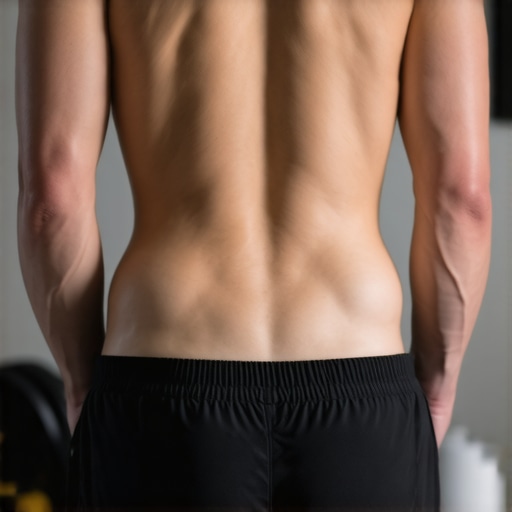
You have done everything right. You have meticulously tracked your macros, prioritized lean proteins, and eliminated processed sugars. Your gym routine is consistent, blending high-intensity interval training with heavy lifting. Yet, when you look in the mirror, those persistent pockets of fat on your flanks and lower back – commonly known as “love handles” and “back fat” – remain stubbornly in place. It is a frustrating reality for many: the scale moves, your clothes fit differently in the chest and legs, but the midsection refuses to transform.
This phenomenon is not a failure of willpower or a lack of discipline. It is a biological reality rooted in human physiology. For many individuals, advanced liposculpture and other forms of minimally invasive fat removal are not just “shortcuts”; they are the only effective ways to address fat deposits that are genetically and hormonally predisposed to stay. In this comprehensive guide, we will explore the science of why certain fat cells are resistant to traditional weight loss methods and how modern medical interventions can bridge the gap between “fit” and “sculpted.”
The Biological Reality of Stubborn Fat
To understand why love handles are so difficult to lose, we must first understand the nature of the fat cell, or adipocyte. When we lose weight through diet and exercise, we are not actually “burning away” fat cells. Instead, we are shrinking them. The number of fat cells in your body remains relatively constant after puberty; weight loss simply reduces the volume of lipids stored within those cells.
However, not all fat cells are created equal. Adipocytes have different types of receptors that respond to the body’s “fat-burning” hormones (catecholamines). Beta-receptors accelerate fat breakdown (lipolysis), while alpha-receptors hinder it. Areas like the love handles and the lower back are notorious for having a much higher concentration of alpha-receptors. This makes these regions biologically “stingy” – they are the last to release fat for energy and the first to store it when calories are in surplus. This is often referred to as the “last in, last out” theory of fat metabolism.
Furthermore, the distribution of these receptors is largely determined by genetics and hormones. If your biological parents struggled with flank fat, you likely will as well, regardless of your activity level. Hormones such as insulin and cortisol also play a pivotal role. High levels of cortisol, often driven by chronic stress, can signal the body to store fat specifically in the abdominal and flank regions. This is why addressing your Metabolic Health Status is crucial for understanding your body’s fat storage patterns.
Subcutaneous vs. Visceral Fat: Knowing the Difference
When discussing midsection weight, it is vital to distinguish between two types of fat: visceral and subcutaneous. Visceral fat is stored deep within the abdominal cavity, surrounding your internal organs. This type of fat is metabolically active and highly dangerous, linked to heart disease and type 2 diabetes. Fortunately, visceral fat is usually the first to respond to diet and exercise.
Subcutaneous fat, however, sits just beneath the skin. This is the fat you can “pinch” – the love handles, the bra-line fat, and the soft tissue on the abdomen. While subcutaneous fat is less dangerous to your metabolic health than visceral fat, it is far more resistant to lifestyle changes. Because it serves as a long-term energy reserve and provides insulation, the body is evolutionarily programmed to hold onto it. When you are frustrated that your diet isn’t working, it’s often because your body is successfully burning visceral fat while guarding its subcutaneous stores. This is a common reason why patients stop chasing normal lab results when they still feel exhausted by their lack of physical progress.
Why “Spot Reduction” is a Scientific Myth
One of the most persistent myths in the fitness industry is “spot reduction” – the idea that you can burn fat in a specific area by exercising the muscles underneath it. Countless people perform hundreds of side-crunches or back extensions hoping to “melt” love handles or back fat. Unfortunately, physiology does not work this way.
When you exercise, your body draws energy from fat cells across the entire body, not just from the area being worked. You might develop incredibly strong obliques and lower back muscles, but if they are covered by a layer of stubborn subcutaneous fat, they will remain invisible. Fat loss occurs systemically and is dictated by your genetic “blueprint.” For many, the face, arms, and legs lean out quickly, while the midsection remains unchanged. This genetic predisposition is why many turn to body contouring procedures to achieve the proportions they desire.
The frustration of spot reduction failure often leads to over-training. Patients may push themselves to the brink of injury, yet the localized fat remains. In some cases, chronic over-exercise can actually exacerbate back issues, leading patients to seek a strategy for handling chronic back pain without extra pills. Recognizing that exercise builds muscle but doesn’t choose where fat is lost is the first step toward seeking more effective clinical solutions.
The Plateau: When Lifestyle Reaches Its Limit
There comes a point for many health-conscious individuals where further calorie restriction or increased exercise becomes counterproductive. Drastic caloric deficits can trigger a “starvation response,” slowing the metabolism and making the body even more hesitant to release fat from the flanks. At this stage, you aren’t just fighting your habits; you are fighting your biology.
This plateau is where medical aesthetics and advanced medical procedures provide a necessary intervention. If you have reached a healthy weight and maintained a stable lifestyle, but still carry localized deposits, you are the ideal candidate for laser fat removal near me. These procedures are not designed for massive weight loss; rather, they are precision tools intended to “sculpt” the body by removing the fat cells that diet and exercise cannot reach.
Before undergoing any procedure, it is essential to ensure your internal health is optimized. For example, understanding why fasting for 12 hours before blood work still matters can ensure that your glucose and insulin levels are stable, which improves surgical outcomes and recovery. Similarly, ensuring you don’t have underlying issues like pre-diabetes is crucial for long-term maintenance of your results.
Modern Solutions: Comparing Fat Removal Technologies
The field of body contouring has evolved significantly over the last decade. Gone are the days when aggressive, highly invasive surgery was the only option. Today, patients can choose between non-invasive treatments and advanced, minimally invasive surgical techniques.
Non-Invasive: Body Contouring CoolSculpting
Body contouring coolsculpting uses cryolipolysis (fat freezing) to target and kill fat cells. It is a popular choice for those who want zero downtime. However, it typically requires multiple sessions and offers less precision than surgical options. It is best for small “pooches” rather than comprehensive 360-degree contouring.
The Gold Standard: Advanced Liposculpture
For those seeking dramatic and precise results, advanced liposculpture is the premier choice. Unlike traditional liposuction, which can be blunt and traumatic, liposculpture uses micro-cannulas to artistically shape the body. This technique allows lipo doctors to remove fat from the superficial layers, highlighting the underlying musculature.
Expert practitioners like dr jason miller specialize in these high-definition techniques. By utilizing hi-def liposculpture, surgeons can create the appearance of a toned abdomen and “V-taper” back that would be impossible to achieve through gym work alone for many body types.
Laser-Assisted Precision
Modern procedures often incorporate laser technology. A belly skin tightening laser can be used in conjunction with fat removal to ensure the skin adheres tightly to the new, slimmer contours. This addresses one of the biggest fears of fat removal: sagging skin. Furthermore, micro laser lipo near me offers a way to liquefy fat before removal, leading to less bruising and a faster recovery.
Targeted Areas: Transforming the Entire Torso
While most people focus on the “love handles” (the flanks), a comprehensive approach to body contouring often involves multiple zones to create a balanced, aesthetic silhouette.
- Back and Bra-Line: Back lipo targets the folds that often appear under the bra strap or across the shoulder blades. This area is notoriously difficult to tone with exercise.
- The Flanks: Love handle liposuction removes the “muffin top” effect, allowing clothes to fit more comfortably and creating a smoother transition from the waist to the hips.
- Male-Specific Contouring: Men often store fat differently than women. Male liposculpture focuses on creating a lean, athletic midsection and removing “spare tires” that hide the results of heavy lifting.
- Upper Body Balance: Sometimes, removing fat from the midsection can make the arms look disproportionate. Arm liposculpture can be performed simultaneously to ensure a cohesive look.
To see the transformative power of these procedures, one only needs to view an abdomen liposuction before and after gallery. The results often go beyond just “less fat” – they reveal a completely redefined body shape. You can also view a wider body sculpture before and after gallery to see results across various body types.
The Importance of Choosing the Right Specialist
Because liposculpture is as much an art as it is a science, your choice of surgeon is the most critical factor in your success. You aren’t just looking for someone to remove fat; you are looking for a “body architect.” When searching for lipo raleigh or any local specialist, look for those with specific expertise in “liposculpture” rather than just general surgery.
Reading lipo reviews can provide insight into the patient experience, but a consultation is where you will truly understand the doctor’s vision. A skilled dr liposuction will evaluate your skin elasticity, your muscle structure, and your metabolic health before recommending a plan. They will also be transparent about the liposculpture cost, which varies based on the number of areas treated and the complexity of the case.
Conclusion: A Targeted Solution for a Biological Hurdle
Struggling with love handles and back fat does not mean you have failed in your health journey. It simply means you have reached the limits of what diet and exercise can achieve for your specific genetic makeup. The human body is designed for survival, not necessarily for the aesthetic ideals we hold today. Stubborn fat is a remnant of an evolutionary past where storing energy was a necessity.
By opting for advanced liposculpture, you are choosing a targeted, medical solution to a biological problem. Whether you are interested in minimally invasive fat removal to refine your silhouette or high-definition sculpting to showcase your hard-earned muscle, modern medicine offers a path forward. Consult with reputable lipo doctors and explore the possibilities at carolinalipo.com to see how you can finally close the gap between your efforts and your results.
Remember, the goal of body contouring is not to replace a healthy lifestyle, but to complement it. When you align your internal metabolic health with expert external sculpting, you achieve a level of confidence and physical harmony that diet alone rarely provides.