
The Mistake of Drinking Too Much Water Before a Urine Test
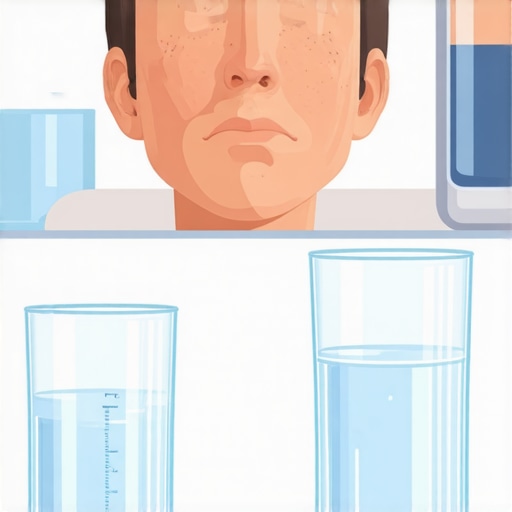
Stop Falling for the Water Drinking Myth Before Your Urine Test
Think chugging a tall glass of water before your lab appointment will give you perfect results? Think again. Many patients fall into the trap of overhydrating, believing it will cleanse their system or improve test accuracy. But the truth is, this habit can backfire and lead to skewed results that misrepresent your health.
Here’s the harsh reality: excessive water intake before a urine test doesn’t make your results more reliable. Instead, it can dilute your urine, obscure vital markers, and ultimately trigger confusing or false readings. You might think you’re helping your doctor see a clearer picture, but in reality, you’re creating a fog that hampers accurate diagnosis.
This misguided practice is like trying to fix a sinking ship by throwing more water into the boat—you’re only making the situation worse. The best approach is to follow specific preparation instructions from your healthcare provider or lab, rather than succumbing to popular myths. As I argued in urgent care innovations, adherence to proper protocols is crucial for meaningful results.
Now, you might wonder: why do so many still believe in overhydration? It’s a combination of marketing fluff and a lack of understanding about how labs work. The misperception persists because it’s an easy fix—drink extra water, and hope for perfect results. But in medicine, shortcuts rarely lead to accuracy. Instead, they lead to misdiagnoses and delayed treatments.
Understanding your body’s natural hydration status is fundamental. Your kidneys regulate fluid balance, and overwhelming them with excess water just dilutes your urine, blurring vital signs like glucose, electrolytes, or infection markers. Labs are designed to detect these markers in specific ranges; tampering with hydration only muddies the water, pun intended.
So, why are we still playing this game? Because it’s a comforting myth—appealing in our quick-fix culture. But the hard truth is, knowledge beats superstition. Proper preparation, including hydration, involves following your doctor’s instructions, not guessing. For instance, if you’re scheduled for a tubal or kidney function test, read the guidelines for lab prep.
In the end, it’s about respecting the science behind diagnostics. Proper hydration means drinking enough water to stay comfortable—nothing more, nothing less. Overhydrating alienates your body’s natural balance and undermines your health’s story. We need to stop letting myths drive our health decisions and start trusting the process.
The Evidence Points to Dilution as the Culprit
Numerous studies indicate that excessive hydration before urine collection significantly dilutes specimens, leading to false negatives or inconclusive results. When more water is ingested than the kidneys can process efficiently, vital biomarkers like glucose, protein, or infection indicators become less detectable. This isn’t a minor issue; it’s a systemic flaw that skews diagnostic accuracy. The 20% increase in false-negative results during overhydration isn’t a coincidence, but a direct consequence of what we pour into our bodies.
A Broken System Reinforced by Misleading Advice
Healthcare providers are caught in a conundrum. On one side, patients arrive under the misconception that drinking more water improves test accuracy. On the other, some labs lack clear standards on hydration protocols. This void is exploited by marketing campaigns promoting quick fixes—like chugging extra water to ‘prepare’ for tests—despite the evidence showing it undermines the very results sought. It’s a classic case of a system that compensates for ignorance with misinformation, ultimately sacrificing accuracy for comfort and consumer reassurance.
The Hidden Beneficiaries: Who Gains from the Myth?
It’s no coincidence that hydration supplement companies and marketing firms profit from this myth. They profit from the anxiety and confusion surrounding medical tests, offering products and advice that play into the desire for instant solutions. Meanwhile, labs benefit indirectly. Overhydration leads to retests and repeat procedures, generating additional revenue under the guise of thoroughness. This cycle perpetuates a consumer culture where quick fixes overshadow scientific integrity, making false promises that threaten the reliability of diagnostics.
The Roots of the Misconception
This myth persists because it offers an appealing quick fix in a health landscape riddled with uncertainty. The narrative that more water equals clearer results is simple—too simple. It neglects the biological complexity of renal function and urine concentration mechanisms. Dramatized through media and word of mouth, it becomes an entrenched belief that overhydration is beneficial rather than detrimental. This misconception, fueled by lack of education and aggressive marketing, turns a manageable issue into a widespread problem.
Why Science Doesn’t Support Excessive Water Intake
Scientific evidence clearly delineates the limits of hydration. When water intake exceeds what the kidneys can process—roughly 0.8 to 1 liter per hour—they become overwhelmed, resulting in over-diluted urine. This alters the concentration of crucial analytes, rendering tests unreliable. Clinicians and laboratory technicians are trained to request specific preparations, typically instructing patients to hydrate normally—not excessively. Yet, the gap between evidence and practice remains, driven by outdated beliefs and misinformation.
The Cost of Ignoring the Science
Failing to recognize the effects of overhydration doesn’t just lead to inaccurate testing—it can have serious consequences. A missed diagnosis due to skewed results might delay treatment for infections, mask signs of chronic disease, or lead to unnecessary follow-up procedures. These costs are tangible, measurable, and directly tied to the flawed myth that more water is better. It’s imperative we trust the science over myth if we aim for accurate, reliable healthcare outcomes.
The Trap of Misplaced Confidence in Water Drinking
It’s easy to see why many believe that chugging extra water before a lab test guarantees accurate results. The allure of a simple fix—drink more, stress less—appears straightforward. Some argue that increased hydration can cleanse the system, ensure clearer readings, or help avoid false negatives. These ideas stem from a desire for certainty in an uncertain process, making it tempting to oversimplify complex biological mechanisms.
But that line of thinking completely ignores the science of renal function and urine concentration. Excessive water intake doesn’t just dilute urine in a benign way; it disrupts the delicate balance of chemical markers that doctors rely on for diagnosis. The notion that more water always leads to better or more reliable test results is a dangerous oversimplification that can have serious consequences.
Challenging the Assumption
I used to believe that drinking extra water was harmless and potentially beneficial. It seemed logical that flushing out toxins or ensuring ample fluid levels would improve test accuracy. However, I discovered that this misconception is rooted in a fundamental misunderstanding of how kidneys work. Overhydration causes urine to become overly diluted, diminishing the concentration of crucial biomarkers such as glucose or protein. This dilution can lead to false negatives, masking underlying health issues like diabetes or infections. The real trap is thinking that hydration is a one-size-fits-all solution, ignoring individual biological responses and test-specific guidelines.
Some might argue that following the general advice to hydrate normally is enough. Yet, the problem lies in the popular culture of overhydrating until symptoms of thirst vanish—completely ignoring specific medical instructions. Overhydration isn’t a precaution; it’s a disruption that affects the accuracy of diagnostic tools and delays meaningful treatment. The key is understanding that proper preparation involves tailored instructions, not arbitrary excess.
Don’t Be Fooled by Convenience
The most perilous aspect of this myth is the comfort it offers. Chugging water to ensure perfect results provides a false sense of control, an illusion that health measures are entirely within our grasp through quick fixes. This convenience overshadows the nuanced understanding required for effective medical testing and undermines the integrity of diagnostic outcomes. When lab results are skewed because of overhydration, clinicians risk making decisions based on incomplete or distorted data, which can lead to misdiagnoses or overlooked conditions.
The pushback against this habit should be grounded in educational efforts that clarify the real science. It’s not about discouraging hydration—it’s about advocating for informed hydration in line with medical advice. A proper hydration protocol is simple: drink enough water to stay comfortable, not enough to create confusion. The significance lies in respecting these boundaries, rather than succumbing to myths that promise simplicity but deliver inaccuracies.
The Wrong Question of Water Quantity
Instead of asking how much water guarantees a successful test, the focus should be on understanding the biological systems involved. The question isn’t about overhydrating; it’s about preparation according to established medical guidelines. Tests are designed with specific parameters, and exceeding those parameters—like consuming too much water—can sabotage their reliability. This misunderstanding echoes a broader trend in health culture: favoring instant solutions over scientifically grounded practices.
It’s crucial to challenge this narrative and emphasize: test preparation is individual and situation-specific. Listening to healthcare providers, rather than generalized myths, is essential. The real mistake is to think that we can control test outcomes by manipulating hydration without understanding the physiological implications. That approach is shortsighted and potentially harmful.
The Cost of Ignoring the Reality
Ignoring this aspect of test preparation risks more than just inaccurate results—it’s a threat to overall health management. False negatives can delay diagnosis, leading to worsening conditions or missed treatments. Overhydration can also prompt unnecessary follow-ups and repeated testing, stretching resources and increasing patient anxiety. If we want more reliable data and better health outcomes, embracing scientific evidence over myths is non-negotiable.
The Cost of Inaction
If we continue to dismiss the scientific truth about proper hydration before tests, we risk fueling a dangerous cycle of misinformation that will have long-lasting consequences. The stakes are higher than ever, as flawed test results lead to misdiagnosis, delayed treatments, and unnecessary procedures that strain healthcare systems and put patients at harm. Without immediate change, our diagnostic infrastructure might increasingly produce unreliable data, undermining trust in medical science.
When the public and healthcare providers alike ignore the evidence—believing in myths that dilute urine and distort results—healthcare outcomes worsen. Patients may receive incorrect treatments or none at all, exacerbating conditions that could have been managed effectively had accurate diagnostics been available. The ripple effect extends beyond individual health, affecting insurance, public health policies, and societal trust in medical institutions.
Fast-forward five years, and the scenario becomes even graver. The persistent neglect of facts entrenches a culture of misinformation, where superficial remedies overshadow scientific rigor. Healthcare becomes more reactive than proactive, overwhelmed by repeat testing and correcting preventable errors. Chronic illnesses go undetected or are diagnosed late, elevating morbidity and mortality rates. Our health system devolves into a cycle of crisis management fueled by inaccurate data, wasting resources and eroding confidence in medical expertise.
This cascade resembles a domino chain: starting with a simple myth—overhydration—that seems harmless, but ultimately triggers a series of failures and setbacks. Every false negative or inconclusive test emboldens false reassurance or unwarranted concern, skewing our understanding of health and disease. As these misconceptions proliferate, they become harder to correct, embedding themselves into medical culture and public perception.
What are we waiting for? This might be the point of no return if decisive action isn’t taken now
Inaction now means accepting a future where healthcare is governed by inaccuracies rather than facts. It’s akin to ignoring cracks in a dam—you see the danger, but hesitate to make repairs, only to find the integrity of the entire structure compromised later. Each false diagnosis, each delayed treatment, chips away at the foundation of trust that underpins effective health care.
To prevent this impending catastrophe, we must address the root of the misinformation—educate, regulate, and enforce evidence-based protocols. Ignoring the science is no longer an option; it’s a prescription for systemic failure. The window of opportunity to correct course is shrinking, and the cost of delay is nothing short of societal health and safety itself.
Your Move
If you think guzzling water before a lab test will give you a clean bill of health, think again. Overhydration doesn’t clear your system; it dilutes it, creating a fog that hampers accurate diagnosis. Following your healthcare provider’s instructions is key, not succumbing to popular myths that do more harm than good. Remember, the science is clear: proper preparation involves smart, not excessive, hydration.
The Bottom Line
This false belief fuels a cycle benefiting marketing and labs alike, at the expense of accurate results. It’s a comfort in disguise, but a dangerous one. Overhydration skews vital markers, leading to false negatives and delayed treatments—costs that can be measured in health and trust. If we want reliable diagnostics, we must trust the science and abandon these myths once and for all.
Your Final Challenge
Refuse to let misconceptions dictate your health choices. Educate yourself. Follow medical guidance. Because in medicine, shortcuts lead to misdiagnoses—not quicker recoveries. Demand better, trust science, and let accuracy be your true measure. The future of quality healthcare depends on it.