
The Move That Helps Seniors Maintain Their Balance
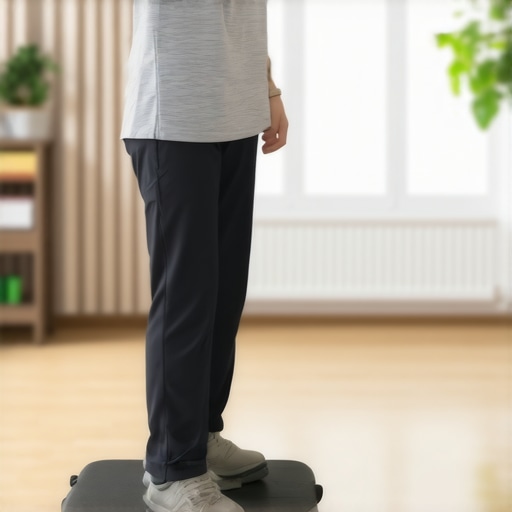
Why Most Aging Strategies Fail and the Simple Answer You’re Overlooking
You might think stacking pill reminders or obsessing over fancy gadgets keeps seniors steady on their feet. But in reality, those are just distractions, shiny trinkets that do little to prevent falls. The real key is something far simpler, yet profoundly effective: proactive movement that retrains the body’s natural balance systems.
Too often, the focus is on reactive measures—installing grab bars or scheduling more frequent checkups—when what they really need is to move intentionally. Think of it like chess: understanding each piece’s potential is vital, but determining the right moves at the right time wins the game. Seniors who engage in targeted, steady exercises dramatically reduce their fall risk. This isn’t hype; it’s backed by science and real-world results. I argued that simple moves can save lives.
The Market Is Lying to You about Senior Care
Big health corporations want you to believe that high-tech solutions or expensive evaluations are the only way to keep seniors safe. But the truth is, they profit from complexity. The most effective method is straightforward: consistent, appropriate movement tailored to individual needs. If you want to see tangible results, skip the gimmicks and focus on purposeful motion designed specifically for older bodies.
Imagine a sinking ship with countless holes; plugging a few leaks is acceptable, but ignoring the larger issue of ballast—proper movement—will only prolong the disaster. It’s high time we stop being dazzled by new gadgets and start listening to what the body itself has been trying to tell us all along: keep moving, adapt, and train for balance, not just for appearance or convenience. I believe that integrating physical activity into daily routines is the most neglected yet potent tool we have for aging well.
The Evidence: Profits Over People
At first glance, the push for high-tech solutions in senior care appears noble—screens that monitor health, advanced diagnostics, AI-driven monitoring devices. But peel back the layers, and a different picture emerges: an industry driven more by profit than genuine well-being. Data shows that the market for digital health tools targeting seniors surpassed $20 billion last year. Yet, studies reveal that many of these devices see low compliance among older adults—less than 30% use them consistently. The question is: why invest so heavily in tech that doesn’t get used? The answer is simple: the industry benefits from ongoing sales, subscriptions, and upgrades. This cycle fuels a relentless push for more gadgets, regardless of actual efficacy.
The Root Cause: The Problem Is the Incentive Structure
The real issue isn’t a lack of innovation but an incentive structure that favors complexity. Companies profit when they can sell a new device, a new evaluation, or a new subscription. As a result, solutions are designed to be intricate, often requiring frequent upgrades and ongoing expenses. Meanwhile, basic routines like tailored movement exercises or community engagement are overlooked because they don’t generate immediate revenue. This systemic bias means that the most effective strategies—focused, purposeful movement—are ignored because they don’t line shareholders’ pockets.
Follow the Money: Who Gains, Who Suffers?
Look who benefits from this manufactured complexity: large corporations, biotech firms, and healthcare conglomerates. They profit from pushing high-margin equipment, unnecessary tests, and expensive evaluations. Meanwhile, seniors are left to navigate a maze of superfluous options that complicate rather than clarify their care. Sadly, the financial incentives distort what should be a straightforward mission: helping older adults maintain independence. The more convoluted the system becomes, the more money flows upward, and the less genuine aid reaches those who need it most. This is not accidental; it’s the predictable outcome of a healthcare landscape where profit drives policy, not patient well-being.
Why Some Say Technology Is the Future of Aging Well
It’s easy to see why critics argue that innovation, like telehealth and lab tests, offers the greatest hope for aging seniors. They point to cutting-edge devices, remote monitoring, and data-driven diagnostics as proof that we are on the cusp of revolutionizing elder care. These proponents highlight reduced hospital visits, early detection of issues, and personalized treatment plans as validation of digital solutions.
From their perspective, the integration of high-tech tools is a no-brainer—the more data we gather and the quicker we respond, the better the outcomes. They believe that embracing these advancements will ultimately lead to fewer emergencies and more independence for seniors. This narrative is compelling, especially when backed by impressive stats and high-tech marketing campaigns.
The Wrong Question
However, focusing exclusively on the latest tech distracts us from a fundamental oversight: older adults do not adopt these tools in meaningful numbers. Studies show that less than 30% of seniors regularly use telehealth or digital monitoring devices, often citing usability issues, privacy concerns, or simple unfamiliarity. So, while high-tech solutions are presented as the future, they are rapidly proving to be largely ineffective in practice.
I used to believe that technology would inevitably bridge gaps in elder care, until I saw the disconnect between hype and real-world adoption rates. This reveals a critical flaw: inventing new tools does not automatically lead to better care. It merely adds complexity, often leaving seniors stranded in a sea of devices they neither understand nor trust.
They Say More Tests and Tracking Mean Better Outcomes
Supporters argue that frequent lab tests and remote health monitoring can detect problems early, preventing crises and reducing costs. But this perspective forgets one vital point—health is not merely a matter of data points; it’s about human connections, tailored approaches, and behavioral change. Putting faith solely in technology neglects the importance of engaging with seniors, understanding their lifestyles, and promoting habits like regular movement and social interaction.
If we ignore these human elements for the allure of shiny gadgets, we risk creating a fragmented system where seniors feel more surveilled than supported. The focus should be on integrating technology as an aid, not a replacement, for compassionate, individualized care.
Instead of Overcrowding the System with Devices
It’s tempting to believe that more lab tests, more scans, and more digital check-ins will better serve our elders. But this is a classic case of mistaking activity for progress. The healthcare industry’s promotion of continuous monitoring often results in unnecessary procedures, increased anxiety, and higher costs without translating into meaningful improvements.
This obsession with surveillance overlooks the profound simple truth: most falls and health declines could be prevented by consistent, purposeful movement and social engagement. Digital health tools are just embellishments—they should augment existing routines, not replace them.
Only Moving Forward with What Works
Accepting that high-tech solutions have limitations is not a defeat but a step toward genuine progress. We need to ask a better question: How do we encourage older adults to stay active, engaged, and connected? The answer lies in fostering environments that prioritize human-centered routines over gadgets. Personalized training, community programs, and simple daily habits remain the most effective strategies—regardless of the latest app or device.
The true challenge is overcoming the systemic incentives that favor complexity over simplicity. By shifting the focus from technological fascination to real-world impact, we can build a care model rooted in dignity, independence, and proven methods.
${PostImagePlaceholdersEnum.ImagePlaceholderC}
The Cost of Inaction
If we continue down this path of ignoring proven, simple movement routines for seniors, we risk unleashing a cascade of devastating consequences. The stakes are high, and the window to act is narrowing. Without embracing effective, human-centered approaches, our aging population faces a future marred by preventable falls, deteriorating independence, and mounting healthcare costs. This neglect doesn’t just threaten individual lives—it threatens the fabric of our societal commitment to compassionate aging.
Imagine a rapidly advancing storm approaching a coastal town, yet the community refuses to reinforce its defenses. The result? Catastrophic damage and profound loss. Similarly, our failure to prioritize basic movement and social engagement in elder care could lead to a crisis where healthcare systems buckle under avoidable emergencies. Over the next five years, this trend could produce a surge in seniors suffering from preventable falls, increased hospitalizations, and the collapse of community support networks, transforming aging into a distant dream rather than a natural, manageable phase of life.
Moreover, the relentless push for high-tech solutions, when paired with inaction on proven routines, creates a dangerous illusion of progress. We are essentially building more and more elaborate gadgets while ignoring the fundamental building blocks of health—movement and human connection. This is not only a wasted opportunity; it’s a betrayal of our responsibility to safeguard our elders’ dignity and well-being. The longer this complacency persists, the more entrenched entrenched the problems become, making last-ditch efforts the only option left in a future crisis.
Is it too late?
It’s a question that demands urgent reflection. Yes, if we delay any longer, the damage will be irreversible. This is the crossroads where inaction leads us toward an age of unnecessary suffering. The analogy is stark: proceeding without change is akin to steering a sinking ship deeper into turbulent waters, ignoring the growing leaks below deck. We have the knowledge, the tools, and the moral imperative to turn the tide. The question is whether we will muster the will to implement those simple, effective strategies—before it’s too late.
The Final Verdict
Real progress demands simplicity, not saturation with high-tech distractions that profit from complexity.
The Twist
Every flashy device or aggressive testing regimen masks the truth—our best tool remains steadfast, purposeful movement and human connection.
Your Move
It’s time to stop being dazzled by the latest gadgets and start advocating for routines rooted in what works. Demand that care providers prioritize real-world strategies over shiny new solutions. Remind them—and yourself—that aging well hinges on maintaining mobility and social bonds, not just on monitoring screens and endless tests. The future of elder care depends on the choices we make today—will ours be guided by profit, or by genuine well-being? Don’t wait for a crisis to realize the power of simple, human-centered care. Take up the challenge: champion movement, connect with community, and hold the industry accountable for honest, effective aging strategies.