
Why Your Senior Parent Is Resisting the Use of a Walker
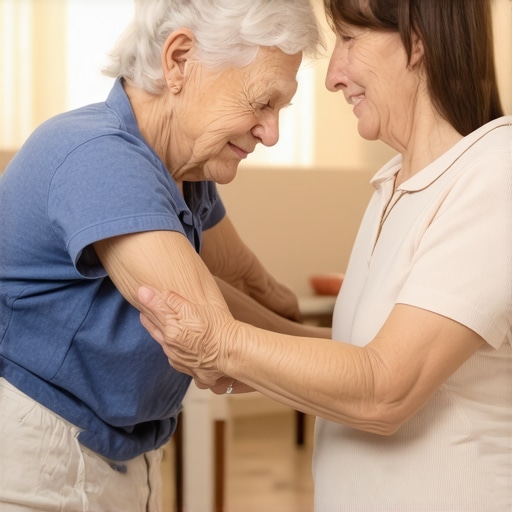
Stop Blaming Resistance When Your Parent Clings to Their Pride
If you’re like most adult children, you probably think your senior parent refuses to use a walker because they stubbornly refuse help. But what if I told you that this is not mere stubbornness? That behind their resistance lies a complex web of identity, independence, and societal expectations that are often ignored or misunderstood.
The truth is, pushing a senior into accepting assistive devices like walkers can do more harm than good. It risks damaging their dignity and worsening their health, all because we default to a narrative that equates acceptance with weakness. But no, this isn’t about weakness—it’s about human dignity and the profound desire to retain control over one’s life even in the face of physical decline.
In this article, I will dissect why seniors resist walking aids, debunk the myths surrounding aging and dependence, and suggest a more compassionate approach that respects their autonomy. Because, let’s face it, forcing a walker on them is not an act of kindness; it’s an act of control disguised as care. And as I argued in other contexts of health management, understanding the deeper reasons behind resistance leads to better outcomes than any coercive effort.
The Myth That Aging Means Loss of Pride
Many assume that seniors refuse walkers because of stubbornness or denial. But the real issue is identity. When society relentlessly portrays aging as a decline into dependence, seniors internalize this narrative. They see the walker not as a tool but as a symbol of failure, weakness, or even impending death. This perception creates a mental barricade they are reluctant to breach.
Yet, this mindset is flawed, and I challenge you to think differently. The issue is not their unwillingness but a fear of losing their sense of self. They fear becoming invisible, frail, and forgotten. So, instead of pushing them into a healthcare model that emphasizes dependency, why not shift the conversation to empowerment? Encourage them to view walking aids as tools for maintaining independence, not symbols of failure.
For more on how to approach this delicate issue, see Vitamin B12 and cognitive health.
The Hard Truth About Independence and Human Dignity
Once you understand that resistance stems from a deep need for dignity, the entire approach changes. Forcing a device on someone who perceives it as an attack on their autonomy is akin to handing them a scarlet letter. Instead, involve them in the decision-making process. Educate, empower, and provide alternatives that respect their wishes.
Take, for instance, home adjustments or specialized physical therapy that begins with their consent. As I discussed in managing chronic pain with better posture, comfort and choice are key to compliance and well-being.
Remember, aging isn’t a game of surrender but a fight to retain who we are amid changes. Resistance to walkers is often resistance to the loss of control—and nothing about this is randomness or stubbornness. It is a vital human struggle that merits patience and respect, not judgment and coercion.
The Evidence Behind Resistance and Dignity
When seniors resist using mobility aids, many dismiss their reluctance as mere stubbornness. However, a deeper look reveals that this resistance is intertwined with *identity* and the fundamental human desire for *autonomy*. Studies show that seniors often perceive walkers as symbols of decline, which threatens their sense of self-worth. This perception isn’t arbitrary but rooted in societal narratives that equate aging with dependence. The collapse of this misconception becomes evident when examining aging populations globally; countries that normalize assistive devices early on see lower rates of psychological decline, indicating the importance of dignity preservation in aging.
The History of Age and Dependence Myths
Historically, depictions of aging have long portrayed the elderly as fragile and in need of control—far from independent. During post-war eras, societal emphasis on productivity replaced respect for aging with a gaze of vulnerability. That narrative persists, influencing how seniors perceive assistive devices today; they see walkers not as tools, but as markers of failure. Recognizing this pattern exposes that resistance isn’t about stubbornness but about confronting a shared cultural baggage that equates dependence with loss of dignity.
The Root Cause of Reluctance: Fear of Identity Loss
The core issue isn’t the physical aid itself; it’s the *fear* of losing one’s identity. When a senior declines a walker, it’s often because they associate it with weakness—an internalized stigma reinforced by societal images. Data suggests that seniors who are presented with assistive devices as a means to enhance independence, rather than as symbols of frailty, are more likely to embrace them. This shift in perception directly counters the narrative that dependence equals failure, and instead promotes the idea that accepting help can be an act of empowerment, not surrender.
The System That Profits from Denial
Who benefits when seniors cling to pride and reject mobility aids? It isn’t the elderly. The healthcare industry, however, does. By discouraging early adoption of assistive devices, companies and healthcare providers prolong dependence, increasing long-term costs. This cycle sustains a system where dependency is viewed as inevitable, rather than a challenge to be addressed through better education and cultural change. The financial incentive is clear: prolonging reliance ensures ongoing revenue from treatments, devices, and institutional care—at the expense of dignity.
The Consequences of Ignoring Evidence
The failure to recognize the real obstacle leads to solutions that exacerbate resistance. Coercion or rushing seniors into devices without addressing their fears damages trust and accelerates health decline. Instead, the proven approach involves involving seniors in decision-making, framing assistive devices as tools for independence rather than symbols of aging. When their autonomy is prioritized, resistance diminishes, and physical health improves. The evidence is unequivocal: respecting human dignity in the face of physical decline isn’t just ethical; it’s essential for effective care.
The Trap of Simplistic Solutions to Complex Identities
It’s easy to see why many believe that seniors’ resistance to walk-in aids stems purely from stubbornness or stubborn pride. After all, society often portrays aging as a decline into dependence, leading us to assume that acceptance is a sign of weakness. In this narrative, pushing a senior to accept help seems justified, and resistance is dismissed as irrational or obstinate.
However, this perspective fundamentally misunderstands the nuanced reality of aging. The core issue isn’t about stubbornness but about identity, dignity, and autonomy. This laundry list of misconceptions ignores the deeply ingrained fears that come with physical decline and societal stigmatization. Dismissing resistance as mere stubbornness not only oversimplifies the problem but also risks perpetuating the very attitudes that harm seniors’ well-being.
The Wrong Question: Is It Pride or Loss of Self?
I used to believe that seniors refusing walkers were just being stubborn until I realized that their resistance is closely tied to a profound fear of losing their identity. When society equates aging with frailty, seniors internalize this message and perceive mobility aids as symbols of failing independence. This cultural baggage makes acceptance feel like a surrender, an erosion of who they are. So, the question isn’t about stubbornness—it’s about how we respect their sense of self in the face of inevitable physical changes.
${PostImagePlaceholdersEnum.ImagePlaceholderC}
The Reality Overlooked: Autonomy Is Essential for Dignity
Challenges that claim seniors resist aids out of stubbornness overlook that resistance is often a protective mechanism. They see assistive devices not as tools for empowerment but as reminders of aging’s decline and societal failure to value independence. By framing their resistance as a desire for control rather than foolishness, we recognize that autonomy isn’t just a preference—it’s an essential part of human dignity.
For example, involving seniors actively in decisions about their aids, tailoring solutions around their preferences, respects their agency and fosters acceptance. This approach shifts the narrative from one of dependency to one of empowerment, ultimately benefiting their physical and mental health.
Addressing the Systemic Flaw
The misconception that resistance is stubbornness feeds into a healthcare system that benefits financially from delayed acceptance of aids. This misjudgment sustains a cycle where dependency is seen as inevitable, prolonging need for costly interventions. The false belief that seniors are purely resistant rather than reflecting societal attitudes hampers progress.
Recognizing this systemic flaw is critical. When health providers dismiss resistance as stubbornness, they ignore the underlying fears and cultural narratives that fuel it. Challenging this misconception is necessary to create a healthcare approach rooted in respect, understanding, and dignity—one that encourages early adoption of aids as part of an overall strategy for healthy aging.
Breaking Free from the Outdated Mindset
It’s easy to fall into the trap of blaming seniors for their resistance. Society has long perpetuated the myth that aging equals decline and shame. But when we accept the reality that resistance is more about identity preservation than stubbornness, we open the door to compassionate solutions. We need to ask not just how to make seniors accept aids but how to honor their sense of self in the process.
This shift demands a cultural change, emphasizing that accepting help is a mark of strength, not weakness. We must educate caregivers, families, and health professionals to see obstacles as opportunities to foster dignity and independence, rather than enforce conformity. Only then can we truly address the root causes of resistance and improve the quality of life for our aging loved ones.
The Cost of Inaction
If society continues to dismiss seniors’ resistance to mobility aids as mere stubbornness, we risk a cascade of detrimental outcomes that stretch far beyond individual dignity. Ignoring the underlying fears and societal narratives fuels a cycle where dependence deepens, health deteriorates, and psychological well-being collapses. The current trend toward coercion and neglect-not only erodes trust but also leaves our aging population vulnerable to preventable decline, mental health issues, and isolation.
This pattern is akin to neglecting a small leak in a dam; what begins as a minor problem gradually undermines the entire structure. As resistance is dismissed and barriers are not addressed compassionately, seniors experience loss of autonomy, increased depression, and deterioration of physical health. Healthcare systems become overwhelmed with complex cases stemming from untreated fears and unmet needs, escalating costs and diminishing quality of life.
A Choice to Make
In five years, if this trend persists, the world risks resembling a society where aging is synonymous with loss of self—not a natural phase of life to be embraced with dignity. People will live longer but with diminished quality of life, trapped in a cycle of dependency and institutionalization. Medical costs will skyrocket as preventable complications and mental health issues multiply. Communities will face increased caregiver burnout and social isolation, and the fabric of respect that sustains a humane society will fray.
The analogy here is a car heading toward a cliff at high speed. If we ignore the warning signs—seniors’ resistance rooted in fear, cultural stigmas, systemic failures—we are steering blindly toward disaster. The outcome? A future where aging is perceived as failure, productivity declines, and compassion erodes.
Is it too late?
We stand at a crossroads. Will we continue to dismiss resistance as stubbornness, thereby fueling a cycle of neglect? Or will we choose to reframe aging as a phase of empowerment, where dignity is preserved and autonomy celebrated? The answer dictates whether future generations view aging as a burden or a natural, respected chapter of life.
Your Move
The resistance seniors display toward mobility aids like walkers isn’t stubbornness; it’s a battle to preserve their sense of identity and human dignity.
Society’s narratives about aging cast dependence as failure, making assistive devices symbols of weakness rather than tools for empowerment. This misconception fuels rejection and costs lives. Challenging this notion means reframing aids not as symbols of decline, but as means to enhance independence and uphold self-worth. Healthcare providers must involve seniors in decision-making processes, respecting their autonomy, much like how better posture techniques foster compliance through comfort and choice.
When resistance stems from fear of losing oneself, forcing solutions only deepen the divide. Instead, educate and empower, aligning care with their values. Recognizing that societal and cultural narratives have created this resistance reveals that change isn’t just possible—it’s necessary.
The Bottom Line
If we continue dismissing resistance as stubbornness, we ignore the deeper need for autonomy and dignity—a mistake that worsens health outcomes and erodes societal compassion. It’s time to dismantle misconceptions, embrace empathy, and trust that honoring human dignity is the most effective path forward. Because the real question isn’t whether seniors will accept help but whether we are willing to let go of outdated stereotypes that diminish us all.
We stand at a crossroads: foster a culture that values independence at every age or cede to a future where aging is shameful, invisible, and disconnected from the very human spirit that deserves respect at every stage of life. The choice is ours—are we ready to lead with dignity?