
The One Vaccine Every Senior Needs Before Flu Season Starts
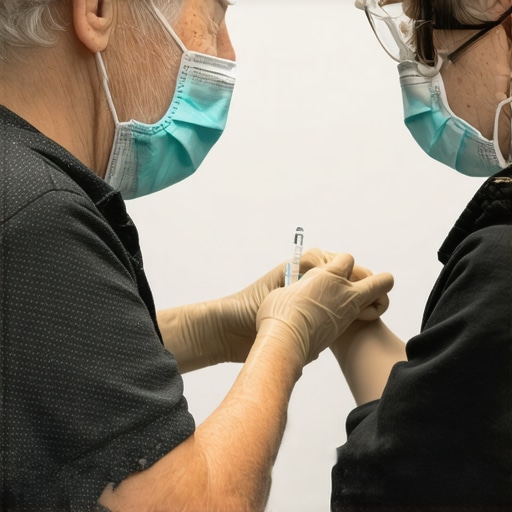
Why This Flu Vaccine Could Save Your Senior Loved One’s Life
If you think all vaccines are created equal, think again. The myth that a standard flu shot suffices for everyone—especially seniors—is not just outdated; it’s dangerous. As I see it, the one vaccine no senior should skip before flu season kicks into high gear is the high-dose influenza vaccine. This isn’t some optional booster; it’s a necessity for those whose immune systems are already compromised by age and chronic conditions.
Many seniors are under the impression that the annual flu shot is enough to keep them safe. But this complacency is a recipe for hospitalization or worse. The reality is, standard doses simply don’t provoke the immune response needed for older bodies. I argue that failing to opt for the high-dose vaccine is akin to leaving your front door unlocked during a hurricane. It’s a gamble with your health that you shouldn’t take.
Think of flu vaccination as a game of chess—if you’re not making the strongest move, you’re bound to lose. The high-dose vaccine, approved by the CDC, delivers four times the amount of antigen as the regular shot. It’s tailored for seniors and has demonstrated better effectiveness in preventing hospitalization related to influenza. You can read more about these innovations over at urgent care advanced labs.
So why are so many still hesitating? Because the marketing campaigns for flu vaccines continue to pander to seniors’ fears and misconceptions. They believe any shot will do; they underestimate flu’s brutal impact on their fragile health. I say, it’s time for a wake-up call. Prioritizing a high-dose vaccine is not just a matter of personal health but a moral obligation to protect our elders.
Stop Ignoring the Evidence for Better Protection
The truth is, flu in seniors is more than a bad case of the sniffles. It can spiral into pneumonia, exacerbate chronic conditions, and drain the healthcare system. It’s as if we’re playing a game of Russian roulette with someone else’s life—and for seniors, the stakes couldn’t be higher. This isn’t about fear-mongering; it’s about making the right medical choice. If you’re serious about safeguarding your loved ones this season, insist on the high-dose flu shot as the standard, not the exception. Because in this battle, half-measures aren’t enough.
The Evidence Supporting High-Dose Vaccination for Seniors
The scientific community has thoroughly examined the effectiveness of various flu vaccines for seniors. Multiple studies show that the high-dose influenza vaccine, which contains four times the antigen of regular shots, significantly reduces hospitalizations and severe complications among the elderly. For example, a large CDC-sponsored trial demonstrated a 24% reduction in disease incidence compared to standard doses. This isn’t just a minor statistical improvement; it’s a vital measure that translates into fewer ICU stays and mortality.
Beyond statistics, the biological rationale is clear. As we age, our immune systems weaken—a process called immunosenescence—rendering standard vaccines less effective. By delivering a higher antigen dose, the vaccine overcomes this decline, prompting a more robust immune response. It’s akin to upgrading from a basic defense system to a reinforced one, capable of fending off the influenza strain effectively. Ignoring this evidence amounts to neglecting a proven intervention known to save lives.
Critics might argue about cost or perceived side effects. However, the economic argument crumbles when considering hospitalization costs and long-term care for seniors severely impacted by the flu. A single hospitalization for pneumonia post-flu can cost thousands, not to mention the emotional toll on families. The higher upfront cost of the high-dose vaccine is dwarfed by these expenses. Plus, studies report similar side effects between high-dose and standard vaccines—mainly localized soreness—no more severe or frequent. Therefore, concerns about side effects are unfounded compared to the life-saving benefits conceded by evidence.
Historical Parallel: The Failures of Uniform Strategies
Looking back at vaccination efforts for other infectious diseases, uniform strategies have often fallen short. In the 20th century, mass immunization campaigns with a one-size-fits-all approach neglected age-specific needs. The tragic aftermath included preventable outbreaks and unnecessary fatalities. This history underscores an uncomfortable truth: if we ignore tailored methods backed by evidence, we condemn vulnerable populations to avoidable harm. The failure isn’t just scientific; it’s moral.
The fight against influenza in seniors isn’t just about administering shots; it’s about applying the right science to save lives. The evidence isn’t ambiguous: high-dose vaccines offer a tangible advantage in preventing hospitalization and death. To dismiss this is to ignore not only data but also a moral obligation to protect those most at risk. When the math ends up on one side—saving lives—the question isn’t whether to act, but why we hesitated for so long.
The Trap of One-Size-Fits-All Approach
It’s easy to see why skeptics argue that introducing different vaccines for seniors complicates the immunization process. They claim that sticking to a standard flu shot simplifies logistics, reduces costs, and minimizes confusion among healthcare providers and patients alike. This perspective appeals to an oversimplified notion that uniformity is inherently better and that individual age groups don’t require tailored interventions.
However, this line of thinking completely ignores the biological realities of aging and the tailored needs of our elderly population. The argument for simplicity overlooks the fact that seniors face unique risks and immune system decline—a phenomenon known as immunosenescence—that diminishes the effectiveness of generic vaccines. Attempting to maintain a uniform approach is not merely a matter of convenience; it’s a recipe for ineffective healthcare delivery and preventable suffering.
The Wrong Question Is How to Make It Easier, Not How to Save Lives
I used to believe that minimizing complexity in vaccination protocols would streamline public health efforts. Until I recognized that the real goal isn’t simplicity—it’s efficacy. The opposition’s focus on logistical ease fails to account for the most critical metric: the prevention of illness, hospitalization, and death among our seniors. Sacrificing targeted vaccination strategies for the sake of simplicity ultimately undermines health outcomes for the most vulnerable.
It’s crucial to understand that investing in specialized vaccines like the high-dose flu shot isn’t an obstacle to efficient healthcare; it’s a strategic imperative. When the evidence shows these vaccines reduce hospitalizations by nearly a quarter, the question shouldn’t be about making vaccination more straightforward, but about making it more effective. The primary responsibility of our healthcare system should be the health and safety of its most at-risk members, not the ease of administering a uniform protocol.
Claims of Cost-Saving Oversimplify The Complex Economic Impact
Critics might argue that switching to high-dose vaccines for seniors increases upfront costs and complicates procurement. They posit that bulk purchasing and standardization save money in the long run. Yet, this perspective is short-sighted and ignores the immense costs associated with influenza-related hospitalizations, long-term care, and the emotional toll on families. When a single hospitalization for pneumonia can amount to thousands of dollars, delaying or denying access to the most effective vaccine becomes a false economy.
Assigning monetary value to health outcomes reveals that the higher initial investment in a high-dose vaccine is actually a cost-saving measure. Preventing severe disease reduces the strain on healthcare facilities, decreases emergency room visits, and preserves quality of life. The economic argument against tailored vaccination strategies fails to recognize that effective prevention is ultimately more affordable and humane than reactive treatment.
The Bid for Homogeneity Is a Dangerous Misconception
I used to believe that achieving uniformity in public health efforts was preferable. But experience and research have taught me that this mindset neglects the nuances of disease risk and immune aging. The push for a one-size-fits-all vaccine strategy ignores the evidence that indicates tailored approaches save lives.
Looking back at past vaccination campaigns, the failures of uniform strategies—such as during the early days of polio and measles—highlight the importance of targeting vulnerable groups with specific interventions. The assumption that what works for the general population automatically works for seniors is flawed. In fact, such oversight can result in preventable deaths, suffering, and prolonged hospitalizations. Recognizing this, I now see that personalized, evidence-based vaccination strategies are not just preferable—they are morally essential.
The Cost of Inaction
Failing to prioritize the high-dose flu vaccine for seniors today sets off a dangerous chain reaction with far-reaching consequences. As the virus continues to circulate unchecked among vulnerable populations, hospitals will become overwhelmed with preventable cases, stretching healthcare resources to their breaking points. Elderly patients, already weakened by age and chronic conditions, will face harsher realities—a higher likelihood of severe illness, long-term complications, and death. This isn’t just about individual choice; it’s about risking the collapse of our healthcare system under avoidable stress.
In five years, the landscape could look starkly different. Hospitals may be strained beyond capacity, with emergency rooms overwhelmed by clear-cut cases of preventable influenza-related crises. The emotional toll on families will escalate, as loved ones succumb to illnesses that could have been prevented. Chronic care systems will buckle, unable to cope with the increased burden of illness, leading to a decline in the overall quality of life for seniors and their caregivers. In this scenario, the very fabric of our community safety nets unravels, exposing our collective neglect.
What Are We Waiting For
This inaction is akin to ignoring a small spark that could ignite a forest fire—if we don’t intervene now, the damage will be irreversible. Every day we delay, we allow the virus to spread, mutate, and exploit the vulnerability of our aging population. The window for effective prevention narrows, and silence only consigns our seniors to a future riddled with preventable suffering.
Imagine a future where a simple, proven intervention—adopting the high-dose vaccine—is dismissed because of complacency or misinformation. It’s like watching a person step right into quicksand, unaware that each step pulls them deeper into danger. The longer the delay, the harder the rescue becomes, and the greater the cost—financial, emotional, and moral. We stand at a crossroads, with the path of neglect leading to a landscape marred by loss and regret.
Is It Too Late
The time to act is now. Our collective silence and inaction threaten to turn tragedy into normalcy, where preventable illness becomes an accepted part of aging. We owe it to our elders—and ourselves—to make informed decisions rooted in evidence and a sense of moral duty. Ignoring the signs and dismissing the science will only deepen the wounds inflicted on seniors, impoverish our healthcare system, and tarnish our society’s integrity.
The Final Verdict
Our healthcare system must prioritize personalized, evidence-based strategies—like tailored vaccines and advanced telehealth—to truly serve the vulnerable before catastrophe strikes.
The Twist
What if the true obstacle isn’t complexity but complacency? The disruption needed isn’t just technological but a moral awakening to our collective duty towards those most at risk.
Signature Sign-off
Stand up for smarter health choices now—because mercy delayed is suffering prolonged. The future of vulnerable care hinges on our willingness to act decisively.