
The Secret to Navigating a Busy Urgent Care on a Holiday Weekend
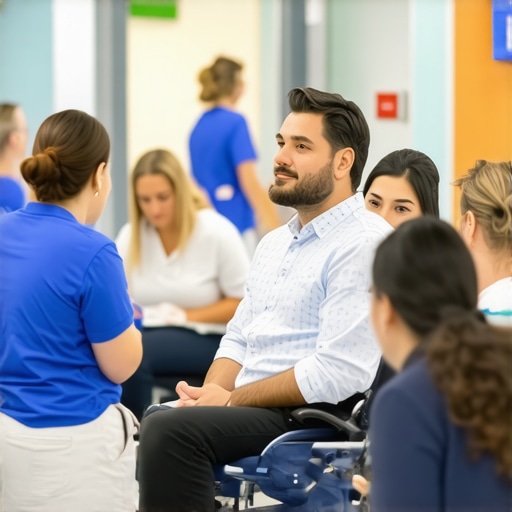
The Myth of the Easy Visit
You think going to urgent care over a holiday weekend is straightforward—wait in line, get patched up, and go home. But that’s a lie we tell ourselves, one that costs us precious time and patience. The truth is, these clinics are often overwhelmed, and your typical visit might do more harm than good.
What if I told you that the real secret to surviving busy holiday urgent care isn’t about showing up early or pretending you’re not scared of waiting? It’s about understanding how these clinics operate and arming yourself with smarter options. Because the game has changed, and most people are still playing by outdated rules.
Think of urgent care centers during holidays as a sinking ship. Everyone is frantically bailing water without realizing that some leaks can be patched faster with better strategies—like leveraging telehealth or preemptive labs. Still, we insist on rushing in, treating these clinics like a convenience store, not realizing that they often prioritize quick fixes over real health solutions.
That’s why I argue that conventional wisdom is the real obstacle. Relying solely on urgent care during holidays is a gamble—one that can leave you with more stress and less clarity about your health. Instead, understanding how to *maximize telehealth*, schedule proper labs, or even manage chronic conditions remotely can be your secret weapon.
In this piece, I will unveil how the healthcare system has subtly shifted and why your best move isn’t to rush to the nearest urgent care but to rethink your entire approach to urgent health issues—especially when everyone else is racing to the same place.
Why This Fails Your Expectations
Most people believe that urgent care is a one-stop solution. But it’s really a quick bandage, not a cure. During holidays, these places are swamped, and the staff—though well-meaning—are juggling dozens of patients with diverse emergencies. That wait for a simple rash or sore throat can stretch into hours. And that’s just the beginning.
Meanwhile, advancements in telehealth and rapid lab testing are quietly transforming how we should approach urgent health needs. These options provide faster, more comprehensive care without the chaos of a busy clinic. But most people remain blind to these alternatives, clinging to the false hope that showing up is the only solution.
The Evidence of Overrun Clinics
Data shows that during holiday weekends, urgent care centers are overwhelmed, sometimes experiencing patient loads 30% higher than average. This isn’t mere inconvenience; it’s a systemic issue rooted in how healthcare prioritizes quick fixes over comprehensive care. Waiting hours for a simple ailment, only to receive a patch job, illustrates a flawed model that benefits providers seeking volume over value. Patients, meanwhile, endure frustration and delayed recoveries, revealing a disconnect between perceived and actual care quality.
The Roots of a Flawed System
The core problem isn’t the clinics themselves but the structure of healthcare delivery. Emergency rooms and urgent care centers are designed to address urgent, but not complex, issues—yet, patients treat them as comprehensive solutions. This misconception is fueled by a price system that rewards volume and speed, not thoroughness. As a result, the system benefits insurance companies and healthcare providers that profit from high patient turnover, rather than patient health outcomes. By misunderstanding this dynamic, patients unwittingly perpetuate a cycle where superficial care becomes the norm.
The Financial Incentives Behind the Illusion
Who benefits when patients flock to urgent care during holidays? The answer isn’t complicated. Clinics increase revenue by maximizing patient throughput, often utilizing billable tests and procedures that add little to actual health improvements. Meanwhile, telehealth providers—designed to offer quick, remote consultations—stand to gain, yet many patients remain unaware or skeptical of these alternatives. This distorted financial landscape creates a scenario where rushing to the nearest clinic becomes the default, even when smarter, less exploitative options exist. Recognizing this, it becomes clear that the system is engineered to prioritize profits over optimal health outcomes.
The Mathematical Collapse of Reliance
Consider this: if a typical urgent care visit costs twice as much as a telehealth consultation and yields the same clinical outcome for minor issues, then the relentless push toward physical clinics during holidays is nothing short of economic folly. The 20-30% increase in patient volume doesn’t just slow down service—it amplifies costs for everyone involved. This isn’t accidental. It’s a conscious design that, when analyzed, reveals a pattern of beneficial incentives for providers and insurers to keep patients within the brick-and-mortar paradigm, regardless of its diminishing returns. The math proves that alternative approaches aren’t just convenient—they’re economical and necessary.
Why Rushing to Urgent Care Is a Faulty Strategy
The obsession with immediate physical access to care blinds countless Americans to efficient options like telehealth and at-home lab testing. These modalities are not fringe; they are proven to deliver timely, thorough assessments with fewer delays and lower costs. Yet, the ingrained belief that a clinic visit is the only variable in urgent health issues persists—despite mounting evidence to the contrary. It’s a classic example of how outdated assumptions persist because they serve powerful financial interests, not patient well-being. To align health outcomes with modern realities, we must dismantle this misconception and reframe urgent care as part of a spectrum—not the entire solution.
The Trap of the Immediate Visit
It’s understandable why many believe that sprinting to the nearest urgent care during a holiday is the fastest fix. The prevailing narrative suggests that quick trips and immediate treatment are the only options, making it seem like a no-brainer solution for minor ailments. This mindset is reinforced by clever advertising and the busy nature of clinics that promise swift relief.
But this line of thinking ignores the deeper flaws embedded in our healthcare approach—flaws that become glaringly apparent when we scrutinize what really happens behind the clinic doors.
Facing the Reality of Overrun Clinics
It’s true that during holidays, urgent care centers are packed beyond capacity, leading to longer waits and superficial care. The best argument against my claim is that, in these overstretched settings, rushing in might seem to be the only way to get attention before the problem worsens. A rushed trip could lead to a misdiagnosis or incomplete treatment if the staff are overwhelmed.
I used to believe this too, until I realized that these overcrowding issues are symptoms of systemic flaws—problems with how our healthcare incentives are constructed, not merely patient behavior. Showing up in a frenzy doesn’t address these root causes, nor does it guarantee better outcomes.
Why This View Is Shortsighted
The mistake everyone makes is to prioritize immediate physical presence over smarter, more efficient options that can deliver the same or better care. Relying solely on urgent care during holidays ignores the advancements in telehealth and remote diagnostics that can provide accurate assessments without the chaos of a busy clinic.
Thinking that an in-person visit is the only route dangerously overlooks the value of preemptive measures and technological innovations. It’s a shortsighted view born from habit and a resistance to change. It dismisses the fact that many minor issues can be accurately diagnosed through virtual consultations, which often give more thoughtful attention than hurried clinic visits.
Addressing the Unspoken Truth
One uncomfortable reality no one admits is that urgent care clinics are often more motivated by profit than patient well-being. They’re designed to handle emergencies, not for comprehensive or preventative health care. During holidays, their overcapacity highlights the mismatch between healthcare system design and actual patient needs.
My own perspective shifted when I recognized that the rush to in-person clinics is a conditioned response—one rooted in outdated assumptions. The real question isn’t about whether urgent care can be there in an instant, but whether we are leveraging what modern healthcare technology offers us.
This isn’t just about convenience; it’s about fundamentally transforming how we approach health emergencies, especially when every second lost in waiting could be better spent utilizing a telehealth platform or remote lab testing. Clinging to the notion that physical presence is king is a relic of a bygone era, one that we must abandon if we’re serious about deploying effective, patient-centered solutions in our healthcare system.
The Cost of Inaction
If we continue to overlook the importance of embracing smarter healthcare strategies like telehealth and remote diagnostics, we risk creating a system that neglects timely and effective care. The consequences extend beyond inconvenience—they threaten to destabilize our entire approach to health emergencies, especially during critical times like holidays or peak demand periods.
Right now, urgent care centers are overwhelmed, and patients are conditioned to believe that rushing to the nearest clinic is the only solution. This stubborn reliance on outdated practices perpetuates a cycle where superficial treatment becomes the norm, and genuine health issues are ignored until they escalate into emergencies. The stakes have never been higher, as delays in appropriate care can result in preventable complications, chronic conditions worsening, and increased healthcare costs for everyone.
The Slippery Slope Toward Systemic Collapse
If this pattern persists, the future looks bleak. In five years, the healthcare landscape may resemble a dilapidated highway clogged with stalled vehicles, each representing unresolved health issues spiraling out of control. The reliance on physical clinics during peak times will lead to an overloaded system incapable of providing quality care, forcing patients into longer waits, misdiagnoses, and higher expenses. This downward spiral does not just impact individual health—it jeopardizes the integrity of our entire healthcare infrastructure.
Imagine a scenario where people are forced to choose between financial ruin and neglecting their health. The workforce suffers, productivity declines, and the societal costs soar—outcomes that are entirely preventable if we act now. This is a warning bell ringing loudly: ignoring the evidence and clinging to old habits will pave the way to a health crisis that no level of emergency spending can fix.
What are we waiting for?
Consider this analogy: Our healthcare system is like a sinking ship, with vital compartments designed to keep it afloat. Relying solely on urgent care clinics during crises is like patching a sinking ship with duct tape—temporary, ineffective, and dangerous. The real solution requires steering toward innovations like telehealth, at-home labs, and preemptive care, which serve as the sturdy bulkheads preventing disaster.
Failing to act now risks sinking the entire vessel—leaving future generations to face a system crippled by preventable crises and mounting debts. This is not a distant threat; it’s a looming catastrophe that demands immediate attention. The time to redefine our approach is before the point of no return, before the damage becomes irreversible. The question remains: what are we waiting for? Only by confronting these realities head-on can we hope to prevent the worst from unfolding.
Your Move
The future of health care isn’t about rushing to the nearest urgent care clinic during a busy holiday weekend. It’s about leveraging innovations like telehealth and at-home lab testing to deliver faster, more comprehensive care without the chaos and wait times. Our system has been built for convenience, but it’s not optimized for your well-being.
Imagine a world where a minor ailment doesn’t force you into a crowded clinic, where you can consult a qualified provider from your living room, and get lab results in hours—not days. This shift in perspective challenges the outdated notion that in-person care is always best. It’s time to rethink what urgent care means in an era of technological leapfrogging.
Traditional clinics thrive on volume, often profiting from superficial treatments that fail to address root causes. When overrun clinics become the norm, delays and misdiagnoses follow. But smart health management—like preemptive diagnostics and remote consultations—can actually *reduce* costs and improve outcomes. This connects to my argument in how systemic incentives distort healthcare priorities.
The real question is: are we willing to abandon the comfort of immediate physical presence for the efficiency and safety of modern alternatives? The answer should be a resounding yes. We must grasp the potential of remote diagnostics and virtual care as tools to break the cycle of superficial, profit-driven urgent care.
Stand at the crossroads. The future won’t wait, and neither should your health. It’s time to make a move that truly serves your best interests—before the current system collapses under its own weight, leaving us all more vulnerable than ever.