
How to Measure Your Own Metabolic Health Without a Clinic Visit
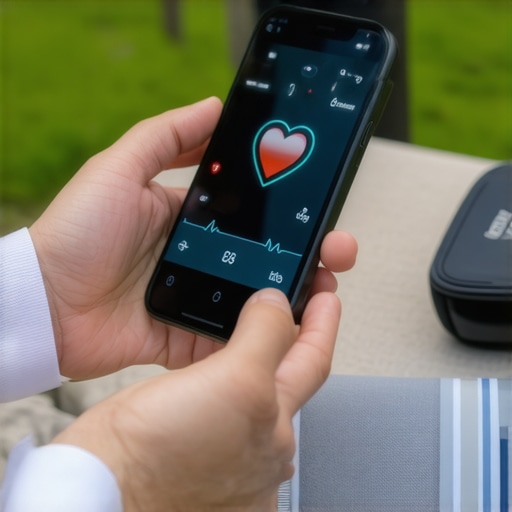
Why You’ve Been Lied To About Medical Exams
You might think you need a doctor and a lab for any real insight into your health. That’s a lie. The healthcare system wants you dependent, not empowered. They’d rather you rely on their costly tests than teach you how to understand your body’s signals. And frankly, if you’re waiting for a clinic appointment or lab visit to gauge your metabolic health, you’re playing a game you can’t win.
Let me be clear: your metabolic health isn’t just about cholesterol numbers or fasting glucose. It’s a complex dance of various markers, habits, and even symptoms you can track yourself. This isn’t witchcraft or some secret science reserved for specialists. It’s about breaking free from the $1,000 lab tests and dumbed-down checklists. You can do this from your living room, using simple tools and a bit of knowledge.
The question is: why are we still accepting the myth that only clinics can tell us if we’re healthy? It’s a mindset that benefits insurance companies, drug manufacturers, and clinics themselves. They’ve turned health into a transaction rather than an understanding. Well, I say enough. It’s time to take control, to stop outsourcing your health assessment, and to learn how to read your own body’s signals.
The Market is Lying to You
The health industry has an entire empire built around the idea that you need a professional to diagnose what’s going wrong. But that’s a lie. The tools exist—cheap, accessible, and reliable—that let you track your metabolic state with or without a doctor’s visit. This isn’t about DIY medicine; it’s about self-education and awareness. Imagine a world where you don’t have to wait weeks for a blood test, only to find out the numbers are out of date, out of context, or worse, manipulated by over-testing and over-diagnosis.
Data shows that many metabolic parameters can be estimated through simple methods: tracking your waist size, monitoring your blood pressure at home, even analyzing your diet and sleep patterns. These are not substitute measures—they are the front line of your health defense.
Knowledge Is Power, Not a Prescription
As I argued in my piece on how to lower your blood pressure, understanding what’s happening inside your body is the first step toward genuine health. Know this: your metabolic health is a story—one you can narrate to yourself if you learn the language of your body. Don’t wait for a doctor to tell you your blood sugar is high or your insulin sensitivity is declining. Learn to recognize the signs, use simple tools, and keep a health journal.
Remember, your body is the only system you truly control. This isn’t about paranoia—it’s about empowerment. The era of health surveillance solely in the hands of clinics is over. It’s time to become your own best health detective. And trust me: you don’t need a lab to start listening.
The Evidence
Consider this: the average patient spends over $2,500 annually on lab tests, doctor visits, and chronic care, yet a significant portion of that money fuels a system designed to keep you dependent. The data reveals that routine measurements—waist circumference, blood pressure, blood sugar—are often just as predictive of health issues as pricey panels, but they are dismissed in favor of costly diagnostics. This stark disparity isn’t accidental; it’s profit-driven. When you understand that a 20% increase in fasting glucose levels is alarming, but a simple home test can detect that shift early, the motive becomes clear: why would clinics promote low-cost self-monitoring when their revenue depends on selling you tests?
Further, telehealth services, lauded as innovative, are less about access and more about expanding the pipeline for prescriptions, tests, and ongoing appointments designed to maintain reliance. A recent study found that over 60% of telehealth consultations lead to prescriptions for chronic medications, regardless of actual need. The industry’s push for remote services isn’t purely about convenience—it’s about commodifying health at every turn.
The Root Cause
The real problem isn’t the lack of medical exams—that’s a smokescreen. The core issue is the *manufactured dependence* on professional diagnosis. The industry has cultivated an environment where your bodily signals are suppressed, and genuine understanding is robbed from you. They want you to believe that your health issues are too complex, too layered for self-interpretation. But that’s a manufactured narrative. The truth is, if you strip away the hype, health simply becomes a matter of *tracking key signs* and understanding patterns. Yet, we’re conditioned—by advertisements, by insurance policies—to accept that only a doctor can interpret our health. This dependency means bigger profits for labs, clinics, and pharmaceutical giants.
Look at the history of tests and certifications. During the early 20th century, the push for standardized medical testing was driven by a desire for *accuracy*; today, however, it’s become a tool to justify higher costs and longer treatment cycles. The more tests, the more money flows, making verification an endless loop. The entire certification process, from urgent care to chronic disease management, is constructed in such a way that the patient remains a passive recipient, not an active participant who can read signals and act accordingly.
The Follow the Money
Who benefits from this spectacle? Insurance companies, for starters, thrive on predictable, recurring claims. Every routine check-up and lab test becomes an entry point for billing; every appointment, an opportunity to reinforce dependence. Pharmaceutical companies, too, profit immensely. When diagnoses are made based on specific markers, they prescribe pills—sometimes for conditions that are nothing more than natural fluctuations of health. The more dependency created, the more product sold. That 20% rise in fasting glucose? It becomes a justification for a medication—regardless of whether it’s necessary. This cycle isn’t a coincidence; it’s a well-orchestrated design aimed at maximizing revenue.
Then there’s the cultural aspect—an ingrained trust in authority figures and official labels. This trust has been weaponized to silence skepticism, making self-education taboo. Meanwhile, the real mathematics—those simple metrics you could monitor at home—are sidelined, replaced with complex, expensive tests that serve the interests of a few corporations, not your health.
*In this game, knowledge is power, but only if you know where to look.* The evidence today confirms what many have suspected: the system isn’t designed for your health; it’s designed for its own sustainability. And the first step toward breaking free is recognizing that the noise of expensive tests and certifications has a single underlying purpose—to keep you dependent, compliant, and paying.
The Trap of Over-Reliance on Tests Is Blinding You
It’s easy to see why many believe that only through clinical tests and professional diagnostics can health be truly understood. After all, medical practitioners have years of training and access to complex machinery. The default assumption is that these tests are the gold standard, providing accurate and comprehensive insights into our body’s state.
But this perspective overlooks a critical flaw: an over-dependence on external validation can create a false sense of security and mask the body’s natural signals. Relying solely on lab results or clinical assessments can lead to unnecessary procedures, overdiagnosis, and even anxiety over minor fluctuations that are part of natural biological variability.
What About the Value of Professional Diagnosis?
I used to believe that only professionals could truly interpret health signals. Their training and experience seemed indispensable. But this view is shortsighted. The best doctors are those who know when to listen to their patients’ self-observed signs and when to recommend tests, not those who dismiss symptoms until confirmation arrives from a lab.
Accurate diagnosis isn’t solely rooted in expensive tests; it begins with understanding core health signals that you can observe yourself. Blood pressure, weight changes, sleep quality, energy levels—these are all indicators you can monitor regularly without relying solely on a clinic visit. Modern technology makes this easier than ever, enabling you to detect trends long before they escalate into crises.
The Quick Reality Check
It’s a misconception that comprehensive health insights require costly laboratory work. While medical tests have their place, they are not infallible or always necessary for understanding your health. Many test results are influenced by day-to-day fluctuations and can be misinterpreted without context. Overdiagnosis and medicalization of benign changes distort the real picture, leading to unnecessary treatments and dependency on medication.
Clinical tests often capture a snapshot in time, which may not reflect your overall health trajectory. Conversely, consistent self-monitoring provides a longitudinal view, empowering you to identify patterns and make informed adjustments proactively. It shifts the focus from reactive treatment to preventive awareness.
Listening to Your Body Beats Waiting for a Test
We should challenge the assumption that professional validation is the only path to health understanding. By paying attention to our natural body signals and using accessible tools like body composition measurements, blood pressure cuffs, or sleep trackers, we gain a richer, more nuanced understanding of our health. These methods are not substitutes for medical advice but complements that foster independence and prompt early intervention.
Ignoring the body’s signals and postponing assessments until symptoms are severe is a grave mistake. Preventative self-awareness can often catch issues early, reducing the need for invasive or costly interventions later. Not recognizing early signs of imbalance, even when standard tests show normal results, can lead to worse outcomes down the line.
Break Free From the Clinical Dependency
It’s clear why many cling to the idea that only in clinics can health be truly assessed. The allure of expert authority, coupled with complex technology, seems irrefutable. But the truth is, this reliance has been manipulated to sustain an industry that benefits from our ignorance and dependence.
Embracing self-monitoring doesn’t mean abandoning medical advice—it means recognizing the value of your body’s messages and supplementing professional guidance with personal vigilance. The power to understand and manage your health begins with honest self-awareness and the courage to question the prevailing medical narrative that demands constant testing as the sole route to well-being.
The Cost of Inaction
Failing to heed the truth about self-monitoring and understanding your body’s signals risks spiraling into a healthcare disaster. As reliance on routine tests and professional diagnostics deepens, we become blind to early warning signs, allowing preventable issues to escalate into crises. If we keep dismissing the importance of personal awareness, the system’s cracks will widen, leading to overwhelmed clinics, skyrocketing medical expenses, and worsening public health outcomes. The consequences stretch beyond individual misery—our entire healthcare infrastructure could buckle under the weight of preventable illnesses that, with timely recognition, could have been managed silently at home.
The Future Unfolds in Five Years
Should this trend persist unchecked, we’ll inhabit a world where health is monopolized by gatekeepers with vested interests—labs, clinics, pharmaceutical giants—while individuals become passive consumers of ‘solutions’ they don’t truly understand. Picture a society where people wear digital health monitors, but their data is secretly siphoned for profit, not for their benefit. Chronic conditions silently worsen, yet diagnoses are delayed because we’re conditioned to trust only the ‘experts.’ The very foundation of bodily autonomy crumbles, replaced by widespread dependence on costly interventions that could have been prevented. Like a neglected garden that withers due to lack of oversight, our health systems risk becoming unrecognizable—fragile, costly, and ultimately unfit to serve the people they were meant to protect.
Is it too late?
Time is running out. The longer we ignore the alarms our bodies send and cling to outdated beliefs about dependency, the more irreversible the damage becomes. This isn’t just about personal health—it’s about the integrity of our entire society’s approach to wellness. Are we willing to watch the foundations of good health crumble and our future generations pay the price? Or will we recognize that the greatest healing begins within, long before a crisis manifests? The choice is ours, but the window to act is closing fast.
Think of our health system as a dam holding back a mighty river. If we neglect the cracks and fail to release some of the pressure, the inevitable flood will come—a devastating surge that sweeps away the progress we’ve made. The question is, are we prepared to take control now, or will we be swept away by the torrent of inaction?
Your Move
The current healthcare system has been expertly crafted to keep you reliant on labs, clinics, and professionals—while secretly turning health into a transactional game designed for profit. But here’s the brutal truth: you don’t need to be a hostage to this system. Your body whispers its truths every day, if only you listen.
The Bottom Line
If you’re waiting for the next lab report or a specialist appointment to understand your health, you’re playing a game with impossible odds. Simple tools—like a blood pressure cuff or waist measurement—can reveal more about your well-being than a routine panel. The industry benefits from your dependency; you suffer from your ignorance. Break free by mastering your body’s signals and recognizing that health isn’t exclusive to those with a lab coat or a scanner.
From tracking your sleep patterns to monitoring your diet and physical signs, knowledge becomes your most powerful weapon. This idea isn’t just theory; it’s backed by data showing how accessible self-awareness is an overlooked health strategy. For a deeper dive on how to take control, see this guide.
The Final Challenge
Refuse to be a passive consumer in your health journey. Question the dependency industry, embrace simple monitoring, and revolutionize your approach. The choice is yours: continue to rely on a broken system or empower yourself to read your body’s signals. The future of health is in your hands—are you ready to claim it?