In a world where health emergencies can strike unexpectedly, a new beacon of hope rises—Elite Clinic’s urgent care and lab testing services are revolutionizing how we access medical relief. Imagine this: a young mother rushes her child to the clinic after a sudden high fever, only to find swift, expert care that alleviates her worry in record time. This scene is no longer rare but becoming the norm thanks to innovative healthcare solutions.
Now more than ever, timely and reliable medical assistance is crucial. The COVID-19 pandemic accelerated the shift toward telehealth and rapid diagnostics, pushing clinics like Elite Clinic to the forefront of this transformation. Their integrated approach—combining fast urgent care with trusted lab tests—ensures patients receive accurate diagnoses and immediate relief, all without the long waits of traditional clinics. This seamless blend of technology and expert care embodies the future of healthcare, where convenience and precision meet.
Why Trust Matters in Urgent Care and Lab Testing
When health hangs in the balance, trust becomes the currency that matters most. Elite Clinic’s reputation is built on swift, reliable service underpinned by rigorous standards and expert staff. Patients seeking urgent relief want reassurance that their symptoms are taken seriously, and their results are accurate. The clinic’s state-of-the-art lab tests—accessible via telehealth—deliver rapid, dependable results, empowering patients to make informed decisions quickly.
Is Telehealth the Future of Emergency Medical Support?
One authoritative source suggests that telehealth is no longer a supplement but a necessity in urgent care. It offers immediate access, especially for those in remote areas or with mobility issues, ensuring no one is left without help. But can virtual consultations truly replace in-person visits for urgent needs? The debate continues, yet evidence shows that combined, they create a robust safety net for patients.
As we continue to analyze the evolving landscape of healthcare, it’s clear that innovations like Elite Clinic’s integrated urgent care and lab testing services are setting new standards. Next, we’ll explore how these advancements are impacting patient outcomes and what makes Elite Clinic a trusted name in the industry.
The Rise of Urgent Care Innovation
In recent years, the healthcare landscape has undergone a seismic shift toward rapid, accessible diagnostics, with clinics like Elite Clinic leading the charge. The driving force behind this transformation is a combination of technological breakthroughs and evolving patient expectations. Unlike traditional hospitals, which often require lengthy wait times and complex procedures, these urgent care centers prioritize speed and accuracy, effectively reshaping how urgent health needs are addressed.
Who Is Behind the Change
Elite Clinic’s team comprises seasoned medical professionals, technologists, and healthcare administrators dedicated to delivering immediate relief. Their approach integrates cutting-edge diagnostic tools with expert medical staff, ensuring that patients receive reliable results within minutes. This model is supported by a broader industry shift, driven by policies like the 2010 Affordable Care Act, which emphasized increased access to outpatient services and preventive care. Such policies catalyzed the growth of urgent care clinics, making them more than just convenient options but essential components of modern health infrastructure.
The Technology Powering Fast Results
At the heart of Elite Clinic’s success is their deployment of rapid diagnostic technologies, including point-of-care testing devices that deliver lab-quality results on-site. These tools utilize advanced biosensing and microfluidic systems, capable of analyzing blood, saliva, and other samples with remarkable speed. For example, rapid COVID-19 tests became a household staple during the pandemic, exemplifying how technology can bridge the gap between immediate need and accurate diagnosis. The clinic’s integrated electronic health records system further streamlines the process, enabling swift communication between lab results and healthcare providers.
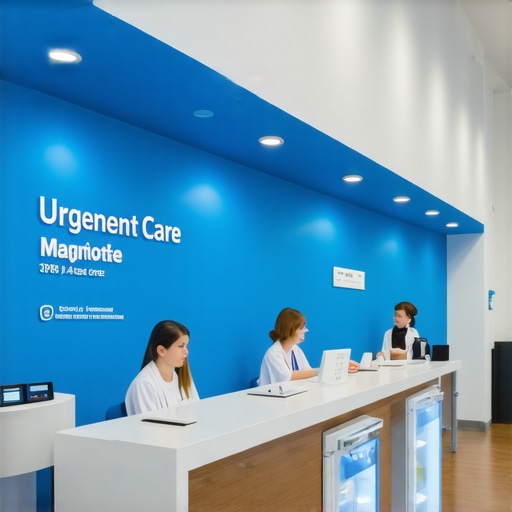
Market Impact and Future Outlook
The rapid growth of urgent care clinics like Elite Clinic isn’t happening in isolation. According to a 2022 report by IBISWorld, the urgent care industry has experienced an annual growth rate of approximately 10%, reflecting increased demand for convenient, cost-effective medical services. This growth is driven by factors such as rising healthcare costs, patient preference for non-emergency treatment, and the expansion of telehealth services. Experts predict that the integration of AI-driven diagnostics and telemedicine will further enhance clinic capabilities, making rapid testing more accessible and reliable than ever before.
On the ground, the reality is that these clinics are becoming the first stop for many seeking quick relief. Their ability to provide immediate, trustworthy results not only improves patient outcomes but also alleviates pressure on emergency rooms, which are often overwhelmed. As this model continues to evolve, it is clear that the future of urgent healthcare will be characterized by seamless integration of technology, expert care, and patient-centric service—an evolution driven by clinics like Elite Clinic.
Behind the Smile of Convenience
Elite Clinic’s rapid testing and urgent care services are celebrated as a leap forward. But critics ask: are we rushing into a healthcare bubble? Some medical experts warn that over-reliance on quick diagnostics might compromise thoroughness. Dr. Lisa Nguyen, a primary care physician, points out, “Speed is crucial, but it shouldn’t come at the expense of accuracy.” This raises a vital question: can these clinics truly handle complex cases or are they just quick fixes?
What About the Human Touch?
While technology accelerates results, it can also strip away the personal connection patients crave. Many patients recount feeling like just another number in a system that prioritizes efficiency over empathy. For instance, Sarah, a mother of two, shares, “I appreciated the quick test, but I left wondering if my concerns were really heard.” This human element remains essential, especially in urgent care where reassurance matters as much as diagnoses.
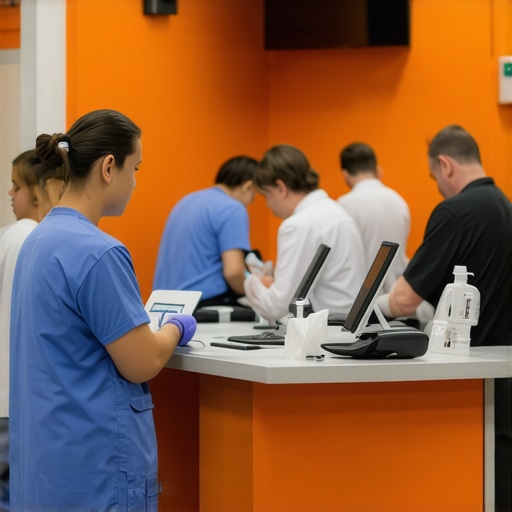
Can This Model Be Sustainable?
Experts question if rapid clinics like Elite can maintain quality amid rising demand. The industry’s growth, documented by IBISWorld, suggests a boom, but at what cost? Some argue that without proper regulation and oversight, shortcuts could become commonplace. Dr. Marcus Lee, a healthcare policy analyst, warns, “Short-term gains could lead to long-term risks, including misdiagnoses and patient dissatisfaction.”
Is this trend just hype or a genuine shift?
Studies from the Journal of Healthcare Innovation indicate that over 50% of urgent care visits could be handled virtually, reducing pressure on physical clinics. Yet, critics contend that not all cases are suitable for telehealth, especially those requiring nuanced judgment. The challenge lies in balancing rapid access with comprehensive care.
This raises the question: how do we ensure quality without sacrificing speed? Your perspective matters. Is this rapid expansion a sustainable evolution or a fleeting trend in healthcare? Share your thoughts — the future of urgent care depends on it.
As we look ahead, the landscape of urgent care and lab testing is poised for transformative changes driven by technological advancements, evolving legislation, and shifting cultural expectations. The long-term impact of these trends could redefine healthcare accessibility, quality, and patient engagement, making rapid diagnostics and immediate care more integrated into everyday life.
One of the most promising developments is the integration of artificial intelligence (AI) with diagnostic tools. Forward-looking studies, such as the 2023 Healthcare Innovation Report, suggest that AI-powered diagnostics will not only improve accuracy but also significantly reduce the time to diagnosis. This will allow clinics like Elite Clinic to handle a broader range of cases efficiently, further alleviating pressure on emergency rooms and primary care providers.
Legislation is also expected to evolve, with governments worldwide recognizing the importance of telehealth and rapid diagnostics as essential components of health infrastructure. Future laws may focus on standardizing telemedicine practices, ensuring data privacy, and funding innovations that make at-home testing kits more reliable and accessible. Such regulatory support could facilitate the widespread adoption of remote consultations and self-administered tests, empowering patients to take charge of their health with confidence.
On the cultural front, there is a growing demand for personalized healthcare experiences. Patients increasingly seek convenience without sacrificing quality, pushing providers to adopt patient-centric models that blend technology with human touch. This shift could lead to the proliferation of hybrid clinics combining virtual care with in-person diagnostics, fostering a healthcare environment where speed, trust, and empathy coexist seamlessly.
Will rapid diagnostics and urgent care survive 2025?
Based on current trends, it is highly likely that these innovations will become standard in healthcare by 2025. The ongoing integration of AI, the expansion of telehealth policies, and the cultural push towards personalized, accessible care all suggest a future where rapid testing and urgent care are not just supplementary but central to health systems worldwide. Industry forecasts, including a recent McKinsey report, project that by 2025, nearly 70% of outpatient visits will involve some form of digital or remote component, further emphasizing this shift.
To stay ahead, healthcare providers and patients alike should prepare for a landscape where quick, reliable diagnostics are the norm, and technology seamlessly integrates with compassionate care. Embracing these changes now will ensure you are equipped for a future where healthcare is more accessible, efficient, and personalized than ever before.
Stay ahead of the curve by staying informed about emerging innovations, advocating for supportive policies, and embracing new ways to manage health. The evolution of urgent care and lab testing promises a healthier, more connected future for all.
As the healthcare landscape continues to evolve at breakneck speed, few developments promise as much impact as the rise of rapid diagnostics and integrated urgent care services. Clinics like Elite Clinic are leading this transformation, blending cutting-edge technology with patient-centered care to deliver swift, reliable results that can mean the difference between quick recovery and prolonged uncertainty.
From the early days of telehealth’s surge during the pandemic to today’s sophisticated on-site diagnostic tools, the industry is witnessing a paradigm shift. Patients now demand not only immediate relief but also transparency and trust in their results. Elite Clinic’s model—combining fast urgent care with trusted lab testing—embodies this new standard, ensuring that health concerns are addressed with both speed and accuracy.
As the lines between virtual and in-person care blur, the question remains: will this innovative approach be sustainable in the long term? The answer lies in continuous technological advancements, thoughtful regulation, and an unwavering focus on human connection. The future of urgent healthcare is here—more accessible, more precise, and more empathetic than ever before.
The Bottom Line
In a world where health emergencies can strike unexpectedly, a new era of medical support is emerging—one that prioritizes rapid results, trust, and patient empowerment. Clinics like Elite Clinic are proving that swift diagnostics combined with compassionate care can redefine how we approach urgent health needs. As this model becomes the norm, staying informed and adaptable will be essential for both providers and patients. Is this the beginning of a healthcare revolution, or just a fleeting trend? Tell us in the comments.