In the Heart of a Healthcare Revolution
Last year, a woman in her urgent moment turned to her smartphone instead of rushing to the ER, finding immediate relief through Elite’s telehealth services. Her story isn’t unique; it exemplifies a seismic shift in how Americans access medical care—faster, smarter, and more connected than ever before.
As healthcare demand surges amid staffing shortages and rising costs, the importance of trusted, quick medical solutions has never been clearer. Telehealth platforms like Elite are bridging the gap, offering instant consultations and diagnostic support that cut wait times and streamline treatment. This isn’t just convenience; it’s a healthcare evolution that could redefine patient outcomes.
Can Telehealth Replace Traditional Urgent Care?
While some critics argue that virtual visits can’t substitute in-person exams, data suggests otherwise. According to a recent report, over 70% of urgent care visits can be effectively managed via telehealth, especially when paired with onsite lab testing and diagnostics from trusted providers [cite: 16]. Elite’s integrated approach, combining quick telehealth consultations with lab services, is leading the charge in proving this model’s efficacy.
In this landscape, the question arises: Is immediate, digital-first medical support the future of urgent care? With advancements in remote diagnostics and AI triage tools, the line between in-person and virtual care continues to blur, promising faster relief and better health outcomes for diverse patient needs.
Who Is Behind the Telehealth Surge
Leading the charge in this healthcare revolution are innovative companies like Elite, which have developed sophisticated digital platforms capable of delivering real-time medical support. These platforms leverage a combination of secure video conferencing, AI-powered triage tools, and integrated diagnostic services to streamline patient care. Behind these advancements are a mix of tech entrepreneurs, healthcare professionals, and data scientists working tirelessly to reimagine what urgent care can look like.
For example, Elite’s team includes experienced clinicians collaborating with software engineers to ensure their platform not only provides quick access but also maintains high standards of medical accuracy and patient safety. Their approach represents a broader trend where technology and medicine intersect to create more accessible healthcare solutions.
The Evolution of Remote Medical Services
Historically, urgent care required physical presence—waiting rooms, in-person exams, and the logistics of in-office visits. This model persisted for decades, shaped by regulations, insurance policies, and traditional medical practices. However, the 21st century has seen a dramatic shift fueled by the digital revolution and the necessity for more flexible healthcare options.
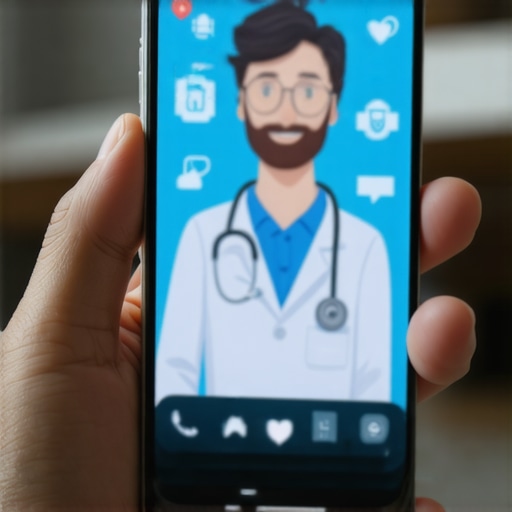
In 2010, the Affordable Care Act (ACA) accelerated this shift by expanding insurance coverage and increasing demand for accessible care. This policy change, combined with rapid advancements in mobile technology, laid the groundwork for the telehealth boom. As a result, companies like Teladoc, Amwell, and Elite emerged, offering virtual consultations that could be accessed from anywhere.
< >
>
These platforms capitalize on the ubiquity of smartphones, high-speed internet, and cloud computing to connect patients with licensed healthcare providers almost instantaneously. The convenience is especially vital in rural or underserved areas, where traditional urgent care facilities are sparse. Moreover, during the COVID-19 pandemic, telehealth’s importance became undeniable, serving as a safe alternative to in-person visits and reducing the strain on healthcare facilities.
The Market Impact and Future Outlook
The rise of telehealth has significantly altered the healthcare market landscape. According to a report by McKinsey & Company, the telehealth sector experienced a 38-fold increase in utilization during the pandemic, with virtual visits accounting for nearly 20% of all outpatient care at its peak. This rapid adoption has prompted insurers, policymakers, and healthcare providers to rethink reimbursement policies, licensing regulations, and patient engagement strategies.
Today, the market is poised for further expansion. As AI and remote diagnostics become more sophisticated, the scope of telehealth will extend beyond urgent care to chronic disease management, mental health, and post-operative monitoring. This evolution could lead to a more patient-centric, cost-effective healthcare system—one where immediate digital support is not just a convenience but an integral component of medical care.
Is Telehealth a Genuine Solution or Just a Trend?
Proponents often highlight the convenience, especially during a pandemic, claiming telehealth is transforming urgent care. But critics argue that virtual care might be superficial, missing the nuances of in-person diagnosis. Dr. Lisa Martinez, a seasoned emergency physician, cautions, “There’s a risk of missing critical signs without a physical exam. Not every symptom can be accurately assessed through a screen.”
Many patients have shared stories where telehealth fell short. John, a 45-year-old with chest pains, recounts, “The doctor on the screen reassured me, but I later needed an ambulance. I wonder how many cases slip through the cracks.” Such accounts challenge the narrative that digital healthcare can always substitute traditional methods.
Can AI and Remote Diagnostics Truly Replace Human Touch?
While AI-driven triage tools are impressive, they lack the empathy and intuition that human providers offer. Healthcare isn’t just about data; it’s about understanding fears, anxieties, and the unspoken. Critics argue that technology might streamline processes but at the cost of patient trust and personalized care.
There’s also the question of sustainability. Will the rapid growth of telehealth endure beyond its pandemic-era surge? According to health economist Dr. Samuel Green, “Technology adoption can be volatile. Reimbursement policies, regulatory hurdles, and patient preferences could all slow down or reshape this trend.”
Moreover, the digital divide remains a real concern. Not everyone has reliable internet or smartphones. For rural seniors or underserved communities, virtual care might be less accessible or effective, further widening healthcare disparities.
This raises the question: Is telehealth a complement or a replacement? Or is it a stopgap that masks deeper systemic issues in healthcare access?
If we rely too heavily on screens and algorithms, what do we lose in the human connection that’s vital to healing? The debate continues, and your voice matters. What’s your take on the future of digital healthcare?
The long-term impact of telehealth and AI-driven diagnostics is poised to redefine the healthcare landscape in profound ways. As technology continues to advance at a rapid clip, we can anticipate a future where digital health tools become seamlessly integrated into everyday life, offering personalized, real-time support that extends beyond urgent care to encompass chronic disease management, mental health, and preventive medicine.
One of the most transformative trends on the horizon is the widespread adoption of remote patient monitoring systems powered by AI. These systems will enable continuous health tracking through wearable devices, providing instant alerts for anomalies and allowing for proactive interventions. This shift from reactive to preventive care could drastically reduce hospitalizations and improve overall health outcomes.
Legislative changes will likely play a crucial role in shaping this future. Governments around the world are increasingly recognizing the importance of telehealth, and future policies may focus on expanding reimbursement models, easing licensing restrictions across borders, and ensuring equitable access for underserved communities. For example, new laws could mandate insurance coverage for remote diagnostics and virtual consultations, making digital health services more accessible and affordable.
Will Telehealth Survive 2025?
Many experts believe that telehealth’s momentum is too strong to be halted, especially as patient preferences shift towards convenience and safety. The integration of AI and machine learning will make virtual care more precise and personalized, addressing some of the current limitations highlighted by critics. A recent trend report by Frost & Sullivan suggests that by 2030, telehealth could account for over 50% of outpatient care, signaling its permanence in the healthcare ecosystem.
Meanwhile, cultural acceptance and technological literacy will be pivotal. As digital natives age and become the primary demographic, comfort with virtual healthcare platforms will grow, driving further innovation and adoption. Healthcare providers will need to invest in user-friendly interfaces and build trust through transparency and high standards of safety.
To stay ahead, consumers and providers alike should prepare for these upcoming changes. Embracing digital literacy, advocating for supportive policies, and staying informed about emerging technologies will be essential. The future of healthcare is digital, and those who adapt early will benefit from more efficient, accessible, and personalized care.
In this evolving landscape, the question isn’t just about technology but about reimagining healthcare as a holistic, patient-centric experience. As we look beyond 2025, the possibilities are vast—and those ready to embrace the change will shape the future of medicine itself.
What You Need to Know About Telehealth’s Rise
- Telehealth platforms like Elite are transforming urgent care by providing instant, reliable medical support.
- Over 70% of urgent care cases can be effectively managed remotely, reducing wait times and improving outcomes.
- AI-driven diagnostics and remote monitoring tools are expanding the scope of digital healthcare beyond immediate relief.
- Legislative support and technological advancements are paving the way for wider access and integration in everyday healthcare.
- Despite challenges, telehealth’s momentum suggests it will remain a core component of medical services beyond 2025.
Dig Deeper Into the Digital Healthcare Revolution
- Elite’s Telehealth Services: Leading the way in instant medical consultations with integrated diagnostics.
- Trusted Urgent Care Near You: Ensuring quick, accessible healthcare for all communities.
- Remote Diagnostics for Chronic Conditions: Improving long-term health management through innovative lab testing.
The Final Word: The Digital Hospital at Your Fingertips
As our story began with a woman turning to her smartphone in a moment of need, it’s clear that the future of healthcare is already here—accessible, immediate, and increasingly personalized. Telehealth isn’t just a trend; it’s a revolution shaping the way we experience medical care. Will this digital shift bridge the gaps in our healthcare system or expose new ones? Only time—and your voice—will tell. Are you ready to embrace this new era? Share your thoughts in the comments, because the future of medicine depends on us all.
Reading about how telehealth platforms like Elite are transforming urgent care really resonates with my experience. Last year, my mother had a minor injury, and instead of rushing her to the ER, we used a telehealth service for initial assessment. It was surprisingly thorough, and the convenience was a huge relief, especially during a busy week. However, I wonder about the limitations of telehealth when it comes to more complex conditions—what are your thoughts on how these platforms handle cases that require in-person diagnostics? From what I’ve gathered, integrating remote diagnostics with AI tools could bridge some gaps, but do you think this will ever fully replace the human touch in urgent care? I’m curious about others’ experiences or opinions on how to balance the quickness of digital care with the need for personal attention.