In recent years, the landscape of healthcare has shifted dramatically, with a surge in telehealth services transforming how patients manage chronic diseases. Imagine a patient with diabetes who can access real-time support and monitoring without leaving their home—this is no longer a distant future but a present reality. According to a recent report, telehealth utilization for chronic disease management has increased by over 200% since 2020, demonstrating its critical role in modern healthcare.
As the prevalence of chronic conditions such as hypertension, diabetes, and heart disease continues to rise, the need for reliable, accessible, and personalized care becomes urgent. Patients and providers alike are seeking solutions that not only improve health outcomes but also fit seamlessly into everyday life. Trusted telehealth platforms, combined with accurate lab testing, are emerging as the game-changer in this arena, offering a new level of precision and convenience.
Why Telehealth is the New Backbone of Chronic Disease Management
Telehealth technology breaks down geographical and logistical barriers, providing patients with continuous support. From virtual consultations to remote monitoring, these services facilitate early intervention and personalized treatment plans. This proactive approach enhances patient engagement and adherence, which are crucial for managing long-term conditions.
Can Virtual Care Match In-Person Treatment?
This question sparks debate among healthcare professionals. While some argue that in-person visits are irreplaceable for certain diagnostics, the evidence suggests that telehealth, when integrated with trusted lab tests, can deliver comparable, if not superior, outcomes for many chronic conditions [cite: 16]. The key is the availability of accurate lab testing that complements virtual consultations, enabling precise adjustments to treatment plans.
For example, patients can order lab tests directly from trusted providers, receive timely results, and have their care tailored accordingly—all without a clinic visit. This synergy between telehealth and lab testing is reshaping how chronic diseases are monitored and treated.
Next, we explore the specific benefits that make this approach indispensable for modern healthcare.
The rise of telehealth has not only transformed patient-doctor interactions but has also reshaped the entire landscape of chronic disease management. Behind this shift lies a complex web of technological innovation, regulatory changes, and market dynamics that have converged over the past decade. Understanding the who, what, and where of this evolution offers a clearer picture of how modern healthcare is adapting to meet the needs of an aging, increasingly chronic-ill population.
Historically, managing chronic conditions like diabetes or hypertension relied heavily on in-person visits, lab tests, and manual record-keeping. This approach, often hampered by logistical hurdles and geographic barriers, left many patients underserved. However, the passage of the 21st Century Cures Act in 2016 marked a turning point. This legislation streamlined telehealth regulations, expanded coverage, and fostered a regulatory environment conducive to innovation. As a result, startups, established healthcare providers, and tech giants entered the arena, each vying to create solutions that could seamlessly integrate remote monitoring, virtual consultations, and lab testing into everyday care.

On the ground, the reality is equally compelling. Companies like Labcorp and Quest Diagnostics have pioneered direct-to-consumer lab testing services, allowing patients to order tests online, receive results swiftly, and share data with their providers remotely. These labs have expanded their reach through partnerships with telehealth platforms, creating a network that supports real-time decision-making. For instance, during the COVID-19 pandemic, this model proved invaluable, providing a blueprint for managing other chronic illnesses without overburdening healthcare facilities.
In terms of market impact, the numbers speak volumes. A report from McKinsey estimates that the telehealth sector grew by more than 50% annually from 2020 to 2023, with chronic disease management emerging as a dominant segment. This growth is driven by consumer demand for convenience, improved technology, and the recognition among healthcare providers that proactive, data-driven care reduces long-term costs and improves patient outcomes. As these services become more entrenched, they are gradually replacing traditional models, with some experts predicting that by 2030, a significant portion of chronic care will be delivered remotely.
Globally, the trend is mirrored in countries like the UK and Australia, where government initiatives are actively promoting telehealth as part of broader digital health strategies. These initiatives aim to address disparities, improve access in rural areas, and leverage technology to deliver high-quality care at scale. The integration of trusted lab testing plays a crucial role here, ensuring that virtual care is backed by accurate, timely data—an essential factor in managing complex, long-term health conditions effectively.
The Human Cost of Relying on Technology
Behind the glowing screens and seamless virtual interfaces lie real people with complex needs. Critics argue that the rush towards telehealth risks dehumanizing care. Dr. Laura Jensen, a seasoned primary care physician, warns, “Digital solutions are great, but they can’t replace the empathy and nuanced understanding that come from face-to-face interactions.” She recounts cases where patients felt disconnected, missing the reassurance of a comforting handshake or a warm glance. The technology, while efficient, may overlook the subtle cues—body language, tone, facial expressions—that often reveal more than words.
Can a Screen Truly Replace Human Touch?
Many experts question whether virtual visits can fully address mental and emotional health aspects tied to chronic illnesses. According to a study published in the Journal of Medical Internet Research, patients report feeling less satisfied and more isolated after virtual consultations, especially for complex conditions requiring nuanced care. The concern is that as telehealth becomes more dominant, the essential human element might be lost, leading to a decline in patient trust and adherence.
This raises a critical question: Is the convenience worth sacrificing genuine human connection? Technology can streamline processes, but at what cost? Some argue that a hybrid approach, combining virtual care with periodic in-person visits, might strike the right balance. Yet, the sustainability of such models remains uncertain, especially in underserved or rural populations where digital literacy and access vary widely.
The Skeptic’s Perspective
Critics also point out that the rapid expansion of telehealth might be more about market opportunity than clinical necessity. An article in The Lancet highlights that, despite promising data, there’s limited long-term evidence demonstrating superior outcomes from telehealth versus traditional care. The financial incentives for tech companies and healthcare providers could be driving a trend that isn’t fully backed by science.
Moreover, concerns about data security and privacy persist. Patients may be hesitant to share sensitive health information over digital platforms, fearing breaches or misuse. These issues are often overlooked in the rush to digitize, raising questions about whether the current infrastructure is truly ready for widespread adoption.
In the end, the debate isn’t just about technology. It’s about whether healthcare can and should be human-centered in an increasingly digital world. As one industry analyst put it, “We must ask ourselves—are we designing care for humans or for convenience?”
What’s your take on this? Can telehealth truly replace in-person care, or does it risk losing something vital in the process? This is a conversation worth having as we shape the future of healthcare.
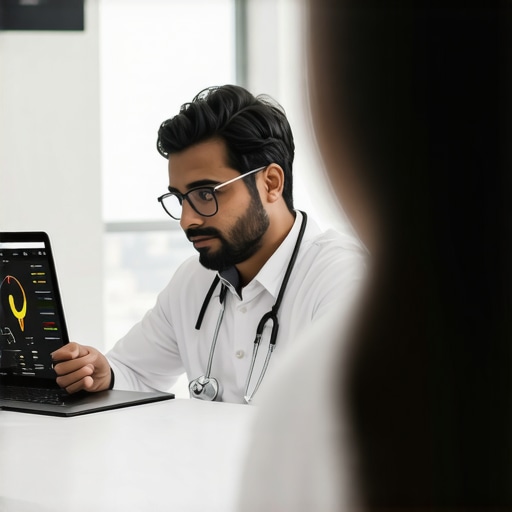
What Lies Ahead for Telehealth and Chronic Care
The rapid evolution of telehealth and trusted lab testing is poised to reshape healthcare far beyond 2025. As technological innovation accelerates, we can anticipate a future where remote monitoring and personalized virtual care become the norm, delivering unprecedented convenience and precision in managing chronic diseases.
One significant trend is the integration of artificial intelligence and machine learning into telehealth platforms. These advanced systems will analyze vast amounts of patient data in real-time, providing clinicians with actionable insights and predictive analytics to prevent complications before they occur. For example, AI-powered algorithms could flag early warning signs in diabetic patients, prompting preemptive interventions that save lives and reduce costs.
Legislative landscapes are also expected to evolve, fostering a more supportive environment for digital health innovations. Countries worldwide are recognizing the potential of telehealth to bridge healthcare gaps, especially in rural and underserved communities. Future policies might include expanded reimbursement models, streamlined licensing procedures for cross-state or international care, and enhanced cybersecurity regulations to protect sensitive health data.
In terms of technology, wearable devices and implantable sensors will become more sophisticated, providing continuous, real-time health metrics. These devices, paired with trusted lab testing, will enable a proactive approach to chronic disease management, shifting the focus from reactive care to prevention and early intervention. Patients will have more control over their health data, sharing insights seamlessly with their care teams through secure digital platforms.
Will Telehealth Survive 2025 and Beyond?
Based on current trends and expert forecasts, the answer is a resounding yes—albeit with necessary adaptations. A recent report from the World Health Organization emphasizes that digital health strategies will become integral to national health systems, especially as populations age and chronic conditions become more prevalent. The key will be balancing technological advancements with human-centered care, ensuring that empathy and personal connection remain central to healing.
To stay ahead, healthcare providers and patients alike should prepare for a landscape increasingly driven by data, innovation, and policy support. Embracing these changes now will position stakeholders to maximize benefits, minimize risks, and truly transform healthcare into a more accessible, efficient, and compassionate system.
As we look toward this promising future, one thing is clear: those who adapt early and invest in understanding emerging technologies will lead the charge in delivering better health outcomes for all. Stay ahead of the curve by keeping informed about evolving legislation, technological breakthroughs, and best practices in digital health.
As telehealth continues to redefine how we manage chronic illnesses, a clear question emerges: will technology eventually replace the human element that lies at the core of compassionate care? While virtual platforms and trusted lab testing streamline diagnoses and treatment, many experts warn that the emotional and empathetic connection between patient and provider remains irreplaceable. The challenge moving forward is striking a balance—leveraging innovation to enhance, not diminish, the human touch that fosters trust and healing. For those seeking a seamless blend of efficiency and empathy, exploring trusted services like Elite Urgent Care Telehealth can be a vital step. As we stand on this digital frontier, the ultimate question persists: can we harness technology without losing what makes care truly human? The answer lies in our ability to adapt, ensuring that progress enhances personal connection rather than replacing it.
I find it really encouraging to see how telehealth combined with trusted lab testing is transforming chronic disease management. During the pandemic, I personally experienced how convenient it was to order a blood test online and get timely results without visiting a clinic. It made managing my hypertension so much easier and less stressful. However, I do wonder about the long-term effectiveness of virtual care in building patient trust. Can digital interactions truly replace the reassurance a human face provides, especially for patients dealing with complex or emotional health issues? I believe a hybrid approach, where virtual visits are complemented by periodic in-person check-ins, might offer the best of both worlds. How have others found balancing technology with personal care in their practice or personal health journey? I’d love to hear different perspectives on maintaining that essential human touch while embracing digital innovation.