In a world where health emergencies often strike without warning, the rise of rapid-response healthcare options has become more than a convenience—it’s a necessity. Imagine a chilly evening when suddenly, a fever and severe discomfort hit, but your regular doctor’s office is closed. Many Americans now turn to fast urgent care and telehealth services that promise immediate relief and expert guidance, no matter the hour.
This shift is driven by a simple truth: accessibility and speed save lives. As healthcare systems grapple with increasing demand and resource constraints, these innovative solutions are proving to be game-changers—delivering reliable medical support with unprecedented convenience.
Breaking Barriers with Rapid Medical Support
Urgent care clinics and telehealth platforms are transforming how we approach health crises. The ability to consult a healthcare professional from your living room or a nearby clinic minimizes wait times and reduces the risk of infection—critical during pandemics or flu seasons. Notably, these services are tailored for immediate needs, whether it’s a sudden cough, minor injury, or chronic condition flare-up.
According to a recent report by the CDC, timely medical intervention can significantly improve outcomes, especially for vulnerable populations. The integration of lab testing and chronic disease management into telehealth platforms further enhances patient care, ensuring ongoing monitoring and tailored treatments.
Can Telehealth Fully Replace Traditional Emergency Rooms?
This question sparks debate among healthcare providers and patients alike. While telehealth excels in triaging and managing non-life-threatening issues, its limitations in handling severe emergencies are clear. Nonetheless, the synergy of quick-responding urgent care centers and telehealth services offers a compelling alternative for many, alleviating burden on emergency rooms and ensuring faster relief.
For those seeking reliable, immediate health support, understanding the best options is crucial. Trusted clinics like Prime Medical Clinics exemplify how integrated care models are setting new standards for patient convenience and safety.
As healthcare continues its digital evolution, the importance of accessible, trustworthy, and swift medical aid remains paramount. Next, we explore how these services are shaping patient outcomes and what to look for in the best urgent care and telehealth providers.
The Rise of Digital Healthcare Platforms
Over the past decade, the healthcare landscape has undergone a significant transformation driven by technological innovation and changing patient expectations. Companies like Teladoc, Amwell, and local clinics such as Prime Medical Clinics have pioneered the integration of telehealth services with traditional urgent care facilities, creating a hybrid model that emphasizes immediate access and convenience. These platforms leverage secure video conferencing, real-time chat, and remote diagnostic tools to connect patients with licensed healthcare professionals from their homes or nearby clinics.
This evolution is not happening in a vacuum. The 2010 Affordable Care Act and subsequent policy adjustments have expanded telehealth reimbursement and licensing frameworks, making it financially viable for providers to adopt these technologies. According to the American Medical Association, telehealth visits surged by over 150% during the COVID-19 pandemic, illustrating how regulatory support and public demand have accelerated adoption.
The Pioneers Behind the Movement
Leading the charge are both startups and established healthcare providers who recognize the market potential of rapid-response medical services. Prime Medical Clinics, for example, has integrated lab testing and chronic disease management into their telehealth offerings, addressing broader patient needs beyond acute episodes. These organizations are often backed by venture capital, aiming to disrupt traditional healthcare models by offering faster, more accessible care options.
On the ground, the reality is different. These clinics and platforms often operate in urban and suburban areas where the population density supports such innovations. However, their reach into rural communities remains limited, highlighting a significant challenge in ensuring equitable access to these services nationwide.
Market Impact and Future Outlook
The shift toward rapid urgent care and telehealth services is reshaping the healthcare market, creating new revenue streams and altering patient-provider dynamics. Market analysts project that the global telehealth market will reach $459.8 billion by 2030, driven by increased consumer demand and technological improvements. This growth is also prompting traditional hospitals and emergency departments to reconsider their strategies, integrating telehealth into their offerings to reduce patient load and improve outcomes.
As this trend continues, policymakers and healthcare providers must address lingering issues related to data privacy, licensing, and quality assurance. The goal remains clear: provide reliable, immediate medical relief that bridges the gap between patients and providers, ultimately saving lives and reducing costs.
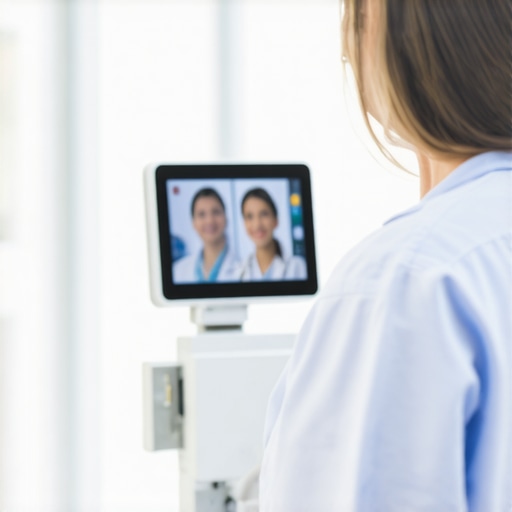
Beyond the Hype: Is Rapid Healthcare a Long-Term Solution?
While the surge in telehealth and urgent care clinics promises faster, more accessible medical aid, some experts warn this model might not stand the test of time. Critics argue that relying heavily on rapid-response services could lead to fragmented care, with patients bouncing between quick fixes rather than comprehensive treatment plans. Dr. Emily Carter, a veteran primary care physician, notes, “We’re solving a problem of access, but not necessarily of quality or continuity. Patients need ongoing relationships, not just quick consultations.”
Proponents of these services often say they reduce emergency room burdens and save lives in critical moments. Yet, skeptics question whether these benefits are sustainable. How will the system handle chronic illnesses that require long-term management? Can a quick telehealth session replace the nuanced care a patient receives from a trusted doctor over years?
Is this trend really built for the future or just a band-aid?
Data from the American Journal of Medicine suggests that while telehealth saw exponential growth during the pandemic, there’s a flattening trend as some patients and providers grow wary of its limitations. The concern? Over-reliance on digital quick fixes could erode the deeper doctor-patient relationships essential for complex health issues. As health economist Mark Davis puts it, “Short-term gains should not overshadow the need for sustainable, integrated care models.”
This raises the question: how do we balance immediate access with the need for comprehensive, continuous care? Is the current push for rapid healthcare a stopgap, or can it evolve into a truly sustainable system? Your take matters—what’s your view on this fast-evolving landscape?
In the end, the success of rapid-response healthcare hinges on whether it can adapt to serve as a complementary, not replacement, system. Otherwise, we risk creating a patchwork of care that leaves many behind.

As rapid-response healthcare continues to evolve, the landscape is poised for significant transformation driven by technological breakthroughs and legislative shifts. The long-term impact of telehealth and urgent care expansion suggests a future where accessibility, quality, and integration become the new standards in medical support. But what innovations and policies lie ahead that could redefine healthcare delivery?
One promising trend is the integration of artificial intelligence and machine learning into telehealth platforms. These technologies are expected to enhance diagnostics, personalize treatment plans, and streamline patient monitoring, making virtual care more accurate and efficient. For example, AI-powered symptom checkers and predictive analytics could become commonplace, helping providers identify high-risk patients earlier and allocate resources more effectively.
Simultaneously, legislative frameworks are anticipated to adapt to support these innovations. Governments worldwide are working on policies that will expand licensing reciprocity, improve data privacy standards, and ensure equitable access, especially for rural and underserved populations. The upcoming revisions to telehealth reimbursement policies, as highlighted in the latest Global Healthcare Outlook 2024 report, aim to sustain investment and innovation in this sector, encouraging more providers to adopt digital solutions.
Will these advancements be enough to create a resilient, comprehensive healthcare system? Experts believe that the integration of digital and in-person care, coupled with patient-centered policies, could lead to a more sustainable model. As health systems become more proactive and data-driven, they will likely shift from reactive treatment to preventive care, reducing long-term costs and improving outcomes.
Furthermore, the cultural shift towards digital health literacy and acceptance will play a vital role. As patients become more comfortable with virtual consultations and digital health tools, demand for seamless, tech-enabled services will grow. This shift could catalyze new business models, such as hybrid clinics that combine physical and virtual care, or community-based digital health hubs.
To stay ahead of these changes, consumers and providers alike should focus on digital readiness—investing in secure technology, understanding evolving regulations, and fostering trust in telehealth solutions. Preparing for a future where rapid healthcare services are deeply embedded into everyday life requires proactive adaptation and continuous learning.
Will 2025 mark the tipping point for widespread adoption of integrated rapid healthcare models?
While the road ahead is promising, challenges remain, including ensuring data security, maintaining care quality, and addressing disparities in access. However, with ongoing innovation and forward-thinking policies, the next few years could solidify rapid healthcare services as a core component of modern medicine. Stay ahead of the curve by embracing these trends early—your health depends on it.
The Bottom Line
- Rapid-response healthcare, including telehealth and urgent care, is reshaping patient access to medical services, especially during emergencies or after hours.
- Integration of lab testing and chronic disease management into telehealth platforms enhances patient outcomes and streamlines care.
- While these innovations improve convenience and reduce ER burdens, questions remain about long-term sustainability and comprehensive care.
- Future advancements, such as AI diagnostics and supportive legislation, promise a more connected, efficient healthcare ecosystem.
As the world increasingly turns to digital solutions for health crises, the challenge is ensuring these rapid services complement traditional care rather than replace the essential trust and continuity patients need. With evolving technology and policy support, the next chapter in healthcare may well be characterized by unprecedented accessibility—making emergency help just a click away. Are we stepping into a new era where quick fixes become the norm, or is this just the dawn of a more integrated, patient-centered system? Your health journey is about to change—are you ready to embrace it?
I really appreciate how this article highlights the importance of combining rapid-response services with traditional healthcare to improve overall patient outcomes. Having personally used telehealth during a minor injury, I found the experience efficient and reassuring, especially outside regular office hours. However, I wonder how these services can better coordinate with primary care providers to ensure continuity and ongoing management of chronic conditions. In my view, a hybrid approach that leverages the strengths of both digital and in-person care seems promising. What strategies have others found effective in ensuring long-term care isn’t sacrificed amidst the convenience of quick medical responses? It’s a conversation worth having as we shape the future of healthcare.
This article underscores an important evolution in healthcare—how telehealth and urgent care are becoming vital, especially during late hours or emergencies when traditional offices are closed. From personal experience, I’ve found that quick access to medical advice in my neighborhood has greatly eased my anxiety during minor health issues, like sudden allergy flare-ups or small injuries. However, I am curious about the integration aspect—how do these rapid-response services ensure proper follow-up or continuity with a patient’s primary care provider? In my opinion, bridging the gap between urgent care and long-term health management is essential for truly effective care. Also, with the rapid growth of these platforms, what measures are being put in place to guarantee the quality and safety of remote diagnoses? As we embrace these innovations, I think fostering a seamless continuum of care is key to avoiding fragmented health services, especially for vulnerable populations who often need consistent, long-term attention.
This post really highlights how immediate access to healthcare through telehealth and urgent care centers is transforming our approach to health emergencies. I’ve personally relied on telehealth a few times, especially after-hours when my regular doctor wasn’t available, and found it incredibly convenient and efficient. One thing I’ve noticed, though, is that for long-term or chronic issues, these quick consultations sometimes feel like stepping stones rather than complete solutions. It makes me wonder, how can we improve integration so that urgent telehealth visits seamlessly connect with a patient’s ongoing care provider? I believe that combining rapid-response options with proper follow-up systems could really optimize patient outcomes. What innovative strategies have others seen that help ensure comprehensive care without sacrificing the immediacy that these services offer? It’s vital that we find a sustainable balance to enhance both accessibility and continuity in healthcare.