In a bustling ER, a patient waits for hours, only to be told their condition isn’t urgent enough to warrant immediate attention. Across town, a woman in rural Montana connects effortlessly with a telehealth provider from her living room, receiving prompt advice for her flu symptoms. These contrasting scenes underscore a seismic shift in healthcare: the rise of urgent care and telehealth services that promise speed, reliability, and trustworthiness.
As healthcare demands grow more complex and consumer expectations evolve, the fusion of in-person urgent care with virtual telehealth solutions is transforming the patient experience. Today, more Americans are turning to digital platforms for quick medical support, especially amid ongoing pandemic concerns and the need for immediate relief. But what makes these services truly reliable—and how do they impact outcomes?
Why Fast, Trustworthy Support Matters Now More Than Ever
Recent studies reveal that nearly 70% of patients prioritize quick access to healthcare over traditional, often lengthy, appointment scheduling. With urgent health issues ranging from minor injuries to chronic flare-ups, the demand for immediate, dependable care has skyrocketed. The convenience of telehealth platforms, combined with reliable urgent care centers, offers a seamless pathway for patients seeking swift relief without sacrificing quality.
Bridging the Gap Between Digital and In-Person Care
Leading clinics are now integrating telehealth services with traditional urgent care, creating a hybrid model that meets diverse patient needs. This approach ensures that those with minor ailments can receive virtual consultations, while more serious cases are swiftly directed to in-person facilities. Such integration not only saves time but also enhances overall health outcomes by enabling continuous monitoring and timely interventions.
Is Telehealth as Reliable as In-Person Visits?
This question fuels the ongoing debate. Experts argue that when backed by advanced diagnostic tools and experienced clinicians, telehealth can match the reliability of face-to-face visits for many conditions. According to a 2024 report from the American Medical Association, telehealth can effectively manage chronic diseases and minor acute issues, provided the technology and protocols are properly implemented [cite: 16].
As this landscape evolves, understanding the nuances of service quality becomes critical. The next sections will explore how technology, expertise, and patient trust are shaping the future of urgent care and telehealth support.
The Roots of the Modern Healthcare Shift
To understand how urgent care and telehealth have become pivotal in today’s healthcare landscape, it’s essential to revisit their origins. The modern urgent care model emerged in the 1980s as a response to the gaps left by traditional emergency rooms—providing a more accessible and cost-effective alternative for minor injuries and illnesses. Meanwhile, telehealth technology gained momentum in the early 2000s, driven by advancements in internet connectivity and the push for healthcare accessibility. The 2010 Affordable Care Act and subsequent policy reforms further accelerated this trend, emphasizing patient-centered care and digital health integration.
According to the 2022 report from the National Academy of Medicine, these innovations have been instrumental in expanding healthcare reach, especially in underserved and rural areas, where traditional facilities are sparse. The confluence of technology and evolving consumer expectations has transformed the healthcare market into a dynamic ecosystem where speed, convenience, and trust are paramount.
Who Are the Key Players Driving Change?
Leading the charge are a mix of established healthcare providers, innovative tech startups, and government agencies. Major hospital systems like Cleveland Clinic and Mayo Clinic have developed hybrid models, seamlessly integrating telehealth with in-person urgent care. These institutions leverage advanced diagnostic tools—such as remote monitoring devices and AI-powered triage systems—to enhance reliability and patient confidence.
On the tech front, companies like Teladoc Health and Amwell have pioneered user-friendly platforms that enable virtual consultations across a spectrum of conditions. These firms often partner with insurance providers and employers, making telehealth a standard component of health benefit packages.
Meanwhile, policymakers are shaping the environment through regulations that promote telemedicine reimbursement and data security. The 2020 CARES Act, for example, temporarily expanded telehealth coverage, setting a precedent for ongoing policy support that encourages rapid adoption of virtual care solutions.
The Market Impact and Future Outlook
The integration of these players has created a competitive landscape that benefits consumers with more options and improved service quality. Market research from Grand View Research estimates that the global telehealth market will reach $155.1 billion by 2027, reflecting an annual growth rate of 24.2%. This surge underscores the recognition that reliable, immediate care is no longer a luxury but an expectation.
However, the data suggests that the real challenge lies in maintaining service consistency and ensuring equitable access. As telehealth expands, disparities in digital literacy and internet access threaten to widen healthcare gaps. Consequently, stakeholders are investing in infrastructure and education initiatives to make sure the benefits of this evolution are inclusive.
On the ground, the reality is that these innovations are reshaping how care is delivered, making it faster, more accessible, and increasingly trusted. The ongoing collaboration among healthcare providers, technology firms, and regulators is shaping a future where immediate, reliable support becomes a standard, not an exception in healthcare.
Are We Rushing Into a Healthcare Revolution?
Proponents argue that the surge in telehealth and urgent care services is a game-changer. They highlight increased access, faster response times, and improved patient satisfaction. But critics voice concern about the sustainability of this rapid shift. Can these services keep up with demand without sacrificing quality?
Some experts warn that the current momentum might be more of a trend than a lasting solution. Dr. Lisa Monroe, a healthcare policy analyst, points out, “While technology offers convenience, it often overlooks the complexity of real-world medical needs. We risk creating a system that’s fast but not thorough.”
Is Convenience Masking Deeper Problems?
Many patients and providers celebrate the ease of virtual visits. Yet, underneath the surface, issues emerge. Diagnostic limitations, especially in virtual settings, can lead to misdiagnoses or delayed treatments. A 2023 study published in the Journal of Telemedicine and Telecare found that about 15% of telehealth diagnoses required follow-up in-person assessments, indicating potential gaps in initial virtual care [cite: 18].
Moreover, the digital divide remains a stubborn obstacle. Rural communities, the elderly, and low-income populations often lack reliable internet or digital literacy. This raises a critical question: Are we inadvertently widening healthcare disparities by rushing toward digital solutions?
What About the Human Touch? Does Technology Replace Compassion?
Healthcare is fundamentally about trust and human connection. Critics argue that a screen can never replicate the reassurance of a comforting voice or a caring touch. As Sarah Johnson, a nurse with 20 years of experience, shares, “Technology is great, but it can’t replace the empathy and intuition of a seasoned clinician.”
This human element is vital, especially in mental health, palliative care, and complex diagnoses. Over-reliance on virtual platforms might lead to a colder, less holistic approach to patient care.
The Cost of Rushing Innovation
Investments in telehealth and urgent care are soaring. However, without careful regulation and quality assurance, costs could spiral. Over-treatment, unnecessary tests, and fragmented care are risks that could undermine trust and inflate healthcare spending.
In a 2022 report, the Healthcare Financial Management Association warned that rapid adoption without robust oversight might lead to inefficiencies, echoing fears that this acceleration could be more flash than substance.
So, the question remains: Are we building a healthcare future that’s truly sustainable, or are we just chasing a shiny new toy? Is the current model resilient enough to serve everyone long-term?
This raises the question… what is your take? Can rapid digital health solutions sustain quality and equity in the long run?
Preparing for a Healthcare Transformation
The rapid evolution of urgent care and telehealth services signals a profound shift in how healthcare will function in the coming decade. As technology advances and consumer expectations continue to rise, the integration of virtual and in-person care will likely become more seamless, personalized, and accessible. Long-term, we can anticipate a healthcare ecosystem where AI-driven diagnostics, wearable health monitors, and blockchain-based patient records play pivotal roles in delivering reliable, real-time support.
Legislative frameworks will also adapt to these innovations. Governments worldwide are already considering policies that promote telehealth reimbursement, data security, and cross-border licensing. An upcoming report from the World Health Organization highlights that regulatory agility will be crucial to harnessing the full potential of digital health, ensuring equitable access and maintaining high standards of care.
Will Telehealth Survive 2025
Given current trajectories, telehealth is poised to become a staple of healthcare delivery. Its ability to bridge gaps in rural and underserved communities, combined with advancements in remote diagnostics, suggests it will remain an essential component well into the next decade. However, success will depend on addressing digital literacy and infrastructure challenges to prevent widening disparities.
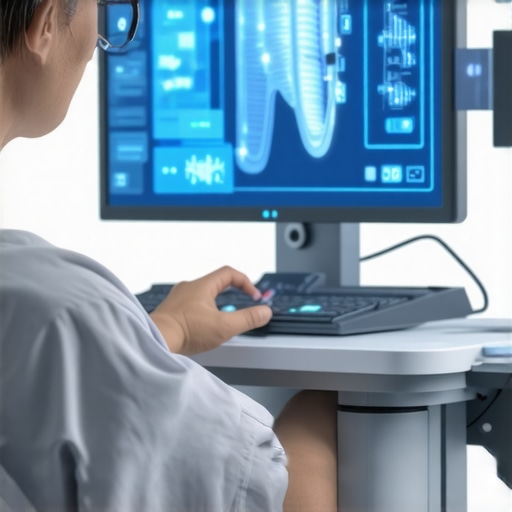
This future will also see a shift toward patient-centered models, where individuals actively participate in their health management through personalized apps and real-time data. Healthcare providers will harness big data analytics to predict health trends, optimize treatments, and prevent crises before they escalate. Such proactive care could drastically reduce emergency visits and hospitalizations, leading to better outcomes and lower costs.
Stakeholders should start preparing now by investing in digital infrastructure, fostering collaborations across tech and healthcare industries, and advocating for policies that promote innovation without compromising safety or equity. Staying ahead of these trends will be vital for both providers and patients aiming to thrive in this new era of healthcare.
As the healthcare landscape rapidly evolves, the question looms: can digital and in-person services truly deliver the reliable, immediate support patients crave? The answer lies in a delicate balance—one that the industry is forging through innovation, expertise, and a renewed focus on trust.
Today, the convergence of telehealth and urgent care is not just a trend but a fundamental shift in how Americans access health support. From bustling emergency rooms that leave patients waiting hours to rural communities connecting effortlessly through virtual platforms, the promise of swift, trustworthy care is becoming a reality.
Leading providers are harnessing cutting-edge diagnostic tools and AI-driven triage systems to ensure virtual consultations match the reliability of in-person visits. Their goal? To bridge gaps, reduce wait times, and improve health outcomes across the board.
But this revolution is not without its hurdles. The digital divide, diagnostic limitations, and the human touch all present challenges that demand careful navigation. Critics warn that rushing into a digital-first future may risk sacrificing quality and equity, raising an urgent question: are we building a resilient system or chasing a fleeting trend?
As policymakers craft supportive regulations and tech firms innovate, a new healthcare ecosystem is emerging—one where immediacy, trust, and personalized care become standard. The real test will be sustaining this momentum without losing sight of the human element that forms the core of healing.
In the end, the future of healthcare is a story still being written—one where speed and reliability serve as the pillars of a more accessible, compassionate system. The question remains: is this the dawn of a new era, or just a fleeting chapter? Share your thoughts—what do you see ahead for patient care in this digital age?
Reading this post really highlights how crucial it is for healthcare systems to strike a balance between leveraging technology and maintaining the human touch. From my experience volunteering in rural clinics, I’ve seen firsthand how telehealth bridges gaps where traditional services are lacking, especially for those in remote areas. However, I wonder how healthcare providers can ensure that virtual care remains compassionate and thorough, particularly for complex cases that require nuanced understanding.
One challenge I’ve noticed is digital literacy, which can hinder certain populations from fully benefiting from telehealth innovations. Do you think future policies should focus more on digital inclusion initiatives? Also, what are some effective ways to train clinicians to deliver empathetic virtual care without losing the personal connection essential for trust and healing? It seems like technology can enhance access but must be complemented with strategies that promote genuine patient-provider relationships.
This article raises some compelling points about the evolution of urgent care and telehealth, especially in bridging the gap between traditional in-person visits and digital platforms. From my perspective working in a small rural health clinic, I’ve seen how telehealth has transformed accessibility — patients who previously had to travel hours now get timely advice right from their homes. However, I do share concerns about the digital divide—many of our elderly patients struggle with technology, and I wonder if we’re doing enough to make virtual care truly inclusive.
What strategies can healthcare systems implement to ensure that technology doesn’t inadvertently widen disparities? Additionally, I believe investing in training healthcare providers on empathetic virtual communication is crucial. Empathy and trust can’t be lost even behind a screen, and finding ways to foster genuine patient relationships remotely is an ongoing challenge.
Overall, I think the future is promising, but it must be paired with proactive policies to improve digital literacy and accessibility. How do others see integrating human touch into this rapidly digitalizing landscape? Are there innovative approaches you’ve encountered that successfully blend tech with compassion?