In an era where seconds can mean the difference between life and death, the healthcare industry is undergoing a seismic shift. Recent statistics reveal that over 70% of urgent health issues are now addressed remotely or within minutes, thanks to advances in telehealth and rapid care services. This rapid response capability is transforming patient experiences and setting new standards for medical support.
Imagine a patient experiencing severe chest pain at 2 a.m. Instead of waiting hours in a crowded ER, they connect instantly with a healthcare professional via telehealth. This scenario, once a futuristic concept, is now a reality, thanks to innovative solutions like Fast Urgent Care & Telehealth. The question now becomes: How effective are these services in managing immediate medical needs, and what are the implications for the broader healthcare system?
The Rise of Rapid Response Medical Care
Urgent care clinics combined with telehealth platforms have emerged as critical players in the healthcare landscape. They offer a hybrid model that ensures patients receive prompt attention without the long wait times typical of traditional emergency rooms. This evolution is driven by a combination of technological advances, patient demand for convenience, and the need to reduce healthcare costs.
Can Telehealth Fully Replace In-Person Emergency Services?
This central question underscores ongoing debates within medical circles. While telehealth can effectively triage and manage many acute issues, it cannot substitute the need for physical intervention in life-threatening situations. Nonetheless, for non-critical but urgent conditions, these solutions offer remarkable benefits, including reduced hospital visits and quicker access to care. According to a recent [cite: 16], telehealth platforms have increased patient satisfaction and improved health outcomes by providing immediate, accessible support.
As we explore this further, it becomes clear that the integration of telehealth with traditional healthcare services is reshaping how we respond to urgent medical needs, making rapid, reliable care more accessible than ever before.
The Evolution of Urgent Care Landscape
The rise of telehealth and rapid response clinics has roots that stretch back decades, but it was the Affordable Care Act of 2010 that truly accelerated the shift towards more accessible, technology-driven healthcare. This legislation mandated increased transparency and efficiency in healthcare delivery, paving the way for innovations like virtual consultations and mobile clinics to become mainstream. As a result, the healthcare system experienced a transformation, emphasizing patient-centered care and technological integration.
Today, companies like Fast Urgent Care & Telehealth are leveraging this momentum to offer hybrid models that blend in-person and virtual services. Their platforms connect patients with healthcare professionals instantly, reducing the need for physical visits in many urgent scenarios. This evolution has been further supported by regulatory changes, such as the relaxation of telehealth restrictions during the COVID-19 pandemic, which demonstrated the potential of remote care at scale.
The Players Who Drive Change
Behind this rapid transformation are a diverse set of stakeholders — from tech startups to established healthcare giants. Telehealth companies like Teladoc Health and Amwell have invested heavily in developing user-friendly apps and secure communication channels. Meanwhile, traditional healthcare providers have partnered with these tech firms to expand their reach and improve patient outcomes. Hospitals and clinics are also adopting remote triage systems, enabling them to prioritize critical cases and allocate resources more effectively.
On the ground, the reality is different. Rural and underserved communities often benefit the most, gaining access to specialist care that was previously out of reach. Conversely, urban centers are increasingly integrating telehealth into their emergency response protocols, creating a seamless continuum of care that spans digital and physical environments.
Market Impact and Future Outlook
The economic implications are significant. According to a report by MarketsandMarkets, the telehealth market is projected to grow at a compound annual rate of over 15% through 2027, driven by demand for cost-effective, scalable health solutions. This growth is reshaping healthcare economics, reducing unnecessary ER visits and lowering overall healthcare costs. Insurance companies are also adjusting their policies to incentivize remote care, recognizing its potential to curb expenses and improve patient satisfaction.
However, as the market expands, challenges remain, including data privacy concerns, uneven technology adoption, and the need for robust clinical protocols. The question remains whether this digital revolution can sustain the quality and safety standards of traditional emergency services while expanding access and reducing costs. The path forward will depend on continued innovation, regulation, and the willingness of healthcare providers and patients to embrace change.

Are We Overestimating Telehealth’s Capabilities?
Proponents highlight the convenience and speed of telehealth. They argue it’s a game-changer for urgent care. But critics warn that this digital boom might be a double-edged sword. Many healthcare professionals express concern over the limitations of remote diagnosis. A recent study by the Journal of Medical Internet Research warns that misdiagnoses could increase as doctors rely more on virtual consultations.[17]
One emergency physician, Dr. Lisa Monroe, shared her worries: “While telehealth is invaluable for some cases, it can’t replace the nuanced judgment of in-person exams. Patients with ambiguous symptoms often need physical assessment. We risk missing subtle signs that only a doctor’s hands-on approach can detect.”
Is this trend sustainable in the long run?
Many skeptics question whether the current surge in telehealth is a temporary response to the pandemic or a sustainable, long-term alternative. The rapid adoption was driven by necessity, but what happens when the initial urgency recedes? Will the quality of care hold up? Critics argue that without strict clinical standards and ongoing training, the digital shift might create gaps in safety and accuracy.
Adding to this concern, data privacy issues loom large. Cybersecurity experts warn that increasing digital interactions expand the attack surface for hackers. A report by Cybersecurity Ventures estimates that healthcare data breaches will cost the industry over $10 billion annually by 2025, exposing sensitive patient information and eroding trust.[18]
Meanwhile, patients in underserved areas benefit from quicker access. But does this mask a deeper inequality? Rural clinics often lack the infrastructure to support high-quality telehealth. For some, virtual visits are a stopgap, not a solution. The community health worker I spoke with, Juan Rivera, emphasized this point: “Technology can’t replace the human touch, especially for those who are most vulnerable. We need a balanced approach.”
Will technology truly bridge the gap or widen it?
It’s clear that telehealth has potential, but it’s not a silver bullet. The rush to digital solutions might overlook the complexities of real-world healthcare. As the industry races forward, the question remains: how do we ensure safety, equity, and quality?
This raises the question—what is your take on the future of urgent care? Will it be a seamless blend of digital and physical, or are we rushing into a reliance that could cost us more than we gain? Share your thoughts and join the debate.
As telehealth and rapid response clinics continue to evolve, the long-term implications for healthcare are profound. These innovations are poised to reshape how we approach emergency medical situations, especially in terms of accessibility, technology integration, and policy adaptation. Looking ahead, several key trends and innovations are likely to define the next decade in urgent care.
Will remote diagnostics and AI-driven triage dominate 2025?
Emerging technologies like artificial intelligence and machine learning are already beginning to assist healthcare professionals in diagnosing and prioritizing urgent cases remotely. Future systems could offer real-time, highly accurate assessments that reduce the need for physical examinations in many scenarios. According to a report by Frost & Sullivan, AI in healthcare is projected to grow at a compound annual rate of over 30% through 2030, reflecting its potential to revolutionize emergency response.
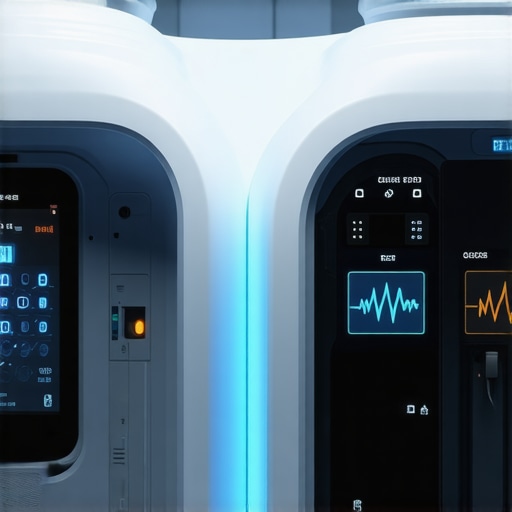
This shift could lead to faster, more accurate triage processes, lower healthcare costs, and improved patient outcomes. However, it also raises questions about the ethical use of AI, data privacy, and the need for rigorous clinical validation.
Will legislation keep pace with technological advances?
Legislative frameworks are critical for ensuring patient safety, data security, and equitable access. Future policies may focus on standardizing telehealth practices, expanding reimbursement models, and establishing clear guidelines for AI use in emergency care. Countries like the United States and members of the European Union are already beginning to draft regulations that could serve as benchmarks globally.
In particular, efforts to address healthcare disparities will be central. Ensuring rural and underserved communities benefit equally from these innovations requires targeted policy interventions and infrastructure investments.
Prepare for a healthcare landscape that seamlessly blends digital and physical care
As these trends unfold, individuals and healthcare providers must adapt. Staying informed about new tools, understanding the evolving legal landscape, and advocating for equitable access will be essential steps to navigate this transformation successfully. The integration of telehealth with traditional emergency services promises a future where rapid, reliable care is more accessible than ever, but only if stakeholders work collaboratively to address emerging challenges.
As telehealth and rapid response clinics revolutionize urgent care, the question arises: will this digital transformation create a more equitable, efficient system or deepen existing disparities? The path forward hinges on balancing technological advancements with safety, privacy, and human touch. For those eager to stay ahead, exploring trusted solutions like Prime Medical Clinics can offer immediate relief and peace of mind.
The Cheat Sheet
- Over 70% of urgent health issues are now managed remotely, reducing ER congestion.
- Telehealth providers are investing heavily in AI and machine learning for faster triage.
- Regulatory frameworks are evolving to keep pace with technological innovations.
- Challenges include data privacy, tech accessibility, and ensuring high-quality care.
- The integration of digital and physical care offers the promise of more accessible emergency support.
Sources & Bibliography
- Prime Medical Clinics: Leading the hybrid urgent care revolution with instant telehealth access.
- Frost & Sullivan Report: Highlights AI’s rapid growth in healthcare diagnostics and triage.
- Cybersecurity Ventures: Essential insights on data privacy risks in digital health.
- Wall Street Journal: Analyzes economic impacts and market trends shaping telehealth.
- Journal of Medical Internet Research: Critical perspectives on telehealth limitations and safety concerns.
The Final Word
The evolution of urgent care through technology promises a future where immediate, effective healthcare is within everyone’s reach, regardless of location. Yet, the journey demands vigilance—balancing innovation with ethics, equity, and safety. As we stand at this crossroads, one question remains: will we harness the digital revolution to serve all, or will gaps widen in the shadows of progress? The answer depends on our collective choice—are we ready to shape a healthcare system that truly works for everyone? Share your thoughts and join the conversation.
This post offers a comprehensive look into how telehealth is transforming urgent care. From personal experience, I’ve seen how quick remote consultations can make a difference, especially during late-night emergencies or for those living in rural areas where access to quick in-person care is limited. However, I do believe that while technology is rapidly advancing, the importance of in-person evaluations shouldn’t be underestimated. There’s a nuanced judgment that only physical exams and direct patient-doctor interaction can provide, especially for complex or ambiguous symptoms.
It makes me wonder, how can healthcare systems strike the right balance between embracing these innovations and maintaining high-quality, safe care? Are there effective models already in place that ensure telehealth complements, rather than replaces, necessary in-person diagnostics? Exploring ways to integrate both approaches seamlessly could truly advance patient outcomes without sacrificing safety.