Imagine a patient with diabetes checking their blood sugar levels from the comfort of their home, avoiding long waits and multiple clinic visits. This scene is no longer futuristic; it’s a growing reality reshaping how chronic illnesses are managed. As healthcare evolves, the integration of trusted telehealth and lab testing is proving to be a game-changer.
Recent statistics reveal that chronic diseases like hypertension, diabetes, and heart conditions account for over 70% of deaths worldwide. Yet, traditional management often falls short in delivering timely, personalized care. Now, with advancements in telemedicine, clinicians can monitor, diagnose, and adjust treatments more effectively—without patients constantly stepping into clinics.
The New Standard in Chronic Disease Management
Telehealth platforms enable continuous communication between patients and healthcare providers, ensuring that care is proactive rather than reactive. Paired with at-home lab tests, this approach facilitates real-time data collection and swift interventions, reducing hospitalizations and improving quality of life.
Can Telehealth Replace In-Person Visits for Chronic Care?
This is the central debate. Critics argue that remote monitoring can’t fully replace hands-on assessments, while proponents highlight its convenience, cost-effectiveness, and ability to catch issues early. According to a [16] expert consensus, integrating telehealth with reliable lab testing significantly enhances chronic disease outcomes, making it a vital part of modern healthcare.
As we explore further, it’s clear that technology and trust are converging to redefine patient care. The next section delves into how these innovations are shaping real-world results, and what this means for patients and providers alike.
The push toward digital health solutions has roots in the early 2000s, when technological advancements began to reshape traditional medicine. Governments and healthcare organizations recognized that integrating remote monitoring and data-driven diagnostics could bridge gaps in care, especially for chronic illnesses that require constant management. This shift gained momentum with the enactment of policies like the 21st Century Cures Act in 2016, which aimed to accelerate medical innovation and improve patient access to digital tools. Today, a growing ecosystem of telehealth platforms and at-home lab testing services is transforming the landscape, making personalized, continuous care a reality for millions.
On the ground, the impact of these innovations is visible across diverse healthcare settings. For instance, companies like Prime Medical Clinics have pioneered integrated models where patients with diabetes or hypertension receive regular remote check-ins alongside at-home lab tests. These tests—ranging from blood glucose monitoring to lipid panels—provide real-time data that feeds directly into clinicians’ dashboards. This setup allows physicians to make timely adjustments without waiting for in-person visits, reducing hospital admissions and improving health outcomes. Such models are especially vital in rural or underserved areas, where access to specialized care is limited and traditional healthcare infrastructure is strained.
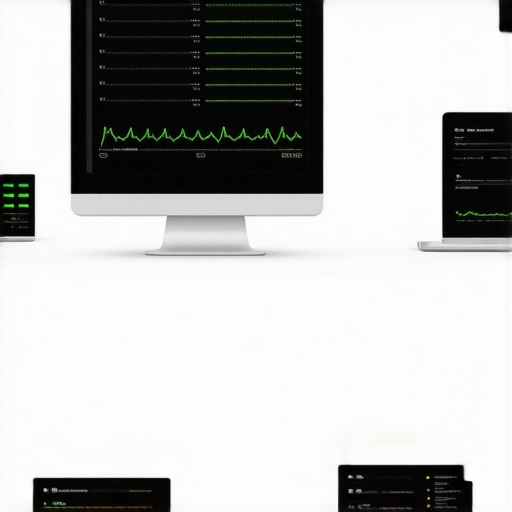
The data supporting this approach is compelling. A 2022 report by the World Health Organization highlighted that countries adopting telehealth and remote diagnostics saw a 15-20% decrease in hospitalization rates for chronic conditions. Moreover, patients report higher satisfaction levels and a sense of empowerment in managing their health. These improvements are backed by technological mechanisms that leverage cloud-based platforms, wearable sensors, and AI-driven analytics, creating a seamless flow of health information. This synergy between technology and care delivery exemplifies how modern medicine is evolving from reactive to proactive management.
While critics debate whether telehealth can fully replace in-person assessments, the evidence suggests a hybrid model offers the best of both worlds. As technology continues to mature, healthcare providers are increasingly embracing these tools, recognizing their potential to enhance patient outcomes while reducing costs. In essence, the integration of trusted telehealth and lab testing is not just a trend, but a fundamental shift that is setting a new standard for chronic disease management worldwide.
Is Telehealth a Reliable Long-Term Solution?
While the buzz around telehealth is loud, skeptics raise critical questions. Can remote monitoring truly replace the nuanced care of in-person visits? Experts like Dr. Laura Simmons, a seasoned endocrinologist, warn that technology might be oversold. “There’s a danger in assuming digital tools can fully capture a patient’s complex health needs,” she says. “Human touch and physical exams remain irreplaceable.”
Proponents highlight the convenience and data-driven insights, but critics argue that digital health might foster complacency. Patients may become overly reliant on devices, neglecting subtle symptoms only a doctor can detect during a physical exam. This raises concerns about missed diagnoses or delayed interventions.
Can Technology Keep Up with Human Complexity?
Many question whether algorithms and sensors can truly grasp the intricacies of chronic diseases. Dr. Mike Chen, a healthcare technology analyst, points out, “AI and remote diagnostics are powerful, but they’re not foolproof. They lack the intuition, contextual understanding, and emotional intelligence of a trained clinician.”
Moreover, there’s the issue of sustainability. Will patients consistently adhere to remote monitoring protocols? Will hospitals and clinics maintain these systems amidst evolving technology and funding challenges? The initial enthusiasm may fade if the systems become burdensome or unreliable over time.
Critics also argue that telehealth could widen health disparities. Not everyone has access to stable internet, smartphones, or the digital literacy needed to navigate these tools. Rural communities, in particular, might find themselves further marginalized if digital solutions are not tailored to their realities.
This tension between innovation and realism prompts a vital question. Are we rushing toward a future where human interaction is minimized? Or is there a way to blend technology with traditional care to create a more resilient system?
Some experts suggest a hybrid approach, combining the best of both worlds. Yet, that requires careful planning, investment, and ongoing evaluation. As Dr. Simmons warns, “If we don’t address these foundational issues, we risk creating a system that’s efficient on paper but ineffective in real life.”
So, as you consider the future of healthcare, ask yourself: is this trend sustainable? Or are we overlooking the essential human touch that makes medicine truly healing? Your insights matter—what’s your take on the long-term viability of telehealth for chronic disease management?
According to a study published in the Journal of Medical Internet Research, nearly 40% of patients report feeling less satisfied with remote care due to lack of personal connection and reassurance. This highlights that technology alone cannot address all patient needs, especially in complex, ongoing conditions.
Will Telehealth Continue to Shape Healthcare in the Coming Years
As we look toward the horizon of healthcare innovation, the integration of telehealth and remote diagnostics appears poised to redefine the landscape of chronic disease management. Experts predict that by 2030, these technologies could become the standard, seamlessly blending with traditional medicine to offer more personalized, efficient, and accessible care. The long-term impact of this shift will likely extend beyond convenience, fostering a more proactive approach to health that empowers patients and reduces burdens on healthcare systems.
Emerging innovations such as AI-powered diagnostic tools, wearable health devices, and advanced data analytics are expected to play pivotal roles in this evolution. These advancements will facilitate real-time health monitoring, predictive analytics, and tailored treatment plans that adapt dynamically to individual needs. According to a 2024 report by the Global Health Innovation Council, efforts to integrate AI with telehealth are projected to decrease hospital readmissions for chronic illnesses by up to 30%, marking a significant step forward in reducing healthcare costs and improving outcomes.
Legislative changes are also on the horizon. Governments worldwide are recognizing the importance of digital health and are likely to introduce policies that encourage wider adoption of telehealth services, ensure data security, and promote equitable access. For example, proposed reforms in the US aim to expand reimbursement for telehealth consultations and remote patient monitoring, making these services more sustainable for providers and more accessible for patients.
How Should We Prepare for These Transformations
To stay ahead of these sweeping changes, patients, providers, and policymakers must embrace digital literacy and invest in robust infrastructure. Patients should familiarize themselves with emerging health technologies and advocate for their needs, especially in underserved communities. Healthcare providers need to adapt workflows, incorporate new tools into their practices, and prioritize patient engagement. Policymakers must craft regulations that foster innovation while safeguarding privacy and equity.
In conclusion, the trajectory of telehealth and remote diagnostics suggests a future where chronic disease management is more connected, data-driven, and personalized than ever before. While challenges remain—such as ensuring equitable access and maintaining human touch—those who prepare now will be best positioned to thrive in this new healthcare era.
As healthcare continues to evolve, the seamless integration of telehealth and at-home lab testing stands out as a transformative force. This shift not only enhances patient experience but also drives measurable improvements in managing chronic diseases like diabetes and hypertension. The future of chronic care is digital, and it’s happening now.
Recent data underscores the impact: countries adopting remote diagnostics and telehealth have seen hospitalization rates for chronic conditions decrease by up to 20%. Patients report higher satisfaction and a greater sense of control over their health, thanks to real-time data and proactive interventions. This sophisticated approach leverages cloud platforms, wearable sensors, and AI analytics to create a continuous health monitoring ecosystem.
For those navigating the complexities of long-term illness, the message is clear: embracing these innovations can lead to better outcomes and less time spent in clinics. Companies like Prime Medical Clinics exemplify this trend by offering integrated remote check-ins paired with lab tests such as blood glucose and lipid panels, enabling clinicians to make timely adjustments without the need for frequent in-person visits. This model is especially vital in rural or underserved areas where traditional healthcare access is limited.
As the landscape shifts, the question isn’t whether telehealth will continue to grow, but how quickly it will become the standard. Policymakers are responding, with reforms aimed at expanding reimbursement and ensuring data security, paving the way for broader adoption. Meanwhile, advancements in AI, wearable tech, and data analytics promise to make remote monitoring even more precise and personalized.
Looking ahead, the real challenge lies in balancing technological innovation with the essential human touch that makes medicine compassionate and effective. The integration of trusted telehealth and lab testing is a decisive step toward a healthcare system that is more connected, efficient, and patient-centered—one where managing chronic disease becomes less about waiting rooms and more about proactive, continuous care. For those ready to embrace this change, the future isn’t just promising; it’s within reach. Are you prepared to see how technology can revolutionize your approach to health? Discover more at Prime Medical Clinics.