
4 Oxidative Stress Markers Your 2026 Lab Test Overlooked
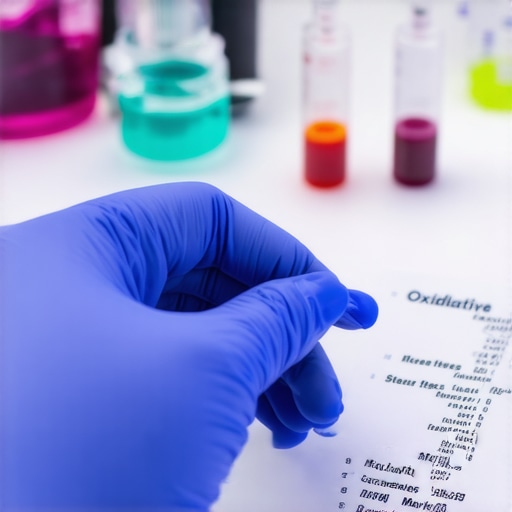
Why You’re Being Lied to About Oxidative Stress Markers
If you think routine lab tests in 2026 are enough to guarantee your health, think again. The medical community has sold you a myth: that standard panels reveal everything you need to know about oxidative damage and long-term wellness. You’re being lulled into complacency by a system that prioritizes quick fixes over true understanding.
Here’s the brutal truth: the tests you’re probably relying on are grossly inadequate. They ignore critical signs of cellular stress lurking beneath the surface. That silent saboteur—oxidative stress—is quietly eroding your health, and your lab results are missing the clues. This isn’t alarmism; it’s an urgent wake-up call for anyone who values their future well-being.
In this article, I expose four oxidative stress markers that your 2026 lab test will ignore—markers that could be the difference between a proactive health strategy and a diagnosis of preventable disease. If you’re serious about longevity, you need to understand what conventional testing misses and how to get ahead of the curve.
Think of your body as a battleground where free radicals are unleashed on your cells. Without the right intel—those overlooked markers—you’re fighting blind. As I argued before in how telehealth can combat chronic stress, proactive monitoring is the future—and the future is now.
Stop Relying on the Status Quo
The typical panel in 2026 is like trying to navigate a minefield with a flashlight. You might see the surface, but the hidden dangers—those invisible threats—remain concealed. Standard oxidative stress markers like total antioxidant capacity or lipid peroxides are outdated relics that barely scratch the surface. They tell you little about ongoing cellular damage or your body’s resilience.
In fact, neglecting specific markers can be deceptive, leading to a false sense of security. For example, markers like 8-OHdG, MDA, F2-isoprostanes, and protein carbonyls are scientifically proven to reflect real oxidative burden. Ignoring them is risking your health on assumptions rather than facts. For a comprehensive view, see the silent markers you can’t afford to miss in 2026.
The Market is Lying to You
Big diagnostic companies have a vested interest in keeping these markers off your radar. Why? Because they make money from outdated tests and treatments that fail to address root causes. Meanwhile, innovative clinics and forward-thinking labs are already shifting focus toward markers that truly reflect ongoing oxidative damage.
You might think, “But my doctor says everything looks fine,” but that’s a lie. Doctors rely on what the labs offer, and those labs are still living in the 20th century. This is a classic case of the market hiding knowledge for profit. To truly improve your health, you’ve got to demand better testing—tests that go beyond the usual and into the cellular battlegrounds.
The Path Forward
In 2026, your lab test should include a panel of oxidative stress markers that reveal the silent damage happening inside your cells. Because if you ignore this, you’ll keep cycling through fatigue, inflammation, and potentially life-altering diseases, all while remaining unaware. Take charge of your health before the system leaves you behind. For more insights, visit the essential longevity markers for 2026.
The Evidence That Matters
Gather around, because the facts are undeniable: the oxidative stress markers routinely included in health panels today are merely the tip of an iceberg that’s sinking patient outcomes. Studies reveal that biomarkers like 8-OHdG and F2-isoprostanes are strongly linked to cellular damage and disease progression. Yet, these critical signals are systematically ignored by mainstream labs, creating a dangerous disconnect between reality and diagnosis.
Why does this matter? Because ignoring these markers isn’t just a matter of missing data—it’s an outright failure to recognize the early warning signs of chronic deterioration. When oxidative damage is allowed to accumulate silently, it compounds, fostering inflammation, accelerating cellular aging, and paving the way for disease. The absence of these indicators from standard testing is akin to navigating a minefield blindfolded.
The Root Cause of Diagnostic Blind Spots
This negligence isn’t happenstance. The problem is rooted in the current economic incentives. Major diagnostic corporations profit from outdated, broad-spectrum panels that earn constant reorders without revealing the nuanced cellular damage, which, if disclosed, could lead to more targeted and lucrative treatments. Their focus isn’t optimal patient care; it’s quarterly profits.
Consequently, clinics and labs clinging to these obsolete tests perpetuate a cycle of reactive care—wait until symptoms explode, then scramble to manage aftermaths. Meanwhile, early intervention—the very strategy that prolongs and improves life—is intentionally hampered by a lack of transparency. This systemic oversight ensures that the true state of health remains concealed.
Follow the Money—The Incentive Structure
Consider who gains from maintaining the status quo. It’s not your health providers; it’s the large diagnostic conglomerates that benefit from prescribing treatments based on superficial symptoms rather than deep-seated causes. When oxidative stress isn’t measured accurately, chronic conditions like cardiovascular disease, neurodegeneration, and metabolic disorders become more profitable to treat than to prevent.
This financial motive drives the abandonment of critical, scientifically validated markers that could revolutionize prevention. The evidence is clear: the more we ignore these red flags, the more money is made from treatments that only temporarily mask issues—treatments that keep the healthcare system afloat at your expense, and at the expense of your future well-being.
The Fallacy of theThe Trap You Fall Into When Ignoring Cutting-Edge Biomarkers
It’s easy to see why many rely on traditional lab tests and dismiss newer markers as unnecessary or overly complex. The conventional approach—basic panels that focus on cholesterol, blood glucose, and standard inflammation markers—has been ingrained for decades. These tests are familiar, straightforward, and covered by insurance. It’s tempting to trust what everyone else is doing, especially when immediate results seem reassuring.
But that completely ignores the fact that your health is far more intricate than a snapshot of routine numbers. Relying solely on outdated tests is akin to navigating a dense jungle with a faint flashlight—sure, you see some outlines, but the dangers lurking in the shadows remain concealed. The best argument against upgrading your testing regime is that current standards are ‘good enough,’ but this view is fundamentally shortsighted.
The Flawed Comfort of Status Quo Testing
It’s understandable why many cling to established testing methods. They’re less expensive, easier to interpret, and a familiar part of medical visits. Yet, this approach ignores the fact that oxidative stress—a key player in aging and chronic disease—is rarely captured by these outdated panels. For example, markers like 8-OHdG and F2-isoprostanes are scientifically validated indicators of ongoing cellular damage. Ignoring these is not just neglectful but potentially devastating for long-term health.
I used to believe that standard labs told the full story. That was until I realized that important signs of cellular stress and damage are systematically omitted, leading to a false sense of security and missed opportunities for early intervention. Relying on conventional tests is like ignoring a visible crack in the foundation while assuming the building’s sturdy—until it’s too late.
The Wrong Question is Seeking Simplicity
People often ask, “How much more complex can these markers be? Will they add to the confusion?” The answer is simple: yes, initially. But complexity isn’t the enemy; ignorance is. The real question isn’t whether these markers make testing more complicated but whether ignoring them compromises your future health. Paradoxically, seeking simplicity now invites complications later—degenerative diseases, chronic fatigue, and irreversible aging processes.
The real mistake is expecting health assessments to be straightforward. Your body doesn’t operate like a light switch—it’s a complex landscape of interactions. Recognizing subtle signs of oxidative stress early requires understanding and evaluating specific markers that reflect the true state of cellular health.
Challenge to the Myopic View
This tendency to dismiss advanced markers as unnecessary is shortsighted. Science has consistently demonstrated that biomarkers like 8-OHdG and lipid peroxides are directly correlated with disease progression and aging processes. Ignoring them is like refusing to read the warning signs on a rapidly changing landscape because they’re inconvenient to interpret or challenging to understand.
For example, a recent study linked elevated F2-isoprostanes with increased risk of cardiovascular events, even when traditional lipid profiles appeared normal. This is proof that conventional tests can fail to detect underlying oxidative damage that silently accelerates disease. Overlooking these crucial indicators isn’t just a minor oversight; it’s a fundamental flaw in our approach to health assessment.
Breaking Free from Outdated Mindsets
It’s vital to challenge the assumption that the status quo is sufficient. The true question isn’t about adding more tests—it’s about recognizing the limitations of current ones and seeking a more complete picture of health. Change requires dropping the mental barrier that simplistic testing is enough because that’s a dangerous fallacy rooted in convenience, not science.
In a world where personalized medicine is becoming the norm, stagnant reliance on obsolete markers is a step backward. We must demand better, more precise assessments that reveal the hidden damage happening at the cellular level. Otherwise, we remain blind to the very signs that could inform proactive, life-extending interventions.
The Stark Reality You Must Face
Neglecting advanced oxidative stress markers might seem like an insignificant detail amid the chaos of health information overload. Still, it’s a critical gap that can compromise your entire understanding of your well-being. The science is clear, and the evidence undeniable: the markers most overlooked today are the signals that could keep you a step ahead of disease, aging, and decline.
The Cost of Inaction
If we continue neglecting the signs of oxidative damage hidden within our cells, the consequences won’t just be personal—they’ll reshape society itself. The current trend of relying solely on outdated lab tests leaves us blind to ongoing cellular deterioration, which silently fuels chronic illnesses like heart disease, neurodegeneration, and cancer. As oxidative stress accumulates unchecked, our bodies become battlegrounds battered by invisible enemies, accelerating aging and diminishing quality of life. The urgent question is: what happens when this silent crisis reaches a tipping point? The answer is a future marred by overwhelm, suffering, and skyrocketing healthcare costs. Without intervention, in just five years, we risk an epidemic of preventable diseases that could devastate economies and strain medical systems beyond capacity. This is not an exaggeration but a stark warning rooted in science: ignoring the early signs of cellular damage guarantees a society unprepared for the consequences of delayed action.
A Choice to Make
Choosing to ignore this knowledge isn’t just a personal decision—it’s a moral failing that affects generations. The opportunity to detect oxidative stress before it manifests as disease is a moral imperative, demanding we demand better testing and deeper understanding. Imagine your body as a complex city vulnerable to unseen fires; by the time flames are apparent, damage is already done. Preventative measures are the fire alarms we must install now, or risk losing entire neighborhoods of health. The right choice is clear: prioritize advanced biomarker testing, take control of early intervention, and refuse to accept a future where preventable illness reigns supreme. This shift isn’t merely personal—it’s a societal obligation to safeguard the well-being of future generations.
Oxidative stress markers are the missing piece in your health puzzle, and ignoring them is a gamble with your future.
While standard lab panels have been the norm, they barely scratch the surface of what truly threatens your cellular health. The real risks lie beneath the surface, in markers like 8-OHdG and F2-isoprostanes, which reveal silent damage that traditional tests overlook. Relying solely on conventional testing is akin to navigating a minefield with a candle—blind and dangerous.
The twist: The market profits from your complacency, not your well-being. Major diagnostic companies cling to outdated markers because they keep you dependent and their profits steady. To shift the paradigm, you must demand more—more precise, more comprehensive, more revealing testing that gets to the root of cellular degeneration.
Your Move: Stop accepting mediocre health assessments. Advocate for advanced oxidative stress panels and integrate innovative tools into your health strategy. Visit the silent markers you can’t afford to miss in 2026 and arm yourself with knowledge to outsmart aging and disease. The future of your health depends on the choices you make today—don’t leave it to a system designed to keep you blind.
Comments are closed.