
5 Kidney Markers Most Standard Blood Panels Forget to Check
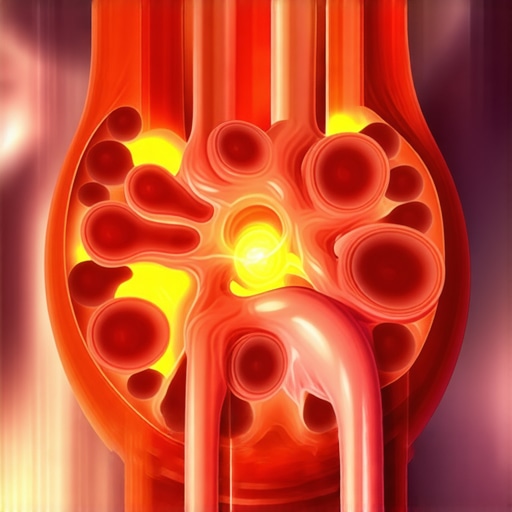
The Hidden Flaws in Your Blood Test That Could Jeopardize Your Kidney Health
You might think a routine blood test provides the full picture of your health, but you’re probably mistaken. Most standard blood panels are akin to checking the oil in your car and assuming the engine is fine — missing critical issues lurking beneath the surface. When it comes to kidney health, relying solely on the usual suspects can leave you blind to serious problems.
Here’s the hard truth: the medical world is still playing a game of omission. The typical panel often omits key kidney markers that can predict or even prevent catastrophic decline. Ignoring these vital signals is not just negligent; it’s downright dangerous. If you care about your long-term well-being, you need to understand what’s missing and why.
Let’s stop pretending that all blood tests are created equal. They’re not. And the worst part? Many of us are walking around with silent kidney damage simply because doctors don’t order the right tests. As I argued in this recent piece, the standard panel is outdated and incomplete. It’s like trying to judge a book by its cover — you miss the story that matters most.
The Market is Lying to You
Think your blood work tells the whole story? Think again. If your panel skips the critical kidney markers, your results are as meaningful as a weather forecast without the chance of rain. Do you know which markers are often overlooked? Without them, you’re flying blind. For example, markers like cystatin C, beta-2 microglobulin, or estimated glomerular filtration rate (eGFR) with creatinine alone — these are essential but often omitted.
It’s like preparing for a battle with half your arsenal. The unmentioned markers are the warning bells, the early alarms that can save your kidneys from irreversible damage. Skipping them is akin to ignoring the smoke while staring at the flickering flame. And as kidney disease silently advances, you’re left with few options — usually just dialysis or transplant.
To truly protect yourself, you should demand a more comprehensive approach. For example, consider testing these overlooked markers that can also influence renal health. Knowledge is power, but only if your tests are complete and accurate.
Why Doctors Miss the Signs
It’s not necessarily your doctor’s fault; medical guidelines often lag behind the science. Standard panels are built around what’s covered by insurance, not what’s critical for early detection. This systemic flaw leaves many vulnerable. The real question is: are you going to accept this half-measure as your health’s final word? Or will you take control?
Understanding the limitations of your blood work empowers you to ask smarter questions. Push for tests that include cystatin C, microalbuminuria, or even novel markers that predict tubular damage. If you’re serious about your kidney health, check out this resource for more options.
The bottom line: don’t settle for the bare minimum. Your kidneys are vital, and their decline often flies under the radar until it’s too late. The good news? You can change this game. It starts with demanding better testing and understanding what standard blood panels tend to ignore.
The Evidence: The Gaps in Standard Kidney Tests
Data consistently shows that the conventional blood panels used in routine checkups miss early signs of renal deterioration. For instance, relying solely on serum creatinine and estimated glomerular filtration rate (eGFR) can overlook subtle yet critical changes. A study published in the Journal of Nephrology highlighted that up to 40% of patients with early-stage kidney damage had normal creatinine levels, rendering standard tests blind to emerging issues. This isn’t a minor oversight; it’s a vital gap that leaves millions vulnerable.
Furthermore, key biomarkers like cystatin C and microalbuminuria have demonstrated superior sensitivity in detecting early renal impairment. These markers can reveal damage months or even years before traditional tests show abnormalities. Yet, they are often omitted from routine panels because of cost concerns and inertia within clinical guidelines. The absence of these markers in standard protocols isn’t accidental—it’s a consequence of systemic biases and financial incentives.
A Broken System: Systemic Flaws and Their Consequences
The problem isn’t merely technological; it’s rooted in the way healthcare operates. Insurance companies and regulatory bodies tend to favor tests that are quick, cheap, and broadly accepted—regardless of their comprehensiveness. Medical guidelines are updated at a sluggish pace, often lagging behind the latest scientific findings. As a result, practitioners are painted into a corner, compelled to order limited panels that meet regulatory and insurance standards, but omit critical early detection markers.
This stifling environment benefits entities that profit from late-stage treatments, such as dialysis. Dialysis companies and transplant centers stand to gain when early detection fails, because late-stage kidney failure is more lucrative and urgent. It’s a classic scenario where those with vested interests favor the status quo, even if it costs patients their kidneys and their lives.
Following the Money: Who Gains From Limited Testing?
Large pharmaceutical and medical device companies often develop and patent tests for biomarkers that could catch kidney issues early. However, these are rarely included in standard panels due to cost and regulatory barriers. Meanwhile, dialysis providers and transplant surgeons benefit from delayed diagnosis—patients who aren’t diagnosed early are steered toward their services, which generate billions annually.
In this context, the entrenched financial incentives explain why standard panels haven’t kept pace with scientific progress. The push for comprehensive testing isn’t driven by patient care but by profit motives that favor late intervention. This misalignment essentially props up a system where preventable kidney failure remains a persistent threat, cloaked under the guise of routine healthcare.
To connect the dots: the systemic flaws aren’t accidental; they are designed. The inertia in updating testing protocols, the suppression of more informative biomarkers, and the economic benefits rerouted to vested interests all serve to maintain a status quo that favors late-stage treatment over prevention. Recognizing this pattern exposes how the current system actively disadvantages patients seeking true early detection and care.
The Trap Now You Might Say Standard Tests Are Good Enough but That Oversimplifies the Issue
It’s easy to see why people trust the routine blood panels as enough for monitoring kidney health. After all, they are established, standardized, and covered by insurance. These tests seem to be the backbone of preventive medicine, giving peace of mind that nothing critical slips through the cracks. But this perception neglects the complex reality of early kidney disease detection and the limitations baked into these panels.
This Is the Wrong Question
I used to believe that sticking to conventional tests sufficed because they detect the obvious signs of nephropathy. Yet, as I delved deeper into the science, I realized that waiting for serum creatinine to rise is like waiting for a smoke alarm to go off before noticing a fire. The real danger lies in the silent, asymptomatic stages—those that standard tests never catch.
Rather than asking if standard tests are good enough, we should question why they consistently fail to detect early damage. The focus on familiar markers like creatinine and eGFR disregards a wealth of evidence that indicates there are better, more sensitive indicators—like cystatin C and microalbumin—that can spot trouble long before conventional methods do.
Responding to the Critics
Critics will say, “But these advanced markers are more expensive and not widely accepted.” To that I say: cost and acceptance are the very reasons why our current system is flawed. If early detection with superior biomarkers had adequate backing from insurance and guidelines, their usage would be routine. Instead, economic incentives and bureaucratic inertia create a barrier, fostering a system that prioritizes late treatment over prevention.
Another common argument is, “Doctors are doing their best with what guidelines recommend.” While well-intentioned, this overlooks the fact that guidelines lag behind scientific discoveries. Accepting outdated standards because they are more convenient perpetuates harm by delaying essential interventions. It’s not about blame but about recognizing systemic complacency.
The Elephant in the Room
Let’s confront the uncomfortable truth: the current healthcare paradigm implicitly favors late-stage interventions because they are more profitable. This isn’t just speculation; it’s a pattern rooted in systemic incentives that benefit those who profit from disease progression, not health. When early markers are ignored, it sustains a cycle of diagnosis delay and costly treatments—dialysis, transplantation—that line the pockets of corporations and specialists.
This exploitation of systemic flaws is why advancements in biomarker research often face resistance. It’s easier, more profitable even, to maintain the status quo than to overhaul testing protocols that depend on a web of entrenched interests. Recognizing this is the first step to demanding change that centers on patient well-being rather than corporate gain.
${PostImagePlaceholdersEnum.ImagePlaceholderC}
The Cost of Ignoring Kidney Health Signs Today
If we continue down this path of neglecting essential kidney markers in blood tests, we are setting ourselves up for a future fraught with unacceptable suffering and economic catastrophe. The stakes are skyrocketing, demanding urgent attention. The silent progression of kidney damage can soon turn catastrophic, leaving millions unprepared for the devastation ahead.
In the next five years, if current trends persist, the world will witness a surge in preventable kidney failures. Hospitals will be overwhelmed with patients suffering from end-stage renal disease, and the healthcare system will buckle under the weight of late diagnoses that could have been caught early. Chronic dialysis treatments will skyrocket, draining resources and stripping patients of their quality of life. The moral fabric of healthcare, which should prioritize early intervention, will fray as systemic neglect persists.
Think of ignoring early kidney warning signs as refusing to replace a broken dam while the water steadily rises. The slow leak becomes an unstoppable flood, devastating everything in its path. By neglecting comprehensive testing and ignoring evidence that points to early deterioration, we allow small cracks in our health to become insurmountable chasms. This chain reaction ultimately leads to irreversible damage, preventable suffering, and astronomical costs—an outcome nobody can afford.
It is a moral imperative to recognize that the system’s current shortcomings remain a significant barrier to early detection. Staying complacent is tantamount to signing a permission slip for widespread suffering. Our healthcare approach must shift from reactive to proactive—identifying and addressing issues long before they escalate. The choice is clear: either act now or accept the escalating disaster that awaits.
What are we waiting for? Every day we delay, the risk compounds. This negligence is like ignoring a cancerous growth until it metastasizes beyond control. The moment to act is NOW, because the window for preventing the worst outcomes is rapidly closing. The future we build hinges on our willingness to confront these systemic failures today, before the damage becomes irreversible.
Raise the Alarm Now
While most of us trust standard blood tests as the ultimate health check, we’re navigating blindfolded in the realm of kidney health. The truth is, these tests are missing the crucial early warning signs that could save your kidneys from irreversible damage. Relying on outdated markers is akin to trying to fix a leaky dam with a sponge; it simply doesn’t work.
Recognize that the system’s blind spots are deliberate. Many critical markers like cystatin C and microalbuminuria are systematically left out of routine panels because they aren’t as profitable or promoted. This systemic neglect means countless individuals walk around with silent kidney deterioration, oblivious to the looming threat.
It’s time to demand more from your healthcare. Challenge your doctor to include comprehensive markers that can detect kidney issues long before symptoms appear. Explore resources like 7 iodine markers for 2026 and other advanced testing options that can illuminate hidden risks.
Why the Risk Continues
The current diagnostic paradigm benefits a system that profits from late-stage illnesses. Companies and institutions profit when early signs go unnoticed, pushing patients toward costly treatments rather than prevention. If you think your blood test provides the full story, consider this: it likely doesn’t. The real threat is in the unseen, the undetected, the ignored.
Stand Up or Sit Back and Suffer
Are you prepared to accept the status quo, or will you push for the tests that matter? The choice is yours. Don’t wait for symptoms to become life-altering. Challenge the norm, advocate for comprehensive screening, and protect your kidneys before it’s too late.
The system’s silence on these vital markers is a quiet threat—one that could cost you everything. The time to act is now. Your future depends on the questions you ask today. Insist on the full picture, because your kidneys deserve nothing less.
Comments are closed.