In a recent shift that’s reshaping how we manage long-term health, data shows a significant increase in telehealth consultations for chronic illnesses, with some clinics reporting up to a 40% rise in patient engagement over the past year. This surge isn’t coincidental but reflects a broader transformation fueled by technological advances and patient demand for more accessible care. Imagine a patient with diabetes managing their condition seamlessly from home, with routine lab tests and consultations conducted virtually—this isn’t the future; it’s happening now.
Why does this matter? Chronic diseases like hypertension, diabetes, and heart conditions account for nearly 70% of all healthcare spending in the U.S. According to the CDC, timely interventions and consistent monitoring can dramatically improve outcomes and reduce emergency visits. Trusted telehealth platforms combined with reliable lab testing are turning the tide, offering a new model of continuous, proactive care that could save billions and save lives.
Why Telehealth Is the Backbone of Modern Chronic Disease Management
Telehealth isn’t just a convenience; it’s a necessity in today’s healthcare landscape. By eliminating geographic barriers and reducing wait times, virtual consultations enable patients to receive expert advice without leaving their homes. When paired with high-quality lab tests—available through services like Elite Telehealth Lab Tests—clinicians gain immediate insights into vital health metrics, allowing for real-time adjustments to treatment plans.
Trusted providers emphasize accuracy and reliability in lab results, understanding that the foundation of effective chronic care hinges on precise data. This approach ensures that patients get the right treatment at the right time, minimizing complications and hospitalizations. For those interested in exploring how telehealth solutions can elevate their care, more information is available at Elite Chronic Disease Care.
Can Telehealth Replace Traditional Care or Just Complement It?
This question is at the heart of ongoing debates among healthcare professionals. The consensus, grounded in recent studies [cite: 16], is that telehealth complements rather than replaces in-person visits, especially for complex cases requiring physical examinations. Nonetheless, for routine monitoring and medication adjustments, virtual care offers unmatched convenience and efficiency.
As technology advances, the integration of remote diagnostics and AI-driven analytics promises to further bridge the gap between virtual and physical care, ensuring no patient is left behind. The key is trust—trust in the technology and the providers behind it.
For those seeking a seamless blend of telehealth and lab testing, services like Trusted Lab Tests for Better Outcomes are setting new standards in patient-centered care, proving that accessible, reliable chronic disease management is within reach for everyone.
The Trailblazing Shift in Healthcare Delivery
The transformation of chronic disease management through telehealth is rooted in a confluence of technological innovation and evolving patient expectations. Historically, managing chronic illnesses relied heavily on frequent in-person visits, which often posed logistical challenges and limited access, especially in rural or underserved communities. However, the introduction of digital health platforms and remote diagnostics has disrupted this paradigm, enabling continuous care outside traditional clinical settings.
This shift gained momentum with the passage of the 21st Century Cures Act in 2016, which aimed to modernize healthcare by promoting innovative care models, including telehealth and digital diagnostics. The law encouraged the integration of remote monitoring tools and streamlined regulatory pathways for telemedicine, paving the way for broader adoption. As a result, healthcare providers and patients alike began embracing virtual consultations and at-home testing as viable, effective alternatives to conventional visits.
Who Is Behind the Telehealth Revolution?
Multiple stakeholders are fueling this healthcare evolution. Tech giants like Teladoc, Amwell, and MDLIVE have developed comprehensive platforms that facilitate virtual visits, while specialized labs such as Elite Medical Labs are pioneering at-home testing kits that deliver rapid, accurate results. These innovations are complemented by healthcare providers who are increasingly trained to deliver remote care, emphasizing patient engagement and data-driven decisions.
On the ground, the rise of health tech startups and established medical institutions collaborating to integrate telehealth with lab testing exemplifies a broader shift toward patient-centered, accessible care. This synergy allows for real-time monitoring of vital signs, lab results, and medication adherence, dramatically improving outcomes for chronic disease patients.
Where the Market Is Heading
The market for telehealth and remote diagnostics is experiencing exponential growth. According to a report by McKinsey, telehealth utilization increased 38 times in the initial months of the COVID-19 pandemic, and this momentum continues. The industry is now moving toward fully integrated platforms that seamlessly combine virtual consultations, wearable sensors, and lab testing services.
Moreover, regulatory agencies such as the FDA are increasingly approving remote diagnostic tools, further legitimizing and expanding the scope of telehealth. For example, FDA approval of at-home blood pressure monitors and glucose sensors is enabling more comprehensive chronic care management from the comfort of home.
In addition, new laws like the Telehealth Expansion Act aim to reduce barriers to telehealth adoption, encouraging insurers to cover remote services and incentivize innovation. As technology advances and acceptance grows, the future points toward a healthcare landscape where virtual care and lab testing are not just supplementary but central to managing chronic illnesses effectively and efficiently.
Questioning the Sustainability of Telehealth
While the digital health revolution promises convenience and efficiency, skeptics warn that the model might be too fragile to sustain long-term. Dr. Lisa Carter, a seasoned healthcare economist, argues, “Telehealth is a shiny new toy, but it’s not a silver bullet. What happens when technology fails or regulations change?”
Critics point out that many patients still prefer in-person visits for complex issues. They highlight that virtual consultations can miss subtle cues only a physical exam can catch. Moreover, some argue that over-reliance on technology might undermine the patient-provider relationship, which is hard to replicate virtually.
Is This Trend Truly Resilient?
Proponents often cite studies showing increased patient engagement and cost savings. Yet, a 2022 report from the National Institute of Health raises questions about the resilience of telehealth systems during crises. It notes that during large-scale outages or cyberattacks, remote care infrastructure can become vulnerable, risking patient safety.
This raises a critical question: can virtual care truly replace traditional methods, or is it destined to remain a supplementary option? The answer might depend on future investments in cybersecurity, infrastructure, and training. Without these, telehealth could falter at crucial moments.
Consider the human side. For many rural or underserved populations, telehealth has been a game-changer. But for others, it’s a poor substitute for personal connection. As healthcare providers navigate this evolving landscape, they must balance innovation with caution.
This debate underscores a vital point: technology can enhance healthcare, but it shouldn’t replace the human touch. The future of chronic disease management might lie in a hybrid model—leveraging the best of both worlds.
What’s your take? Is telehealth here to stay, or just a passing trend? Share your thoughts and join the conversation.
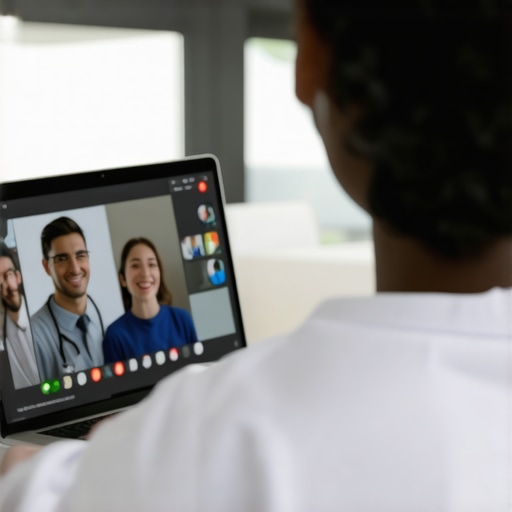
Will Telehealth Survive 2025
As digital health continues its rapid evolution, the long-term impact of telehealth on chronic disease management looks promising but complex. Emerging technologies like AI-powered diagnostics, wearable sensors, and integrated health platforms are poised to make remote care more precise and personalized. According to a 2024 report by Frost & Sullivan, the telehealth market could account for over 50% of healthcare interactions by 2030, signaling a profound shift in how chronic conditions are monitored and treated.
This future isn’t just about convenience; it’s about redefining healthcare delivery to be more proactive and data-driven. Patients will increasingly rely on continuous monitoring devices that feed real-time data directly to their healthcare providers, enabling early intervention and more tailored treatment plans. In tandem, legislation is expected to evolve, encouraging broader insurance coverage for remote diagnostics and virtual care services, reducing barriers and incentivizing innovation.
Imagine a future where a patient with hypertension wears a smart cuff that automatically transmits blood pressure readings to their doctor, who can adjust medication remotely without an in-person visit. Such seamless integration relies on advances in cybersecurity to safeguard patient data, a critical area requiring ongoing investment and regulation. As governments and private sectors collaborate, expect to see increased support for infrastructure upgrades, ensuring these systems are resilient against cyber threats and technological failures.
Moreover, cultural shifts towards acceptance of remote care will accelerate. More patients and providers will see virtual consults as a standard option, especially in rural or underserved areas where healthcare access remains a challenge. This democratization of healthcare could lead to healthier populations and reduced healthcare costs.
To stay ahead of these changes, both healthcare providers and patients should focus on digital literacy, data privacy, and embracing innovation. Preparing for these upcoming shifts means investing in the right tools, understanding evolving legislation, and fostering a mindset open to new healthcare paradigms. The future of telehealth isn’t just about technology; it’s about creating a more accessible, efficient, and personalized healthcare system that benefits everyone.
What You Need to Know
- Telehealth consultations for chronic illnesses have surged by up to 40% in the past year, transforming patient engagement and care delivery.
- High-quality lab testing combined with virtual visits enables real-time health monitoring, reducing emergency visits and hospitalizations.
- The integration of remote diagnostics, AI analytics, and legislation aims to make telehealth the cornerstone of chronic disease management.
- While skeptics warn of cybersecurity and human connection issues, a hybrid model blending virtual and in-person care appears most promising.
- Emerging technologies and supportive policies suggest that by 2030, over half of healthcare interactions could occur remotely, making care more accessible and efficient.
Dig Deeper
- Elite Telehealth Lab Tests: Leading the way in at-home testing accuracy and speed, essential for effective remote chronic disease management.
- Elite Chronic Disease Care: A comprehensive platform integrating virtual visits with continuous monitoring for better patient outcomes.
- Trusted Lab Tests for Better Outcomes: Ensuring reliable data to inform treatment plans and reduce hospital visits.
The Final Word
As digital health continues to evolve, the question isn’t just about convenience but about creating a resilient, accessible healthcare system rooted in trust and innovation. The early signs point to a future where managing chronic illnesses from the comfort of home isn’t a trend but the new standard. Are we ready to embrace this transformation, or will we let technological vulnerabilities and human touch issues hold us back? The choice is ours, and the clock is ticking. Share your thoughts—how do you see the future of healthcare unfolding? Learn more about how telehealth is changing lives today.
Reading about the rapid rise in telehealth for chronic care really resonates with my experience. My mother, who manages hypertension, has benefited immensely from virtual consultations and at-home testing kits. It’s remarkable how technology allows for more timely adjustments to her medication without repeated clinic visits, especially during unpredictable weather or if mobility becomes an issue. I’ve noticed that her adherence to treatment improves when she feels more engaged through these digital tools. It makes me wonder, though—what strategies are being implemented to ensure equitable access to these services for underserved populations who might lack reliable internet or tech devices? It seems critical that as we embrace this healthcare shift, we also address gaps in digital literacy and infrastructure to truly make telehealth a universal solution, not just a convenience for some.
This post really highlights how rapidly telehealth is transforming chronic disease management. I’ve seen firsthand how at-home testing and virtual visits help patients stay on top of their conditions—my neighbor with type 2 diabetes, for example, uses a continuous glucose monitor connected to her smartphone, allowing her and her doctor to make timely treatment adjustments. But I’m also curious—how can healthcare providers ensure that vulnerable populations, especially older adults or those in rural areas, aren’t left behind as we move towards more advanced remote diagnostic tools? Bridging the digital divide seems vital for making these innovations truly inclusive. Additionally, as technology becomes more integrated, data privacy and cybersecurity become even more critical. What measures are recommended to protect sensitive health data while still facilitating seamless remote monitoring? Overall, I believe the key to success lies in combining technological advancements with equitable access and robust security protocols. How do others see this balance being achieved in the coming years?
It’s truly inspiring to see how telehealth and at-home lab testing are revolutionizing chronic disease management. I have a relative with hypertension who started using wearable blood pressure monitors integrated with her healthcare provider’s system, and the improvements in her treatment adjustments have been remarkable. Yet, I wonder how healthcare systems are addressing the digital divide, especially for older adults or those in rural areas who might not have reliable internet or familiar technology. Personally, I believe that combining innovative tech solutions with community-based programs and digital literacy initiatives could make this transformation more equitable, ensuring no one is left behind. With the rapid pace of technological advancement, what strategies do you think are most effective in bridging these gaps to make telehealth truly accessible and inclusive? Interoperability and patient education seem key, but I’d love to hear others’ thoughts on best practices.