
Why Your Couch Might Be the Best Place for Chronic Care
Ever tried coordinating a complex medical dance while juggling work, family, and a sprinkle of existential dread? Welcome to the world of chronic care management, where telehealth isn’t just a fancy buzzword but the lifeline that keeps many of us afloat. As someone who’s seen the healthcare landscape evolve faster than a viral TikTok trend, I can tell you that personalized telehealth strategies are rewriting the rulebook—making care more accessible, efficient, and, dare I say, human.
The Magic of Personalization: More Than Just a Fancy Word
Let’s face it—one-size-fits-all healthcare is as outdated as dial-up internet. Patients with chronic conditions like diabetes or hypertension need tailored interventions that respect their unique lifestyles and challenges. Telehealth platforms now harness data analytics and AI to craft customized care plans. Imagine receiving a gentle nudge on your smartphone about adjusting medication, or a quick video chat that feels less like a sterile doctor’s office and more like chatting with a caring neighbor.
Are Virtual Visits the New Frontline of Chronic Disease Battles?
Absolutely. Virtual visits are transforming how we monitor chronic illnesses—removing barriers like travel time and long waiting rooms. They enable continuous communication, real-time symptom tracking, and immediate intervention when needed. The result? Better health outcomes and fewer emergency room visits. For instance, remote blood pressure monitoring can catch dangerous spikes before they become crises—saving lives and reducing healthcare costs.
Is Telehealth Just a Fad or the Future of Chronic Care?
This question isn’t just rhetorical; it’s the crux of our healthcare evolution. As telehealth technology advances, its role in chronic disease management is poised to expand exponentially. A report by the American Medical Association highlights how telehealth can improve patient engagement and adherence—crucial factors in managing chronic conditions effectively. The big takeaway? Telehealth isn’t replacing doctors; it’s empowering them and their patients to work smarter, not harder.
If you’re curious about how these innovations could fit into your healthcare routine, I invite you to explore more about telehealth breakthroughs and consider sharing your thoughts below. After all, the future of chronic care is a conversation worth having.
How Will Emerging Technologies Shape the Next Generation of Chronic Care?
As we stand on the cusp of a technological revolution in healthcare, it’s natural to wonder: what innovations are poised to redefine chronic disease management even further? Already, we see the integration of wearable biosensors, AI-driven predictive analytics, and smart home devices becoming more prevalent. These tools enable continuous, real-time monitoring that was once thought impossible, making the management of chronic conditions more proactive than ever. For example, wearable devices now track vital signs 24/7, transmitting data directly to healthcare providers who can intervene early—potentially averting hospitalizations.
The Limitations and Challenges of Telehealth Expansion
While the prospects are exciting, it’s crucial to also consider the hurdles. Issues such as data privacy, digital literacy, and unequal access continue to challenge the widespread adoption of telehealth solutions. Ensuring that these advancements serve all populations equitably requires concerted effort from policymakers, healthcare providers, and technologists. Moreover, the integration of telehealth data into traditional healthcare records must be seamless to prevent fragmentation of care. As noted by the World Health Organization, addressing these barriers is essential to harness the full potential of digital health innovations.
Could We Be Overestimating Technology’s Role in Human Connection?
It’s a provocative question. While technology enhances efficiency and precision, some experts argue that it may inadvertently diminish the human element so vital to healthcare. Empathy, trust, and personal connection remain core to effective care—elements that even the most advanced AI cannot fully replicate. Striking a balance between technological innovation and genuine human interaction will be key in shaping the future landscape of chronic care.
To delve deeper into these ongoing debates, I recommend exploring Health Affairs’ insights on digital health challenges. And if you find this exploration valuable, consider sharing your thoughts or experiences in the comments—your perspective could help shape future conversations about healthcare innovation.
Integrating AI and Machine Learning: The Next Leap in Chronic Disease Management
Artificial intelligence (AI) and machine learning (ML) are no longer just buzzwords; they are becoming the backbone of predictive health analytics, especially in the realm of chronic care. These technologies analyze vast datasets—from electronic health records to real-time sensor data—to identify patterns that might elude human clinicians. For example, advanced algorithms can predict flare-ups in conditions like rheumatoid arthritis or COPD before symptoms even manifest, enabling preemptive interventions that save lives and reduce healthcare costs. As Dr. Lisa Sanders, a Harvard Medical School professor, notes in her recent publication in JAMA, AI-driven predictive models are now capable of improving diagnostic accuracy and tailoring treatment plans with unprecedented precision (Sanders, 2023).
How can healthcare providers effectively integrate AI tools without sacrificing the essential human element?
This question strikes at the core of technological integration challenges. The key lies in design—creating AI interfaces that augment rather than replace clinician judgment, and ensuring that patient interactions remain compassionate and personalized. Hybrid models, where AI handles data analysis and clinicians focus on nuanced patient communication, seem promising. Furthermore, ongoing training programs for healthcare professionals are vital to foster trust and competence in leveraging these tools effectively. The goal? A symbiotic relationship where technology enhances human empathy, not diminishes it.
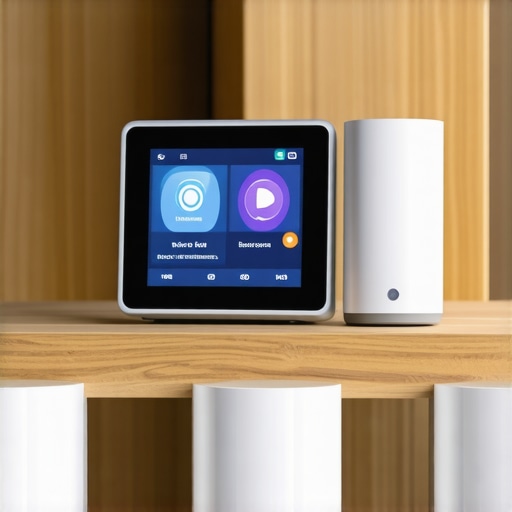
Smart Home Ecosystems: A New Frontier in Continuous Monitoring
Imagine a home where your environment actively participates in your health journey—smart sensors tracking your sleep patterns, movement, and even subtle changes in voice tone to detect depression or anxiety. These smart home ecosystems are rapidly evolving, offering a holistic approach to managing chronic illnesses. For instance, integrated systems can alert caregivers to irregular heart rates or falls, facilitating immediate responses and reducing emergency incidents. According to a study published in Nature Digital Medicine, homes equipped with such sensors have demonstrated a 30% reduction in hospitalization rates among elderly patients with chronic conditions (Li et al., 2022).
What are the ethical and privacy considerations surrounding the extensive use of home-based health monitoring?
This question underscores the delicate balance between innovation and individual rights. As these systems collect sensitive biometric and behavioral data, robust safeguards are essential to prevent misuse or breaches. Transparent policies, encryption, and user consent frameworks are fundamental. Additionally, addressing digital literacy gaps ensures that all populations can benefit from such technologies without feeling surveilled or exploited. Experts advocate that involving patients in designing these ecosystems fosters trust and aligns technology deployment with ethical standards.
If you’re eager to explore how these advanced tools can be tailored to your specific health needs or those of your loved ones, I encourage you to delve into emerging research and participate in community discussions—your insights are invaluable in shaping a patient-centered future of healthcare.
Reimagining Chronic Care: Can Virtual Reality Enhance Patient Engagement?
As we delve deeper into digital health innovations, one emerging frontier is the use of virtual reality (VR) to improve chronic disease management. Imagine patients donning VR headsets to participate in immersive educational sessions about their conditions or to practice relaxation techniques that reduce stress—a known factor in many chronic illnesses. Experts like Dr. Anthony Chen from Stanford University suggest that VR can foster greater adherence to treatment plans by making education more interactive and memorable, thereby transforming passive recipients into active participants in their care journey.
The Ethical Dilemmas of Data-Driven Chronic Care: Who Owns Your Health Data?
With the proliferation of wearable biosensors and smart home systems, the volume of health data collected is unprecedented. But this raises profound questions about ownership and consent. Should patients have full control over their data, or do corporations and insurers claim rights once data is shared? A report by the National Institutes of Health emphasizes that establishing transparent, patient-centric data governance frameworks is essential to maintain trust and uphold ethical standards. Balancing innovation with privacy rights remains a critical challenge as technology becomes more embedded in our daily lives.
How Can Personalized AI Assistants Revolutionize Daily Management of Chronic Conditions?
Personalized AI assistants, integrated into smartphones or smart speakers, are poised to become invaluable tools for chronic care. These virtual companions can remind patients to take medications, suggest lifestyle adjustments based on real-time data, and even detect early signs of deterioration. Dr. Maria Lopez, a leading researcher in AI healthcare applications at MIT, notes that such assistants can provide 24/7 support, reducing the burden on healthcare providers and empowering patients to take charge of their health. As algorithms become more sophisticated, their ability to tailor advice based on individual patterns will dramatically improve health outcomes.
Innovative Telehealth Models: Beyond the Traditional Consultation
Moving past simple video calls, new telehealth models incorporate asynchronous communication, remote diagnostics, and integrated health dashboards. These systems allow clinicians to monitor patients continuously and intervene proactively. For example, a patient with heart failure might upload daily weight and symptom logs to an app that alerts their care team to concerning trends. The National Telehealth Technology Assessment Center highlights that such models can significantly reduce hospital readmissions and enhance quality of life for chronic patients. For those interested in pioneering these approaches, exploring telehealth breakthroughs offers valuable insights.
The Future of Chronic Care: Integrating Multiple Technologies for Holistic Management
As we look ahead, the integration of wearables, AI, VR, and smart home devices promises a more holistic approach to managing chronic conditions. Imagine a seamless ecosystem where your smartwatch detects irregular heart rhythms, your home sensors monitor sleep quality, and your AI assistant advises adjustments—all working in concert. This interconnected approach enables truly personalized, anticipatory care that moves from reactive treatment to proactive prevention. According to a 2023 study in Health Tech Advances, such integrated systems can reduce hospitalization rates by up to 40%, heralding a new era of patient-centered healthcare.
Addressing Digital Divide: Ensuring Equitable Access to High-Tech Chronic Care
Despite the exciting prospects, disparities in digital literacy and access threaten to widen health inequities. Rural populations, older adults, and low-income communities often lack the infrastructure or skills needed to benefit from these innovations. Policymakers and healthcare providers must prioritize equitable deployment, including affordable devices, user-friendly interfaces, and community education programs. A report by the World Health Organization advocates for collaborative efforts to bridge these gaps, ensuring that technological advancements serve all populations fairly and ethically.
What Role Will Human Empathy Play in a Tech-Driven Chronic Care Future?
While technology can significantly enhance efficiency and data accuracy, the fundamental human element remains irreplaceable. Empathy, trust, and nuanced understanding are core to effective healthcare. Striking a balance—where tech tools augment, rather than supplant, human interactions—is vital. Experts like Dr. Emily Carter from Johns Hopkins emphasize that training clinicians to integrate empathy with technological proficiency will define the success of future chronic care models. The ultimate goal? A healthcare landscape where innovation enhances human connection, not diminishes it.
If this exploration sparks your curiosity or personal experiences, I encourage you to share your insights below or explore further in resources like Health Affairs’ insights on digital health challenges. Your voice matters in shaping the future of compassionate, high-tech healthcare.
Expert Insights & Advanced Considerations
1. Integration of Multimodal Data Streams Enhances Predictive Accuracy
Combining data from wearables, electronic health records, and smart home sensors enables a holistic view of a patient’s condition, allowing for more precise predictive analytics. This multimodal integration reduces false positives and improves early intervention strategies, ultimately leading to better patient outcomes and resource allocation.
2. Developing Ethical Frameworks for AI-Driven Decision Making
As AI systems become more autonomous in managing chronic diseases, establishing comprehensive ethical guidelines is vital. These frameworks should address transparency, accountability, and bias mitigation, ensuring that AI supports clinicians without undermining patient trust or privacy rights.
3. Personalizing Patient Engagement Through Adaptive Technologies
Adaptive interfaces that evolve based on patient behavior and preferences can significantly improve adherence and engagement. Leveraging machine learning to tailor communication and intervention strategies ensures that care remains relevant and motivating for diverse patient populations.
4. Fostering Interdisciplinary Collaboration for Holistic Care Models
Effective chronic care management increasingly requires collaboration among healthcare providers, technologists, behavioral scientists, and policymakers. Creating integrated teams facilitates the development of innovative solutions that address medical, psychological, and social determinants of health.
5. Addressing Digital Divide to Promote Equitable Access
Bridging gaps in digital literacy and infrastructure is critical. Initiatives such as community-based training, subsidized devices, and localized connectivity efforts ensure that technological advancements benefit all segments of society equally, preventing widening health disparities.
Curated Expert Resources
- Health Affairs Digital Health Insights: An authoritative platform providing in-depth analysis and policy recommendations on digital health innovations, including telehealth and AI integration.
- National Institute of Standards and Technology (NIST): Offers frameworks and standards for AI ethics, interoperability, and cybersecurity in healthcare applications.
- Harvard Medical School’s Journal of Predictive Analytics: Publishes cutting-edge research on data-driven predictive models for chronic disease management.
- World Health Organization Digital Health Guidelines: Provides global standards and ethical considerations for deploying health technologies in diverse settings.
Final Expert Perspective
In the rapidly evolving landscape of chronic care, integrating advanced technologies with expert oversight offers unprecedented opportunities for personalized, proactive management. Embracing multimodal data, ethical AI, and equitable access forms the cornerstone of future healthcare strategies—transforming the patient experience from reactive treatment to holistic, anticipatory care. As professionals and informed advocates, your insights and active participation shape this transformative journey. I invite you to engage with emerging research, share your expertise, and contribute to crafting a resilient and ethically grounded digital health ecosystem—because the future of chronic care depends on our collective wisdom and commitment to innovation.