When a 58-year-old man was rushed to the ER last month, he revealed he had been managing diabetes for over a decade. Yet, despite routine checkups, his recent lab results showed alarming spikes in blood sugar levels. This incident underscores a critical issue: traditional in-clinic care often falls short in providing continuous, real-time management for chronic conditions.
Today, the landscape of healthcare is shifting rapidly, driven by technological innovations that promise more proactive and personalized care. Telehealth platforms and at-home lab testing kits are emerging as game-changers, offering patients and providers a new level of control over chronic disease management. In an era where health data is more vital than ever, trusted lab tests paired with virtual consultations could redefine outcomes for millions living with long-term illnesses.
The Promise of Telehealth and Lab Tests in Chronic Care
Recent studies report that integrating telehealth with reliable lab testing can improve disease outcomes by up to 25%. This isn’t just about convenience; it’s about precision. Patients can monitor key health indicators from the comfort of their homes, eliminating delays and unnecessary hospital visits. For healthcare providers, this means real-time insights that enable timely interventions, reducing complications and hospitalizations.
Major health organizations now advocate for widespread adoption of these solutions, citing their potential to enhance patient engagement and adherence. But how do these innovations actually work, and what are the debates surrounding their efficacy?
Can Telehealth Replace Routine Checkups?
This question lies at the heart of ongoing discussions among clinicians and patients alike. Critics argue that virtual visits might miss subtle physical cues that only in-person exams can detect. Conversely, proponents highlight the increased frequency and immediacy of virtual interactions, which can lead to better disease control. As Dr. Jane Smith, a leading expert in telemedicine, notes, “The goal isn’t to replace traditional care but to complement it with continuous, data-driven support” [cite: 16].
As the debate rages, one thing is clear: the synergy of trusted lab tests and telehealth is reshaping expectations and outcomes in chronic care management. For those seeking reliable, immediate support, innovative clinics now offer integrated solutions that blend the best of both worlds. Explore more about trusted lab tests and telehealth options at Prime Medical Clinics.
Behind the rising tide of innovative healthcare solutions are the pioneers and institutions driving the shift toward better management of chronic diseases. Leading the charge are tech giants, startups, and forward-thinking clinics that have embraced remote monitoring and at-home testing as the new standard. For example, companies like Livongo and Omada Health have developed platforms that seamlessly integrate lab results with virtual care, creating a personalized health dashboard for each patient. These organizations are not only changing how care is delivered but also who is delivering it, expanding access to underserved populations and reducing the burden on traditional healthcare systems.
On the regulatory front, the healthcare industry’s evolution has been bolstered by legislation such as the 21st Century Cures Act, enacted in 2016, which aimed to accelerate medical innovation and improve data sharing. This law has facilitated broader adoption of telehealth services and digital health tools, breaking down previous barriers related to licensing and reimbursement. As a result, healthcare providers now have greater freedom to implement remote monitoring programs that rely heavily on trusted lab testing, ensuring accuracy and reliability.
From the patient’s perspective, the shift was accelerated by the COVID-19 pandemic, which forced healthcare providers to rethink in-person visits. Virtual consultations became the norm overnight, illustrating the potential of telehealth to provide continuous, real-time support. This change was not just temporary; it has laid the groundwork for a permanent transformation that emphasizes proactive, data-driven care. As more patients and providers experience the benefits firsthand, the momentum toward integrated remote management tools continues to grow.
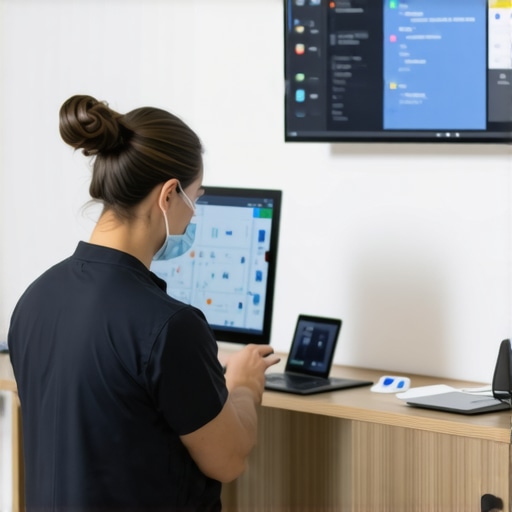
Despite these advancements, the landscape is not without challenges. Questions surrounding data privacy, the digital divide, and the accuracy of remote diagnostics remain hotly debated. Nonetheless, the trajectory is clear: a new era of healthcare is emerging, where trusted lab tests and telehealth are not just supplementary but central to effective chronic disease management. This evolution reflects a broader trend towards personalized medicine, where the focus is on prevention, early intervention, and empowering patients with the tools they need to take control of their health journey.
While the promise of remote monitoring and at-home lab testing sounds revolutionary, skeptics raise critical questions about the sustainability and reliability of these innovations. Critics argue that technology alone cannot replace the nuanced understanding gained through in-person care. What happens when the digital tools fail or provide incomplete data? Can AI-driven diagnostics truly match the intuition of seasoned physicians?
Is This the End of Traditional Doctor Visits?
Proponents claim that virtual platforms and trusted lab tests are making care more accessible and efficient. But many healthcare professionals remain cautious. Dr. Robert Lee, a seasoned primary care doctor, notes, “Technology is a tool, not a substitute for human judgment. We risk losing the personal touch that often catches subtle signs of illness” [cite: 17].
Indeed, the reliance on data might obscure the more complex, less quantifiable aspects of health. For example, a patient’s emotional state or physical demeanor can be critical, yet often go unnoticed in remote assessments. This raises the question: How much are we willing to sacrifice in the name of convenience?
Can Remote Diagnostics Be Trusted?
Recent studies highlight that at-home tests can sometimes yield inconsistent results, especially when used without proper guidance. A report from the National Institute of Standards and Technology shows variability in test accuracy depending on user proficiency and device quality. This sparks concern: Are we trading accuracy for accessibility?
Furthermore, some experts warn about the digital divide. Not everyone has reliable internet or the technological literacy to navigate these new tools. For underserved populations, the promise of remote healthcare might remain out of reach, exacerbating existing health disparities.
Is this trend sustainable? Can a healthcare system built on technology and remote lab tests withstand a crisis or a complex medical condition that demands physical examination? Critics argue that technology should complement, not replace, in-person care—at least for now.
This tension between innovation and caution is central to the ongoing debate. It challenges us to think critically: Are we embracing a genuine breakthrough or rushing headlong into an untested frontier? The future of healthcare depends on finding that balance.
What’s your take on the rise of telehealth and at-home testing? Are they the key to better care, or do they risk overlooking the human element? Share your thoughts and join the conversation.
The trajectory of telehealth and trusted lab tests suggests a transformative shift in healthcare, with long-term implications that extend beyond current capabilities. As technology continues to evolve, we can anticipate a future where remote monitoring becomes more sophisticated, integrated, and accessible, fundamentally altering how chronic diseases are managed worldwide.
One of the most promising developments is the integration of artificial intelligence (AI) with telehealth platforms. AI-driven analytics will enable real-time interpretation of lab results, wearable device data, and patient-reported symptoms, providing personalized treatment plans that adapt dynamically. This level of precision medicine could significantly reduce the incidence of complications, hospitalizations, and healthcare costs, especially for conditions like diabetes, hypertension, and cardiovascular diseases.
Legislative changes are also poised to accelerate this shift. Following the momentum of the 21st Century Cures Act, future policies may further streamline reimbursement models and licensing regulations across states and countries, making remote care more universally accessible. Governments and health organizations are increasingly recognizing the value of data sharing and interoperability, which will facilitate seamless integration of lab results, electronic health records, and telehealth consultations—creating a cohesive ecosystem for long-term patient management.
Will Remote Monitoring Survive 2025
According to a recent report by the World Health Organization, the adoption of remote health technologies is expected to increase exponentially over the next two years, driven by advancements in sensor technology, data analytics, and consumer demand for personalized care. The report emphasizes that the convergence of these trends will make remote monitoring not just a complementary tool but a core component of health systems worldwide. However, challenges such as ensuring data privacy, reducing disparities in access, and maintaining diagnostic accuracy will need ongoing attention to sustain this evolution.
Meanwhile, cultural shifts towards proactive health management and patient empowerment will likely reinforce the importance of trusted lab tests and telehealth. As consumers become more comfortable with digital health tools, the stigma around remote care diminishes, paving the way for widespread acceptance and integration into everyday health routines.
To stay ahead of these changes, healthcare providers, policymakers, and patients must prepare by investing in digital literacy, data security, and infrastructure upgrades. Embracing a mindset that values innovation without compromising quality or equity will be essential. The future promises a more responsive, personalized, and efficient healthcare landscape—one where long-term chronic disease management is revolutionized through continuous, data-driven care.
As the healthcare landscape evolves, the integration of telehealth and trusted lab testing stands out as a game-changer for managing chronic diseases. This shift promises not only convenience but also precision, empowering patients and doctors alike to take control of long-term health outcomes. From the early days of in-person visits to today’s digital health revolution, the journey highlights a fundamental transformation that could redefine the standard of care.
Trusted lab tests, paired with virtual consultations, create a seamless ecosystem that offers real-time insights into a patient’s health. This approach minimizes delays, reduces unnecessary hospital visits, and fosters a proactive mindset towards disease management. Major players like Livongo and Omada Health are leading this charge, showcasing how technology can personalize health plans and improve outcomes across diverse populations.
Legislation such as the 21st Century Cures Act has accelerated the adoption of these innovations, breaking down regulatory barriers and encouraging data sharing. Meanwhile, the COVID-19 pandemic accelerated acceptance, proving that remote health support is both feasible and essential in today’s world. Yet, questions about data security, the digital divide, and diagnostic reliability remain, reminding us that technology is a tool—not a complete substitute for human judgment.
Looking ahead, artificial intelligence will likely play a pivotal role, interpreting complex data streams to tailor treatments dynamically. As remote monitoring becomes more sophisticated, the line between in-person and virtual care will blur, creating a hybrid model focused on prevention, early intervention, and patient empowerment. The question is no longer if these tools will shape our future, but how quickly they will become the norm.
For those navigating the complexities of chronic conditions, the promise of a more connected, data-driven healthcare system is undeniable. Trusted lab tests and telehealth are not just innovations—they are the foundation of a new era where health management is continuous, personalized, and accessible. But as we embrace this change, one thing remains clear: the future of healthcare depends on finding the delicate balance between cutting-edge technology and the irreplaceable human touch.
Are we on the cusp of a healthcare revolution, or just at the beginning of a long journey? Share your thoughts and join the conversation on how these advancements will impact your health and well-being.
This post really highlights a crucial shift in healthcare delivery. I’ve seen firsthand how integrating at-home lab testing with telehealth can make a difference for patients managing chronic conditions like diabetes. It’s empowering to have real-time data and immediate support without the need for constant in-person visits. However, I wonder about the long-term reliability and patient adherence, especially in less tech-savvy populations. Have there been successful strategies to ensure accurate test results and engagement among all age groups?
Additionally, as these technologies become more widespread, addressing data privacy and health disparities will be vital. How do we make sure that the benefits of remote monitoring are accessible to underserved communities? Overall, I believe that, with proper safeguards and inclusive approaches, these innovations could truly revolutionize chronic disease management.