Why Wait in Line When Help Can Come to You?
Ever found yourself in a medical pinch, wondering if a trip to the ER is your only option? Well, hold tight! The landscape of healthcare is shifting, and now you can access Fast & Reliable Urgent Care Near You with just a few clicks or a quick visit to a local clinic. It’s like having a trusted doctor in your pocket—ready to deliver immediate relief without the hassle of long waits and endless paperwork.
What’s the Secret Sauce Behind Quick Medical Relief?
Is Convenience Killing Traditional Healthcare?
Let’s be honest: waiting rooms are the worst. They’re filled with coughing strangers, uncomfortable chairs, and enough tension to power a small city. Fortunately, many clinics now offer telehealth solutions that bring expert medical support right to your living room. Whether it’s a sudden fever, a minor injury, or chronic condition flare-ups, these services are designed for speed and dependability. You can find trusted providers offering lab tests, diagnosis, and treatment plans all remotely, ensuring you get the care you need without leaving your couch.
For instance, check out Prime Medical Clinics’ telehealth solutions. They’re revolutionizing urgent care, making it accessible, fast, and trustworthy—perfect for today’s busy lives.
Chasing the Myth ofBeyond the Basics: How Telehealth and Lab Tests Transform Chronic Disease Care
Imagine a world where managing your chronic condition is as simple as a virtual visit and a quick lab test—no more waiting rooms, no more missed appointments, just seamless, personalized care at your fingertips. This is not just a future dream; it’s the reality many healthcare providers are now delivering through innovative telehealth platforms and reliable lab testing services.
Why Are Telehealth and Lab Tests Critical for Chronic Disease Control?
Chronic diseases like diabetes, hypertension, and heart disease require ongoing monitoring and timely adjustments to treatment plans. Traditional in-person visits, while essential, can be inconvenient and sometimes insufficient for real-time management. Telehealth services bridge this gap by providing remote consultations, medication management, and symptom tracking, which are crucial for maintaining optimal health outcomes.
Complementing telehealth are trusted lab tests, which enable precise tracking of key health markers. Regular lab testing helps catch potential complications early, ensuring proactive intervention. For example, lab tests for blood sugar levels or cholesterol are vital for patients managing diabetes or cardiovascular conditions. Integrating these tests with telehealth consultations creates a comprehensive care cycle that is both efficient and effective.
The Power of Telehealth-Enabled Lab Testing: A Game Changer
Partnering telehealth with reliable lab testing services enhances patient adherence and engagement. Patients can visit nearby clinics for quick sample collection, and results are seamlessly transmitted to their healthcare provider for review. This approach minimizes unnecessary visits and accelerates decision-making, empowering patients to take control of their health.
For example, Prime Medical Clinics offers integrated telehealth and lab testing solutions that ensure continuity of care for chronic disease patients. These services are designed to deliver fast, reliable results, guiding personalized treatment adjustments swiftly and accurately.
What’s the Expert Take on Remote Chronic Disease Management?
Are We Truly Ready for Fully Virtual Chronic Care?
Leading healthcare authorities emphasize that remote management tools can significantly improve patient outcomes when integrated properly. According to a 2022 report by the World Health Organization, telehealth has the potential to enhance access, reduce disparities, and foster patient-centered care models. However, it requires robust infrastructure, trained personnel, and patient education to realize its full benefits.
Despite these advancements, some skeptics argue that certain aspects of chronic disease care—such as physical examinations and complex interventions—still demand in-person attention. The key is finding a balanced approach that leverages technology for routine monitoring while reserving face-to-face visits for specialized procedures. This hybrid model ensures comprehensive care without sacrificing convenience or quality.
Interested in how telehealth and lab testing can revolutionize your chronic disease management? Don’t hesitate to explore trusted providers like Prime Medical Clinics for tailored, accessible health solutions. Share your thoughts or experiences below—how has remote care impacted your health journey? For more insights into innovative healthcare, check out our comprehensive guides on trusted telehealth lab testing and chronic disease management strategies.
Unveiling the Future: How Remote Monitoring and Personalized Data Drive Chronic Disease Control
In the rapidly evolving landscape of healthcare, the integration of advanced telehealth platforms with sophisticated lab testing is transforming the way we approach chronic disease management. This synergy not only enhances patient engagement but also facilitates a proactive, data-driven approach to health, ultimately reducing complications and improving quality of life.
What Are the Cutting-Edge Technologies Enabling Precision in Remote Chronic Care?
Recent innovations have introduced wearable devices and connected health sensors capable of continuous monitoring of vital signs such as blood glucose, blood pressure, and heart rhythm. These devices, linked seamlessly with telehealth applications, allow real-time data transmission to healthcare providers. The result? Immediate adjustments to treatment plans based on current metrics, rather than relying solely on episodic in-clinic visits. For example, continuous glucose monitors (CGMs) for diabetics provide ongoing insights that empower both patients and clinicians to make informed decisions proactively.
According to a 2023 report by the National Institutes of Health, the integration of these devices into standard care protocols has shown significant reductions in hospitalizations and disease progression for chronic conditions such as congestive heart failure and diabetes.
Enhancing Data Accuracy and Patient Compliance through Smart Lab Testing
Traditional lab tests, once confined to periodic in-clinic visits, are now complemented by home-based testing kits and mobile phlebotomy services. These innovations ensure more frequent and convenient monitoring of critical biomarkers, such as HbA1c, lipid profiles, and renal function indicators. When integrated with telehealth consultations, this approach creates a continuous feedback loop—patients gather data at their convenience, and clinicians interpret it in real-time to optimize therapy.
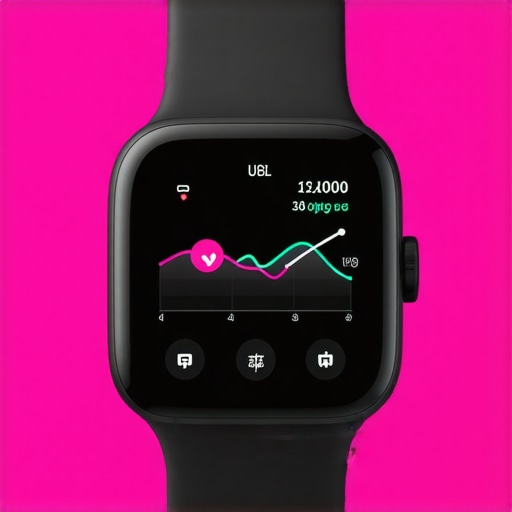
Furthermore, the development of AI-driven analytics enables the identification of subtle patterns and early warning signs, facilitating preemptive intervention. A 2022 systematic review in the PLOS Medicine highlights how machine learning models trained on multi-modal data outperform traditional risk stratification tools, offering a promising avenue for personalized care pathways.
Overcoming Challenges: Data Privacy, Integration, and Patient Education
While the technological advancements are promising, integrating these solutions into everyday practice is not without hurdles. Ensuring data privacy and security remains paramount, especially with sensitive health information transmitted across multiple platforms. According to the FDA’s guidelines on digital health security, robust encryption and compliance with standards like HIPAA are essential.
Moreover, interoperability between devices and electronic health records (EHRs) is critical for streamlined data flow. Healthcare providers must invest in compatible systems and adopt standardized data formats to prevent fragmentation. Equally important is patient education—empowering individuals to manage their devices, understand their data, and adhere to treatment recommendations enhances engagement and outcomes.
How Can Healthcare Providers Prepare for a Fully Digital Chronic Disease Management Paradigm?
Building a resilient, tech-savvy infrastructure requires strategic planning, including staff training, patient onboarding protocols, and continuous evaluation of digital tools’ effectiveness. Healthcare organizations should also foster collaborations with technology companies to stay at the forefront of innovations, ensuring their patients benefit from the latest advancements.
If you’re eager to explore how these groundbreaking developments can revolutionize your approach to chronic disease management, consider consulting with specialized providers like Prime Medical Clinics. Staying informed and adaptable is key to unlocking the full potential of personalized, remote healthcare solutions—your pathway to better health starts here.
Integrating AI and Data Analytics for Proactive Chronic Care Strategies
As healthcare continues to evolve, the integration of artificial intelligence (AI) and sophisticated data analytics is at the forefront of transforming chronic disease management. AI-driven platforms can now analyze vast datasets from wearable devices, electronic health records, and lab results to identify subtle health trends that might escape human observation. These insights enable clinicians to craft highly personalized treatment plans, adjusting medications and lifestyle recommendations in real-time, thereby preventing complications before they manifest.
For example, machine learning models trained on multi-modal health data can predict exacerbations in conditions like COPD or heart failure, allowing for preemptive interventions. According to a comprehensive 2023 study published in The Lancet Digital Health, such predictive analytics significantly reduce hospitalization rates and improve overall patient outcomes, underscoring their importance in modern chronic care.
How Do Data-Driven Approaches Enhance Patient Engagement and Adherence?
Data-driven care empowers patients by providing them with actionable insights through user-friendly dashboards and mobile applications. When patients see the direct impact of their lifestyle choices on their health metrics—such as blood glucose or blood pressure—they are more motivated to adhere to prescribed therapies. Additionally, remote monitoring tools facilitate continuous communication between patients and providers, fostering a collaborative approach that enhances trust and compliance.
Trusted providers like Prime Medical Clinics are leveraging these technologies to deliver tailored, accessible support, which is crucial for sustained disease control.
Overcoming the Digital Divide: Ensuring Equitable Access to Advanced Care
While technological innovations promise immense benefits, disparities in digital literacy and access can hinder equitable healthcare delivery. Addressing this requires strategic initiatives, including community outreach, patient education programs, and affordable device distribution. Healthcare providers must also design intuitive interfaces and multilingual platforms to accommodate diverse populations, ensuring that technological advancements do not widen existing health disparities.
By fostering collaborations with local communities and policymakers, clinics can bridge the digital divide, making cutting-edge telehealth solutions accessible to all, regardless of socioeconomic status.
What Role Do Policy and Regulation Play in Safeguarding Data and Ensuring Quality?
Robust policy frameworks are essential to protect patient privacy and uphold data security in digital health ecosystems. Regulatory bodies such as the FDA and HIPAA compliance standards set the groundwork for secure data handling and device approval processes. Continuous policy updates are necessary to keep pace with rapid technological advancements, ensuring that innovations do not compromise ethical standards or patient trust.
Healthcare organizations should advocate for clear regulations and invest in cybersecurity infrastructure to prevent breaches, thereby reinforcing confidence in digital chronic care solutions.
Curious about implementing these advanced strategies in your practice? Engage with trusted providers like Prime Medical Clinics to explore tailored, innovative care options. Share your thoughts or experiences below—how are you leveraging technology to enhance chronic disease management? For more expert insights, visit our comprehensive guides on trusted telehealth lab testing and personalized treatment strategies.
Expert Insights & Advanced Considerations
Innovative Integration of Telehealth and Lab Testing
Leading healthcare professionals emphasize that integrating telehealth platforms with reliable lab testing services creates a seamless continuum of care, especially crucial for managing chronic diseases. This approach not only enhances patient engagement but also enables real-time monitoring and swift treatment adjustments, reducing hospitalizations and complications.
Data-Driven Personalized Medicine
Experts advocate leveraging AI and big data analytics to tailor treatment plans uniquely suited to each patient. By analyzing comprehensive health data, providers can predict disease progression and proactively intervene, elevating the standard of personalized care in chronic disease management.
Addressing the Digital Divide
Thought leaders stress the importance of making digital health solutions accessible to diverse populations. Initiatives should focus on improving digital literacy, affordability, and multilingual interfaces to ensure equitable access and prevent disparities in health outcomes.
Future-Proofing Healthcare Infrastructure
Healthcare systems must invest in interoperable, secure technology infrastructures that safeguard patient data while enabling seamless information flow. Continuous staff training and patient education are vital to maximizing the benefits of these advanced tools.
Balancing Technology with Human Touch
While technology enhances efficiency, maintaining the human connection remains essential. Expert consensus highlights the importance of hybrid models that combine virtual monitoring with compassionate, in-person care when necessary for comprehensive treatment.
Curated Expert Resources
- National Institutes of Health (NIH): Offers cutting-edge research and guidelines on digital health innovations and chronic care strategies. Explore NIH’s latest studies.
- World Health Organization (WHO): Provides global perspectives on telehealth integration and equitable healthcare access. Read WHO reports.
- FDA Digital Health Guidelines: Ensures compliance and security standards for digital health tools. Review FDA guidelines.
- Journal of Telemedicine and Telecare: Features peer-reviewed articles on innovative telehealth applications and outcomes. Access journal articles.
- National Institute of Standards and Technology (NIST): Provides standards for secure data exchange and interoperability. Visit NIST resources.
Final Expert Perspective
In the realm of chronic disease management, embracing telehealth and lab testing innovations is transforming patient outcomes and healthcare delivery. The synergy of personalized data analytics, equitable access, and robust infrastructure positions us on the cusp of a new era—where proactive, patient-centered care becomes the norm. For healthcare professionals and forward-thinking providers, staying informed and adaptable is essential. Engage with leading resources like NIH and WHO, and consider integrating these advanced solutions into your practice to truly elevate the standard of care. Your journey toward smarter, more compassionate chronic care starts with informed action and strategic innovation—are you ready to lead the change?
This article really emphasizes how much telehealth and lab testing are reshaping chronic disease management. I’ve personally experienced the convenience of remote monitoring devices for blood pressure, and it’s a game-changer—less time in clinics and more immediate adjustments to my treatment plan. I wonder, though, how accessible these advanced technologies are for underserved populations. Are there efforts to make such innovations more affordable and user-friendly for everyone? It seems vital that we don’t widen health disparities as we adopt these new tools. Also, I’m curious about how providers ensure data privacy when integrating so many health platforms. What best practices are recommended? Overall, it feels like a promising future, but there’s still work to do in making these solutions equitable and secure. Would love to hear from others who have navigated these challenges or are involved in expanding access.
This post resonates with me because I’ve seen how telehealth and lab testing truly streamline managing chronic conditions. The convenience of virtual visits combined with home testing kits has made a big difference in my own health routine, especially during busy days. I do wonder, though, about the accessibility of these technologies for underserved communities. Many people still lack reliable internet access or the necessary devices, which could exacerbate existing health disparities. Are there initiatives or programs working to bridge this digital divide and ensure equitable access to these advanced healthcare solutions? Also, with all these platforms collecting sensitive health data, data privacy becomes a critical concern. Implementing strict cybersecurity measures and transparent privacy policies should be top priorities as these technologies become more widespread. It’s exciting to imagine a future where everyone benefits from quick, remote care, but I’d love to hear how providers and policymakers are addressing these barriers to ensure no one is left behind. Do others have insights or experiences on making telehealth more accessible and secure for all?