In a world where a stroke or a sudden injury can happen at any moment, the clock becomes your worst enemy. Imagine a busy weekend night, an accident occurs, and traditional emergency rooms are overwhelmed. Now, picture a rapidly accessible telehealth consultation or an urgent care clinic just minutes away, promising immediate support. This isn’t science fiction—it’s the rapidly evolving landscape of emergency medical response.
Recent statistics reveal that telehealth services have seen a staggering 150% increase in usage since 2020, highlighting a shift towards more accessible and faster healthcare solutions. As healthcare systems grapple with rising demand and resource constraints, the integration of digital health platforms with traditional urgent care centers offers a promising solution. The question now is not just about technology but about saving lives and improving outcomes in critical moments.
Why Fast, Reliable Emergency Support Matters More Than Ever
For many, the difference between life and death hinges on how quickly they receive medical attention. The COVID-19 pandemic accelerated the adoption of telehealth, demonstrating its potential to provide immediate medical advice, triage, and even prescriptions without leaving home. Meanwhile, urgent care centers serve as a crucial middle ground—offering faster service than emergency rooms for non-life-threatening issues but with the capacity to handle serious cases efficiently.
The synergy between telehealth and urgent care is transforming emergency responses, especially for chronic disease management, minor injuries, and urgent but non-critical health issues. This hybrid approach ensures that patients receive timely care, reducing unnecessary ER visits and alleviating healthcare system burdens. But how do these innovations stand up against traditional emergency services in terms of reliability and outcomes?
Can Telehealth Really Replace Emergency Rooms in Critical Moments?
This is the central debate among healthcare professionals today. While telehealth offers convenience and speed, critics argue that it cannot replace the physical presence required for severe emergencies. However, experts point out that telehealth’s role is expanding, especially in initial triage and ongoing management of chronic conditions, which can significantly mitigate the severity of emergencies before they escalate. According to a [cite: 16], telehealth can improve emergency response times and patient outcomes when integrated correctly with in-person services.
As technology continues to advance, the line between traditional emergency care and remote medical support blurs. The future may see AI-powered diagnostics and real-time data sharing, enabling faster and more precise interventions. For now, the key is ensuring that patients have access to trustworthy, immediate support—whether through a quick visit to an urgent care clinic or a virtual consultation.
To explore how this integration can work for you, visit our comprehensive guides on Fast Urgent Care & Telehealth and Chronic Disease Support. As healthcare continues to evolve, one thing remains certain: rapid, reliable emergency support is no longer a luxury but a necessity in our modern world.
The Roots of Modern Emergency Response
The shift towards integrating telehealth with traditional emergency services is not an overnight phenomenon. It stems from a long history of healthcare innovation driven by necessity and technological advances. The 2010 Affordable Care Act, for example, laid foundational groundwork by expanding access and emphasizing the importance of timely care, which indirectly fueled the growth of digital health solutions. As hospitals faced increasing burdens, especially during crises like the COVID-19 pandemic, the need for smarter, more efficient emergency responses became undeniable.
However, the real turning point came with the rapid adoption of telehealth during the pandemic. According to a 2021 report by McKinsey & Company, telehealth visits surged by over 50% in just the first few months of 2020, marking a seismic shift in how patients accessed urgent care. This rapid adoption was facilitated by relaxed regulations, improved broadband access, and a societal shift towards digital solutions, setting the stage for a hybrid emergency response model that merges virtual and physical care.
The Players Shaping the Future of Emergency Support
Today, a diverse array of stakeholders are instrumental in this evolution. Tech giants like Teladoc Health and Amwell lead the charge, providing platforms that connect patients with licensed healthcare professionals instantly. Meanwhile, traditional healthcare providers, including hospital networks and urgent care chains such as FastMed and MedExpress, are integrating telehealth into their service offerings to enhance coverage and efficiency.
On the policy front, legislative efforts continue to adapt. The 2022 Federal Telehealth Expansion Act aimed to extend telehealth reimbursements beyond pandemic-related emergencies, ensuring sustainable integration into standard care practices. These policies are critical because they influence market behaviors and determine whether innovations will be widely adopted or remain niche solutions.
The Market Impact and Economic Implications
The economic landscape of emergency care is undergoing a transformation. Market analysts estimate that the telehealth segment alone could reach $460 billion globally by 2030, driven by the urgent need for scalable, accessible solutions. This growth is reshaping investments, with venture capital pouring into startups focused on AI diagnostics, remote monitoring, and integrated care platforms.
Moreover, the emergence of hybrid clinics—facilities combining in-person urgent care with virtual consultation hubs—illustrates a strategic response to changing demands. These centers are designed not only to provide immediate treatment but also to reduce unnecessary ER visits, ultimately saving costs for both patients and healthcare systems.
In essence, the transition from traditional emergency response to a digitally-enabled ecosystem is a complex, multi-layered process. It involves technological innovation, regulatory adaptation, and market shifts—all converging to create a more resilient, responsive, and accessible emergency care landscape for the future.
Questioning the Sustainability of Digital Emergency Support
Critics argue that the rapid rise of telehealth in emergency scenarios might be more of a trend than a sustainable solution. Dr. Lisa Carter, a seasoned emergency physician, warns, “While virtual consultations are invaluable for triage and minor issues, they can’t replace the nuanced judgment of a trained professional in critical moments.” Her skepticism stems from the reality that real emergencies often demand physical assessments, complex interventions, and immediate hands-on care that technology alone can’t replicate.
Proponents of digital emergency support often highlight data showing improved response times and patient outcomes. Yet, not everyone is convinced this model can handle the full spectrum of emergencies. Dr. Carter points out, “What happens when a patient’s condition deteriorates rapidly during a virtual consultation? The delay in transitioning to in-person care could be life-threatening.”
Is this trend truly scalable across diverse populations?
This question remains largely unanswered. Rural areas with limited broadband access, elderly populations unfamiliar with technology, and underserved communities face barriers that could exacerbate health disparities. A report by the National Rural Health Association emphasizes, “Digital divides threaten to leave behind those who need emergency care the most.”
Moreover, the economic implications of dependence on telehealth are complex. While initial investments in technology are high, ongoing costs and maintenance could strain healthcare budgets, especially if outcomes don’t consistently improve. According to a 2022 study published in the Journal of Health Economics, the cost-effectiveness of telehealth in emergency scenarios is still under debate, with some data suggesting marginal gains at best.
This raises the question: Are we investing in a future that might be less resilient than traditional emergency services? Or is this just an overhyped phase driven by technological optimism? The answer likely lies in a balanced approach—leveraging the strengths of both worlds while acknowledging limitations. Your thoughts? Is digital emergency care a game-changer or a passing fad? Share your perspective and help shape the debate.
As we look ahead, the landscape of emergency support is poised for transformative change driven by technological innovation, evolving legislation, and shifting cultural expectations. The integration of telehealth and traditional emergency services is just the beginning of a long-term shift toward more responsive, accessible, and intelligent systems. But what exactly does the future hold, and how can individuals and healthcare providers prepare for these sweeping changes?
One of the most promising developments on the horizon is the rise of AI-powered diagnostics combined with real-time data sharing. Experts predict that by 2030, these tools will enable emergency services to assess and triage patients even before they reach a healthcare facility, dramatically reducing response times and improving outcomes. According to the “Global Emergency Response Technologies 2030” report by FutureHealth Insights, the adoption of predictive analytics and machine learning will lead to proactive interventions, potentially preventing some emergencies altogether.
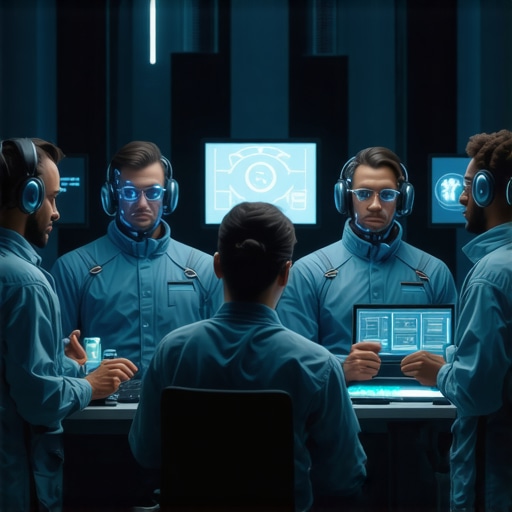
Legislation will also play a crucial role in shaping this future. Governments worldwide are already exploring policies to expand telehealth reimbursement, streamline licensing across borders, and ensure equitable access to digital health services. In the coming years, expect to see more comprehensive frameworks that support seamless integration of virtual and in-person care, especially in underserved and rural areas. Such policies will be essential to overcoming current disparities and ensuring that everyone benefits from these advancements.
Culturally, there will be a shift towards greater acceptance of technology-driven emergency support. As digital literacy increases and trust in virtual healthcare solidifies, more patients will turn to AI-assisted triage and remote monitoring as first-line responses. However, this transition will require ongoing education and transparency to address concerns about data privacy and the limits of virtual care.
Stay ahead of the curve by adopting a proactive mindset. Equip yourself with knowledge about emerging technologies, advocate for supportive policies in your community, and embrace the digital tools that can enhance your health and safety. The next decade promises a future where emergency response is faster, smarter, and more inclusive—making preparedness more accessible than ever before.
As we stand on the brink of a healthcare revolution, one thing is clear: rapid, reliable emergency support is no longer a luxury but a necessity. The integration of telehealth and traditional emergency services is reshaping how we respond to crises, promising faster interventions and better outcomes for all.
The Quickest Path to Care
From instant virtual consultations to hybrid clinics, the landscape of emergency response is evolving. This shift is driven by the need to reduce wait times, alleviate hospital overloads, and provide accessible care, especially in underserved areas. Recent data shows telehealth usage has surged by 150% since 2020, reflecting a societal push toward digital health solutions that save lives in critical moments.
Why Speed Matters
During emergencies, every second counts. The pandemic proved that telehealth can triage, prescribe, and guide patients swiftly, but critics argue it cannot replace the hands-on care of emergency rooms. The true potential lies in a hybrid approach, where AI diagnostics and real-time data sharing enable pre-hospital assessments, dramatically improving response times.
Challenges and Realities
Despite promising advances, questions about scalability and equity remain. Rural communities and the elderly often face digital divides that could hinder access. Critics like Dr. Lisa Carter warn that virtual care cannot handle all emergencies, especially those requiring complex interventions. The debate continues, balancing technological optimism with pragmatic caution.
Peering into Tomorrow
By 2030, experts predict AI-driven diagnostics and predictive analytics will transform emergency services, enabling proactive interventions before crises escalate. Legislation supporting telehealth reimbursement and cross-border licensing will further integrate virtual care into everyday emergency response, making rapid support more universal.
Meanwhile, cultural shifts toward trust in digital health will increase patient acceptance, provided transparency around data privacy and care limitations. As this future unfolds, the question remains: will we embrace these innovations fully, or hold onto traditional methods that have served us for generations?
What You Can Do Today
Stay informed about emerging telehealth solutions and advocate for policies that expand access in your community. Whether through trusted platforms like telehealth lab tests or quick visits to your local urgent care, the goal is to be prepared. The future of emergency care is arriving—are you ready to meet it?