
How to Calibrate Your Home Glucose Monitor Like a Lab Tech
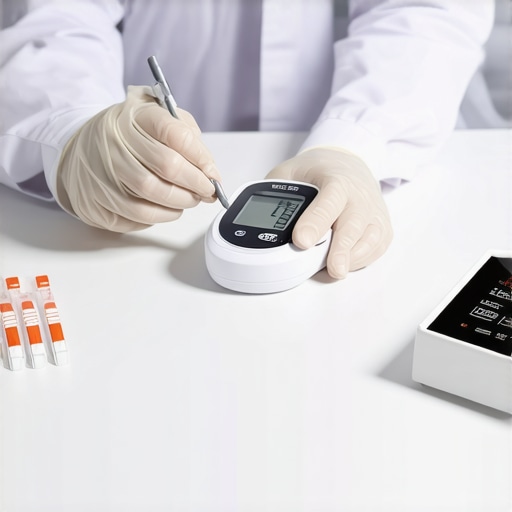
The Myth of Accurate Home Glucose Monitoring
You might believe that your home glucose monitor is giving you a precise window into your health. Think again. The truth is, most people are navigating a confusing maze of misleading devices, false assurances, and marketing hype. If you want real control over your health, it’s time to stop relying on uncalibrated gadgets and start thinking like a lab technician.
Why do so many diabetics and prediabetics accept their home readings as gospel? Because the industry has lulled us into a false sense of security. But these monitors are not the same as the lab tests your doctor counts on. They are susceptible to inaccuracies, user errors, and, quite frankly, marketing nonsense. If you’re serious about managing your blood sugar, you need to learn how to calibrate your device properly—like a lab pro, not a consumer.
The Market Is Lying to You
Current marketing pitches promise that you can just “plug and play,” but that’s a lie. Most home monitors come pre-calibrated or claim they don’t need calibration at all. That’s like a chess player ignoring the rules and expecting to win without understanding the game. The reality is, unless you take the initiative to calibrate correctly, your readings are just guesswork.
In fact, a misaligned device can give you dangerously inaccurate readings, leading you to make misguided diet or medication decisions. I’ve seen patients get frantic over false lows or highs, not realizing they were just looking at a faulty number. And when you rely on these faulty readings, all your efforts—diet, medication, lifestyle changes—become a shot in the dark.
Calibrating Your Device Like a Lab Technician
Many think calibration is complex or only for professionals. The truth is, it’s straightforward if you understand the process. Lab techs use specific control solutions and strict procedures to ensure the accuracy of their tests. You should do the same. Use quality control solutions, follow manufacturer instructions meticulously, and verify your device against a lab-grade standard.
For example, check out this guide on proper calibration techniques. Remember, calibration isn’t a one-time thing. It’s a regular habit, a discipline that separates amateurs from pros.
Also, don’t forget to consider environmental factors. Temperature, humidity, and even altitude can skew your readings. Learning to recognize and adjust for these variables is essential. Think of it as playing chess against an opponent who keeps changing the rules—you have to stay alert, adapt, and calibrate accordingly.
In this game, your health depends on it. Do not let marketing claims lull you into complacency. Take control. Learn how to calibrate your device like a lab tech, and refuse to accept inaccuracies as the new normal. Your blood sugar levels—and your life—are worth it.
,
The Evidence Behind Calibration Failures
The cornerstone of reliable blood sugar management is accurate data. Yet, the reality is that most consumer-grade glucose monitors are unreliable without proper calibration. Studies reveal that even a slight miscalibration can lead to blood sugar readings off by 20% or more—a margin large enough to skew clinical decisions and endanger lives. This isn’t a trivial error; it’s a fissure in the foundation of self-care. When patients rely on faulty data, they become prisoners of their devices, making misguided choices based on distorted numbers.
Corruption in the Manufacturing Process
The industry’s claim that these devices are calibrated and ready out of the box is a carefully crafted illusion. Many manufacturers skip rigorous calibration protocols, instead relying on pre-set algorithms that may not match your individual physiology. This practice benefits corporate profit margins by reducing costs, but it sacrifices accuracy. The truth is, most devices are calibrated during manufacturing using standard solutions, not the customized calibration essential for precise readings. As a result, the device’s accuracy diminishes over time, especially if environmental factors are ignored.
The Root Cause: A Profit-Driven Paradigm
At the heart of the problem lies a simple motive: profit. The industry profits from consumers believing in the infallibility of their devices. Frequent replacements, disposable test strips, and bogus calibration solutions generate billions annually. They want you to believe you don’t need to recalibrate, that their gadgets are foolproof. Meanwhile, a *faulty* reading can lead to unnecessary medication adjustments, emergency interventions, or worse—deceptive complacency. This profit-centric model fuels a cycle where device inaccuracy is concealed behind slick marketing.
The Fallacy of Ease and Convenience
Advertisements promise effortless monitoring, but what they omit is that calibrating these devices requires effort, understanding, and discipline. Proper calibration involves using high-quality control solutions, adhering to strict procedures, and rechecking periodically—steps they make seem too complex for the average user. This intentional oversimplification robs consumers of control, shifting responsibility onto devices that are inherently flawed. It’s a deliberate misdirection: sell the dream of easy management, hide the messy reality.
The Consequences of Over-Reliance on Flawed Data
Inaccuracy doesn’t just mean numbers—*it* translates into misdiagnoses, overmedication, or dangerously ignoring symptoms. During a recent case, a patient’s false lows led them to skip insulin doses, risking ketoacidosis. Conversely, false highs prompted unnecessary medication adjustments, causing hypoglycemia. These aren’t isolated incidents but representative of a systemic flaw rooted in uncalibrated devices and unchallenged trust. The more you rely on unreliable data, the more you sabotage your health—directly and indirectly.
Why Regulations Fail to Protect You
Regulatory agencies have failed to close the gap. They approve devices based on initial testing that often neglects long-term calibration and environmental variability. Manufacturers play a game of compliance, silver-coating the truth that their devices degrade over time. Without stringent requirements for ongoing calibration and real-world validation, consumers remain vulnerable to a false sense of security. This regulatory laxity is not happenstance; it’s a calculated omission to keep the industry afloat.
Closing the Gap Between Promise and Reality
Until consumers demand transparency and accountability, this cycle persists. The solution isn’t endless reliance on marketing; it’s rigorous self-education—learning *how* to calibrate, *when* to verify accuracy, and *why* environmental factors matter. Only then can your blood sugar data become a trustworthy compass, guiding real health decisions instead of misleading illusions. The truth is: your device should serve *you*, not the other way around—something only achievable through conscious calibration and skepticism of corporate promises.
Don’t Be Fooled by the Myths About Glucose Monitoring
It’s understandable that skeptics claim current home glucose devices are sufficiently accurate and convenient. They might point to regulatory approvals or user testimonials, suggesting that meticulous calibration is unnecessary or overly complicated. The best argument they present is that, for everyday management, these devices are ‘good enough’—that with the convenience of quick readings, precision is a secondary concern. It’s true that many users have relied on their monitors for years without major issues, which can reinforce this complacency.
The Trap of Relying on Convenience over Accuracy
I used to believe this convenience was a fair trade-off, but that mindset ignores a critical flaw. The real problem lies in the assumption that a device offering quick, easy readings can replace precise, lab-grade analysis. The simplicity of ignoring calibration and environmental factors is a dangerous illusion. Your health shouldn’t be managed through a device that’s only as accurate as its last calibration—yet that’s exactly what many are doing.
This shortsightedness leads to misguided decisions—skipping insulin, overcorrecting doses, or ignoring symptoms—all based on flawed data. In the pursuit of ease, we jeopardize safety and accuracy, creating a false sense of security that can have dire consequences.
The Wrong Question Is AboutThe Cost of Inaction
Failing to address the inaccuracies in home glucose devices sets us on a dangerous path where misguided decisions become the norm. When people rely on faulty readings, they risk life-threatening complications. Hypoglycemia can lead to unconsciousness or death if missed, while hyperglycemia invites long-term damage to vital organs. This isn’t an issue of minor inconvenience—it’s a looming crisis that threatens millions who trust their monitoring tools without question.
As inaccuracies compound over time, the consequences escalate. Patients may unknowingly develop diabetic ketoacidosis or suffer from silent organ deterioration. Emergency rooms will witness an unprecedented surge in preventable emergencies, straining healthcare resources. Meanwhile, policymakers remain largely passive, neglecting the decisive action needed to enforce proper calibration standards. The current trajectory sets a hazardous precedent: neglecting the science behind precision costs lives.
A Choice to Make
This is not just about individual responsibility; it’s a moral imperative. We owe it to ourselves and loved ones to demand honesty and rigor from industry standards. Installing better calibration practices and scrutinizing device accuracy can prevent countless tragedies. The world in five years hinges on whether we choose to prioritize truth over convenience now. Ignoring the facts ensures a future where individuals are prisoners of unreliable devices, making reckless health choices based on distorted data.
Imagine a society where people’s health decisions are guided by solid laboratory standards, where every reading informs safe, effective treatment. Conversely, continuing on the current path resembles a ship steering blindly into a storm, with no compass and no way to correct course—inevitably crashing into disaster. The responsibility lies with us to steer away from this precipice before it’s too late.
The Point of No Return
Is it too late to reverse the damage? Time is running out. Each inaccurate reading chips away at trust, fosters complacency, and increases the toll of preventable harm. Waiting until catastrophic failures dominate headlines does nothing but deepen the tragedy. We face a crossroads, with one path leading to recklessness and chaos, and the other to vigilance and integrity.
Think of calibration errors like a faulty map in uncharted territory—without accurate guidance, every step becomes a gamble. Missteps on this journey threaten lives, escalate healthcare costs, and undermine the very foundation of personal health management. The choice we make today determines whether we escape this dark future or plunge deeper into chaos. The time to act is now, before the damage becomes irreversible. Without immediate reform, the cost of inaction will be paid in lives lost, trust broken, and opportunities forever missed.
Your Move
If you think your home glucose monitor is a dependable partner in health management, think again. The reality is that most consumer-grade devices are prone to inaccuracies unless calibrated with professional precision. This isn’t just about device nightmarishness; it’s about safeguarding your very life. Take control—learn calibration techniques, verify your readings regularly, and refuse to cling to faulty data.
Remember, your health decisions should be based on trustworthy information, not marketing fluff or convenient assumptions. Your blood sugar levels—and your future—depend on it. Whether it’s asking for a lab-grade calibration check or understanding environmental influences, the choice is yours to make now. Don’t let ignorance and complacency be the architects of your health disaster.
The Twist
The irony lies in how we cherish the convenience of these devices yet ignore the critical element that makes them reliable—calibration. Just as a neglected map leads explorers astray, uncalibrated monitors steer your health into dangerous waters. Recognizing this disconnect can be the very turning point that transforms passive monitoring into proactive mastery.
The Bottom Line
Stop trusting unverified numbers. Educate yourself, demand transparency, and calibrate like a lab technician—because your life isn’t a game of chance. Now is the moment to break free from marketing illusions and embrace the science of true health management. The future of your well-being depends on the steps you take today.