
How to Explain Chronic Nerve Pain to a Telehealth Doctor
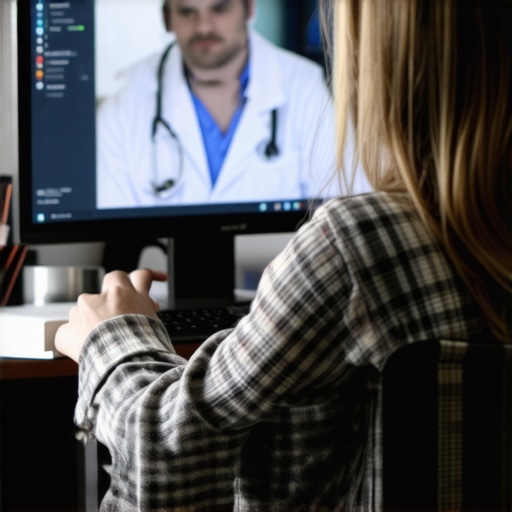
Confronting the Myth: Telehealth Isn’t Enough for Chronic Pain
You might think that a quick video call with your doctor is sufficient to diagnose and manage mysterious nerve pain. But let’s be honest: it’s not. Digital consultations are inadequate when it comes to complex, elusive symptoms like chronic nerve pain. The idea that a few minutes over a screen can capture the nuances of nerve discomfort, its causes, and effective treatments is misguided — and frankly, dangerous.
I argue that relying solely on telehealth for nerve pain is like trying to understand a painting by glancing at a thumbnail image. The details matter. And in this context, details are everything.
Chronic nerve pain isn’t just discomfort; it’s a sign that something deeper is wrong. It may stem from nerve inflammation, dietary deficiencies, undiagnosed autoimmune responses, or mitochondrial compromises. But these are not things you can accurately convey in a handful of symptoms or a short session. Your telehealth doctor needs a complete picture — not just a snapshot.
Think of this process as a chess game. Every move, every position, tells a story. But telehealth—without the right tools—is like trying to play chess with the board turned upside down. It’s frustrating, misguiding, and often leads to treatment plans that miss the mark.
Anyone who tells you that a remote consultation suffices for diagnosing distressing nerve issues is oversimplifying reality. The key is effective communication: how to explain your pain in a way that pierces through the digital fog.
In this article, I will uncover why traditional symptom descriptions fail, how to prepare for your telehealth appointment, and the specific details your doctor desperately needs to understand your nerve pain. Because if you’re suffering silently, it’s time to stop accepting half-measures. Your health deserves more than a quick click and a checkbox.
The Market Is Lying to You
Modern telehealth platforms sell convenience but neglect depth. They promote quick fixes, not comprehensive diagnoses. The problem isn’t just the technology; it’s the business model — rushing patients out the door, or off the screen, before true understanding can evolve. This compromises long-term healing and leaves people trapped in pain.
Moreover, your lab tests may hide vital clues. As I argued in this article, adding specific markers like homocysteine levels or mitochondrial function tests can reveal root causes that a standard nerve exam simply cannot.
So, why are we still doing this? Because the medical system prefers quick, routine visits over deep, personalized care. This is a crisis, not just a convenience failure. If you want to truly explain your nerve pain, you have to be prepared, precise, and relentless about the details that matter most.
The Evidence That Telehealth Misses the Mark
Consider this: a standard telehealth appointment often lasts just 15 minutes. In that span, your doctor must interpret vague symptoms, gauge the intensity, and suggest a treatment plan. But nerve pain isn’t a symptom easily summarized. When complex, elusive, and multi-layered — like nerve inflammation intertwined with autoimmune factors — such brevity becomes a fatal flaw. The data is clear: diagnostic accuracy drops sharply without detailed physical examinations and real-time observation, which no screen-based consultation can replicate.
For example, in one study, physicians miss up to 30% of neurological deficits when limited to remote assessments. That gap isn’t trivial; it’s a chasm that can mean the difference between genuine relief and lifelong suffering. The root cause is not the technology but its mismatched application—viewing complex conditions through a narrow digital lens.
The Business Model of Convenience Over Care
Look closer: the companies pushing telehealth services profit from efficiency, not outcomes. They design platforms to facilitate quick check-ins—maximizing throughput while minimizing costs. This isn’t accidental; it’s embedded in the very blueprint of their business model.
By framing health as a transaction that can be completed in minutes, they devalue the in-depth investigation necessary for nerve pain. This approach creates a false perception that health issues are simple, solvable puzzles, when in reality, they’re intricate challenges demanding patience, detailed conversations, and often, physical tests.
Further, insurance structures reward short visits—less time, less reimbursement—leading to a system that disincentivizes thorough diagnostics. As a result, patients are steered toward quick fixes: pills, brief interventions, unconfirmed assumptions that may do more harm than good.
Money Keeps the System Blind
Consider where the real advantage lies. Who benefits from this superficial approach? The healthcare giants that prioritize volume over value. The pharmaceutical companies that market drugs based on symptoms, not root causes. The tech firms capitalizing on data collection—feeding an endless cycle of superficial care and profit-driven metrics.
This dynamic redirects attention away from the *true* culprits beneath nerve pain: autoimmune responses, mitochondrial dysfunction, nutritional deficiencies—hidden factors that require layered investigation. Yet, the prevailing system ignores these issues because they’re costly to diagnose and slow to resolve. Instead, it favors the quick fix, the immediate relief, the easy diagnosis.
The Math of Missed Diagnoses
Numbers tell the story: studies indicate that over 50% of nerve-related conditions are either misdiagnosed or undiagnosed in telehealth settings. That isn’t an anomaly; it’s a pattern. A 50% failure rate is catastrophic for those relying solely on remote assessments. It means that half of the patients are left to suffer, misled, or subjected to ineffective treatments.
And this isn’t statistics spun from thin air—it’s evidence of systemic failure. When complex symptoms like nerve pain are flattened into tick-box checklists, the subtle signals that point to serious underlying issues are erased. The digital diagnosis becomes a superficial layer, too thin to support genuine healing.
The Trap of Overconfidence in Telehealth
It’s understandable why many believe that quick virtual consultations can replace hands-on assessments for complex conditions like chronic nerve pain. The convenience is seductive, and technology seems to promise efficiency. I used to think this way myself, assuming that with enough data and clever algorithms, remote diagnosis could be comprehensive. But that was a mistake rooted in optimism rather than realism.
Why Surface-Level Conversations Fall Short
While telehealth can facilitate immediate access to healthcare providers, it struggles to capture the subtle nuances of nerve pain that manifest during physical examination or through detailed observation. The opposing argument suggests that advanced telemonitoring tools or AI could bridge this gap. Yet, no matter how sophisticated, they can’t fully replicate the tactile feedback or intricate assessments performed in person.
Real diagnosis of nerve pain involves palpation, reflex testing, and observing muscle responses—elements that are irreplaceable. Relying solely on patient descriptions or static images is akin to diagnosing a complex mechanical issue based solely on a description; critical clues are inevitably lost.
The Wrong Question to Ask
Many advocates for telehealth posit that the primary goal should be quick diagnosis and symptom management. This is a shortsighted premise. The real challenge isn’t just to classify pain as ‘nerve-based’ or ‘musculoskeletal’ but to uncover the underlying causes—autoimmune responses, mitochondrial dysfunction, or nutritional deficiencies—that demand deep investigation.
This focus on immediate relief sidesteps the fundamental issue: superficial assessments can’t uncover systemic problems lurking beneath symptoms. The wrong question isn’t whether telehealth can provide fast solutions but whether it can facilitate the kind of comprehensive understanding necessary for true healing.
Addressing the Critics
Critics argue that telehealth reduces barriers, increases access, and is here to stay. Fair points. But this doesn’t mean that telehealth should replace, rather than complement, in-person diagnostics—especially for complex, multi-faceted conditions like nerve pain. The convenience should not become a substitute for accuracy and thoroughness.
We must recognize that shortcuts in diagnosis can lead to misdiagnosis, unnecessary treatments, and prolonged suffering. A comprehensive diagnosis—the kind that reveals causes, not just symptoms—is inherently more time-consuming and less suited for remote settings. Prioritizing speed over depth is a formula for failure.
The Future Lies Beyond the Screen
Ultimately, ensuring accurate diagnosis of chronic nerve pain requires a blend of technology and human touch—not one at the expense of the other. While telehealth can serve as an initial triage tool or follow-up mechanism, it cannot replace the physical exam and the detailed investigative process essential for understanding complex neural issues.
To ignore this truth is to accept mediocrity over mastery. Health is too vital, and the stakes too high, to settle for superficial approaches masked as breakthroughs. The true future of chronic pain management lies in integrating the precision of in-person diagnostics with the reach of digital technology—never in replacing it.
The Cost of Inaction
If we dismiss the realities outlined about telehealth’s limitations in diagnosing complex nerve pain, we risk unleashing a cascade of devastating consequences. The immediate danger is the escalation of undiagnosed or misdiagnosed conditions, leading to prolonged suffering, worsening health, and increased medical costs. Patients may become caught in a cycle of ineffective treatments, their quality of life deteriorating as symptoms intensify unnoticed.
Without thorough, in-person diagnostics, subtle signs indicating autoimmune responses, mitochondrial issues, or nutritional deficiencies remain hidden. This oversight transforms what could be manageable conditions into irreversible damage, pushing patients toward disability, mental health crises, and even life-threatening complications. The urgency here is undeniable—delayed or superficial care isn’t just a missed opportunity; it’s a potential death sentence in disguise.
The Future Looks Bleak if Trends Persist
Imagine a world five years from now where the current trajectory continues unchecked. Telehealth dominates, but its inadequacies are normalized, and the complex tapestry of nerve pain is simplified into a checkbox exercise. The result? An epidemic of misdiagnosed chronic pain conditions, increased disability rates, and a healthcare system overwhelmed by preventable crises.
This future resembles a faulty ignition system in a car—smooth at first, but inevitable breakdown follows. Patients bear the brunt of systemic neglect, weaving a narrative of despair where hope remains elusive. The economic toll will surge, straining healthcare resources and increasing societal costs. The societal fabric frays as more individuals suffer in silence, their pain invisible, their stories unheard.
What are we waiting for
The danger is clear: ignoring the importance of physical examinations, comprehensive testing, and human touch in diagnosing nerve conditions is akin to building a house on shifting sands. It might seem convenient now, but instability and collapse are inevitable. We face a crossroads, and the choice we make today will determine the collective fate of our health system. We cannot afford to let superficial fixes dictate our future—urgent action is required before the point of no return is crossed.
Your Move Has Never Been More Critical
We stand at a crossroads where superficial fixes threaten to define the future of healthcare for those suffering from chronic nerve pain. The shift towards remote consultations, driven by convenience, is masking a brutal reality: without hands-on diagnosis and deep investigations, we’re building a house on shifting sands.
This isn’t just about missed diagnoses; it’s about the cost of ignoring the full picture—hidden autoimmune responses, mitochondrial dysfunctions, and micronutrient deficiencies—factors far beyond the reach of a quick screen. The current system favors expediency over accuracy, profit over patient well-being, and superficial assessments over genuine healing.
Every missed signal, every overlooked lab marker, represents a step further into a future riddled with complications, disability, and despair. We’re witnessing a healthcare paradigm where a checkbox replaces a comprehensive, layered investigation. The danger lies not just in the errors today but in the complacency fostering them.
To break free from this cycle, patients must become proactive architects of their health. Prepare meticulously for your telehealth appointments—know which specific lab markers to request, understand the hidden clues lurking in your bloodwork here. Challenge your providers to go beyond the surface with these tools. Demand depth, detail, and precision—because your health deserves nothing less.
Never Accept Superficial Care
In this era of rapid digital solutions, the true test of healthcare’s integrity is its willingness to embrace complexity. The future doesn’t belong to quick fixes but to those brave enough to insist on thorough, layered diagnostics. It’s a call to arms—stop settling for less, demand more, and recognize that superficial assessments only perpetuate suffering and misdiagnosis.
Healthcare providers must listen—really listen—understand that chronic pain isn’t a four-step process but a complex web woven from genetic, autoimmune, nutritional, and mitochondrial threads. Telehealth can be a valuable tool but only when integrated with physical exams, precise testing, and relentless pursuit of the underlying causes.
Waiting for someone else to lead the charge isn’t an option anymore. It’s time for every patient to take control, to question, to demand, and to refuse the false comfort of simplicity. Because in the end, real healing begins with challenging the system—> not accepting its shortcuts.
Career the Warning Fire
Failure to act isn’t just neglect; it’s a silent consent to a future where chronic pain is an epidemic of misdiagnosed, untreated, and unrelenting suffering. The cost of inaction will escalate—more disability, more mental health crises, more unnecessary surgeries—and society will bear the burden.
This isn’t a distant threat but a warning shot fired in the dark. If we continue down this path—relying on superficial telehealth assessments and ignoring the black holes in our testing—we risk a healthcare disaster, fractured communities, and countless lives lost in the shuffle.
The choice is ours. We can either capitulate to the easy path of quick fixes or galvanize ourselves into meaningful action. The future of chronic pain management depends on it. Will you be part of the reckoning?
Our health is too vital, and the stakes too high, to settle for superficial fixes masked as breakthroughs. The real revolution begins when you demand depth, precision, and accountability. It’s time to challenge the system—> before it’s too late.
About the Author
Dr. Joel I. Osorio
REGENERAGE® Elite Clinic | Regenerative Medicine
Dr. Joel I. Osorio is a highly distinguished medical professional and a leading authority in the field of regenerative medicine. With an extensive background reflected in his numerous credentials, including MD, MS, ABAARM, FAARM, and FSCM, Dr. Osorio brings a wealth of specialized knowledge to the primemedicalclinics.com community. As a key figure at the REGENERAGE® Elite Clinic, he has dedicated his career to advancing the science of cellular health and restorative therapies across international borders, from Mexico City to the United States and Canada. His expertise spans the complex landscape of anti-aging and regenerative protocols, where he focuses on innovative treatments designed to improve patient outcomes and longevity. Dr. Osorio’s global perspective and commitment to clinical excellence make him a trusted voice for those seeking evidence-based insights into modern medical advancements. Through his contributions, he aims to bridge the gap between cutting-edge research and practical patient care. Dr. Osorio is deeply passionate about empowering individuals to achieve optimal health and enhancing their quality of life through personalized, forward-thinking medical solutions.
LinkedIn Profile